गीत विंग · गीत-पट्टिका · Song Plate
बिछड़ी हुई बहार (बहार है बहार)
Bichhdi Hui Bahaar (Bahaar Hai Bahaar)
एक बहार जो तुमसे बिछड़ चुकी है — उर्दू शायरी के सबसे पुराने विरोधाभास पर हमीदा बानू का एकल: एक मौसम जो नुक़सान बनकर आता है।
भावमीठा-कड़वा · उदास · पुरानी यादें
भाषाhindi स्वरूपएकल महिला
श्रेय
The Creditsसूत्र-वाक्य · The Hook
सूत्र-वाक्य
एक बहार जो तुमसे बिछड़ चुकी है — उर्दू शायरी के सबसे पुराने विरोधाभास पर हमीदा बानू का एकल: एक मौसम जो नुक़सान बनकर आता है।
In EnglishA spring that has gone away from you — Hamida Banu's solo on the oldest paradox in Urdu poetry, a season that arrives as loss.
पट्टिका-लेख
The Monographपरिचय Overview
'नग़मा-ए-सहरा' (1945) से हमीदा बानू का एकल, एहसान रिज़वी का लिखा और सी. रामचंद्र का स्वरबद्ध किया। यह गीत दो शीर्षकों से सूचीबद्ध है — हिंदी गीतमाला इसे 'बिछड़ी हुई बहार' कहता है, जबकि बॉलीस्वर-आधारित माईस्वर प्रविष्टि 'बहार है बहार (बिछड़ी हुई बहार)' देती है — जिसका आम तौर पर मतलब यह होता है कि रिकॉर्ड कंपनी और फ़िल्म के प्रचार ने एक ही गीत की अलग-अलग पंक्तियों से शीर्षक लिया।
अंग्रेज़ी में पढ़ें · Read in English
A Hamida Banu solo from Nagma-e-Sahra (1945), written by Ehsan Rizvi and composed by C. Ramchandra. The song is catalogued under two titles — hindigeetmala lists it as 'Bichdi Hui Bahaar', while the BollySwar-derived myswar entry gives 'Bahaar Hai Bahaar (Bichdi Hui Bahaar)' — which usually means the record label and the film's own publicity took the title from different lines of the same song.
संगीत The Music
तवे की कोई प्रति नहीं मिली, इसलिए स्वर-रचना अदर्ज है। श्रेय से इतना ज़रूर तय होता है कि यह फ़िल्म के चार हमीदा बानू गीतों में से एक है और उनके दो शुद्ध एकलों में से एक — संगीत की वे जगहें जहाँ पूरा पहलू एक ही आवाज़ को उठाना था।
अंग्रेज़ी में पढ़ें · Read in English
No copy of the disc has been located, so the setting is undocumented. What the credit establishes is that this is one of the film's four Hamida Banu numbers and one of its two straight solos for her — the places in the score where a single voice had to carry the whole side.
काव्य The Poetry
'बहार' का अर्थ है वसंत, और उर्दू में लंबे विस्तार से इसका अर्थ है फलना-फूलना, शबाब, अच्छा वक़्त। उसके साथ 'बिछड़ी हुई' जोड़ना नुक़सान को मौसम के भीतर ही मोड़ देना है: वह बहार नहीं जो ख़त्म हुई, बल्कि वह बहार जो आपसे बिछड़ गई — जैसे कोई इंसान बिछड़ता है। वैकल्पिक शीर्षक उसी अलंकार का दूसरा पहलू पकड़ता है, 'बहार है बहार', यानी बहार तो मौजूद है — इसलिए सूची में दर्ज यह गीत विरोधाभास के दोनों हिस्से एक साथ थामे रखता है: मौसम हाज़िर भी, और मौसम रुख़सत भी। यह शास्त्रीय उर्दू ग़ज़ल की केंद्रीय चाल है, फ़िल्मी गीत में उतारी हुई — और यही वजह है कि इतना छोटा शीर्षक एक पूरा भावनात्मक वक्तव्य लगता है।
अंग्रेज़ी में पढ़ें · Read in English
Bahaar means spring, and by long extension in Urdu it means flourishing, bloom, the good time. To attach bichhdi hui — parted, separated — to it is to fold the loss into the season itself: not a spring that ended, but a spring that has left you, the way a person leaves. The alternate title works the other side of the same figure, bahaar hai bahaar, insisting the spring is here — so the song as catalogued holds both halves of the paradox at once, the season present and the season withdrawn. It is the central move of the classical Urdu ghazal transposed to a film song, and it is why a title this short reads as a complete emotional statement.
कहानी The Story
'नग़मा-ए-सहरा' भगवान दादा की जागृति पिक्चर्स में बनी एक रेगिस्तानी साहसकथा थी, जिसमें मास्टर विट्ठल फ़िरोज़ और खुर्शीद जूनियर शहज़ादी नर्गिस के रूप में थीं; यह 22 दिसंबर 1945 को बंबई में लगी। ऐसे कथानक में वियोग का महिला-एकल लगभग हमेशा नायिका का होता है, और उसी मोड़ पर गाया जाता है जहाँ प्रेमी अलग होते हैं — पर न कोई प्रिंट बचा है, न संदर्भ-साहित्य में कथा-सार, इसलिए फ़िल्मांकन अदर्ज है और यहाँ उसका दावा नहीं किया गया।
अंग्रेज़ी में पढ़ें · Read in English
Nagma-e-Sahra was a desert adventure made by Bhagwan Dada at Jagriti Pictures with Master Vithal as Feroz and Khurshid Jr. as the princess Nargis; it opened in Bombay on 22 December 1945. In a plot of that shape a female solo of separation almost always belongs to the heroine, sung at the point where the lovers are divided — but with no surviving print and no synopsis in the reference literature, the picturisation is unrecorded and is not asserted here.
विरासत The Legacy
इस रिकॉर्डिंग का कोई रूपांतरण उपलब्ध होना ज्ञात नहीं। इसकी दस्तावेज़ी दिलचस्पी यह है कि यह उन गिने-चुने बचे हुए श्रेयों में से एक है जो हमीदा बानू को — जो आगे चलकर पाकिस्तान की रेडियो-आवाज़ों में गिनी गईं — विभाजन द्वारा सबके कैरियर की लकीरें दोबारा खींचे जाने से ठीक पहले के महीनों में एक भारतीय फ़िल्म-संगीत के केंद्र में रखता है। जब यह रिकॉर्ड हुआ तब उनकी उम्र सत्रह-अठारह बरस थी।
अंग्रेज़ी में पढ़ें · Read in English
No transfer of the recording is known. The song's documentary interest is that it is one of the small number of surviving credits placing Hamida Banu, later one of Pakistan's radio voices, at the centre of an Indian film soundtrack in the last months before Partition redrew everyone's career. She was seventeen or eighteen when this was recorded.
वर्गीकरण
ClassificationGenre
अन्य विवरण
More Details- https://en.wikipedia.org/wiki/Nagma-e-Sahra
- https://myswar.co/album/nagma-e-sahara-1945
- https://www.hindigeetmala.net/movie/nagma_e_sahara.htm
- https://en.wikipedia.org/wiki/C._Ramchandra
- https://en.wikipedia.org/wiki/Bhagwan_Dada
- https://en.wikipedia.org/wiki/Hamida_Banu_(singer)
- https://atulsongaday.me/2025/03/22/karam-kar-raham-kar-parwardigaaraa/
References
रोचक तथ्य
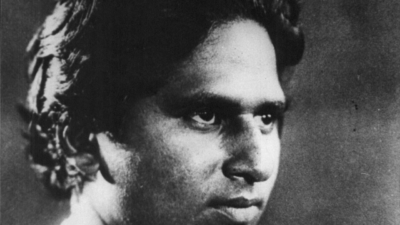
Margin Notesहमीदा बानू (1928–2006) लाहौर में जन्मी थीं और उनकी सिफ़ारिश सी. रामचंद्र से ख़ुद भगवान दादा ने की थी; इस फ़िल्म के सात दर्ज गीतों में से चार वे गाती हैं। 1956 में वे पाकिस्तान चली गईं और शेष कैरियर रेडियो लाहौर तथा पीटीवी पर बिताया।
अंग्रेज़ी में पढ़ें · Read in English
Hamida Banu (1928–2006) was born in Lahore and had been recommended to C. Ramchandra by Bhagwan Dada himself; she sings four of the seven documented songs of this film, and emigrated to Pakistan in 1956, spending the rest of her career at Radio Lahore and on PTV.
'नग़मा-ए-सहरा' का प्रीमियर 22 दिसंबर 1945 को बंबई में हुआ, उसी रात 'अलबेली' के साथ; बाबूराव पटेल ने मार्च 1946 के 'फ़िल्मइंडिया' में इसकी समीक्षा 'सॉन्ग ऑफ़ डेज़र्ट — एक मामूली प्रस्तुति' शीर्षक से की।
अंग्रेज़ी में पढ़ें · Read in English
Nagma-e-Sahra premiered in Bombay on 22 December 1945, sharing its opening night with Albeli; Baburao Patel reviewed it in filmindia in March 1946 under the heading 'Song Of Desert — A Modest Presentation'.
नमूना-पट्टी
The Specimen Table| शीर्षक | बिछड़ी हुई बहार (बहार है बहार) · Bichhdi Hui Bahaar (Bahaar Hai Bahaar) |
|---|---|
| फ़िल्म | नग़मा-ए-सहरा · 1945 |
| वर्ष · युग | 1945 |
| गायक | Hamida Banu |
| गीतकार | Ehsan Rizvi |
| संगीतकार | C. Ramchandra |
| स्वरूप | एकल महिला |
| भाषा | hindi |
| भाव | मीठा-कड़वा · उदास · पुरानी यादें |
| लोकप्रियता | Obscure |
| बोल-स्थिति | केवल झलक |
जुड़े हुए पन्ने
Connected Plates · The Graph Made Visibleअटलस में कोई पन्ना अकेला नहीं — इस गीत से जुड़े गीत, कलाकार, फ़िल्म, राग-ताल-विधा, सब यहाँ से खुलते हैं।
मिलते-जुलते गीत · Related Songs
कलाकार · The Artists
फ़िल्म · The Film
साझा कीजिए · Share this Plate