गीत विंग · गीत-पट्टिका · Song Plate
बिच्छू काट गयो
Bichhoo Kaat Gayo
'बिच्छू काट गयो' — 'आरती' (1945) का लोक-मुहावरे वाला गीत, जो उत्तर भारत के सबसे पुराने रूपक से इच्छा के डंक को कहता है।
भावतीव्र · चुलबुला
भाषाhindi
श्रेय
The Creditsसूत्र-वाक्य · The Hook
सूत्र-वाक्य
'बिच्छू काट गयो' — 'आरती' (1945) का लोक-मुहावरे वाला गीत, जो उत्तर भारत के सबसे पुराने रूपक से इच्छा के डंक को कहता है।
In English'The scorpion has bitten' — the folk-idiom number in Aarti (1945), using north India's oldest metaphor for the sting of desire.
पट्टिका-लेख
The Monographपरिचय Overview
हिंदीगीतमाला में 'बिचु काट गयो' और माईस्वर में 'बिच्छू काट गयो' के रूप में दर्ज यह गीत 'आरती' (1945) के उन पाँच गीतों में से एक है जिनके लिए कोई गायक दर्ज नहीं है। संगीत का श्रेय, पूरे संकलन की तरह, संयुक्त रूप से अशोक घोष और अली बख़्श को है, और फ़िल्म का कोई गीतकार दर्ज नहीं। शीर्षक उत्तर भारतीय लोकगीत का एक बँधा हुआ मुहावरा है: बिच्छू का डंक उस अचानक, अनिच्छित, देह में महसूस होने वाली चाह का स्थायी रूपक है, जो फ़िल्मों के उधार लेने से बहुत पहले रसिया, लावणी और गाँव के गीतों में बरता जाता रहा। संकलन में इसकी उपस्थिति उस लोक-हास्य मिज़ाज को चिह्नित करती है जिसे 1940 के दशक की कोई भी 'सोशल' फ़िल्म अपने प्रेम और सुधारवादी गीतों के सामने रखती थी।
अंग्रेज़ी में पढ़ें · Read in English
Catalogued in HindiGeetMala as 'Bichu Kaat Gayo' and in MySwar as 'Bicchoo Kaat Gayo', this is one of the five songs of Aarti (1945) for which no singer is recorded. Music is credited jointly to Ashok Ghosh and Ali Baksh, as on the whole score, and no lyricist is recorded for the film. The title is a set phrase from north Indian folk song: the scorpion's bite is the standing figure for a sudden, involuntary, physically felt desire, used across rasiya, lavani and village song long before films borrowed it. Its presence in the score marks the folk-comic register a 1940s 'social' would typically place against its romantic and reformist numbers.
संगीत The Music
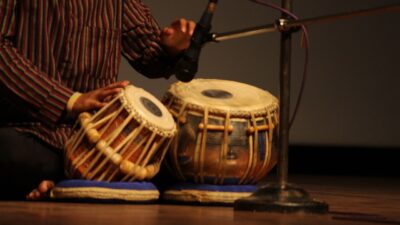
कोई रिकॉर्डिंग प्रचलन में नहीं है और गीत का कोई समकालीन विवरण नहीं बचा, इसलिए इसकी धुन, लय और सज्जा यहाँ दर्ज नहीं की गई। जो कहा जा सकता है वह श्रेय है — अशोक घोष के साथ अली बख़्श, दसों गीतों पर अविभाजित — और उस दौर की सामान्य प्रथा: 'बिच्छू काट गयो' जैसी रचना को परंपरागत रूप से ढोलक पर नृत्य-सुलभ लोक-ताल में बाँधा जाता था, न कि उस धीमे, हारमोनियम-और-तार वाले बरताव में जो फ़िल्म के उर्दू गीतों को मिलता था। यह प्रथा के बारे में कथन है, इस रिकॉर्डिंग के बारे में नहीं, जिसे दशकों से कोई सुन नहीं पाया।
अंग्रेज़ी में पढ़ें · Read in English
No recording circulates and no contemporary description of the number survives, so its tune, rhythm and scoring are not recorded here. What can be stated is the credit — Ashok Ghosh with Ali Baksh, undivided across all ten songs — and the general practice of the period: a bichhoo-kaat-gayo lyric would conventionally be set to a dance-adjacent folk rhythm on dholak rather than to the slower, harmonium-and-strings treatment given to the film's Urdu numbers. That is a statement about the convention, not about this recording, which nobody has been able to hear for decades.
काव्य The Poetry
बिच्छू का बिंब इसलिए काम करता है क्योंकि वह कर्तापन हटा देता है। जिसे डंक लगा हो उस पर यह आरोप नहीं लगता कि उसने कुछ चाहा; डंक उसके साथ हुआ, और उसके बाद की तड़प अनिच्छित है, इसलिए उसे दिखाना जायज़ हो जाता है। हिंदी पट्टी के लोकगायक इसी छूट के लिए इस बिंब को बरतते हैं, और 1940 के दशक के फ़िल्मी गीतकारों ने इसी कारण इसे आयात किया — इससे देह की चाह का गीत सेंसर और घरेलू दर्शक दोनों के आगे से निकल जाता था। 'गया' की जगह 'गयो' पंक्ति को खड़ी बोली के बजाय ब्रज में रखता है, जो इस संकलन के दो अन्य ग्रामीण-मिज़ाज शीर्षकों से मेल खाता है। रचना ने इस बिंब के साथ क्या किया, यह अज्ञात है: फ़िल्म का गीतकार दर्ज नहीं है और कोई रिकॉर्डिंग नहीं बची।
अंग्रेज़ी में पढ़ें · Read in English
The scorpion image works because it removes agency. A person who has been stung is not accused of wanting anything; the sting happened to them, and the writhing that follows is involuntary and therefore permissible to depict. Folk singers across the Hindi belt use it precisely for that licence, and film lyricists of the 1940s imported it for the same reason — it allowed a song about physical desire past both the censor and the domestic audience. The word 'gayo' in place of 'gaya' keeps the line in Braj rather than Khari Boli, which is consistent with the two other rural-register titles in this score. What the verse did with the figure is unknown: the film's lyricist is unrecorded and no recording survives.
कहानी The Story
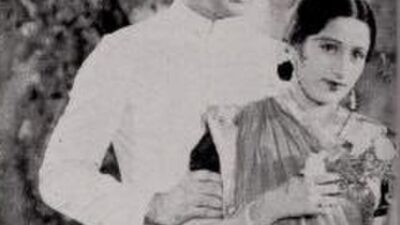
'आरती' का निर्देशन स्क्रीन अट्रैक्शंस कॉर्पोरेशन के लिए रामचंद्र ठाकुर ने किया और विकिपीडिया की 1945 की सूची इसे 'सोशल' श्रेणी में रखती है। इसके दस गीत दो धाराओं में बँटते हैं: गायक-नायक सुरेंद्र और वनमाला द्वारा उठाई गई उर्दू प्रेम-धारा, और एक ग्रामीण-मिज़ाज धारा — यह गीत, 'भा गए मन नैन तिहारे' और 'गुइयाँ सयास हाँ' — जिन पर कोई गायक दर्ज ही नहीं है। यह विभाजन इस रूप की विशेषता है: सितारा-जोड़ी को ग़ज़ल-नुमा गीत और लेबल पर श्रेय मिलता था, जबकि लोक और हास्य गीत बिना श्रेय या सहायक आवाज़ों को जाते थे और कम दस्तावेज़ी निशान छोड़ते थे।
अंग्रेज़ी में पढ़ें · Read in English
Aarti was directed for Screen Attractions Corporation by Ramchandra Thakur and filed by Wikipedia's 1945 list under 'Social'. Its ten songs divide into an Urdu romantic strand carried by the singing leads Surendra and Vanmala, and a rural-register strand — this song, 'Bha Gaye Mann Nain Tihare' and 'Guiyaan Sayaas Haan' — on which no singer is recorded at all. That division is typical of the form: the star pair got the ghazal-adjacent numbers and the label credit, while the folk and comic songs went to uncredited or supporting voices and left less documentary trace.
विरासत The Legacy
रिकॉर्डिंग का कुछ भी प्रचलन में नहीं बचा, और यह गीत 1945 के फ़िल्म-संगीत के किसी विवरण में नहीं आता। इसका दस्तावेज़ी उपयोग एक प्रवृत्ति के उदाहरण के रूप में है: 1940 के दशक भर, छोटी फ़िल्मों के लोक-मिज़ाज गीत सबसे पहले खोते हैं, क्योंकि वे कम ही सितारा-श्रेय के साथ दबते थे और कम ही दोबारा जारी होते थे। 'आरती' के सुरेंद्र और वनमाला वाले उर्दू गीत भी आज उतने ही अनुपलब्ध हैं, जो इस फ़िल्म को उस हानि का असामान्य रूप से पूर्ण उदाहरण बना देता है, आंशिक नहीं।
अंग्रेज़ी में पढ़ें · Read in English
Nothing of the recording survives in circulation, and the song appears in no account of 1945 film music. Its documentary use is as an instance of a pattern: across the 1940s, the folk-register songs of minor films are the first to be lost, because they were rarely pressed with star billing and rarely reissued. Aarti's Urdu numbers by Surendra and Vanmala are equally unavailable today, which makes this film an unusually complete example of the loss rather than a partial one.
वर्गीकरण
ClassificationGenre
अन्य विवरण
More Details- https://www.hindigeetmala.net/movie/aarti_1945.htm
- https://myswar.co/album/aarti-1945
- https://en.wikipedia.org/wiki/List_of_Hindi_films_of_1945
- https://en.wikipedia.org/wiki/Surendra_(actor)
References
रोचक तथ्य
Margin Notesकोशों में शीर्षक तीन अलग-अलग तरह से लिखा मिलता है — हिंदीगीतमाला पर 'बिचु काट गयो' और माईस्वर पर 'बिच्छू काट गयो' — यह उस आम लक्षण का उदाहरण है जब एक ही हिंदी फ़िल्म गीत कोश की सूचियों को अलग-अलग हाथों ने प्रतिलिपिबद्ध किया हो।
अंग्रेज़ी में पढ़ें · Read in English
The title is spelled three different ways across the catalogues — 'Bichu Kaat Gayo' on HindiGeetMala and 'Bicchoo Kaat Gayo' on MySwar — a common symptom of song indexes transcribed by different hands from the same Hindi Film Geet Kosh listings.
नमूना-पट्टी
The Specimen Table| शीर्षक | बिच्छू काट गयो · Bichhoo Kaat Gayo |
|---|---|
| फ़िल्म | आरती · 1945 |
| वर्ष · युग | 1945 |
| संगीतकार | Ashok Ghosh, अली बख़्श |
| भाषा | hindi |
| भाव | तीव्र · चुलबुला |
| लोकप्रियता | Obscure |
| बोल-स्थिति | केवल झलक |
जुड़े हुए पन्ने
Connected Plates · The Graph Made Visibleअटलस में कोई पन्ना अकेला नहीं — इस गीत से जुड़े गीत, कलाकार, फ़िल्म, राग-ताल-विधा, सब यहाँ से खुलते हैं।
कलाकार · The Artists
फ़िल्म · The Film
साझा कीजिए · Share this Plate