गीत विंग · गीत-पट्टिका · Song Plate
आना क्या है एक बहाना जाने का
Aana Kya Hai Ek Bahana Jane Ka
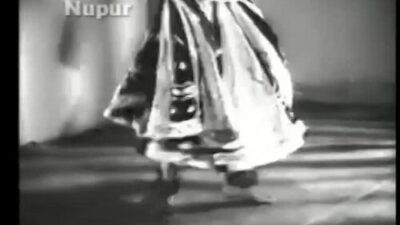
आना तो बस जाने का एक बहाना है — 'बड़ी माँ' का इकलौता गीत जो मीनाक्षी को मिला, और इकलौता जो फ़िल्म का असली विषय सीधे कह देता है।
भावमीठा-कड़वा · उदास · दार्शनिक
भाषाurdu-hindi गतिमध्यम स्वरूपएकल महिला
श्रेय
The Creditsसूत्र-वाक्य · The Hook
सूत्र-वाक्य
आना तो बस जाने का एक बहाना है — 'बड़ी माँ' का इकलौता गीत जो मीनाक्षी को मिला, और इकलौता जो फ़िल्म का असली विषय सीधे कह देता है।
In EnglishArriving is only an excuse for leaving — the one song in Badi Maa given to Meenaxi, and the only one that states the film's real subject.
पट्टिका-लेख
The Monographपरिचय Overview
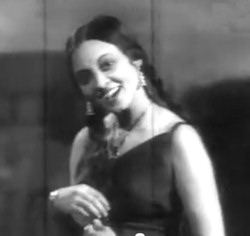
'बड़ी माँ' (1945) में मीनाक्षी का गाया इकलौता एकल गीत, जो फ़िल्म में उषा की भूमिका में हैं — दिनेश की बहन, वही पात्र जिसे फ़िल्म आख़िर में मार देती है। बोल ज़िया सरहदी के, संगीत के. दत्त का। शीर्षक कोई भावना नहीं, एक प्रस्ताव रखता है: आना जाने के बहाने के सिवा कुछ नहीं। जिस फ़िल्म की कथा लंदन से लौटने, ग़द्दारी की ओर चले जाने और दुश्मन की गोली से मरने पर घूमती है, उसमें यह रोमानी कल्पना कम और सार-संक्षेप ज़्यादा है।
अंग्रेज़ी में पढ़ें · Read in English
The only solo in Badi Maa (1945) sung by Meenaxi, who plays Usha — Dinesh's sister, and the character the film eventually kills. Zia Sarhadi wrote the words and K. Datta the music. The title states a proposition rather than a feeling: coming is nothing but a pretext for going. In a film whose plot turns on a return from London, a departure into treason and a death under enemy fire, that is less a romantic conceit than a summary.
संगीत The Music
'बड़ी माँ' के दस गीत गायकों के हिसाब से बँटे हैं — चार नूर जहाँ को, तीन बाल-गायिका बेबी अलका को, दो लता मंगेशकर को, और एक मीनाक्षी को — और यही वह अकेला गीत है जो एक अलग गायन-पृष्ठभूमि वाली कलाकार को मिला। मीनाक्षी शिरोडकर बचपन से भारतीय शास्त्रीय संगीत में प्रशिक्षित थीं और मास्टर विनायक की 'ब्रह्मचारी' (1938) से ही परदे पर अपने गीत ख़ुद गाती आई थीं, इसलिए 1945 की विनायक-फ़िल्म उनके लिए डबिंग नहीं, उन्हीं की आवाज़ पर गीत रचती। इससे आगे इस विशेष रिकॉर्डिंग की साज-सज्जा का ब्यौरा उपलब्ध स्रोतों में दर्ज नहीं है, इसलिए यहाँ उसका वर्णन नहीं किया गया।
अंग्रेज़ी में पढ़ें · Read in English
Badi Maa's ten songs are apportioned by singer — four to Noor Jehan, three to the child singer Baby Alka, two to Lata Mangeshkar, one to Meenaxi — and this is the outlier, a single number handed to a performer with a distinctive singing background. Meenakshi Shirodkar had been trained in Indian classical music from childhood and had sung her own songs on screen since Master Vinayak's Brahmachari (1938), so a 1945 Vinayak production would have written for her voice rather than dubbing her. Beyond that, the arrangement of this particular recording is not documented in the sources consulted and is not described here.
काव्य The Poetry
'बहाना' उर्दू फ़िल्मी शायरी के भार उठाने वाले शब्दों में है — आमतौर पर प्रेमी इसी से प्रिय पर आरोप लगाता है कि वह वजहें गढ़ रहा है। ज़िया सरहदी इसे ठंडा और ज़्यादा व्यापक बना देते हैं: 'तुमने बहाना बनाया' नहीं, बल्कि 'आना ख़ुद वह बहाना है जिसकी ज़रूरत जाने को होती है'। इस तरह पढ़ें तो पंक्ति किसी एक बेवफ़ा व्यक्ति की नहीं रह जाती, किसी से भी मिलने के बारे में एक कथन बन जाती है — जो 1945 के पारिवारिक नाटक में एक युवा स्त्री के मुँह में रखने के लिए ख़ासा भावुकता-रहित वाक्य है। सरहदी की लेखकीय प्रतिष्ठा ठीक इसी पर टिकी है: वहाँ सामाजिक निगाह, जहाँ विधा सजावट की उम्मीद करती थी।
अंग्रेज़ी में पढ़ें · Read in English
'Bahana' — pretext — is one of the load-bearing words of Urdu film verse, usually deployed by a lover to accuse a beloved of manufacturing reasons. Zia Sarhadi turns it into something colder and more general: not 'you made an excuse', but 'arrival is itself the excuse that departure needs'. Read that way the line stops being about one faithless person and becomes a statement about meeting anyone at all, which is a distinctly unsentimental thing to put in the mouth of a young woman in a 1945 family drama. Sarhadi's reputation as a writer rests on exactly this — social observation where the genre expected decoration.
कहानी The Story
मीनाक्षी उषा की भूमिका में हैं — नायक दिनेश की बहन और दुर्गादास की बेटी, जिनकी जायदाद साहूकार घनश्याम ने ज़ब्त करा दी है। फ़िल्म की आख़िरी लड़ाई में वे दुश्मन की गोली से मारी जाती हैं — उन दो मौतों में से एक जिनसे कथा अपनी जीत की क़ीमत चुकाती है। मास्टर विनायक ने अपना बहुत सारा करियर मीनाक्षी शिरोडकर पर खड़ा किया था — उनकी 'ब्रह्मचारी' (1938) आंशिक रूप से मीनाक्षी के स्विमिंग-कॉस्ट्यूम वाले गीत के विवाद से मील का पत्थर बनी — और 'बड़ी माँ' उस साझेदारी के आख़िरी दौर की है, जहाँ मुख्य श्रेय अब नूर जहाँ को जाता है।
अंग्रेज़ी में पढ़ें · Read in English
Meenaxi plays Usha, sister of the protagonist Dinesh and daughter of Durgadas, the villager whose property the moneylender Ghanshyam has confiscated. She is killed by enemy fire in the film's final battle, one of the two deaths the plot uses to pay for its victory. Master Vinayak had built much of his career on Meenakshi Shirodkar — his Brahmachari (1938) became a landmark partly through the scandal of her swimming-costume song — and Badi Maa is late in that working relationship, with the star billing now going to Noor Jehan.
विरासत The Legacy
फ़िल्म के सबसे कम प्रलेखित गीतों में यह एक है — उपलब्ध स्रोतों में न राग मिलता है, न ताल, न अवधि, न कैटलॉग नंबर — और यह नूर जहाँ के चार गीतों के मुक़ाबले कहीं कम प्रचलित है। इसकी दिलचस्पी इस बात में है कि यह क्या दर्ज करता है: 1930 के दशक के उत्तरार्ध की एक अग्रणी मराठी-हिंदी अभिनेत्री 1945 में भी अपना पार्श्वगायन ख़ुद कर रही है — वह चलन जिसे समर्पित पार्श्वगायिका के उदय ने कुछ ही वर्षों में ख़त्म कर देना था। जब तक इसी कास्ट में मौजूद लता मंगेशकर अपने शिखर पर पहुँचीं, अभिनेत्रियों का अपने लिए गाना अपवाद बन चुका था।
अंग्रेज़ी में पढ़ें · Read in English
This is among the least documented songs in the film — no raag, taal, duration or catalogue number surfaces in the accessible sources, and it circulates far less than Noor Jehan's four. Its interest is in what it records: a leading Marathi-Hindi actress of the late 1930s still singing her own playback in 1945, a practice that the rise of the dedicated playback singer would end within a few years. By the time Lata Mangeshkar — also in this cast — reached her peak, actresses singing for themselves had become the exception.
वर्गीकरण
Classification- Tempo
- Medium
Genre
अन्य विवरण
More Details- https://en.wikipedia.org/wiki/Badi_Maa
- https://www.hindigeetmala.net/song/aana_kya_hai_ek_bahana_jane_ka.htm
- https://www.hindigeetmala.net/movie/badi_maa_1945.htm
- https://en.wikipedia.org/wiki/Master_Vinayak
References
रोचक तथ्य
Margin Notesमीनाक्षी शिरोडकर का जन्म 1916 में रतन पेडणेकर के रूप में हुआ था; जब मास्टर विनायक ने उन्हें 'ब्रह्मचारी' (1938) में लिया तो लेखक प्र. के. अत्रे ने उनकी आँखों की वजह से उनका नाम 'मीनाक्षी' रख दिया।
अंग्रेज़ी में पढ़ें · Read in English
Meenakshi Shirodkar was born Ratan Pednekar in 1916 and was renamed 'Meenakshi' by the writer P. K. Atre for her striking eyes when Master Vinayak cast her in Brahmachari (1938).
'बड़ी माँ' में यही अकेला गीत है जिसका श्रेय केवल मीनाक्षी को है; विकिपीडिया उन्हें शीर्षक गीत 'तुम हो माँ बड़ी माँ' में लता मंगेशकर के साथ दूसरी आवाज़ के रूप में भी दर्ज करता है।
अंग्रेज़ी में पढ़ें · Read in English
This is the only song in Badi Maa credited to Meenaxi alone; Wikipedia also lists her as a second voice on the title song 'Tum Ho Maa Badi Maa' with Lata Mangeshkar.
नमूना-पट्टी
The Specimen Table| शीर्षक | आना क्या है एक बहाना जाने का · Aana Kya Hai Ek Bahana Jane Ka |
|---|---|
| फ़िल्म | बड़ी माँ · 1945 |
| वर्ष · युग | 1945 — Pre-Independence (1931-1947) |
| गायक | Meenakshi Shirodkar |
| गीतकार | Zia Sarhadi |
| संगीतकार | के. दत्त (दत्ता कोरगांवकर) |
| स्वरूप | एकल महिला |
| गति | मध्यम |
| भाषा | urdu-hindi |
| भाव | मीठा-कड़वा · उदास · दार्शनिक |
| लोकप्रियता | Obscure |
| बोल-स्थिति | केवल झलक |
जुड़े हुए पन्ने
Connected Plates · The Graph Made Visibleअटलस में कोई पन्ना अकेला नहीं — इस गीत से जुड़े गीत, कलाकार, फ़िल्म, राग-ताल-विधा, सब यहाँ से खुलते हैं।
मिलते-जुलते गीत · Related Songs
कलाकार · The Artists
फ़िल्म · The Film
साझा कीजिए · Share this Plate