सिनेमा विंग · फ़िल्म-पट्टिका · Film Plate
पिया मिलन
Piya Milan
शैलीSocial · Romance · Drama
भाषाhindi प्रकारकथा-चित्र (फ़ीचर)
गीत11 — नीचे पूरी संगीत-सूची
कथा-सार
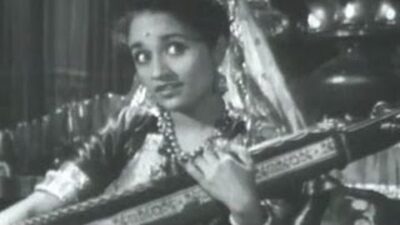
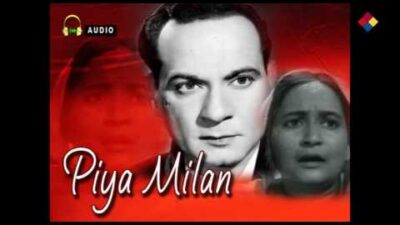
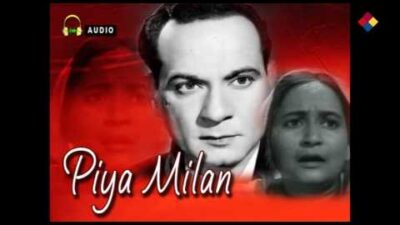
Synopsis'पिया मिलन' जे. बी. एच. वाडिया की वाडिया मूवीटोन द्वारा निर्मित और एस. एम. यूसुफ़ द्वारा निर्देशित एक हिंदी सामाजिक प्रेमकथा है, जिसमें स्थापित सितारे मोतीलाल के साथ अठारह वर्षीय गायिका-अभिनेत्री निर्मला देवी नायिका के रूप में आईं — मोतीलाल के सामने उनकी इकलौती नायिका-भूमिका। शीर्षक ही — 'पिया मिलन' — उस कथा-रूप की घोषणा करता है जिसका उल्लेख 1945 की फ़िल्म-पत्रिकाओं में मिलता है: एक परंपरागत घर की युवती को प्रेम मिलता है, परिस्थिति उसे उससे अलग कर देती है, और फिर उसकी निष्ठा की परीक्षा होती है। इससे आगे फ़िल्म का विस्तृत कथासार किसी सुलभ अभिलेख में सुरक्षित नहीं है, और यह प्रविष्टि जान-बूझकर वहीं रुकती है जहाँ प्रमाण रुकते हैं। जो पूरा बचा है वह है फ़िल्म का ग्यारह गीतों का रिकॉर्ड-संग्रह, और उस पर कथा की छाप असामान्य रूप से स्पष्ट है: निर्मला देवी के विरह-ग़ज़लों के साथ-साथ ज़ोहराबाई अम्बालेवाली के लिए एक रक्षाबंधन गीत है, जो भाई-बहन के एक सूत्र की ओर संकेत करता है, और देश की नारियों को सीधा संबोधन करता एक गीत है, जो एक घरेलू प्रेमकथा में असामान्य सुधारवादी या देशभक्तिपूर्ण स्वर की ओर इशारा करता है। 1942 में अपना स्टूडियो बेच देने के बाद वाडिया बैनर ने जिन सामाजिक विषयों की ओर रुख़ किया, यह फ़िल्म उन्हीं में से थी — फ़ियरलेस नाडिया के स्टंट-तमाशों पर खड़ी हुई कंपनी के लिए यह पहचान का बड़ा बदलाव था।
अंग्रेज़ी में पढ़ें · Read in English
Piya Milan is a Hindi social romance produced by J. B. H. Wadia's Wadia Movietone and directed by S. M. Yusuf, pairing the established star Motilal with the eighteen-year-old singer-actress Nirmala Devi as his leading lady. The title — 'union with the beloved' — announces the shape of the story the industry press of 1945 described: a young woman in a conventional household who finds love, is separated from it by circumstance, and whose constancy is then tested. Beyond that outline no detailed plot summary of the film survives in accessible archives, and this entry deliberately stops where the documentation stops. What does survive in full is the film's eleven-song record catalogue, and it carries an unusually clear imprint of the narrative: alongside the ghazals of separation sung by Nirmala Devi there is a Raksha Bandhan song for Zohrabai Ambalewali, implying a brother-and-sister strand, and a direct address to the women of the country, implying a reformist or patriotic register unusual in a domestic romance. The film was among the socially themed pictures the Wadia banner turned to after selling its studio premises in 1942 — a marked change of identity for a company built on Fearless Nadia stunt spectaculars.
संगीत-सूची
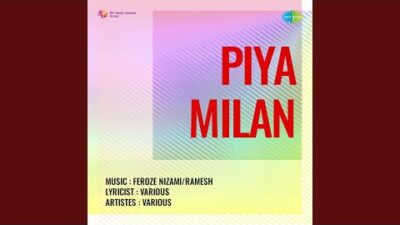
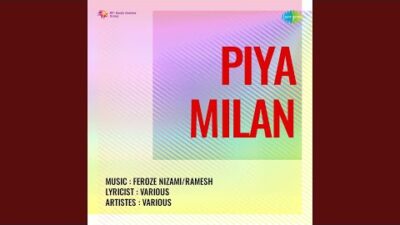
The Soundtrackग्यारह गीत, सभी फ़िरोज़ निज़ामी के संगीत में। जिन स्रोतों तक पहुँच हुई, उनमें केवल मायस्वार का एलबम-पृष्ठ फ़िल्म का रिकॉर्ड लेबल बताता है — कोलंबिया रिकॉर्ड्स; हिंदीगीतमाला और विकिपीडिया की सूची कोई लेबल नहीं देतीं, इसलिए यह श्रेय अकेले मायस्वार पर टिका है। एलबम को चार गीतकार साझा करते हैं: तनवीर नक़वी (चार गीत), एम. नसीम (चार), सरस्वती कुमार दीपक (एक) और मुंशी शाम जिलानी (एक); रक्षाबंधन वाले गीत का गीतकार किसी भी बचे हुए सूचीपत्र में दर्ज नहीं है, इसलिए यहाँ अनुमान लगाने के बजाय उसे बिना श्रेय के छोड़ा गया है। निर्मला देवी पाँच गीत गाती हैं, ज़ोहराबाई अम्बालेवाली तीन, तथा राजकुमारी, कृष्णा कुमारी गांगुली और अभिनेता मिर्ज़ा मुशर्रफ़ एक-एक। किसी एक गीत की कोई समकालीन समीक्षा नहीं मिली; श्रोता-स्मृति का इकलौता बचा संकेत हिंदीगीतमाला की अंक-गणना है, जहाँ 'गा गा रे मनवा गा' और 'किसने दिया है हमको सहारा' ही दो ऐसे गीत हैं जिन पर एक से अधिक मत दर्ज हैं। मायस्वार ग्यारह में से केवल दो गीतों को विधा-नाम देता है — 'किसने दिया है हमको सहारा' को ग़ज़ल और 'गा गा रे मनवा गा' को फ़िल्मी; हिंदीगीतमाला किसी को नहीं देता, और बाक़ी किसी गीत का कोई विधा-नाम कहीं दर्ज नहीं, इसलिए आगे कोई दावा नहीं किया गया।
अंग्रेज़ी में पढ़ें · Read in English
Eleven songs, all composed by Feroze Nizami. MySwar's album page is the one source consulted that names a record label for the film, giving it as Columbia Records; hindigeetmala and the Wikipedia listing name none, so the attribution rests on MySwar alone. Four lyricists share the album: Tanveer Naqvi (four songs), M. Naseem (four), Saraswati Kumar Deepak (one) and Munshi Sham Jilani (one); the Raksha Bandhan number carries no documented lyricist in any surviving catalogue and is left uncredited here rather than guessed at. Nirmala Devi carries five songs, Zohrabai Ambalewali three, and Rajkumari, Krishna Kumari Ganguli and the actor Mirza Musharraf one each. No contemporary review of any individual track has been traced; the only listener signal that survives is hindigeetmala's rating count, where 'Gaa Gaa Re Manwa Gaa' and 'Kisne Diya Hai Humko Sahara' are the sole tracks with more than a single vote. MySwar assigns a form label to only two of the eleven — it calls 'Kisne Diya Hai Humko Sahara' a ghazal and 'Gaa Gaa Re Manwa Gaa' filmi; hindigeetmala assigns none, and no other track is labelled anywhere, so nothing further is asserted.
- गा गा रे मनवा गा Gaa Gaa Re Manwa Gaa स्वर: Nirmala Devi
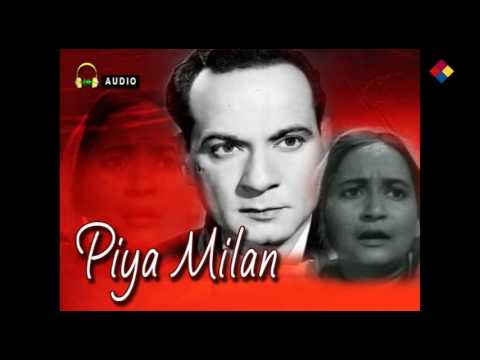
- किसने दिया है हमको सहारा Kisne Diya Hai Humko Sahara स्वर: Nirmala Devi
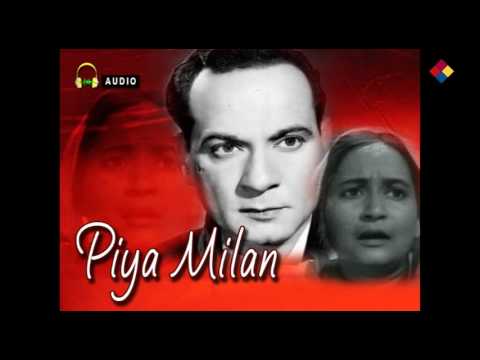
- रो रहा है आज कोई Ro Raha Hai Aaj Koi स्वर: Nirmala Devi

- मोहब्बत के नग़्मे सुना दो Mohabbat Ke Naghme Suna Do स्वर: Nirmala Devi

- आई बसंत रानी Aayi Basant Rani स्वर: Nirmala Devi
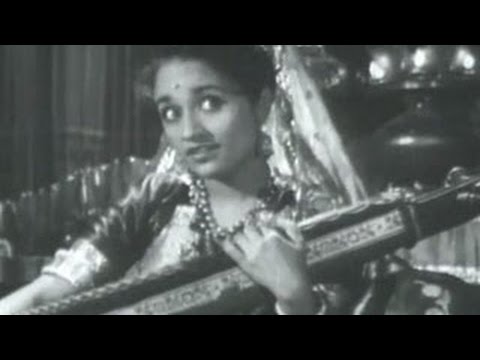
- आए दिन पिया मिलन के Aaye Din Piya Milan Ke स्वर: Zohrabai Ambalewali
- जाग उठो नारियो Jaag Utho Naariyo स्वर: Zohrabai Ambalewali
- राखी का दिन आया भैया Rakhi Ka Din Aaya Bhaiyya स्वर: Zohrabai Ambalewali
- लो डूब गया ख़ुर्शीद Lo Dub Gaya Khursheed स्वर: Rajkumari
- जाते हो तो जाओ Jaate Ho Toh Jaao स्वर: कृष्णा कुमारी गांगुली
- गोपी ओ मेरे अज़ीज़ गोद देखा करो Gopi O Mere Aziz God Dekha Karo स्वर: मिर्ज़ा मुशर्रफ़
पट्टिका-लेख
The Monographपर्दे के पीछे Behind the Scenes
फ़िरोज़ निज़ामी बंबई रंगमंच या स्टूडियो से नहीं, रेडियो से आए थे: उन्होंने लाहौर और बाद में दिल्ली तथा लखनऊ के आकाशवाणी केंद्रों में गाया, जहाँ उनके मित्र-मंडल में सआदत हसन मंटो और कृष्ण चंदर जैसे लेखक थे, और इन्हीं साहित्यिक संपर्कों ने उन्हें 1943 से फ़िल्मों तक पहुँचाया। निर्मला देवी का चयन उसी तर्क से हुआ जो 1940 के दशक की अधिकतर नायिकाओं पर लागू होता था — वे पहले प्रशिक्षित गायिका थीं, पटियाला घराने के उस्ताद अता मोहम्मद ख़ान की शिष्या, और परदे पर अपने गीत ख़ुद गाती थीं, किसी और की आवाज़ नहीं लगती थी। एस. एम. यूसुफ़, जो बंबई में जन्मे और पहले शेक्सपियर के नाटकों से जुड़े थे, 1945 तक उन चौदह फ़िल्मों के बीचोंबीच पहुँच चुके थे जो उन्होंने ब्रिटिश भारत में निर्देशित कीं; 1950 के दशक में उन्होंने भारत में छह फ़िल्में और बनाईं और उसके बाद पाकिस्तान चले गए, और 'पिया मिलन' का परिवार-और-त्याग वाला स्वर वही है जिस पर उन्होंने आगे चलकर अपना पाकिस्तानी करियर खड़ा किया।
अंग्रेज़ी में पढ़ें · Read in English
Feroze Nizami came to Bombay not from the theatre or the studio floor but from the radio: he sang for All India Radio at Lahore and later at Delhi and Lucknow, where his circle included the writers Saadat Hasan Manto and Krishan Chander, and it was those literary connections that carried him into film work from 1943. Nirmala Devi's casting followed the same logic that governed most 1940s heroine casting — she was a trained vocalist first, a student of Ustad Ata Mohammad Khan of the Patiala gharana, and she sang her own songs on screen rather than being dubbed. S. M. Yusuf, Bombay-born and a former Shakespearean stage hand, was by 1945 midway through the fourteen films he would direct in British India; he made six more in India during the 1950s before moving to Pakistan; the family-and-sacrifice register of Piya Milan is recognisably the register he would later build a Pakistani career on.
महत्व Significance
'पिया मिलन' उन दो में से एक है जिनका संगीत फ़िरोज़ निज़ामी ने 1945 में रचा, और 'जुगनू' (1947) से प्रसिद्धि पाने से पहले की उनकी शैली का यह सबसे स्पष्ट बचा हुआ प्रमाण है। किराना घराने में उस्ताद अब्दुल वाहिद ख़ान से प्रशिक्षित और आकाशवाणी में गायक की नौकरी से फ़िल्मों में आए निज़ामी ने यहाँ वाद्य-सज्जा के लिए नहीं, आवाज़ों के लिए रचना की — पाँच गायक, ग्यारह गीत, और लगभग कोई समूह-गीत नहीं। यह फ़िल्म निर्मला देवी के संक्षिप्त अभिनय-जीवन का इकलौता बड़ा नाट्य-अवसर भी सुरक्षित रखती है: 'फ़िल्मइंडिया' के कुख्यात रूप से कठोर संपादक बाबूराव पटेल ने फ़िल्म को ख़ारिज करते हुए भी उन्हें फ़िल्म की एकमात्र अच्छी कलाकार बताया। हिंदी संगीत के विश्वकोश के लिए यह एलबम 1940 के दशक के मध्य की तीन अलग-अलग स्त्री-गायन परंपराओं के मिलन-बिंदु के रूप में महत्वपूर्ण है — निर्मला देवी की पटियाला-प्रशिक्षित ठुमरी आवाज़, ज़ोहराबाई अम्बालेवाली की भरी-पूरी बंबइया शैली, और राजकुमारी की हल्की, अधिक लोचदार अदायगी — तीनों एक ही शास्त्रीय-शिक्षित संगीतकार द्वारा एक ही फ़िल्म में साधी गईं।
अंग्रेज़ी में पढ़ें · Read in English
Piya Milan is one of only two scores Feroze Nizami composed in 1945, and it is the clearest surviving record of his manner in the years before Jugnu (1947) made him famous. Trained in the Kirana gharana under Ustad Abdul Wahid Khan and drawn into films from a singer's job at All India Radio, Nizami wrote here for voices rather than for orchestration — five singers, eleven songs, and almost no crowd numbers. The film also preserves the one substantial dramatic showcase of Nirmala Devi's brief acting career: Baburao Patel, the notoriously severe editor of filmindia, dismissed the picture but singled her out as the only good performer in it. For a Hindi-music encyclopedia the album matters as a meeting point of three distinct female vocal traditions of the mid-1940s — Nirmala Devi's Patiala-trained thumri voice, Zohrabai Ambalewali's full-throated Bombay style, and Rajkumari's lighter, more inflected delivery — all set by a single classically schooled composer within one film.
विरासत Legacy
'पिया मिलन' का कोई प्रिंट प्रचलन में नहीं है, और फ़िल्म का पूरा परवर्ती जीवन उसके 78-आरपीएम रिकॉर्डों और उन्हें सूचीबद्ध करने वाली प्रविष्टियों पर टिका है। फ़िरोज़ निज़ामी ने इसके बाद 'अमर राज' (1946) किया — फिर वाडिया बैनर के लिए ही — और फिर 'जुगनू' (1947), वह संगीत जिसने उन्हें नाम दिया और मोहम्मद रफ़ी को पहली बड़ी पहचान; इसके बाद विभाजन उन्हें लाहौर ले गया, जहाँ उनका शेष करियर बीता। निर्मला देवी का परदे का काम 1940 के दशक के बाद कम होता गया और 'जय महालक्ष्मी' (1951) पर समाप्त हुआ; वे ठुमरी, दादरा और कजरी के मंच तथा ग्रामोफ़ोन-भंडार की ओर मुड़ गईं, और उस परिवार की ओर जिसमें आगे चलकर अभिनेता गोविंदा शामिल हुए। एस. एम. यूसुफ़ आगे चलकर पाकिस्तानी सिनेमा के सबसे सम्मानित निर्देशकों में गिने गए, जिन्हें सर्वश्रेष्ठ निर्देशन के तीन निगार पुरस्कार मिले। इस तरह 'पिया मिलन' एक ऐसी फ़िल्म के रूप में नहीं बचती जिसे कोई देख सके, बल्कि तीन ऐसे करियरों के एक आरंभिक, अच्छी तरह प्रलेखित पड़ाव के रूप में बचती है जो सब इससे आगे बढ़ गए।
अंग्रेज़ी में पढ़ें · Read in English
No print of Piya Milan is known to circulate, and the film's entire afterlife rests on its 78-rpm discs and on the catalogue entries that list them. Feroze Nizami followed it with Amar Raj (1946) — again for the Wadia banner — and then with Jugnu (1947), the score that made him a name and gave Mohammed Rafi his breakthrough, before Partition took him to Lahore for the rest of his career. Nirmala Devi's screen work thinned after the 1940s and ended with Jai Mahalakshmi (1951); she turned instead to the concert and gramophone repertoire of thumri and ghazal, and to raising a family that later included the actor Govinda. S. M. Yusuf went on to become one of Pakistani cinema's most decorated directors, with three Nigar Awards for Best Direction. Piya Milan survives, then, not as a film anyone can watch but as an early, well-documented waypoint in three careers that all outgrew it.
अन्य विवरण
More Details- https://en.wikipedia.org/wiki/Feroz_Nizami
- https://en.wikipedia.org/wiki/List_of_Hindi_films_of_1945
- https://en.wikipedia.org/wiki/List_of_Hindi_films_of_1946
- https://en.wikipedia.org/wiki/Nirmala_Devi
- https://en.wikipedia.org/wiki/S._M._Yusuf
- https://en.wikipedia.org/wiki/Wadia_Movietone
- https://myswar.co/album/piya-milan-1945
- https://www.bollywoodmdb.com/movies/piya-milan/13164
- https://www.cinemaazi.com/film/piya-milan
- https://www.hindigeetmala.net/movie/piya_milan_1945.htm
- https://www.millenniumpost.in/sundaypost/beacon/a-well-versed-artist--a-well-versed-artist-391070
References
नमूना-पट्टी
The Specimen Table| शीर्षक | पिया मिलन · Piya Milan |
|---|---|
| वर्ष · युग | 1945 — Pre Independence |
| निर्देशक | एस. एम. यूसुफ़ · S. M. Yusuf |
| संगीत-निर्देशक | फ़िरोज़ निज़ामी · Feroze Nizami |
| गीतकार | तनवीर नक़वी · Tanveer Naqvi · एम. नसीम · M. Naseem · मुंशी शाम जिलानी · Munshi Sham Jilani · सरस्वती कुमार दीपक · Saraswati Kumar Deepak |
| कलाकार-मंडली | मोतीलाल · Motilal · निर्मला देवी · Nirmala Devi · नज़्मा · Najma · लीला मिश्रा · Leela Mishra · मिर्ज़ा मुशर्रफ़ · Mirza Musharraf · डब्ल्यू.एम. ख़ान · W.M. Khan · एस. आलम · S. Alam |
| निर्माण-गृह | Wadia Movietone, Bombay |
| शैली | Social · Romance · Drama |
| भाषा | hindi |
| प्रकार | कथा-चित्र (फ़ीचर) |
| गीत | 11 गीत — ऊपर पूरी संगीत-सूची |
जुड़े हुए पन्ने
Connected Plates · The Graph Made Visibleअटलस में कोई पन्ना अकेला नहीं — 'पिया मिलन' से उसके गीत, कलाकार, राग और युग, सब जुड़े हैं।
इस फ़िल्म के गीत · Songs of this Film
कलाकार · Cast & Crew
युग · The Era
साझा कीजिए · Share this Plate