सिनेमा विंग · फ़िल्म-पट्टिका · Film Plate
नल दमयंती
Nal Damyanti
शैलीMythological · Drama · भक्ति
भाषाhindi प्रकारकथा-चित्र (फ़ीचर)
गीत8 — नीचे पूरी संगीत-सूची
कथा-सार
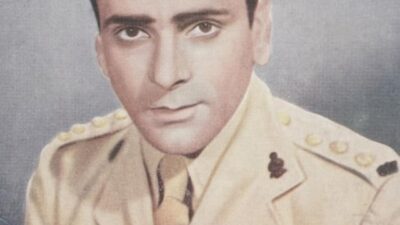
Synopsis'नल दमयंती' महाभारत के वन पर्व में आए नलोपाख्यान को परदे पर लाती है — निषध के राजा नल और विदर्भ की राजकुमारी दमयंती की प्रेमकथा। एक स्वर्ण-हंस दोनों के मिलने से पहले ही एक-दूसरे का संदेश लेकर आता-जाता है; स्वयंवर में दमयंती नल का वरण करती है; और यह सुख तब टूटता है जब नल का भाई पुष्कर उसे द्यूत-क्रीड़ा में उलझाकर उसका राज्य जीत लेता है। वनवास में पति-पत्नी बिछड़ जाते हैं और छद्मवेश, पराए दरबारों की सेवा और लंबी परीक्षा से गुज़रकर ही फिर एक होते हैं तथा राज्य पुनः प्राप्त करते हैं। जनक पिक्चर्स के इस रूपांतर की कथा के. एस. ठाकरे की थी और संवाद फ़नी तथा ग़ाफ़िल के; नल की भूमिका में पृथ्वीराज कपूर और दमयंती की भूमिका में शोभना समर्थ थे, पुष्कर बने त्रिलोक कपूर, नारद बने डेविड अब्राहम और दमयंती की सखी केशिनी बनीं चंद्रिका। जुलाई 1945 की समीक्षा में 'फ़िल्मइंडिया' ने मूल कथा से दो विचलन गिनाए — पुष्कर को नल का सौतेला भाई बनाया गया, और राज्य के बँटवारे की माँग वाले दृश्य को जानबूझकर 'पाकिस्तानी रंग' दिया गया, जो 1945 में विभाजन की माँग का सीधा संकेत था।
अंग्रेज़ी में पढ़ें · Read in English
Nal Damyanti retells the Nalopakhyana, the love story of Nala, king of Nishadha, and Damayanti, princess of Vidarbha, which sits inside the Vana Parva of the Mahabharata. A golden swan carries word of each to the other before they have ever met; Damayanti chooses Nala at her swayamvara; and their happiness is broken when Nala's kinsman Pushkar goads him into a game of dice and wins his kingdom from him. Exiled to the forest, husband and wife are separated and pass through a long ordeal of disguise, service in other courts and endurance before they find each other again and the kingdom is restored. Janak Pictures' version was scripted from a story by K. S. Thackeray with dialogue by Fani and Ghafil, and cast Prithviraj Kapoor as Nala and Shobhana Samarth as Damayanti, with Trilok Kapoor as Pushkar, David Abraham as the sage Narad and Chandrika as Damayanti's maid Keshini. Reviewing the film in July 1945, Filmindia noted two departures from the received text: Pushkar was rewritten as Nala's step-brother, and the scene in which he demands a share of the kingdom was given what the magazine called a deliberate 'Pakistani touch' — an unmistakable 1945 allusion to the demand for partition.
संगीत-सूची
The Soundtrackरामचंद्र पाल — 'कंगन' (1939), 'बंधन' (1940) और 'पुनर्मिलन' (1940) के बॉम्बे टॉकीज़ वाले संगीतकार, जिन्हें उस स्टूडियो के संगीत में पाश्चात्य वाद्यवृंद लाने का श्रेय दिया जाता है — ने 'नल दमयंती' के लिए आठ गीत रचे, जिनके बोल सिर्फ़ 'लक्ष्मण' नाम से श्रेय पाए गीतकार के थे; जुलाई 1945 में 'फ़िल्मइंडिया' ने उन्हें 'इस खेल में बिलकुल नया आदमी' कहा था। हिंदी फ़िल्म गीत कोश से लिए गए वे आठ शीर्षक, जो हिंदीगीतमाला और बॉलीस्वर/माईस्वर पर मिलते हैं, कथा के मोड़ों पर ठीक बैठते हैं: आदि भवानी की आरंभिक स्तुति, स्वर्ण-हंस से जुड़े दो पक्षी-गीत, प्रतीक्षित राजकुमार का गीत, रक्षा की प्रार्थना, प्रेम की जय का गान, प्रिय के चरणों की भक्ति-रचना, और जीवन-धन के छूट जाने का विलाप। 'फ़िल्मइंडिया' के समीक्षक ने संगीत को निर्ममता से ख़ारिज किया था। दोनों में से किसी भी सूची में इन आठों गीतों के गायकों का नाम दर्ज नहीं है — इसलिए यहाँ गायक-सूची जानबूझकर ख़ाली रखी गई है।
अंग्रेज़ी में पढ़ें · Read in English
Ramchandra Pal — the Bombay Talkies composer of Kangan (1939), Bandhan (1940) and Punarmilan (1940), credited with bringing Western orchestration into that studio's scores — wrote eight songs for Nal Damyanti to verses by a lyricist credited simply as Lakshman, whom Filmindia described in July 1945 as 'an utterly new man to the game'. The eight titles preserved in the Hindi Film Geet Kosh listings reproduced by HindiGeetMala and BollySwar/MySwar sit squarely on the legend's turning points: an opening invocation of Adi Bhavani, two bird songs belonging to the golden swan who carries the lovers' messages, a song of a prince awaited, a plea for divine protection, a hymn to the victory of love, a devotional verse at the beloved's feet, and a lament for a life's treasure lost. Filmindia's reviewer was scathing about the result, writing that the score 'had it not been given at all, would have contributed less to the general boredom of the picture'. No playback credits survive for any of the eight songs in either catalogue, and none are asserted here — the singer arrays are deliberately left empty.
- जय हो आदि भवानी तेरी Jai Ho Aadi Bhavani Teri
- पंछी आयो जो इस बार Panchhi Aayo Jo Is Baar
- हंसा आया पिया के द्वार Hansa Aaya Piya Ke Dwar
- मोरे आवेंगे राजकुमार More Aavenge Rajkumar
- लाज धरो हे भगवान Laaj Dharo He Bhagwan
- प्रेम की जय Prem Ki Jai
- प्रिय के चरण कमल की छाया Priya Ke Charan Kamal Ki Chhaaya
- छोड़ गए जीवन धन Chod Gaye Jeevan Dhan
पट्टिका-लेख
The Monographपर्दे के पीछे Behind the Scenes
जनक पिक्चर्स बंबई के निर्माता छोटूभाई देसाई का बैनर था। 'फ़िल्मइंडिया' के जनवरी 1945 के गपशप स्तंभ ने लिखा था कि कुमारसेन समर्थ — जर्मनी में छायांकन पढ़कर लौटे मराठी निर्देशक और शोभना समर्थ के पति — ने 'नल दमयंती' का निर्देशन तब सँभाला जब फ़िल्म आधी बन चुकी थी; पत्रिका ने देसाई की उस 'दूर की उम्मीद' पर भी चुटकी ली कि फ़िल्म मास्को और हॉलीवुड में दिखाई जाएगी। छायांकन पी. दिवेचा का था और ध्वनि-अंकन मीनू कात्रक का। फ़िल्म के निर्माणाधीन रहते ही जमनादास एंड कंपनी ने विश्व-अधिकार ले लिए थे; कथा के. एस. ठाकरे की और संवाद फ़नी तथा ग़ाफ़िल के थे। फ़िल्म 9 जून 1945 को बंबई के न्यू वेस्ट एंड में लगी, और उसी अगस्त में लिबर्टी पिक्चर्स उसी सिनेमा में इसके 'तीसरे महीने' का विज्ञापन दे रहे थे। कथा का स्वर्ण-हंस परदे पर एक भौतिक पुतले के रूप में दिखाया गया था, जिसका 'फ़िल्मइंडिया' के समीक्षक ने मज़ाक़ उड़ाया — उस दौर के स्टूडियो चमत्कार को कितने शाब्दिक ढंग से गढ़ते थे, इसका संकेत।
अंग्रेज़ी में पढ़ें · Read in English
Janak Pictures was the banner of the Bombay producer Chhotubhai Desai. Filmindia's January 1945 gossip column reported that Kumarsen Samarth — a Marathi director who had studied cinematography in Germany, and Shobhana Samarth's husband — had taken over the assignment of Nal Damyanti only after the picture was already half-way through, and needled Desai for a 'distant hope of showing Nal Damayanti in Moscow and Hollywood'. The film was photographed by P. Divecha and recorded by Minoo Katrak. Jamnadas & Co. took world rights while it was still on the floor; the story was by K. S. Thackeray and the dialogue by Fani and Ghafil. It opened at the New West End, Bombay, on 9 June 1945, and Liberty Pictures were still advertising it at the same cinema in its third month that August. The golden swan of the legend was staged as a physical prop, and Filmindia's reviewer mocked it, complaining that the bird looked inert throughout — a reminder of how literally the studios of the period rendered the miraculous.
महत्व Significance
'नल दमयंती' का महत्व उसकी उपलब्धि से कम और 1945 के हिंदी फ़िल्म-उद्योग के बारे में उसकी गवाही से अधिक है। यह नल-दमयंती कथा पर बनी स्टूडियो-युग की आख़िरी पौराणिक फ़िल्मों में से एक है — ठीक उस दौर की, जब पौराणिक फ़िल्म की जगह सामाजिक और मुस्लिम-सामाजिक फ़िल्में ले रही थीं। यही वह फ़िल्म है जिसमें आठ बरस की नूतन पहली बार कैमरे के सामने आईं — उस सेट पर जो उनके माता-पिता दोनों का था, पिता निर्देशक और माँ नायिका — 'हमारी बेटी' (1950) से अपनी औपचारिक शुरुआत के पाँच वर्ष पहले। और यह उस प्रवृत्ति का एक साफ़ उदाहरण है जिसमें पुराण को समकालीन राजनीति के स्वर में ढाल दिया जाता था: 'फ़िल्मइंडिया' के अनुसार नल के राज्य के बँटवारे वाले झगड़े को जानबूझकर विभाजन-काल का रंग दिया गया था।
अंग्रेज़ी में पढ़ें · Read in English
Nal Damyanti matters less for what it achieved than for what it records about the Hindi film industry in 1945. It is one of the last studio-era mythologicals built on the Nala-Damayanti legend, made at the moment when the mythological was being displaced by the social and the Muslim social. It is the film in which an eight-year-old Nutan first stood in front of a camera — on a set that belonged to both her parents, her father directing and her mother playing the title role — five years before her formal debut in Hamari Beti (1950). And it is a small, clear instance of scripture being quietly re-tuned to contemporary politics: the quarrel over the division of Nala's kingdom was written, Filmindia reported, with a topical partition colouring that the magazine disliked precisely because audiences would not miss it.
विरासत Legacy
'फ़िल्मइंडिया' की जुलाई 1945 की समीक्षा उस वर्ष की सबसे तीखी समीक्षाओं में थी — 'हर तरह से ख़राब निर्माण', निर्देशन 'ऊर्जा का पूरी तरह ग़लत इस्तेमाल', संवाद 'जबड़ा तोड़ हिंदी शब्दों' में; और वर्ष के अंत की सूची में फ़िल्म को दो सितारे तथा 'जानलेवा समय-नाशक' का फ़ैसला मिला। बाबूराव पटेल की पत्रिका अपनी निर्ममता के लिए प्रसिद्ध थी, और बंबई का बॉक्स ऑफ़िस उससे कहीं नरम रहा: फ़िल्म न्यू वेस्ट एंड में तीसरे महीने तक चली। समीक्षाओं और दौड़ — दोनों से ज़्यादा टिकाऊ साबित हुई इसकी कलाकार-सूची: एक ही पौराणिक फ़िल्म में पृथ्वीराज कपूर और उनके भाई त्रिलोक कपूर, और उस सेट पर एक बच्ची नूतन, जिसके पिता निर्देशक थे और माँ नायिका — वह उपस्थिति, जिसे जीवनियाँ आज हिंदी सिनेमा के सबसे बड़े अभिनय-करियरों में से एक की पहली पंक्ति मानती हैं। फ़िल्म स्वयं आज मुख्यतः काग़ज़ पर बची है: व्यापारिक विज्ञापन, एक कठोर समीक्षा, और गीत कोश की आठ शीर्षकों वाली सूची।
अंग्रेज़ी में पढ़ें · Read in English
Filmindia's July 1945 notice was among the harshest the magazine printed that year: an 'all-round poor production', the direction 'a complete misdirection of energy', the dialogue written in 'jaw-breaking Hindi words', and the year-end index filed the film at two stars with the summary verdict 'a killing time-killer'. Baburao Patel's magazine was famously merciless, and the Bombay box office was gentler: the picture reached its third month at the New West End. What has outlasted both the reviews and the run is the cast list — Prithviraj Kapoor and his brother Trilok Kapoor in the same mythological, and a child named Nutan on a set run by her father and led by her mother, an appearance that biographies now treat as the first line of one of Hindi cinema's greatest acting careers. The film itself survives mainly as a paper record: trade advertisements, a savage review, and an eight-title song list in the Geet Kosh.
नमूना-पट्टी
The Specimen Table| शीर्षक | नल दमयंती · Nal Damyanti |
|---|---|
| वर्ष · युग | 1945 — Pre Independence |
| निर्देशक | कुमारसेन समर्थ · Kumarsen Samarth |
| संगीत-निर्देशक | रामचंद्र पाल · Ramchandra Pal |
| गीतकार | लक्ष्मण · Lakshman |
| कलाकार-मंडली | पृथ्वीराज कपूर · Prithviraj Kapoor · शोभना समर्थ · Shobhana Samarth · त्रिलोक कपूर · Trilok Kapoor · डेविड अब्राहम · David Abraham · चंद्रिका · Chandrika · एस. बी. नयमपल्ली · S. B. Nayampalli · जिल्लो · Jilloo · भूदो आडवाणी · Bhudo Advani · नूतन · Nutan |
| निर्माण-गृह | Janak Pictures, Bombay |
| शैली | Mythological · Drama · भक्ति |
| भाषा | hindi |
| प्रकार | कथा-चित्र (फ़ीचर) |
| गीत | 8 गीत — ऊपर पूरी संगीत-सूची |
जुड़े हुए पन्ने
Connected Plates · The Graph Made Visibleअटलस में कोई पन्ना अकेला नहीं — 'नल दमयंती' से उसके गीत, कलाकार, राग और युग, सब जुड़े हैं।
इस फ़िल्म के गीत · Songs of this Film
कलाकार · Cast & Crew
युग · The Era
साझा कीजिए · Share this Plate