सिनेमा विंग · फ़िल्म-पट्टिका · Film Plate
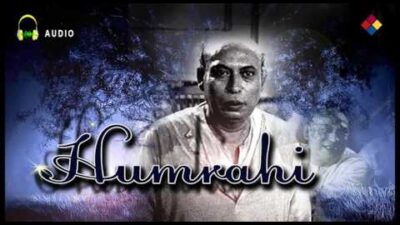
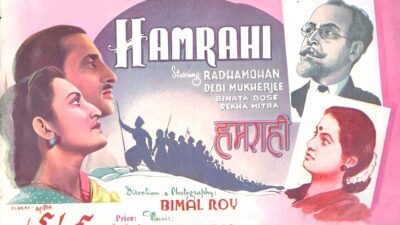
हमराही
Hamrahi
शैलीSocial · Drama · Romance
भाषाhindi प्रकारकथा-चित्र (फ़ीचर)
गीत7 — नीचे पूरी संगीत-सूची
कथा-सार
Synopsisअनूप एक ग़रीब लेकिन आदर्शवादी लेखक है जो कलकत्ता के एक अख़बार दफ़्तर में काम करके गुज़ारा करता है और अपनी माँ तथा बहन सुमित्रा के साथ रहता है। सुमित्रा को उसकी धनी सहेली गोपा के जन्मदिन की दावत में बुलाया जाता है, जहाँ गोपा की भाभी रूपा उस पर चोरी का इल्ज़ाम लगाकर सबके सामने उसका अपमान करती है। गोपा माफ़ी माँगने उनके घर आती है, पर अनूप वह माफ़ी ठुकरा देता है — उसका कहना है कि यह अपमान किसी एक लड़की का नहीं, देश के हर ग़रीब का अपमान था। हालात उन दोनों को बार-बार आमने-सामने लाते हैं: अनूप को गोपा के उद्योगपति भाई राजेंद्र के लिए भाषण लिखने भेजा जाता है, और राजेंद्र आगे चलकर ग़रीबी पर लिखे अनूप के अप्रकाशित उपन्यास की पांडुलिपि चुराकर उसे अपने नाम से छपवा लेता है और उसकी वाहवाही बटोरता है। जब राजेंद्र के कारख़ाने के मज़दूर वेतन और हालात के ख़िलाफ़ हड़ताल पर जाते हैं, अनूप और गोपा उनके साथ खड़े होते हैं, और राजेंद्र ख़रीदे हुए मज़दूरों तथा गुंडों के बल पर हड़ताल तुड़वा देता है। अपने ही वर्ग के पाखंड और घमंड से उकताकर गोपा घर, आराम और नाम — सब पीछे छोड़कर अनूप के साथ एक कठिन मगर सच्चे जीवन की ओर निकल पड़ती है।
अंग्रेज़ी में पढ़ें · Read in English
Anup is a poor, idealistic writer who earns his living at a Calcutta newspaper office and lives with his mother and his sister Sumitra. When Sumitra is invited to the birthday party of her wealthy friend Gopa and is publicly accused of theft and humiliated by Gopa's sister-in-law Roopa, Gopa comes to the family's home to apologise — and Anup refuses the apology, telling her the insult was aimed not at one girl but at every poor person in the country. Circumstance keeps throwing the two together: Anup is sent to ghost-write a speech for Gopa's industrialist brother Rajendra, who then steals the manuscript of Anup's unpublished novel about poverty and issues it under his own name, collecting the critical praise that follows. When the workers in Rajendra's factory strike over pay and conditions, Anup and Gopa take the strikers' side, and Rajendra breaks the agitation with bribed workmen and hired goons. Disillusioned by the hypocrisy and arrogance of her own class, Gopa leaves her family, her comfort and her name behind and walks out with Anup towards a harder and more honest life.
संगीत-सूची
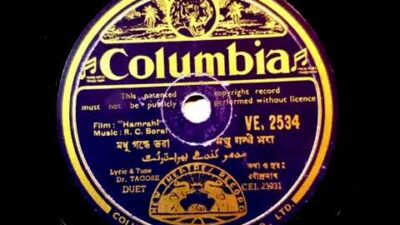
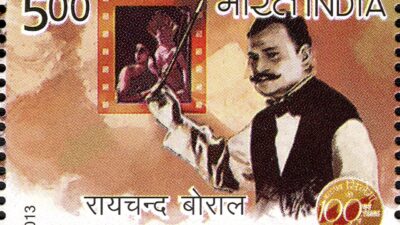
The Soundtrackआर.सी. बोराल ने 'हमराही' के लिए सात गीत रचे, जिनके हिंदी बोल मुंशी ज़ाकिर हुसैन ने लिखे। इनमें तीन एकल गीत बिनोता रॉय के हैं (रिकॉर्डों पर उनका नाम बिनोता बोस दर्ज है), जो फ़िल्म में गोपा हैं: ग़ज़ल 'जिगर के दाग़ नए गुल खिलाए जाते हैं', बहार का गीत 'दिन हैं बहार के आए', और चाँदनी वाला 'हँसी चाँद की आज निराली'। फ़िल्म का दूसरा महिला एकल 'गाए जा तू अपना गीत' रेखा मलिक के हिस्से आया, जिसे बोराल के प्रशंसक उनके 'प्रील्यूड' यानी गीत-पूर्व वादन के लिए ख़ास तौर पर याद करते हैं। बांग्ला संस्करण से आई रवींद्रनाथ ठाकुर की दो रचनाएँ बांग्ला में ही रखी गईं — युगल 'मधु गंधे भरा', जिसे बिनोता रॉय ने युवा हेमंत कुमार के साथ गाया, और 'जन गण मन' — और संकलन पूरा होता है 'बढ़ते चलो जवानो' के समवेत कूच-गीत से, जो फ़िल्म के हड़ताली मज़दूरों को संबोधित है। एक ही फ़िल्म में एक ही संगीतकार के लिए यह असामान्य रूप से चौड़ा दायरा है: स्तुति, ग़ज़ल, रवींद्रसंगीत, प्रेमगीत और कूच-गीत।
अंग्रेज़ी में पढ़ें · Read in English
R.C. Boral wrote seven songs for Hamrahi, with Hindi lyrics by Munshi Zakir Hussain. Three are solos for Binota Roy (credited on records as Binota Bose), who plays Gopa: the ghazal 'Jigar Ke Daag Naye Gul Khilaye Jate Hain', the spring song 'Din Hain Bahaar Ke Aaye', and the moonlight number 'Hansi Chand Ki Aaj Nirali'. Rekha Mallick has the film's other female solo, 'Gaye Ja Tu Apna Geet', which admirers of Boral single out for his prelude writing. Two Tagore compositions carried over from the Bengali version are kept in Bengali — the duet 'Madhu Gandhe Bhara', sung by Binota Roy with the young Hemant Kumar, and 'Jana Gana Mana' — and the score is completed by the marching chorus 'Badhte Chalo Jawano', pitched at the film's striking workers. It is a notably wide brief for one composer in one film: hymn, ghazal, Rabindrasangeet, romantic solo and march.
- जन गण मन अधिनायक जय हे Jana Gana Mana Adhinayak Jai He

- बढ़ते चलो जवानो Badhte Chalo Jawano

- गाए जा तू अपना गीत Gaye Ja Tu Apna Geet स्वर: रेखा मलिक

- मधु गंधे भरा Madhu Gandhe Bhara स्वर: बिनोता बोस, Hemant Kumar
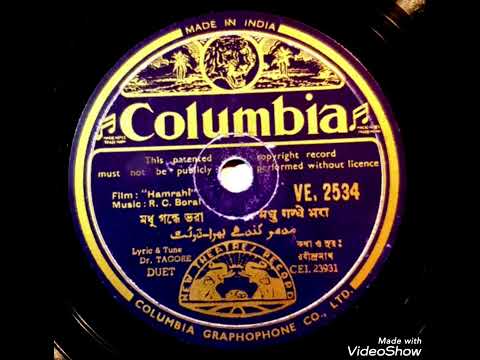
- हँसी चाँद की आज निराली Hansi Chand Ki Aaj Nirali स्वर: बिनोता बोस
- दिन हैं बहार के आए Din Hain Bahaar Ke Aaye स्वर: बिनोता बोस
- जिगर के दाग़ नए गुल खिलाए जाते हैं Jigar Ke Daag Naye Gul Khilaye Jate Hain स्वर: बिनोता बोस

पट्टिका-लेख
The Monographपर्दे के पीछे Behind the Scenes
'हमराही' दो भाषाओं में बनी: न्यू थिएटर्स ने पहले बांग्ला 'उदयेर पथे' बनाई और फिर उसी को हिंदी में दोहराया — दोनों मुख्य कलाकार, राधामोहन भट्टाचार्य और बिनोता रॉय, अपनी भूमिकाओं में बने रहे, जबकि कई बांग्ला सहायक कलाकारों की जगह नए चेहरे लिए गए। मूल कथा और बांग्ला संवाद ज्योतिर्मय रॉय ने लिखे; हिंदी संवाद मोहनलाल बाजपेयी ने लिखे, जिन्हें समीक्षकों ने फ़िल्म का सबसे सशक्त पक्ष माना। बिमल रॉय ने निर्देशन के साथ-साथ इसकी छायांकन भी स्वयं की। बांग्ला मूल के बारे में 'द सिनेमा कॉरिडोर' दर्ज करता है कि 'उदयेर पथे' न्यू थिएटर्स के 'सबसे कम बजट' में बनी और 'स्टूडियो की सबसे कमाऊ फ़िल्म साबित हुई'; बजट और कमाई का यह दावा किसी भी उपलब्ध स्रोत में हिंदी 'हमराही' तक नहीं फैलाया गया है — हालाँकि विकिपीडिया दोनों संस्करणों के बॉक्स-ऑफ़िस पर सफल होने की बात कहता है, और 'फ़िल्मइंडिया' ने नवंबर 1945 में लिखा कि 'न्यू थिएटर्स की हमराही ने अपने समाजवादी विषय के साथ सफलता की सुर्ख़ियाँ बटोरीं'।
अंग्रेज़ी में पढ़ें · Read in English
Hamrahi was made as a bilingual: New Theatres shot the Bengali Udayer Pathey first and then remade it in Hindi with the two leads, Radhamohan Bhattacharya and Binota Roy, repeating their roles while several Bengali supporting players were replaced. Jyotirmoy Roy wrote the original story and Bengali dialogue; Mohanlal Bajpai wrote the Hindi dialogue, which reviewers picked out as the film's strongest single element. Bimal Roy directed and also photographed the film himself. Of the Bengali original, The Cinema Corridor records that Udayer Pathey was 'made by New Theatres on the smallest budget' and 'actually became the studio's biggest earner'; no source consulted extends that budget-and-earnings claim to the Hindi Hamrahi, though Wikipedia notes both versions did well at the box office, and Filmindia reported in November 1945 that 'New Theatres' Hamrahi with its socialistic theme hit the headlines of success'.
महत्व Significance
'हमराही' बिमल रॉय की बतौर हिंदी निर्देशक पहली फ़िल्म है — यह 'उदयेर पथे' (1944) का हिंदी रूपांतर है, वही बांग्ला फ़िल्म जिससे न्यू थिएटर्स के वर्षों पुराने छायाकार ने कैमरे के पीछे से निकलकर निर्देशन में क़दम रखा था। यह स्टूडियो की सबसे खुली राजनीतिक फ़िल्म है: ऊपर से एक प्रेमकथा, पर असल विषय वर्ग-भेद, चुराई गई मेहनत और एक कारख़ाने की हड़ताल — और यह सब उस दौर में जब स्वाधीनता संग्राम अपने आख़िरी वर्षों में था। 'फ़िल्मइंडिया' के बाबूराव पटेल, जो आसानी से प्रशंसा नहीं करते थे, ने इसे 'बुद्धिजीवियों की फ़िल्म' कहा और बिमल रॉय के निर्देशन को 'उनके नए पेशे की शानदार शुरुआत' बताया। इसी फ़िल्म ने रवींद्रनाथ ठाकुर के 'जन गण मन' को हिंदी परदे तक पहुँचाया — जनवरी 1950 में संविधान सभा द्वारा उसे राष्ट्रगान घोषित किए जाने से कई वर्ष पहले।
अंग्रेज़ी में पढ़ें · Read in English
Hamrahi is Bimal Roy's first film as a Hindi director — the Hindi version of Udayer Pathey (1944), the Bengali film with which he had stepped out from behind the camera after years as New Theatres' cinematographer. It is the studio's most openly political production: a mainstream romance whose real subject is class, stolen labour and a factory strike, made while the independence movement was in its final years. Filmindia's Baburao Patel, not an easy critic, called it 'a picture for intellectuals' that fulfilled 'the higher purpose for which the screen is intended', and singled out Bimal Roy's direction as 'an excellent beginning to his new profession'. The film also carried Rabindranath Tagore's 'Jana Gana Mana' onto the Hindi screen years before the Constituent Assembly adopted it as India's national anthem in January 1950.
विरासत Legacy
1966 में पीछे मुड़कर देखते हुए ऋत्विक घटक ने इस फ़िल्म के बारे में कहा था कि 'लोगों ने पहली बार परदे पर अपना रोज़मर्रा का जीवन देखा — इसने फ़िल्म को समकालीन यथार्थ के सामाजिक दस्तावेज़ के रूप में देखने की धारणा ही बदल दी।' नव-यथार्थवादी दृष्टि और लोकप्रिय मेलोड्रामा का इसका मेल वही बीज है जिससे कुछ ही वर्षों बाद बंबई में बिमल रॉय का पूरा काम उपजा — 'दो बीघा ज़मीन' (1953) से आगे तक — और उनके पीछे चलने वाली हिंदी सिनेमा की सामाजिक धारा भी। संगीत-इतिहासकारों के लिए 'हमराही' आर.सी. बोराल के आख़िरी महत्वपूर्ण संगीत-संकलनों में से एक है — वही बोराल जिन्होंने एक दशक पहले न्यू थिएटर्स में हिंदी फ़िल्म पार्श्वगायन को व्यावहारिक रूप से जन्म दिया था; और इसे नियमित रूप से उस फ़िल्म के रूप में याद किया जाता है जिसने 'जन गण मन' को राष्ट्रगान बनने से पहले हिंदी परदे पर पहुँचाया।
अंग्रेज़ी में पढ़ें · Read in English
Ritwik Ghatak, looking back in 1966, said of the film that 'people for the first time saw in them their everyday life — this revolutionised the concept of film as a social document of contemporary reality'. Its combination of neo-realist instinct with popular melodrama is the seed of everything Bimal Roy would do in Bombay a few years later, from Do Bigha Zamin (1953) onwards, and of the socially engaged strain of Hindi cinema that followed him. For music historians, Hamrahi is one of the last significant scores of R.C. Boral, the composer who had effectively invented Hindi film playback at New Theatres a decade earlier; and it is routinely cited as the film that put 'Jana Gana Mana' on the Hindi screen before the anthem was official.
अन्य विवरण
More Details- https://en.wikipedia.org/wiki/Hamrahi_(1945_film)
- https://www.hindigeetmala.net/movie/humrahi.htm
- https://atulsongaday.me/2017/11/26/dil-hain-bahaar-ke-aaye/
- http://cinemacorridor.blogspot.com/2013/01/bimal-roys-first-film-new-theatres.html
- https://www.songsofyore.com/best-songs-of-1945-and-the-winners-are/
- https://en.wikipedia.org/wiki/New_Theatres
- https://archive.org/download/filmindia-1945-10/filmindia_1945_10_djvu.txt
- https://archive.org/download/filmindia-1945-11/filmindia_1945_11_djvu.txt
- https://indiancine.ma/ECR
References
नमूना-पट्टी
The Specimen Table| शीर्षक | हमराही · Hamrahi |
|---|---|
| वर्ष · युग | 1945 — Pre Independence |
| निर्देशक | बिमल रॉय · Bimal Roy |
| संगीत-निर्देशक | आर.सी. बोराल · R.C. Boral |
| गीतकार | मुंशी ज़ाकिर हुसैन · Munshi Zakir Hussain · रवींद्रनाथ ठाकुर · Rabindranath Tagore |
| कलाकार-मंडली | राधामोहन भट्टाचार्य · Radhamohan Bhattacharya · बिनोता रॉय · Binota Roy · देवी मुखर्जी · Devi Mukherjee · रेखा मलिक · Rekha Mallick · तुलसी चक्रवर्ती · Tulsi Chakraborty · राजलक्ष्मी देवी · Rajlashmi Devi · देवबाला · Devbala |
| निर्माण-गृह | New Theatres, Calcutta |
| शैली | Social · Drama · Romance |
| भाषा | hindi |
| प्रकार | कथा-चित्र (फ़ीचर) |
| गीत | 7 गीत — ऊपर पूरी संगीत-सूची |
जुड़े हुए पन्ने
Connected Plates · The Graph Made Visibleअटलस में कोई पन्ना अकेला नहीं — 'हमराही' से उसके गीत, कलाकार, राग और युग, सब जुड़े हैं।
इस फ़िल्म के गीत · Songs of this Film
कलाकार · Cast & Crew
युग · The Era
साझा कीजिए · Share this Plate