सिनेमा विंग · फ़िल्म-पट्टिका · Film Plate
धर्म
Dharm
शैलीSocial · Drama
भाषाhindi प्रकारकथा-चित्र (फ़ीचर)
गीत7 — नीचे पूरी संगीत-सूची
कथा-सार
Synopsis'धर्म' 1945 की एक हिंदी सामाजिक फ़िल्म है, जिसे बंबई के बैनर स्टार प्रोडक्शंस ने बनाया और रमणिक देसाई ने निर्देशित किया। इसकी घोषित कास्ट में मूक-युग से चले आ रहे अनुभवी नायक ई. बिलिमोरिया और गायिका-अभिनेत्री रतन बाई थीं — रतन बाई न्यू थियेटर्स की 'यहूदी की लड़की' (1933) से परदे पर थीं और 1942 में 'सहेली' बनाकर निर्माता भी बन चुकी थीं; लीला पांडे, माधुरी, माया देवी, जमशेदजी, इस्माइल, जी. मोहम्मद, कुमार और प्रेमी शेष श्रेय-सूची पूरी करते हैं। तत्कालीन सूचियाँ इसे केवल 'सोशल' कहती हैं — युद्धकालीन उद्योग का वह सर्वसमावेशी नाम जो समकालीन परिवेश में परिवार, पैसे और नैतिक कर्तव्य पर टिके मेलोड्रामा के लिए इस्तेमाल होता था — और 'धर्म' शीर्षक स्वयं उसी स्वर की ओर संकेत करता है। इससे आगे दस्तावेज़ ख़ामोश है: फ़िल्म का कोई प्रिंट, पटकथा, सेंसर-सारांश या समकालीन कथा-विवरण किसी सुलभ अभिलेखागार में नहीं मिलता, और फ़िल्म बची हुई नहीं मानी जाती। फ़िल्म को बंबई बोर्ड ने 27 जुलाई 1945 को प्रमाणपत्र दिया (सर्टिफ़िकेट बंबई/31989); लंबाई 10,996 फ़ीट, बारह रील, कुछ अधिक दो घंटे। जो बचा है वह इसका संगीत है — सज्जाद हुसैन के स्वतंत्र संगीतकार-जीवन के दूसरे ही वर्ष में रचे सात प्रमाणित गीत — और यह प्रविष्टि जानबूझकर कहानी गढ़ने के बजाय केवल प्रमाणित अभिलेख का वर्णन करती है।
अंग्रेज़ी में पढ़ें · Read in English
Dharm is a 1945 Hindi social drama made by the Bombay banner Star Productions and directed by Ramnik Desai. Its billed cast brought together the veteran leading man E. Billimoria, whose screen career reached back to the silent era, and the singer-actress Rattan Bai, who had been on screen since New Theatres' Yahudi Ki Ladki (1933) and had turned producer with Saheli in 1942; Leela Pande, Madhuri, Maya Devi, Jamshedji, Ismail, G. Mohammed, Kumar and Premi complete the listed credits. Contemporary listings classify the film simply as a 'social' — the wartime industry's catch-all label for a melodrama set in the present day and built around family, money and moral obligation — and the title, dharm, meaning duty or righteous conduct, points squarely at that register. Beyond this the record stops: no print, screenplay, censor synopsis or contemporary plot summary of Dharm has been traced in any accessible archive, and the film is not known to survive. It was certified by the Bombay board on 27 July 1945 (certificate Bombay/31989), running 10,996 feet on twelve reels, a little over two hours. What does survive is its soundtrack — seven documented songs composed by Sajjad Hussain in only his second year as an independent film composer — and this entry deliberately describes the documented record rather than inventing a story for it.
संगीत-सूची
The Soundtrack'धर्म' के लिए सात गीत प्रमाणित हैं, सभी सज्जाद हुसैन द्वारा रचित, और हिंदी फ़िल्म गीत कोश, माईस्वर तथा हिंदीगीतमाला — तीनों उन्हीं सात पर सहमत हैं। माईस्वर एलबम को सारेगामा के नाम करता है; गीत कोश की प्रविष्टि किसी रिकॉर्ड कंपनी का नाम नहीं देती, और इस प्रविष्टि के लिए सुलभ किसी स्रोत ने एचएमवी का नाम नहीं लिया। गायन का पूरा भार स्त्री-स्वरों पर है। रतन बाई सात में से चार पर गाती हैं: 'दुनिया में रहे', जिसे गीत कोश केवल उन्हीं के नाम करता है; 'जम जम रहे मेहरबान मेरे अल्लाह मियाँ' और 'जीवन की डोर', जिन दोनों में वह उनके साथ बिना नाम के अन्य स्वर भी दर्ज करता है; और एलबम का इकलौता युगल 'चली पवन पुरवाई', जो उस गायिका के साथ है जिसे स्रोत केवल 'नसीम' लिखते हैं। नसीम का अपना एक एकल भी है — वह रिकॉर्ड जिसका मुखड़ा 'आने वाले, आने वाले, आने वाले जब आएँगे, कैसे मन समझाऊँ' से शुरू होता है, जिसे माईस्वर और हिंदीगीतमाला उसके दूसरे वाक्यांश से 'कैसे मन समझाऊँ' और अभिलेखागार 'सॉन्ग्स ऑफ़ योर' पहले वाक्यांश से 'आने वाले जब आएँगे' कहकर दर्ज करते हैं; इसी कारण कुछ गणनाएँ इस संगीत को आठ गीतों तक पहुँचा देती हैं। 'तेरा मेरा प्यार हो' अलकनंदा गाती हैं। शेष शीर्षक 'नवेली अलबेली' मंडली के नाम है: गीत कोश 'कोरस' लिखता है, माईस्वर 'विभिन्न कलाकार', और हिंदीगीतमाला गायक का ख़ाना ख़ाली छोड़ता है। 'जम जम रहे मेहरबान मेरे अल्लाह मियाँ' क़व्वाली-रंगत लिए ईश्वर-संबोधन के रूप में वर्गीकृत है, और माईस्वर की प्रविष्टि में टिप्पणी है कि रिकॉर्ड पर कई स्त्री-स्वर सुनाई देते हैं यद्यपि श्रेय केवल रतन बाई को मिला — जो गीत कोश के 'रतन बाई, अन्य' से मेल खाता है। सात में से एक, 'आने वाले जब आएँगे', अकेला ऐसा रिकॉर्ड है जिसकी रिकॉर्डिंग तक पहुँचा जा सका; 'सॉन्ग्स ऑफ़ योर' उसे प्रस्तुत करता है। प्रमाणित सूची में कहीं भी कोई पुरुष स्वर नहीं है: इस संगीत की हर श्रेय-प्राप्त गायिका स्त्री है। 1945 के लिए भी यह असामान्य है और इस एलबम का सबसे विशिष्ट तथ्य।
अंग्रेज़ी में पढ़ें · Read in English
Seven songs are documented for Dharm, all composed by Sajjad Hussain, and the Hindi Film Geet Kosh, MySwar and hindigeetmala agree on the same seven. MySwar attributes the album to Saregama; the Geet Kosh entry names no record company, and no source reachable for this entry names HMV. The vocal load is carried entirely by women. Rattan Bai sings on four of the seven: 'Duniya Mein Rahe', which the Geet Kosh credits to her alone; 'Jam Jam Rahe Meharban Mere Allah Mian' and 'Jeevan Ki Dor', on both of which it credits her together with unnamed other voices; and the album's one duet, 'Chali Pawan Purvai', shared with a singer the sources credit only as Naseem. Naseem also has a solo of her own, the record whose mukhda begins 'Aane vale, aane vale, aane vale jab aenge, kaise man samajhaun' — catalogued by MySwar and hindigeetmala under its second phrase as 'Kaise Mann Samjhaoon' and by the archive Songs of Yore under its first as 'Aanewale jab aayenge', which is why some reckonings of this soundtrack reach eight. Alaknanda sings 'Tera Mera Pyar Ho'. The remaining title, 'Naveli Albeli', is credited to a chorus: the Geet Kosh says 'Chorus', MySwar 'various artists', and hindigeetmala leaves the singer column blank. 'Jam Jam Rahe Meharban Mere Allah Mian' is classified as a qawwali-inflected devotional address to God, and MySwar's entry for it notes that several female voices are audible on the record although only Rattan Bai was credited — which matches the Geet Kosh's 'Ratan Bai, Others'. One of the seven, 'Aanewale jab aayenge', is the only side for which a recording has been traced; Songs of Yore posts it. No male playback voice appears anywhere in the documented track list: every credited singer on this soundtrack is a woman. That is unusual even for 1945, and it is the single most distinctive fact about the album.
- चली पवन पुरवाई Chali Pawan Purvai स्वर: नसीम, Rattan Bai

- जम जम रहे मेहरबान मेरे अल्लाह मियाँ Jam Jam Rahe Meharban Mere Allah Mian स्वर: Rattan Bai
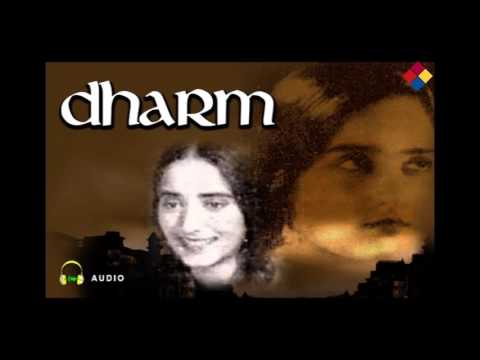
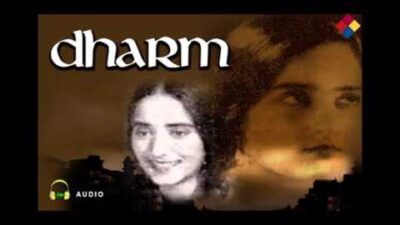
- नवेली अलबेली Naveli Albeli
- दुनिया में रहे Duniya Mein Rahe स्वर: Rattan Bai
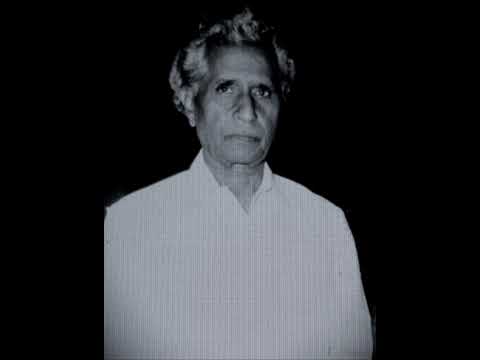
- जीवन की डोर Jeevan Ki Dor स्वर: Rattan Bai
- तेरा मेरा प्यार हो Tera Mera Pyar Ho स्वर: अलकनंदा

- आने वाले जब आएँगे Aanewale Jab Aayenge स्वर: नसीम
पट्टिका-लेख
The Monographपर्दे के पीछे Behind the Scenes
'धर्म' तक पहुँचने से पहले सज्जाद हुसैन ने लगभग एक दशक बंबई के स्टूडियो में संगीतकार के रूप में नहीं, बल्कि वेतनभोगी वादक के रूप में बिताया था। 1917 में सीतामऊ में जन्मे, एक दर्ज़ी-सितारवादक पिता की नौ संतानों में सबसे छोटे, उन्होंने पिता से सितार सीखा और आगे वीणा, वायलिन, बांसुरी, पियानो तथा मैंडोलिन में महारत हासिल की — मैंडोलिन ही वह वाद्य रहा जिससे उनकी पहचान जुड़ी; सत्र-वादक के रूप में उन्होंने कथित तौर पर बाईस हज़ार से अधिक रिकॉर्डिंग में बजाया। वे 1937 में बंबई आए और सोहराब मोदी के मिनर्वा मूवीटोन में तीस रुपये मासिक पर काम किया, फिर वाडिया मूवीटोन के साथ भी, और अपने नाम से संगीत रचना 1944 में ही शुरू की। जिस पूर्णतावादी और तीखे स्वभाव के लिए वे बदनाम हुए — और जिसकी क़ीमत उन्हें आगे चलकर गीतकार डी.एन. माधोक तथा अभिनेता दिलीप कुमार जैसे वरिष्ठ लोगों से संबंध तोड़कर चुकानी पड़ी — उसकी शुरुआत इन्हीं वर्षों से मानी जाती है। 'धर्म' के बोल दो लेखकों में बँटे थे: शेवन रिज़वी, जो तब उस करियर के आरंभ में थे जो 1970 के दशक के आरंभ तक चला, और बालम परदेसी, जिनका नाम 1940 के दशक के लगभग चालीस गीतों पर मिलता है पर जिनका कोई जीवन-वृत्त कहीं दर्ज नहीं है। ऑनलाइन एलबम-सूचियाँ दोनों को पूरे संगीत का संयुक्त श्रेय देती हैं और यह नहीं बतातीं कि कौन-सा किसने लिखा; पर हिंदी फ़िल्म गीत कोश उन्हें गीत-वार अलग करता है: वह शेवन रिज़वी को 'जम जम रहे मेहरबान', 'तेरा मेरा प्यार हो', 'दुनिया में रहे', 'चली पवन पुरवाई' और 'आने वाले जब आएँगे' देता है, तथा बालम परदेसी को — जिन्हें वह केवल 'बालम' लिखता है — 'नवेली अलबेली' और 'जीवन की डोर'। 'सॉन्ग्स ऑफ़ योर' स्वतंत्र रूप से 'आने वाले जब आएँगे' का श्रेय शेवन रिज़वी को देता है, जो गीत कोश से मेल खाता है।
अंग्रेज़ी में पढ़ें · Read in English
Sajjad Hussain came to Dharm after nearly a decade in the Bombay studios as a hired instrumentalist rather than a composer. Born in Sitamau in 1917, the youngest of nine children of a tailor who played the sitar, he learned that instrument from his father and went on to master veena, violin, flute, piano and the mandolin, the instrument he remained identified with; as a session player he is reputed to have appeared on more than twenty-two thousand recordings. He moved to Bombay in 1937 and worked at Sohrab Modi's Minerva Movietone for thirty rupees a month before also working with Wadia Movietone, and only in 1944 did he begin composing scores under his own name. The perfectionist, short-tempered manner for which he became notorious — and which would later cost him working relationships with figures as senior as the lyricist D.N. Madhok and the actor Dilip Kumar — dates from these first years. Dharm's verses were divided between two writers: Shewan Rizvi, then at the very start of a career that ran into the early 1970s, and Baalam Pardesi, a name that appears on around forty 1940s film songs but for whom no biographical record has been traced at all. The online album listings credit the two jointly across the whole soundtrack without saying who wrote what, but the Hindi Film Geet Kosh does separate them side by side: it gives Shewan Rizvi 'Jam Jam Rahe Meharban', 'Tera Mera Pyar Ho', 'Duniya Mein Rahe', 'Chali Pawan Purvai' and 'Aanewale Jab Aayenge', and Baalam Pardesi — whom it prints simply as 'Balam' — 'Naveli Albeli' and 'Jeevan Ki Dor'. Songs of Yore independently credits 'Aanewale Jab Aayenge' to Shewan Rizvi, agreeing with the Geet Kosh.
महत्व Significance
'धर्म' का महत्व लगभग पूरी तरह संगीत का है: यह सज्जाद हुसैन द्वारा अकेले रचा गया दूसरा फ़िल्म-संगीत है। उन्होंने 'गाली' (1944) के लिए दो गीत रचे और उसी वर्ष 'दोस्त' से स्वतंत्र संगीतकार के रूप में पदार्पण किया; 'धर्म' 1945 में आती है, '1857' और 'तिलस्मी दुनिया' (दोनों 1946) से एक वर्ष पहले। उनके प्रसिद्ध रूप से कठोर और समझौता-विरोधी स्वभाव के कारण चौंतीस वर्ष के करियर में उनके हिस्से बीस से भी कम फ़िल्में आईं — इसलिए उनका हर संगीत उन्हें समझने में असाधारण महत्व रखता है, और यह उनके आरंभिक कामों में से है। यह फ़िल्म रतन बाई की अंतिम परदे-भूमिकाओं में से भी एक है, जो कास्ट में रहते हुए इसके सात प्रमाणित रिकॉर्डों में से चार पर गाती हैं — यह व्यवस्था उस लुप्त होते युग की है जब पार्श्वगायन अभी अलग पेशा नहीं बना था। अंततः 'धर्म' हिंदी फ़िल्म-गीत आँकड़ों की विश्वसनीयता की एक कसौटी भी है: 1945 के जिन शीर्षकों की गीत-सूची प्रचलन में स्पष्ट रूप से गड़बड़ा गई है, यह उनमें से एक है — और उसे ठीक करने के लिए आठ ऐसे गीत घटाने पड़ते हैं जो सूचियाँ ग़लती से दूसरी फ़िल्म से ले आती हैं, और फिर यह पहचानना पड़ता है कि बचे सात में से एक दो अलग शीर्षकों से दर्ज है और उसे दो बार नहीं गिनना चाहिए।
अंग्रेज़ी में पढ़ें · Read in English
Dharm's importance is almost entirely musical: it is the second film Sajjad Hussain scored on his own. He had written two songs for Gaali and then made his independent debut with Dost, both in 1944, and Dharm follows in 1945, a year before 1857 and Tilasmi Duniya. Because a famously exacting temperament kept his total output to fewer than twenty films across a thirty-four-year career, every one of his scores carries disproportionate weight in understanding him, and this is one of the earliest. The film is also among the last screen credits of Rattan Bai, who sings on four of its seven documented records while appearing in the cast — an arrangement that belongs to the vanishing era before playback singing became a separate profession. Finally, Dharm is a useful test case for the reliability of Hindi film-song data: it is one of the 1945 titles whose song list has been visibly corrupted in circulation, and reconstructing it correctly means subtracting eight songs the listings wrongly import from another film, and then recognising that one of the seven that remain has been catalogued under two different titles and must not be counted twice.
विरासत Legacy
'धर्म' की कोई प्रति प्रचलन में नहीं है और इसका कोई गीत ग्रामोफ़ोन-भंडार का हिस्सा नहीं बना; फ़िल्म अब सुनी जाने वाली संगीत-विरासत नहीं, बल्कि एक सूची-प्रविष्टि के रूप में बची है। केवल एक रिकॉर्ड — 'आने वाले जब आएँगे' — की बची हुई रिकॉर्डिंग तक पहुँचा जा सका है, और वही सूचियों से ग़ायब है। इसका बाद का जीवन दस्तावेज़ी है — हिंदी फ़िल्म गीत कोश में इसकी सेंसर-विगत और सात गीत-शीर्षकों सहित एक प्रविष्टि, विकिपीडिया की 1945 की हिंदी फ़िल्म-सूची में एक पंक्ति, बॉलीस्वर/माईस्वर संकलन में सारेगामा के अंतर्गत सात गीतों की सूची, indiancine.ma पर दो दोहरी प्रविष्टियाँ, और हिंदीगीतमाला पर एक पृष्ठ। आख़िरी बिंदु पर ही फ़िल्म को एक अनचाहा दूसरा जीवन मिला है: कई ऑनलाइन सूचियाँ 'धर्म' के संगीत को 'दिन रात' (1945) — संगीत दादा चांदेकर, बोल संतोख नदीम — के साथ मिला देती हैं, जिससे स्नेहप्रभा प्रधान, परेश बनर्जी और राजकुमारी के गाए आठ चांदेकर-गीत रमणिक देसाई की फ़िल्म के नाम पर चढ़ जाते हैं और गीत-संख्या पंद्रह हो जाती है। दोनों संगीत पूरी तरह अलग हैं — अलग संगीतकार, अलग गीतकार, अलग गायक, अलग फ़िल्म — और हिंदीगीतमाला की अपनी 'धर्म' सारांश-पंक्ति केवल सज्जाद हुसैन, शेवन रिज़वी और बालम परदेसी का नाम लेती है, जो उसके अपने पृष्ठ की आठ पंक्तियों का खंडन करती है। यह प्रविष्टि उस अलगाव को बहाल करती है और वे सात गीत रखती है जिन पर गीत कोश, माईस्वर तथा हिंदीगीतमाला स्वतंत्र रूप से सहमत हैं।
अंग्रेज़ी में पढ़ें · Read in English
No copy of Dharm is known to circulate and none of its songs entered the gramophone canon; the film survives as a catalogue entry rather than as music people still hear. Only one side, 'Aanewale Jab Aayenge', has been traced to a surviving recording, and that one is missing from the catalogues. Its afterlife is documentary — an entry in the Hindi Film Geet Kosh with its censor particulars and seven song titles, a row in Wikipedia's list of 1945 Hindi releases, a seven-track album listing in the BollySwar/MySwar compendium credited to Saregama, two duplicate records on indiancine.ma, and a page on hindigeetmala. That last point is where the film has acquired an unintended second life: several online listings merge Dharm's soundtrack with that of Din Raat (1945), the film scored by Dada Chandekar to lyrics by Santokh Nadim, so that eight Chandekar songs sung by Snehaprabha Pradhan, Paresh Banerjee and Rajkumari appear under Ramnik Desai's title and inflate its song count to fifteen. The two soundtracks are entirely distinct — different composer, different lyricist, different singers, different film — and hindigeetmala's own summary line for Dharm names only Sajjad Hussain, Shewan Rizvi and Baalam Pardesi, contradicting the eight rows on its own page. This entry restores the separation, keeping the seven songs that the Geet Kosh, MySwar and hindigeetmala independently agree on.
अन्य विवरण
More Details- https://www.hindi-movies-songs.com/hfgk/
- https://en.wikipedia.org/wiki/List_of_Hindi_films_of_1945
- https://myswar.co/album/dharma-1945
- https://www.hindigeetmala.net/movie/dharma_1945.htm
- https://www.songsofyore.com/sajjad-hussain/
- https://indiancine.ma/EDV/info
- https://indiancine.ma/AKQM/info
References
नमूना-पट्टी
The Specimen Table| शीर्षक | धर्म · Dharm |
|---|---|
| वर्ष · युग | 1945 — Pre Independence |
| प्रदर्शन | 1945-07-27 |
| निर्देशक | रमणिक देसाई · Ramnik Desai |
| संगीत-निर्देशक | सज्जाद हुसैन · Sajjad Hussain |
| गीतकार | शेवन रिज़वी · Shewan Rizvi · बालम परदेसी · Baalam Pardesi |
| कलाकार-मंडली | ई. बिलिमोरिया · E. Billimoria · रतन बाई · Rattan Bai · लीला पांडे · Leela Pande · माधुरी · Madhuri · माया देवी · Maya Devi · जमशेदजी · Jamshedji · इस्माइल · Ismail · जी. मोहम्मद · G. Mohammed · कुमार · Kumar · प्रेमी · Premi |
| निर्माण-गृह | Star Productions |
| शैली | Social · Drama |
| भाषा | hindi |
| प्रकार | कथा-चित्र (फ़ीचर) |
| गीत | 7 गीत — ऊपर पूरी संगीत-सूची |
जुड़े हुए पन्ने
Connected Plates · The Graph Made Visibleअटलस में कोई पन्ना अकेला नहीं — 'धर्म' से उसके गीत, कलाकार, राग और युग, सब जुड़े हैं।
इस फ़िल्म के गीत · Songs of this Film
कलाकार · Cast & Crew
युग · The Era
साझा कीजिए · Share this Plate