गीत विंग · गीत-पट्टिका · Song Plate
हीर राँझा के गीत — लाहौर की पहली टॉकी
The Songs of Heer Ranjha — Lahore’s First Talkie
पंजाब की सबसे बड़ी प्रेम-गाथा से पंजाब का सवाक् सिनेमा में खाता खुला — और गाया उसी ने जिसने आशिक़ का पाठ खेला।
भावउदास · रोमांटिक
भाषाPunjabi · Urdu · Hindi
श्रेय
The Creditsशब्दकोश
Word Meaningsसूत्र-वाक्य · The Hook
सूत्र-वाक्य
पंजाब की सबसे बड़ी प्रेम-गाथा से पंजाब का सवाक् सिनेमा में खाता खुला — और गाया उसी ने जिसने आशिक़ का पाठ खेला।
In EnglishPunjab's greatest love story opened Punjab's account in sound cinema — sung by the man who played the lover.
पट्टिका-लेख
The Monographपरिचय Overview
हीर राँझा (1932) के गीतों की सामूहिक प्रविष्टि — लाहौर में बनी पहली टॉकी मानी जाने वाली फ़िल्म; निर्देशक ए.आर. कारदार, संगीतकार व राँझा की भूमिका में रफ़ीक़ ग़ज़नवी। पंजाब का क़िस्सा-भंडार पहली बार फ़िल्मी माइक्रोफ़ोनों तक पहुँचा। निर्माण अल्प-प्रलेखित; कोई ऑडियो नहीं बचा; 1932 की रिकॉर्डिंग्स सार्वजनिक डोमेन में।
अंग्रेज़ी में पढ़ें · Read in English
Collective entry for the songs of Heer Ranjha (1932), commonly cited as the first talkie made in Lahore — directed by A.R. Kardar with Rafiq Ghaznavi composing and playing Ranjha. Punjab's qissa repertoire reached film microphones for the first time. Production thinly documented; no audio survives; 1932 recordings are public domain.
संगीत The Music
रफ़ीक़ ग़ज़नवी आरंभिक टॉकी का सम्पूर्ण पैकेज थे: तालीमयाफ़्ता, फ़ैशनेबल गायक-संगीतकार, जो राँझा का पाठ निभाने जितने सजीले भी थे और फ़िल्म का संगीत स्वयं रचने में भी समर्थ। उनकी सामग्री उत्तर भारतीय लोक-संगीत की सबसे समृद्ध खान थी — हीर की वे धुनें जो हर पंजाबी गाँववाला स्मृति से उठा लेता था — जो अब पहली बार लाहौर में फ़िल्मी माइक्रोफ़ोनों से गुज़रीं।
अंग्रेज़ी में पढ़ें · Read in English
Rafiq Ghaznavi was the complete early-talkie package: a trained, fashionable singer-composer handsome enough to play Ranjha and able to score the picture himself. His material was the richest seam in northern folk music — the Heer melodies that every Punjabi villager could raise from memory — now passed for the first time through film microphones in Lahore.
काव्य The Poetry
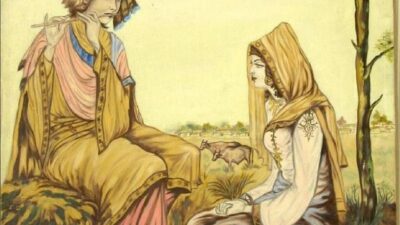
हीर-राँझा पंजाब के लिए वही है जो ग़ज़ल की दुनिया के लिए लैला-मजनूँ: वह इश्क़ जो समाज पर फ़र्द-ए-जुर्म है। वारिस शाह के अठारहवीं सदी के क़िस्से ने इस गाथा को उसका प्रामाणिक छंद दिया — बिरादरी और मुल्लाओं से भिड़ती हीर, राँझे की वंझली, शादी की ज़हर मिली मिठाई। इस दास्तान की टॉकी को गीतकार से ज़्यादा एक चयनकर्ता चाहिए था: गीत तो सूबे के हर मेले और हर फ़सल की हवा में पहले से तैर रहे थे।
अंग्रेज़ी में पढ़ें · Read in English
Heer-Ranjha is to Punjab what Laila-Majnu is to the ghazal world: the love that indicts society. Waris Shah's eighteenth-century qissa gave the legend its canonical verse — Heer's defiance of clan and clergy, Ranjha's flute, the poisoned wedding sweet. A talkie of the tale needed no lyricist so much as an editor: the songs were already in the air of every fair and harvest in the province.
कहानी The Story
अब्दुर रशीद कारदार बरसों लाहौर में सिनेमा-उद्योग को ज़िद से जन्म देने में लगे थे — उधार के पैसों पर मूक फ़िल्में, किराये के हॉलों में प्रीमियर। ध्वनि आते ही उन्होंने हीर राँझा (1932) खड़ी की, जिसे लाहौर की पहली टॉकी गिना जाता है। इससे बोया गया उद्योग तीस के दशक में धीरे-धीरे बढ़ा, पर रेखा सीधी है: इस फ़िल्म से चालीस के दशक के लाहौर स्कूल तक — और कारदार के अपने बाद के बम्बई साम्राज्य, कारदार स्टूडियोज़ तक।
अंग्रेज़ी में पढ़ें · Read in English
Abdur Rashid Kardar had spent years trying to will a film industry into existence in Lahore — silent productions on borrowed money, premieres in rented halls. With sound, he mounted Heer Ranjha (1932), commonly counted Lahore's first talkie. The industry it seeded grew slowly through the thirties, but the line runs straight from this film to the Lahore school of the forties — and to Kardar's own later Bombay empire at Kardar Studios.
विरासत The Legacy
हिंदी-उर्दू सिनेमा हीर-राँझा को बार-बार फ़िल्माता रहा, और पंजाब की संगीत-भाषा — ग़ुलाम हैदर की लयकारी से भांगड़ा-रंगे वर्तमान तक — फ़िल्म-संगीत की मुख्य धमनियों में एक बन गई। 1932 की यह फ़िल्म उसी धारा के उद्गम पर खड़ी है: लुप्त, अल्प-प्रलेखित, अपरिहार्य।
अंग्रेज़ी में पढ़ें · Read in English
Hindi-Urdu cinema would film Heer-Ranjha again and again, and Punjab's musical idiom — from Ghulam Haider's rhythms to the bhangra-inflected present — became one of film music's main bloodstreams. The 1932 film stands at the head of that stream: lost, barely documented, indispensable.
वर्गीकरण
ClassificationGenre
अन्य विवरण
More Details- Heer Ranjha (1932 film) — Wikipedia
- Abdul Rashid Kardar — Wikipedia
References
रोचक तथ्य
Margin Notesए.आर. कारदार ने आगे बम्बई में कारदार स्टूडियोज़ की स्थापना की और शाहजहाँ (1946) जैसी हिट फ़िल्में निर्देशित कीं — गायक थे सहगल।
अंग्रेज़ी में पढ़ें · Read in English
A.R. Kardar later founded Kardar Studios in Bombay and directed hits like Shahjehan (1946) — with Saigal singing.
रफ़ीक़ ग़ज़नवी ने आगे सिकंदर (1941) समेत बड़ी फ़िल्मों का संगीत रचा और विभाजन के बाद पाकिस्तान चले गए।
अंग्रेज़ी में पढ़ें · Read in English
Rafiq Ghaznavi went on to score major films including Sikandar (1941) and migrated to Pakistan after Partition.
नमूना-पट्टी
The Specimen Table| शीर्षक | हीर राँझा के गीत — लाहौर की पहली टॉकी · The Songs of Heer Ranjha — Lahore’s First Talkie |
|---|---|
| फ़िल्म | हीर राँझा · 1932 |
| वर्ष · युग | 1932 — Early Talkie Era |
| गायक | Rafiq Ghaznavi, कलाकार-समूह (सजीव; व्यक्तिगत श्रेय अप्रलेखित) |
| संगीतकार | Rafiq Ghaznavi |
| भाषा | Punjabi · Urdu · Hindi |
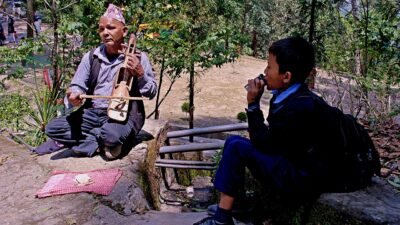
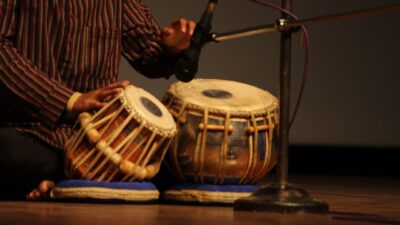
| वाद्य | harmonium · tabla · sarangi |
| भाव | उदास · रोमांटिक |
| बोल-स्थिति | सार्वजनिक |
जुड़े हुए पन्ने
Connected Plates · The Graph Made Visibleअटलस में कोई पन्ना अकेला नहीं — इस गीत से जुड़े गीत, कलाकार, फ़िल्म, राग-ताल-विधा, सब यहाँ से खुलते हैं।
मिलते-जुलते गीत · Related Songs
कलाकार · The Artists
फ़िल्म · The Film
साझा कीजिए · Share this Plate