गीत विंग · गीत-पट्टिका · Song Plate
मेरे दर्द-ए-जिगर — ग़ज़ल
Mere Dard-e-Jigar — Ghazal
गौहर जान की एक ग़ज़ल जो गहरे दिल-टूटने की पीड़ा व्यक्त करती है।
भावविरह · उदास · Painful
भाषाUrdu
श्रेय
The Creditsबोल · The Lyrics
पूरे बोल · Full Lyrics
शब्दकोश
Word Meaningsसूत्र-वाक्य · The Hook
सूत्र-वाक्य
गौहर जान की एक ग़ज़ल जो गहरे दिल-टूटने की पीड़ा व्यक्त करती है।
In EnglishA ghazal by Gauhar Jaan expressing deep heartache — cited by Wikipedia and Last.fm as one of her most famous recordings.
पट्टिका-लेख
The Monographपरिचय Overview
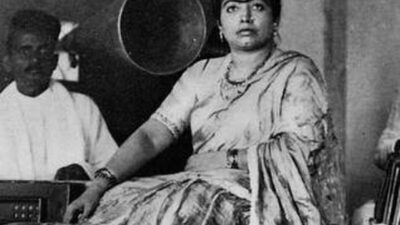
“मेरे दर्द-ए-जिगर — ग़ज़ल” फ़िल्म Gramophone Company — First Indian Recordings (1902) का हिंदी गीत है। इसमें गौहर जान की आवाज़ है, संगीत गौहर जान का है, और बोल अज्ञात ग़ज़लकार ने लिखे हैं। Ghazal शैली का गीत। इसका प्रमुख भाव Melancholic है, और यह The Gramophone & Typewriter Ltd. लेबल से जारी हुआ।
अंग्रेज़ी में पढ़ें · Read in English
“Mere Dard-e-Jigar — Ghazal” is a Hindi film song from Gramophone Company — First Indian Recordings (1902). The voice belongs to Gauhar Jaan, composed by Gauhar Jaan, with lyrics penned by Unknown Ghazal Poet. Musically it is in the Ghazal idiom. Its prevailing mood is melancholic, released on the the gramophone & typewriter ltd. label.
संगीत The Music
यह ग़ज़ल संभवतः गौहर जान के हल्के प्रदर्शन संग्रह की विशिष्ट अर्ध-शास्त्रीय स्वर रूपरेखा का प्रयोग करती है।
अंग्रेज़ी में पढ़ें · Read in English
This ghazal likely employs a semi-classical melodic framework typical of Gauhar Jaan's lighter repertoire.
काव्य The Poetry
उर्दू ग़ज़ल परंपरा 'जिगर' (कलेजा) को प्रेम की सबसे गहरी पीड़ा के अंग के रूप में प्रयोग करती है — 'दिल' (हृदय) से भिन्न। इसलिए 'दर्द-ए-जिगर' वाक्यांश दिल टूटने से परे एक आंत्रिक पीड़ा को व्यक्त करता है।
अंग्रेज़ी में पढ़ें · Read in English
The Urdu ghazal tradition uses 'jigar' (liver) as the organ of love's deepest suffering — distinct from 'dil' (heart). The phrase 'dard-e-jigar' thus conveys an anguish that goes beyond heartbreak into visceral pain.
कहानी The Story
गौहर जान ने 'हमदम' उपनाम से ग़ज़लें भी लिखीं, जो दर्शाता है कि उर्दू काव्य परंपरा से उनका गहरा जुड़ाव था।
अंग्रेज़ी में पढ़ें · Read in English
Gauhar Jaan also composed ghazals under the pen-name 'Hamdam', suggesting she had deep engagement with the Urdu poetic tradition.
विरासत The Legacy
यह ग़ज़ल प्रारंभिक रिकॉर्डिंग में संरक्षित दरबारी लखनऊ-कलकत्ता ग़ज़ल परंपरा का प्रतिनिधित्व करती है।
अंग्रेज़ी में पढ़ें · Read in English
This ghazal represents the courtly Lucknow-Calcutta ghazal tradition preserved in early recordings.
ऐतिहासिक महत्व Historical Significance
यह ग़ज़ल रिकॉर्डिंग गौहर जान की बहुमुखी प्रतिभा का एक और पहलू दर्शाती है — उर्दू काव्य परंपरा पर उनकी पकड़। 'मेरे दर्द-ए-जिगर' क्लासिक उर्दू ग़ज़ल परंपरा का उपयोग करती है।
अंग्रेज़ी में पढ़ें · Read in English
This ghazal recording represents another facet of Gauhar Jaan's versatility u2014 her command over the Urdu poetic tradition. 'Mere Dard-e-Jigar' (The Pain in My Heart/Liver) uses the classic Urdu ghazal convention where the liver (jigar) symbolizes the seat of passion and suffering. The ghazal form, with its strict poetic meter and rhyming conventions (radif and qafia), required both musical and literary mastery. This early recording captures the mehfil style of ghazal performance before the genre was transformed by the advent of film music.
राग-विश्लेषण Raag Analysis
यह ग़ज़ल संभवतः अर्ध-शास्त्रीय स्वर ढाँचे का प्रयोग करती है — शायद राग भीमपलासी या खमाज में — जो लखनऊ और कलकत्ता की महफ़िलों के हल्के प्रदर्शन संग्रह की विशिष्ट शैली है। ख़्याल की कठोर स्वर संरचना के विपरीत, ग़ज़ल गायन स्वर गतिविधि में काफ़ी स्वतंत्रता प्रदान करता है, पाठ अभिव्यक्ति को राग विकास से अधिक प्राथमिकता देता है। कलाकार की कुशलता इस बात से आँकी जाती है कि स्वर रूपरेखाएँ प्रत्येक शेर (दोहे) के भावनात्मक अर्थ को कितने प्रभावी ढंग से बढ़ाती हैं। गौहर जान की ग़ज़ल शैली कथित तौर पर लखनऊ परंपरा की परिष्कृतता को बंगाली बाउल प्रभाव की भावनात्मक प्रत्यक्षता के साथ जोड़ती थी।
अंग्रेज़ी में पढ़ें · Read in English
This ghazal likely employs a semi-classical melodic framework — possibly in Raag Bhimpalasi or Khamaj — typical of the lighter repertoire performed at Lucknow and Calcutta mehfils. Unlike the rigid melodic structure of a khayal, ghazal singing allows considerable freedom in melodic movement, prioritizing textual expression over raag development. The artist's skill is judged by how effectively the melodic contours enhance the emotional meaning of each sher (couplet). Gauhar Jaan's ghazal style reportedly combined the refinement of the Lucknow tradition with the emotional directness of the Bengali baul influence.
वर्गीकरण
ClassificationGenre
अन्य विवरण
More Details- Archive of Indian Music
- Bajakhana - Early Sound Recordings
- Google Arts & Culture - Pioneering Musicians
References
रोचक तथ्य
Margin Notes'जिगर' (कलेजा) उर्दू काव्य में सबसे गहरे जुनून का प्रतीक है — 'दिल' (हृदय) से भिन्न, जो हल्की रोमांटिक भावनाओं का प्रतिनिधित्व करता है।
अंग्रेज़ी में पढ़ें · Read in English
'Jigar' (liver) is the Urdu poetic symbol for the seat of deepest passion — distinct from 'dil' (heart), which represents lighter romantic feelings.
गौहर जान ने 'हमदम' (साथी/हमराही) उपनाम से ग़ज़लें भी लिखीं, जो उनके संगीत कौशल के साथ-साथ साहित्यिक प्रतिभा को भी दर्शाता है।
अंग्रेज़ी में पढ़ें · Read in English
Gauhar Jaan also wrote ghazals under the pen-name 'Hamdam' (companion/soulmate), demonstrating her literary skills alongside her musical ones.
ग़ज़ल विधा के लिए छंद (बह्र), तुकांत योजना (क़ाफ़िया), और टेक (रदीफ़) का कड़ा पालन आवश्यक है — यह संगीत उपलब्धि जितनी ही साहित्यिक उपलब्धि भी है।
अंग्रेज़ी में पढ़ें · Read in English
The ghazal form requires strict adherence to meter (bahr), rhyme scheme (qafia), and refrain (radif) — it is as much a literary achievement as a musical one.
यह रिकॉर्डिंग सिनेमा-पूर्व महफ़िल शैली की ग़ज़ल गायन को संरक्षित करती है, इससे पहले कि 1940-50 के दशक में फ़िल्म पार्श्वगायकों ने इस विधा को बदल दिया।
अंग्रेज़ी में पढ़ें · Read in English
This recording preserves the pre-cinematic mehfil style of ghazal performance, before the genre was transformed by film playback singers in the 1940s-50s.
उर्दू ग़ज़ल कविता की जड़ें 7वीं सदी की अरबी कविता में हैं और इसे सदियों से दिल्ली, लखनऊ और हैदराबाद के दरबारों में परिष्कृत किया गया।
अंग्रेज़ी में पढ़ें · Read in English
Urdu ghazal poetry has its roots in 7th-century Arabic poetry and was refined in the courts of Delhi, Lucknow, and Hyderabad over centuries.
विकिपीडिया द्वारा इसे गौहर जान के सबसे प्रसिद्ध गीतों में से एक के रूप में सूचीबद्ध किया गया है।
अंग्रेज़ी में पढ़ें · Read in English
Listed by Wikipedia as one of Gauhar Jaan's most famous songs.
गौहर जान ने "हमदम" उपनाम से ग़ज़लें रचीं।
अंग्रेज़ी में पढ़ें · Read in English
Gauhar Jaan composed ghazals under the pen name 'Hamdam'.
उर्दू शायरी में "जिगर" (यकृत) को हृदय नहीं, बल्कि गहनतम भावावेग का केंद्र माना जाता है।
अंग्रेज़ी में पढ़ें · Read in English
In Urdu poetry, 'jigar' (liver) is considered the seat of deepest passion, not the heart.
संस्करण और कवर
Covers & Versions| कलाकार | वर्ष | विवरण |
|---|---|---|
| Begum Akhtar | 1960 | Begum Akhtar's ghazal style became the gold standard for this genre |
नमूना-पट्टी
The Specimen Table| शीर्षक | मेरे दर्द-ए-जिगर — ग़ज़ल · Mere Dard-e-Jigar — Ghazal |
|---|---|
| वर्ष · युग | 1902 — Gramophone Era |
| गायक | Gauhar Jaan |
| गीतकार | अज्ञात ग़ज़लकार |
| संगीतकार | गौहर जान |
| भाषा | Urdu |
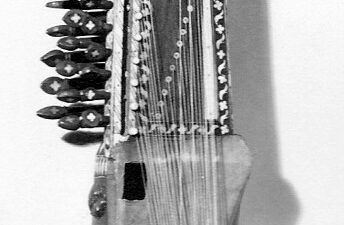
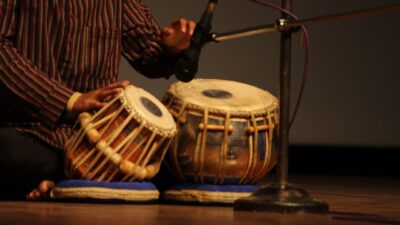
| वाद्य | Vocals · sarangi · tabla |
| भाव | विरह · उदास · Painful |
| लेबल | The Gramophone & Typewriter Ltd. |
| बोल-स्थिति | सार्वजनिक |
जुड़े हुए पन्ने
Connected Plates · The Graph Made Visibleअटलस में कोई पन्ना अकेला नहीं — इस गीत से जुड़े गीत, कलाकार, फ़िल्म, राग-ताल-विधा, सब यहाँ से खुलते हैं।
मिलते-जुलते गीत · Related Songs
कलाकार · The Artists
युग · The Era
साझा कीजिए · Share this Plate