कहानियाँ विंग · कहानी · Music Theory
विदाई की रानी: जब हर स्वर झुक जाता है
The Queen of Farewell: When Every Note Bends
सबसे बहुमुखी थाट, भक्ति और विदाई दोनों के लिए उपयुक्त
प्रकाशित31 March 2026 पाठ७ मिनट का पाठ
आमुख
भैरवी थाट एक विरोधाभास है जो एक विरोधाभास में लपेटा हुआ है। यह सभी हिंदुस्तानी थाटों में सबसे समतल है—चार नोट कोमल रूप में दिखाई देते हैं: कोमल रे, कोमल ग, कोमल ध, और कोमल नी।
सबसे अधिक समतल थाट: भैरवी का विरोधाभास
The Most-Flattened Thaat: Bhairavi's Paradoxभैरवी थाट एक विरोधाभास है जो एक विरोधाभास में लपेटा हुआ है। यह सभी हिंदुस्तानी थाटों में सबसे समतल है—चार नोट कोमल रूप में दिखाई देते हैं: कोमल रे, कोमल ग, कोमल ध, और कोमल नी। फिर भी इस प्रचुरता के बावजूद समतलता के, जो एकरूपता या अंधकार का सुझाव दे सकता है, भैरवी विरोधाभासी रूप से सभी थाटों में सबसे बहुमुखी और उज्ज्वल है। यह किसी भी थाट की सबसे विस्तृत भावनात्मक श्रृंखला को समायोजित करता है, सुबह की प्रार्थना और एक समापन टुकड़े में समान रूप से घर पर दिखाई देता है जो एक संगीत समारोह को उसकी भावनात्मक समापनी पर लाता है। पैमाना है: कोमल रे, कोमल ग, शुद्ध म, शुद्ध प, कोमल ध, कोमल नी। यह संयोजन—चार समतल दो प्राकृतिक नोटों द्वारा संतुलित—भारतीय संगीत सिद्धांतकारों द्वारा 'रस-अनंता' के रूप में मान्यता प्राप्त है (अनंत भावनात्मक क्षमता)। जहाँ बिलावल प्रमुख सरलता के लिए है और असावरी अंधकार में बैठ जाता है, भैरवी झुकता है, लचीला है, और समायोजन करता है। यह थाट दुनिया का आकार-परिवर्तक है। किंवदंती है कि भैरवी का मूलतः देवी भैरवी के नाम पर रखा गया था—वह स्त्री, भयंकर देवी ऊर्जा जो सृजन और विनाश दोनों में दिखाई देती है। यह द्वैत पूरी तरह से थाट के सार को पकड़ता है: यह नरम और भक्तिपूर्ण हो सकता है (सुबह की प्रार्थना के बारे में सोचें) या भयंकर और परिवर्तनकारी (एक पूरे संगीत समारोह को सारांशित करने वाले समापन राग के बारे में सोचें)। भैरवी वह थाट है जो एकल भावनात्मक क्षेत्र को नहीं चुनता; इसके बजाय, यह एक बार में सभी क्षेत्रों को उपनिवेशित करता है।
अंग्रेज़ी में पढ़ें · Read in English
Bhairavi Thaat is a paradox wrapped in a contradiction. It is the most flattened of all Hindustani thaats—four notes appear in their komal (flat) form: komal re, komal ga, komal dha, and komal ni. Yet despite this abundance of flatness, which might suggest uniformity or darkness, Bhairavi is paradoxically the most versatile and brightest thaat. It accommodates the widest emotional range of any thaat, appearing equally at home in a morning prayer and in a concluding piece that brings a concert to its emotional closure.
The scale is: komal re, komal ga, shuddha ma, shuddha pa, komal dha, komal ni. This combination—four flats balanced by two natural notes—creates what Indian music theorists recognize as 'rasa-ananta' (infinite emotional capacity). Where Bilaval sticks to major simplicity and Asavari settles into darkness, Bhairavi bends, flexes, and accommodates. It is the shape-shifter of the thaat world.
Legend has it that Bhairavi was originally named for the Goddess Bhairavi—the feminine, fierce divine energy that appears in both creation and destruction. This duality perfectly captures the thaat's essence: it can be tender and devotional (think of dawn prayers) or fierce and transformative (think of closing raags that summarize an entire concert). Bhairavi is the thaat that doesn't choose a single emotional territory; instead, it colonizes all territories at once.
प्रातःकाल प्रार्थना से संगीत समारोह के अंत तक: भैरवी की सार्वभौमिक भाषा
From Dawn Prayer to Concert Finale: Bhairavi's Universal Languageभैरवी की सबसे उल्लेखनीय विशेषताओं में से एक शुरुआत और अंत दोनों के रूप में इसकी भूमिका है। परंपरागत हिंदुस्तानी संगीत समारोह में, उद्घाटन टुकड़ा अक्सर धीमे, ध्यान मुद्रा में एक राग है—और कई ऐसे उद्घाटन राग भैरवी थाट से संबंधित हैं। ये सुबह के राग (मंगल—शुभता से जुड़े) भैरवी के समतल नोटों को एक आध्यात्मिक जागरण, देवता को आमंत्रित करने, श्रोता के दिल को संगीत समारोह के लिए तैयार करने के मनोदशा को बनाने के लिए उपयोग करते हैं। फिर भी भैरवी एक संगीत समारोह के समापन राग के रूप में भी दिखाई देता है। जब एक गायक या वादक विभिन्न समय के बीच कई राग और भावनात्मक क्षेत्रों की खोज कर चुका है, तो वह अक्सर बंद करने के लिए प्रदान करने के लिए भैरवी-परिवार के राग के साथ निष्कर्ष निकालता है। राग भैरवी स्वयं, थाट का समनामांक, एक समापन टुकड़े के रूप में किंवदंती है। एक कुशल कलाकार राग की लचक का उपयोग करके पहले राग से विषयों और भावनाओं को बुनता है, समारोह के सभी धागों को एक एकीकृत भावनात्मक कथन में लाता है। ऐसा है मानो कलाकार कहता है, 'यहाँ सब कुछ है जो हमने एक साथ खोजा है; अब मुझे बताएँ कि यह सब कैसे जुड़ता है।' यह कारण है कि हिंदुस्तानी शास्त्रीय संगीत के किसी भी गंभीर छात्र के लिए भैरवी सीखना एक मील का पत्थर है। भैरवी में महारत प्राप्त करना समापन की भाषा, संश्लेषण की, विखंडित भावनात्मक अनुभवों को कुछ पूर्ण में बुनने का अधिकार है। कई घंटे की अवधि वाले एक संगीत समारोह में, विभिन्न राग विभिन्न मनोदशा और गति में प्रदर्शित किए जाते हैं, भैरवी समापन में आगमन, पूर्ण, अनुग्रह की भावना प्रदान करने का भार पड़ता है।
अंग्रेज़ी में पढ़ें · Read in English
One of the most striking features of Bhairavi is its role as both a beginning and an ending. In traditional Hindustani concerts, the opening piece is often a raga performed in slow, meditative tempo—and many such opening ragas belong to the Bhairavi thaat. These dawn raags (associated with mangal—auspiciousness) use Bhairavi's flattened notes to create a mood of spiritual awakening, of invoking the divine, of preparing the listener's heart for the concert ahead.
Yet Bhairavi also appears as the concluding raga of a concert. When a vocalist or instrumentalist has explored multiple raags across different times of day and emotional territories, they often conclude with a Bhairavi-family raga to provide closure. Raag Bhairavi itself, the thaat's namesake, is legendary as a concluding piece. A skilled performer uses the raga's flexibility to weave together themes and emotions from earlier raags, bringing all the concert's threads into a single, unified emotional statement. It is as if the performer says, 'Here is all we have explored together; now let me show you how it all connects.'
This is why learning Bhairavi is a milestone for any serious student of Hindustani classical music. To master Bhairavi is to master the language of closure, of synthesis, of taking fragmented emotional experiences and weaving them into something whole. In a concert lasting several hours, with multiple raags performed across different moods and tempos, it falls to the Bhairavi conclusion to provide the sense of arrival, of completion, of grace.
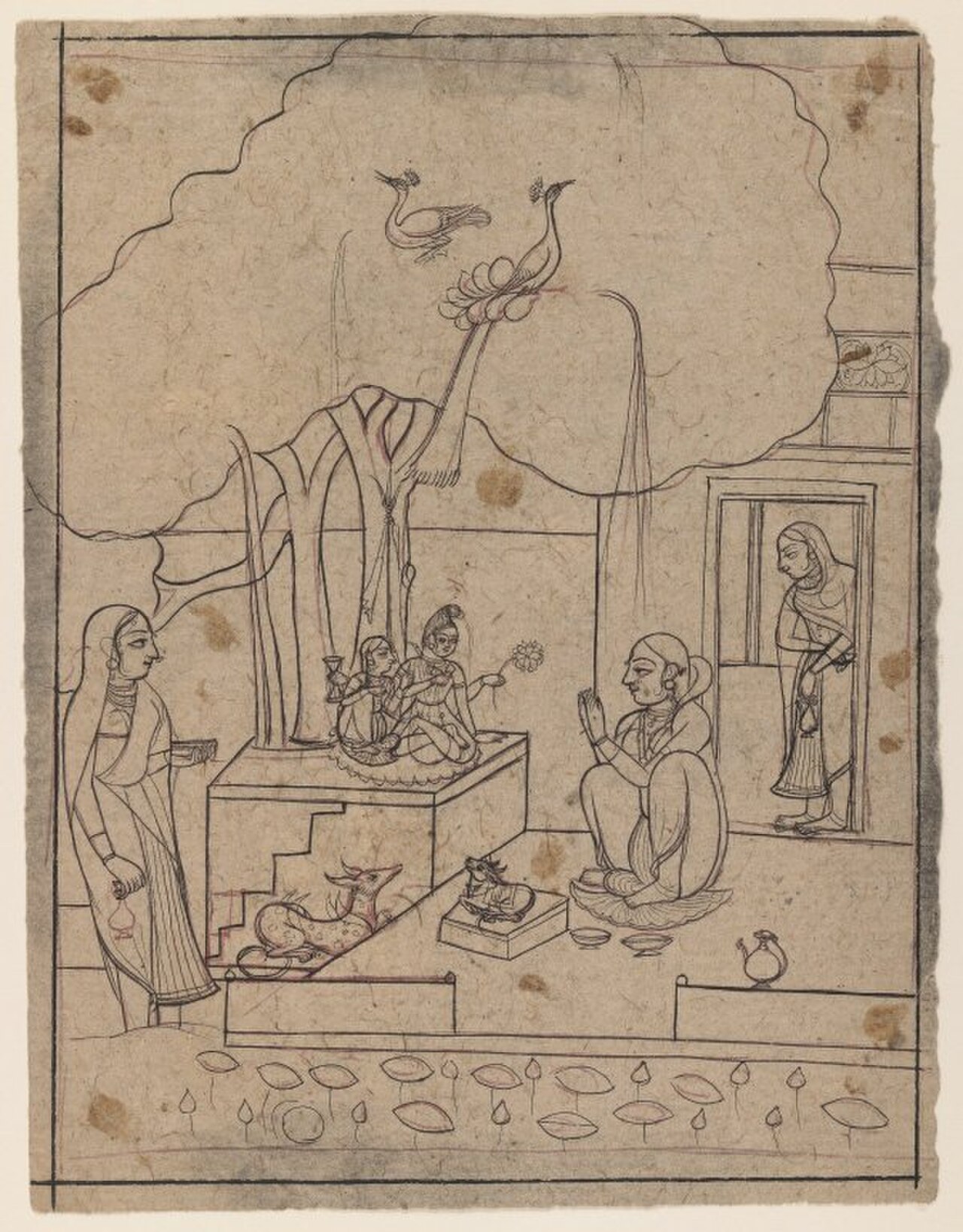
राग भैरवी: अंतिम आकार-परिवर्तक
Raag Bhairavi: The Ultimate Shape-Shifterराग भैरवी स्वयं हिंदुस्तानी शास्त्रीय संगीत के सभी में सबसे अध्ययन किए गए, प्रदर्शित, और प्रेमपूर्ण राग में से एक के रूप में खड़ा है। अत्यधिक विशिष्ट राग के विपरीत जो विशेष मनोदशा या दिन के समय की मांग करते हैं, भैरवी किसी भी समय, किसी भी गति में, किसी भी अवसर के लिए प्रदर्शनीय है। एक संगीतकार राग भैरवी को एक धीमे, ध्यान उद्घाटक के रूप में या एक तेज गति वाले, उत्साही समापन टुकड़े के रूप में प्रदर्शित कर सकता है। एक कलाकार भैरवी को विभिन्न मनोदशा, आनंद, दुःख, या दार्शनिक पूछताछ व्यक्त करने के लिए उपयोग कर सकता है, इस पर निर्भर करता है कि कलाकार इसके परिदृश्य को कैसे नेविगेट करना चुनता है। भैरवी परिवार में कई उल्लेखनीय सदस्य शामिल हैं: सिंधुभैरवी (भैरवी को दक्षिण भारतीय परंपरा के तत्वों के साथ जोड़ना), मल्हार (एक राग जो समान नोट का उपयोग करता है लेकिन पूरी तरह से अलग भावनात्मक संदर्भ में), और चंद्रकांस (गेय, प्रेम-गीत राग)। प्रत्येक समान मूल पैमाने का उपयोग करता है लेकिन इसे एक अलग कोण से खोजता है, कई तरीकों से काटे गए गहने की तरह प्रकाश के विभिन्न पहलुओं को प्रकट करता है। हिंदी फिल्म संगीत में, राग भैरवी अनगिनत भक्ति गीतों में दिखाई दिया है, विशेष रूप से सुबह की प्रार्थना के दृश्यों में। 1945 की फिल्म 'छोटी बहू' में एक भैरवी रचना दिखाई दी जो आइकॉनिक बन गई। यहाँ तक कि आधुनिक सिनेमा में, जब निर्देशकों को किसी दृश्य में आध्यात्मिक गहराई या भावनात्मक समापन व्यक्त करना चाहता है, तो वे अक्सर भैरवी-आधारित संरचनाओं की ओर मुड़ते हैं। राग की लचक इसे एक मंदिर दृश्य या व्यक्तिगत अनुभूति के क्षण दोनों में काम करने की अनुमति देती है। फिल्म संगीतकारों ने समझा कि शास्त्रीय मास्टर जानते थे: भैरवी एक एकल टुकड़े के भीतर मानव भावना के पूर्ण स्पेक्ट्रम को व्यक्त कर सकता है।
अंग्रेज़ी में पढ़ें · Read in English
Raag Bhairavi itself stands as one of the most studied, performed, and loved raags in all of Hindustani classical music. Unlike highly specific raags that demand particular moods or times of day, Bhairavi is performable any time, in any tempo, for any occasion. A musician might perform Raag Bhairavi as a slow, meditative opener or as a fast-paced, exuberant concluding piece. The same raga can convey devotion, joy, sorrow, or philosophical inquiry, depending on how the performer chooses to navigate its landscape.
The Bhairavi family includes several notable members: Sindhubhairavi (combining Bhairavi with elements of the southern Indian tradition), Malkauns (a raga that uses the same notes but in a completely different emotional context), and Chandrakauns (the lyrical, love-song raga). Each uses the same parent scale but explores it from a different angle, much like a jewel cut in different ways reveals different facets of light.
In Hindi film music, Raag Bhairavi has been featured in countless devotional songs, particularly in morning prayer sequences. The 1945 film 'Chhoti Bahu' featured a Bhairavi composition that became iconic. Even in modern cinema, when directors want to convey spiritual depth or emotional closure in a scene, they often turn to Bhairavi-based compositions. The raga's flexibility allows it to work equally well in a temple scene or a moment of personal realization. Film composers understood what classical masters knew: Bhairavi could express the full spectrum of human emotion within a single piece.
विरोधाभास में निपुणता: भैरवी के साथ छात्र की यात्रा
Mastering Contradiction: The Student's Journey with Bhairaviहिंदुस्तानी शास्त्रीय संगीत के छात्रों के लिए, भैरवी एक दिलचस्प चुनौती प्रस्तुत करता है। समतल स्वरों की प्रचुरता शुरुआत में भ्रामक हो सकता है—क्यों इतने सारे नोट नरम किए गए हैं? जब हर चीज समान रूप से वैध प्रतीत होती है तो कोई राग का केंद्र कैसे ढूँढता है? फिर भी यह ही भ्रम राग की शिक्षा है। भैरवी छात्र को यह समझने के लिए मजबूर करता है कि संगीत एकल 'सही' उत्तर खोजने के बारे में नहीं है, बल्कि अनुग्रह के साथ जटिलता को नेविगेट करने के बारे में है। भैरवी सीखने वाला छात्र खोज करता है कि राग के कई नोट सीमा नहीं बल्कि एक स्वतंत्रता हैं। अनुभवी शिक्षकों को पता है कि भैरवी के लिए तैयार एक छात्र राग संगीत के उच्च समझ के लिए तैयार है। जब तक एक संगीतकार भैरवी को मास्टर करता है—मनोदशा के बीच परिवर्तन करने की क्षमता के साथ, कई कार्य करने के लिए, पूरी कहानियों को एकल प्रदर्शन में बताने के लिए—वे अनिवार्य रूप से सीख चुके हैं कि खुद को कैसे सुनें और अपने दर्शकों को कैसे सुनें, प्रामाणिकता खोए बिना कैसे अनुकूल करें, एकीकृत भावना में स्पष्ट गुणक खोजें। यह पाठ संगीत के बाहर जीवन में विस्तारित होता है। हमारी समकालीन दुनिया में, जहाँ हमें एक साथ कई चीजें होने के लिए कहा जाता है—व्यावसायिक फिर भी व्यक्तिगत, मजबूत फिर भी असुरक्षित, गंभीर फिर भी खेलपूर्ण—भैरवी इस प्रकार की एकीकरण के लिए एक संगीत टेम्पलेट प्रदान करता है। पैमाना सिखाता है कि जटिलता और सामंजस्य के बीच चुनना आवश्यक नहीं है, मानव अनुभव के कई पहलुओं और एकीकृत स्व की भावना के बीच। विदाई समारोह के अंत में दिए गए रानी की तरह, भैरवी हमें दिखाता है कि हमने अनुभव की सब कुछ को कैसे सम्मान करें और अभी भी अनुग्रह के साथ आगे बढ़ें।
अंग्रेज़ी में पढ़ें · Read in English
For students of Hindustani classical music, Bhairavi presents a fascinating challenge. The abundance of flat notes can initially feel confusing—why are so many notes softened? How does one find the raga's center when everything seems equally valid? Yet this very confusion is the raga's teaching. Bhairavi forces the student to understand that music is not about finding a single 'right' answer, but about navigating complexity with grace. A student learning Bhairavi discovers that the raga's many notes are not a limitation but a freedom.
Experienced teachers recognize that a student ready for Bhairavi is ready for a higher understanding of raag music itself. By the time a musician masters Bhairavi—with its ability to modulate between moods, to serve multiple functions, to tell complete stories in single performances—they have essentially learned how to listen to themselves and their audience, how to adapt without losing authenticity, how to find unity within apparent multiplicity.
This lesson extends beyond music into life itself. In our contemporary world, where we are asked to be many things simultaneously—professional yet personal, strong yet vulnerable, serious yet playful—Bhairavi offers a musical template for this kind of integration. The scale teaches that it is not necessary to choose between complexity and coherence, between the many facets of human experience and a unified sense of self. Like the Queen of Farewell bidding goodbye at the concert's end, Bhairavi shows us how to honor everything we have experienced and still move forward with grace.
परिचय
IdentityEpithet
सबसे बहुमुखी थाट, भक्ति और विदाई दोनों के लिए उपयुक्त
The most versatile thaat, suited for both devotion and closure
कहानी-नमूना
The Story Specimen| शीर्षक | विदाई की रानी: जब हर स्वर झुक जाता है · The Queen of Farewell: When Every Note Bends |
|---|---|
| श्रेणी | Music Theory |
| प्रकार | विशेष लेख |
| पाठ-समय | ७ मिनट का पाठ |
| प्रकाशित | 31 March 2026 — admin |
| टैग | thaat · raag · hindustani-classical · music-theory · raga-classification · bhairavi |
इस कहानी में
In This Story · The Cast & Its Platesकहानी में आए नामों के अटलस में अपने पन्ने हैं — यहीं से यात्रा जारी रखिए।
शब्दकोश-सूत्र · Glossary
राग-सूत्र · Raags
और कहानियाँ
More Stories from the Atlas


साझा कीजिए · Share this Plate
यह पन्ना आगे बढ़ाइए
सवाल-जवाब
Questions & Answersbhairavi-thaat-the-queen-of-farewell — यह कथा किस बारे में है? · What is this story about?
भैरवी थाट एक विरोधाभास है जो एक विरोधाभास में लपेटा हुआ है। यह सभी हिंदुस्तानी थाटों में सबसे समतल है—चार नोट कोमल रूप में दिखाई देते हैं: कोमल रे, कोमल ग, कोमल ध, और कोमल नी।