कहानियाँ विंग · कहानी · Industry · 1906
ओडिओन रिकॉर्ड्स का आगमन: एचएमवी के एकाधिकार को तोड़ना
Odeon Records Arrives: Breaking the HMV Monopoly
प्रतिद्वंद्विता भारतीय ग्रामोफोन बाजार को फिर से आकार देती है
प्रकाशित31 March 2026
आमुख
1906 में ओडिओन रिकॉर्ड्स के भारत आगमन ने एचएमवी के चार वर्षों के एकाधिकार को तोड़ दिया — और पहली बार भारतीय कलाकारों को दो लेबलों के बीच सौदेबाज़ी करने का अवसर मिला। परमेश्वरी बाई की बॉम्बे में रिकॉर्डिंग यह साबित करती थी कि कलकत्ते से बाहर भी रिकॉर्डिंग उद्योग पनप सकता है।
अंग्रेज़ी में पढ़ें · Read in English
Odeon Records' arrival in India in 1906 broke HMV's four-year monopoly, and for the first time Indian artists could negotiate between two competing labels. Parmeshwari Bai's tappa recorded in Bombay proved that the recording industry could flourish beyond Calcutta.
एकाधिकार का युग समाप्त
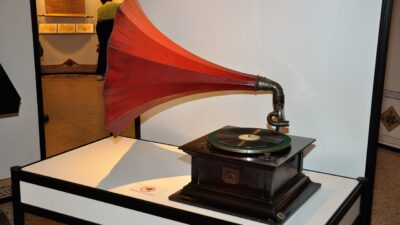
The Monopoly Era Ends1902 से 1905 तक, ग्रामोफोन कंपनी (एचएमवी की मूल कंपनी) भारतीय रिकॉर्ड संगीत में वास्तव में कोई प्रतिद्वंद्विता के साथ काम करती रही। फ्रेड गेसबर्ग की कलकत्ता में भारतीय कलाकारों की रिकॉर्डिंग ने एक लाभजनक बाजार बनाया था जिसे प्रतिद्वंद्वी नज़रअंदाज़ नहीं कर सकते थे। 1905 तक, जर्मन-आधारित ओडिओन रिकॉर्ड्स ने विश्व स्तर पर खुद को स्थापित कर लिया था और भारत को एक महत्वपूर्ण वृद्धि बाजार के रूप में लक्ष्य करना शुरू किया था। कंपनी जानती थी कि यह प्रौद्योगिकी के साथ प्रतिस्पर्धा नहीं कर सकती — सभी ग्रामोफोन कंपनियां समान ध्वनिक रिकॉर्डिंग विधियों का उपयोग करती थीं — लेकिन कलाकार की रोस्टर और बाजार पहुंच के साथ।
अंग्रेज़ी में पढ़ें · Read in English
From 1902 to 1905, the Gramophone Company (HMV's parent) operated with virtually no competition in Indian recorded music. Fred Gaisberg's recordings of Indian artists in Calcutta had created a lucrative market that competitors couldn't ignore. By 1905, however, German-based Odeon Records had established itself globally and begun targeting India as a critical growth market. The company knew it could compete not with technology — all gramophone companies used similar acoustic recording methods — but with artist roster and market access.
Odeon's strategy was simple but effective: offer higher fees to artists than HMV, expand recording locations beyond Calcutta, and aggressively market records across India. The first Odeon releases in India appeared in late 1905 and early 1906, and they immediately disrupted the market. Artists who had been loyal to HMV suddenly faced a choice. HMV, confident in its market position, initially underestimated the threat.
परमेश्वरी बाई और बॉम्बे का संबंध
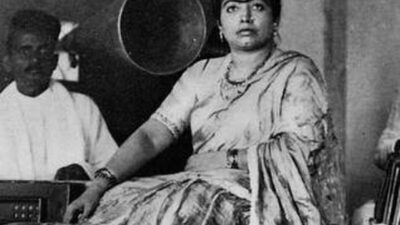
Parmeshwari Bai and the Bombay Connectionओडिओन की सबसे पहली भारतीय रिकॉर्डिंग में परमेश्वरी बाई का तप्पा था, जो कलकत्ता के बजाय बॉम्बे में रिकॉर्ड किया गया था। यह पसंद जानबूझकर था। बॉम्बे में रिकॉर्डिंग करके, ओडिओन ने यह संकेत दिया कि यह कलकत्ता के एकाधिकार के बाहर कलाकारों को रिकॉर्डिंग के अवसर दे सकता है। परमेश्वरी बाई, एक सम्मानित तप्पा विशेषज्ञ, 1906 में ओडिओन का मुख्य भारतीय कलाकार बन गईं।
अंग्रेज़ी में पढ़ें · Read in English
Among Odeon's earliest Indian recordings was Parmeshwari Bai's tappa, recorded in Bombay rather than Calcutta. This choice was deliberate. By recording in Bombay, Odeon signaled that it could offer recording opportunities to artists outside the Calcutta monopoly. Parmeshwari Bai, a respected tappa specialist, became Odeon's flagship Indian artist in 1906. Her decision to record for Odeon sent shockwaves through the industry: if one of India's finest vocalists would leave HMV, could others follow?
The tappa genre itself — a short, rhythmically complex form that showcased technical virtuosity — was perfect for demonstrating recording quality differences. Parmeshwari Bai's Odeon recording was clean, preserving the intricate rhythmic patterns and vocal precision that made tappa distinctive. This recording became proof that Odeon could compete on artistic quality, not just price.
बाजार का परिवर्तन और कलाकारों की शक्ति
Market Transformation and Artist Leverageओडिओन रिकॉर्ड्स के आगमन ने शक्ति के संतुलन को मौलिक रूप से बदल दिया। कलाकार, जो पहले एचएमवी की कीमत निर्धारण के दया पर थे, अचानक लाभ प्राप्त करने में सक्षम हो गए। एचएमवी को रिकॉर्डिंग शुल्क में वृद्धि करने और अपनी रोस्टर को बनाए रखने के लिए बेहतर शर्तें प्रदान करनी पड़ी।
अंग्रेज़ी में पढ़ें · Read in English
The arrival of Odeon Records in India fundamentally shifted the balance of power. Artists, who had previously been at the mercy of HMV's pricing, suddenly had leverage. HMV was forced to increase recording fees and offer better terms to retain its roster. This competition, while challenging for HMV's profits, was enormously beneficial for Indian artists. Recording rates rose, artists could negotiate exclusive or non-exclusive arrangements, and the industry began developing standard practices.
For listeners, competition meant more recording variety. Odeon's releases reached different regional markets through different distribution channels. The emergence of multiple labels meant that artists from different regions and gharanas now had realistic paths to commercial recording, rather than needing to travel to Calcutta and negotiate with a single company.
भविष्य का एक पैटर्न
A Pattern for the Futureओडिओन का 1906 में भारत में प्रवेश एक पैटर्न स्थापित करता है जो ग्रामोफोन युग के दौरान दोहराया जाएगा। जब भी कोई कंपनी बाजार वर्चस्व प्राप्त करती है, प्रतिद्वंद्वी आक्रामक कीमत निर्धारण और विस्तारित पहुंच के साथ प्रवेश करते हैं। भारत के संगीतकारों के लिए, यह प्रतिद्वंद्विता परिवर्तनकारी था। ग्रामोफोन एक विदेशी कंपनी द्वारा नियंत्रित एक नवीनता से एक वास्तविक लोकतांत्रिक माध्यम में विकसित हुआ।
अंग्रेज़ी में पढ़ें · Read in English
Odeon's entry into India in 1906 established a pattern that would repeat throughout the gramophone era. Whenever one company achieved market dominance, competitors would enter with aggressive pricing and expanded reach. Beka Records would follow Odeon, establishing Indian operations by 1908. Eventually, a dozen recording labels would operate in India, each competing for artists and market share.
For India's musicians, this competition was transformative. The gramophone evolved from a novelty controlled by a single foreign company into a genuinely democratic medium. By the early 1910s, artists from small towns in Bengal, musicians from Lucknow gharanas, even folk performers could realistically hope to make gramophone recordings without migrating to major cities. Odeon Records' 1906 arrival in India marks the moment when the recording industry began genuinely democratizing access to musical documentation.
परिचय
IdentityEpithet
प्रतिद्वंद्विता भारतीय ग्रामोफोन बाजार को फिर से आकार देती है
Competition reshapes the Indian gramophone market
अन्य विवरण
More Details- परमेश्वरी बाई · Parmeshwari Bai
Key Figures
कहानी-नमूना
The Story Specimen| शीर्षक | ओडिओन रिकॉर्ड्स का आगमन: एचएमवी के एकाधिकार को तोड़ना · Odeon Records Arrives: Breaking the HMV Monopoly |
|---|---|
| श्रेणी | Industry |
| प्रकार | Historical |
| प्रकाशित | 31 March 2026 — admin |
| वर्ष | 1906 |
और कहानियाँ
More Stories from the Atlas
साझा कीजिए · Share this Plate
यह पन्ना आगे बढ़ाइए
सवाल-जवाब
Questions & Answers1906 में ओडिओन रिकॉर्ड्स के आगमन से भारतीय कलाकारों को क्या लाभ हुआ? · How did the arrival of Odeon Records in 1906 benefit Indian artists?
दो लेबलों के बीच प्रतिस्पर्धा ने कलाकारों को सौदेबाज़ी की शक्ति दी। रिकॉर्डिंग शुल्क बढ़े, कलाकार बेहतर शर्तें माँग सकते थे, और बॉम्बे समेत नए स्थानों पर रिकॉर्डिंग का रास्ता खुला।
Competition between two labels gave artists bargaining power. Recording fees rose, artists could negotiate better terms, and recording opportunities opened at new locations including Bombay.
परमेश्वरी बाई का ओडिओन से जुड़ना क्यों महत्वपूर्ण था? · Why was Parmeshwari Bai's association with Odeon significant?
परमेश्वरी बाई एक सम्मानित तप्पा विशेषज्ञ थीं। उनका ओडिओन पर रिकॉर्ड करना इस बात का प्रमाण था कि एचएमवी के बाहर कोई नया लेबल भी गुणवत्तापूर्ण कलाकार आकर्षित कर सकता है।
Parmeshwari Bai was a respected tappa specialist. Her decision to record for Odeon proved that a new label outside HMV could attract quality artists, giving Odeon credibility in the Indian market.