गीत विंग · गीत-पट्टिका · Song Plate
ये कैसा अन्याय दाता
Ye Kaisa Anyay Data
सहगल ईश्वर से एक शिकायत को ध्यान में बदल देते हैं — न्यू थिएटर्स अपने सबसे अंतर्मुखी रूप में।
भावउदास · दार्शनिक
भाषाhindi गतिधीमी स्वरूपएकल पुरुष
श्रेय
The Creditsसूत्र-वाक्य · The Hook
सूत्र-वाक्य
सहगल ईश्वर से एक शिकायत को ध्यान में बदल देते हैं — न्यू थिएटर्स अपने सबसे अंतर्मुखी रूप में।
In EnglishSaigal turns a complaint to the Creator into a meditation — New Theatres at its most introspective.
पट्टिका-लेख
The Monographपरिचय Overview
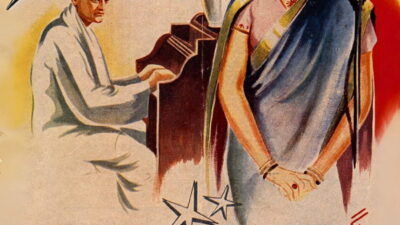
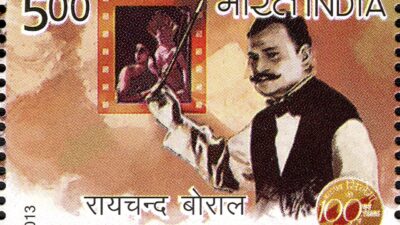
'ये कैसा अन्याय दाता' लगन (1941) में के.एल. सहगल के एकल गीतों में से एक है, जिसे आर.सी. बोराल ने रचा और डी.एन. माधोक ने लिखा। भाग्य और ईश्वर से प्रश्न करता यह चिंतनशील संबोधन उस आत्मनिष्ठ शैली में बैठता है जिसने इस काल के सहगल के न्यू थिएटर्स गीतों को परिभाषित किया।
अंग्रेज़ी में पढ़ें · Read in English
'Ye Kaisa Anyay Data' is one of K.L. Saigal's solo numbers from Lagan (1941), composed by R.C. Boral with lyrics by D.N. Madhok. A reflective address questioning fate and the divine, it sits in the contemplative register that defined Saigal's New Theatres songs of this period.
काव्य The Poetry
'दाता' का संबोधन — ईश्वर को 'देने वाला' कहना — उत्तर भारतीय भक्ति और अर्ध-भक्ति काव्य की परंपरा है जो भक्ति संतों से लेकर सूफ़ी क़व्वाली तक चलती है। डी.एन. माधोक इसे एक फ़िल्मी गीत के रोमांटिक संदर्भ में रखते हैं और भक्त की कृतज्ञता को शिकायत में बदल देते हैं: 'ये कैसा अन्याय।' प्रश्नवाचक रूप — एक भक्ति-परंपरा को पूछताछ में बदलना — माधोक के अधिक दार्शनिक साहसी बोलों की विशेषता है, जहाँ वक्ता को केवल समर्पण नहीं बल्कि प्रश्न करने की इजाज़त है। सहगल के लगन गीत प्राय: इस मध्यवर्ती स्थान में थे: न पूरी तरह रोमांटिक, न पूरी तरह भक्ति-प्रधान, बल्कि रोमांटिक पीड़ा को संसाधित करने के लिए भक्ति व्याकरण का उपयोग करते। 'अन्याय' का ढाँचा मानव पीड़ा के लिए दैवी जिम्मेदारी को निहित करता है — एक साहसी धार्मिक स्थिति जिसे गीत की शांत प्रस्तुति विरोध की बजाय विषाद में मंद कर देती है।
अंग्रेज़ी में पढ़ें · Read in English
The 'data' address — calling God 'the Giver' or 'the Provider' — is a convention of North Indian devotional and semi-devotional poetry running from the Bhakti saints through the Sufi qawwali tradition. D.N. Madhok places it inside a film song's romantic context, converting what is usually a devotee's gratitude into a complaint: 'Ye Kaisa Anyay' (What injustice is this). The question form — turning a devotional convention into an interrogation — is characteristic of Madhok's more philosophically daring lyrics, where the speaker is permitted to challenge, not merely submit. Saigal's Lagan songs often occupied this liminal space: neither purely romantic nor purely devotional, but using devotional grammar to process romantic pain. The 'anyay' (injustice) framing implies divine responsibility for human suffering — a bold theological position that the song's quiet delivery mutes into melancholy rather than protest.
कहानी The Story
लगन (1941) की पटकथा ने के.एल. सहगल के किरदार को भाग्य से, ईश्वर से, अपने भीतरी आत्मा से — दार्शनिक-भक्ति संबोधन के कई अवसर दिए जिसने फ़िल्म को रोमांटिक कथानक के साथ-साथ पीड़ा पर एक विचार-मंथन के रूप में काम करने दिया। 'ये कैसा अन्याय दाता' इस संबोधन का उच्चतम-दाँव संस्करण है: प्रिय से प्रेमी की विनती नहीं, बल्कि ईश्वर से मनुष्य की शिकायत। निर्देशक नितिन बोस और संगीतकार आर.सी. बोराल ने ऐसे गीतों को कथानक के अधिकतम भावनात्मक दबाव के बिंदुओं पर रखा। गीत की धीमी लय, विरल संगत, और सहगल की विशिष्ट अनाहूली पदावली — समाधान की ओर कभी जल्दी न करते — ने इसे फ़िल्म के नाटकीय तर्क के भीतर एक विस्तृत आंतरिक एकालाप की तरह काम करने दिया।
अंग्रेज़ी में पढ़ें · Read in English
Lagan's (1941) screenplay gave K.L. Saigal's character multiple occasions for philosophical-devotional address — conversations with fate, with the divine, with the inner self — that allowed the film to function as a meditation on suffering as much as a romantic plot. 'Ye Kaisa Anyay Data' represents the highest-stakes version of this address: not a lover's lament to the beloved but a human's complaint to God. Director Nitin Bose and composer R.C. Boral gave such songs deliberate placement at points of maximum emotional pressure in the narrative. The song's slow tempo, spare arrangement, and Saigal's characteristically unhurried phrasing — never rushing toward the resolution — made it function as a kind of extended internal monologue within the film's dramatic logic.
विरासत The Legacy
हिंदी फ़िल्म गीत में ईश्वर-को-शिकायत के दार्शनिक स्वर की एक दर्ज वंश-परंपरा है: इस जैसे शुरुआती सहगल गीतों से 1950 के दशक के 'मिलनेवाले मिलते हैं' प्रकार और 1960 के 'कोई नहीं अपना' गीतों तक। यह लगन संख्या ध्वनि-सिनेमा की सबसे पुरानी उदाहरणों में है जहाँ प्रेमी रोमांटिक भावना व्यक्त करने की बजाय दैवी अन्याय को संबोधित करने वाले रहस्यवादी के रूप में प्रकट होता है — एक परिवर्तन जो सहगल की अनूठी छवि ने संभव बनाया। ऐसी संख्याओं के लिए बोराल की स्वर-संयोजन शैली — विरल, नीची आवाज़, स्वर-प्रमुख — हिंदी फ़िल्म संगीत में संयमित भक्ति-गीत के लिए एक प्रारूप बन गई।
अंग्रेज़ी में पढ़ें · Read in English
The mode of the philosophical complaint-to-God in Hindi film song has a documented lineage: from early Saigal songs like this one through the 'milnewale milte hain' type numbers of the 1950s and the 'koi nahi apna' songs of the 1960s. This Lagan number is among the earliest instances in talking cinema of the lover-as-mystic addressing divine injustice rather than expressing romantic sentiment — a transition that Saigal's peculiar persona made possible. R.C. Boral's scoring style for such numbers — sparse, low in volume, voice-forward — became a template for the understated devotional number in Hindi film music. All India Radio programming through the 1950s regularly included Saigal's contemplative numbers from Lagan in its retrospective formats.
वर्गीकरण
Classification- Tempo
- Slow
Genre
अन्य विवरण
More Details- Wikipedia: Lagan (1941 film) — https://en.wikipedia.org/wiki/Lagan_(1941_film)
- Wikipedia: K.L. Saigal
- Wikipedia: Raichand Boral — https://en.wikipedia.org/wiki/Raichand_Boral
References
रोचक तथ्य
Margin NotesThe word 'data' (दाता) in the title is a Sanskrit-derived honorific meaning 'the Giver' or 'Provider', used in devotional verse to address God; its deployment in a romantic film context represents D.N. Madhok's characteristic blending of devotional and romantic modes.
नितिन बोस द्वारा निर्देशित लगन (1941) एक साथ हिंदी और बंगाली (बंगाली संस्करण का शीर्षक 'परिचय') में बनाई गई थी, जो 1930 के दशक के अंत और 1940 के दशक की शुरुआत में न्यू थिएटर्स की प्रमुख प्रस्तुतियों की एक मानक प्रथा थी।
अंग्रेज़ी में पढ़ें · Read in English
Lagan (1941) directed by Nitin Bose was made simultaneously in Hindi and Bengali (the Bengali version titled Porichoy), a standard New Theatres practice for its major productions in the late 1930s and early 1940s.
लगन में के.एल. सहगल के छह एकल गीत कई भावनात्मक स्वरों में रचे गए थे — चिंतनशील, दृढ़, विषादपूर्ण, दार्शनिक — जिससे इस फ़िल्म का संगीत एक ही प्रस्तुति में उनकी स्वर-क्षमता के सबसे विविध प्रदर्शनों में से एक बन गया।
अंग्रेज़ी में पढ़ें · Read in English
K.L. Saigal's six solo songs in Lagan were composed across multiple emotional registers — contemplative, resolute, melancholic, philosophical — making the film's score one of the most varied showcases of his vocal range in a single production.
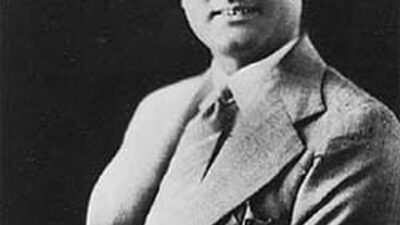
आर.सी. बोराल (1903–1981), जिन्होंने लगन का संगीत रचा, को 1978 में दादासाहेब फाल्के पुरस्कार और उसी वर्ष संगीत नाटक अकादमी पुरस्कार भी मिला — वे एकमात्र संगीत निर्देशक हैं जिन्हें एक ही वर्ष में दोनों पुरस्कार मिले।
अंग्रेज़ी में पढ़ें · Read in English
R.C. Boral (1903–1981), who scored Lagan, received the Dadasaheb Phalke Award in 1978 and the Sangeet Natak Akademi Award the same year — the only music director to receive both in a single year.
नमूना-पट्टी
The Specimen Table| शीर्षक | ये कैसा अन्याय दाता · Ye Kaisa Anyay Data |
|---|---|
| फ़िल्म | लगन · 1941 |
| वर्ष · युग | 1941 |
| गायक | K.L. Saigal |
| गीतकार | D. N. Madhok |
| संगीतकार | Rai Chand Boral |
| स्वरूप | एकल पुरुष |
| गति | धीमी |
| भाषा | hindi |
| भाव | उदास · दार्शनिक |
| लोकप्रियता | Popular |
| बोल-स्थिति | केवल झलक |
जुड़े हुए पन्ने
Connected Plates · The Graph Made Visibleअटलस में कोई पन्ना अकेला नहीं — इस गीत से जुड़े गीत, कलाकार, फ़िल्म, राग-ताल-विधा, सब यहाँ से खुलते हैं।
मिलते-जुलते गीत · Related Songs
कलाकार · The Artists
फ़िल्म · The Film
साझा कीजिए · Share this Plate