गीत विंग · गीत-पट्टिका · Song Plate
वो हमें बुलाये गोरी
Wo Hame Bulaye Gori
शादी के संगीत से एक प्रेमपूर्ण ख़ुर्शीद एकल गीत।
भावचुलबुला · रोमांटिक
भाषाhindi स्वरूपएकल महिला
श्रेय
The Creditsसूत्र-वाक्य · The Hook
सूत्र-वाक्य
शादी के संगीत से एक प्रेमपूर्ण ख़ुर्शीद एकल गीत।
In EnglishA romantic Khursheed solo from the Shaadi soundtrack.
पट्टिका-लेख
The Monographपरिचय Overview
'वो हमें बुलाये गोरी' 1941 की रणजीत मूवीटोन फ़िल्म शादी में ख़ुर्शीद द्वारा गाया गीत है, संगीत खेमचंद प्रकाश का। यह फ़िल्म के प्रेम-गीतों में से एक है और संगीत की प्रलेखित गीत-सूचियों में आता है, जिन पर ख़ुर्शीद की आवाज़ का प्रभुत्व था।
अंग्रेज़ी में पढ़ें · Read in English
'Wo Hame Bulaye Gori' is a song sung by Khursheed in the 1941 Ranjit Movietone film Shaadi, composed by Khemchand Prakash. It is among the film's romantic numbers and appears in the documented song listings for the soundtrack, which were dominated by Khursheed's voice.
काव्य The Poetry
शीर्षक 'वो हमें बुलाये गोरी' — 'वो गोरी (गोरी-चिट्टी) हमें बुला रही है' — तृतीय पुरुष 'वो' का प्रयोग करके प्रिया के आह्वान को वर्णित करता है, जो एक हल्की भावनात्मक दूरी बनाता है और आह्वान को एक दृश्य-स्वप्न में बदल देता है। 'गोरी' (अर्थात् गोरी-चमड़ी वाली) ब्रज काव्य और उत्तर भारत की लोक-गीत परंपरा में प्रिया के सबसे सामान्य विशेषणों में से एक है; यह एक परंपरागत सौन्दर्य-आदर्श को जगाते हुए स्त्रीत्व और आकर्षण को भी संकेतित करता है। 'हमें' (हम — प्रथम पुरुष बहुवचन) का एकवचन 'मुझे' की बजाय प्रयोग गीत को थोड़ा सामूहिक या सार्वजनिक आह्वान का स्वर देता है, मानो प्रिया के आह्वान को किसी अनुमानित श्रोता-वर्ग के सामने सुनाया जा रहा हो। यह व्याकरणिक चुनाव ब्रज-रंगत वाले प्रेम-गीतों में सामान्य था, जहाँ प्रेमी अपने अनुभव को एक निहित श्रोता से साझा करता है। ख़ुर्शीद की स्पष्ट, उच्च स्वर-लय और गीतात्मक अभिव्यक्ति की उनकी प्रवृत्ति ने उन्हें ऐसे खुले-स्वर वाले प्रेम-गीतों की आदर्श व्याख्याकार बनाया।
अंग्रेज़ी में पढ़ें · Read in English
The title 'Wo Hame Bulaye Gori' — 'That fair one (gori) calls out to us' — uses the third-person 'wo' (she/that one) to describe the beloved's summons, creating a slight emotional distance that transforms the summons into a vision. 'Gori' (literally 'the fair-complexioned one') is one of the most common epithets for the beloved in Braj poetry and the folk-song tradition of North India; it invokes a conventional aesthetic ideal while also signalling femininity and desirability. The use of 'hame' (us, we — the first-person plural) rather than the singular 'mujhe' gives the song a slight communal or public address, as if the summons of the beloved is being reported or shared. This grammatical choice was common in Braj-inflected romantic songs, where the lover speaks of his experience to an implied audience. Khursheed's clear, high register and her instinct for lyrical expression made her the ideal interpreter of such openly voiced romantic pieces.
कहानी The Story
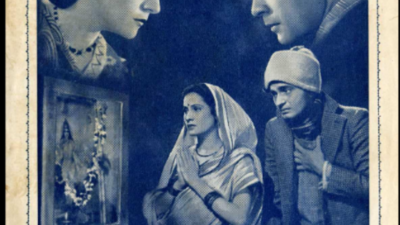
शादी (1941) रणजीत मूवीटोन की एक सामाजिक फ़िल्म थी, निर्देशक जयंत देसाई, संगीत खेमचंद प्रकाश और फ़िल्म स्तर पर बोल मुंशी दिल और डी.एन. माधोक में साझा। ख़ुर्शीद — 'वो हमें बुलाये गोरी' की प्रमाणित गायिका — 1940 से खेमचंद प्रकाश के नेतृत्व में रणजीत मूवीटोन की मुख्य आवाज़ थीं। उनका करियर 1941 में चरम पर था जब शादी और परदेसी जैसी फ़िल्मों ने उन्हें विभिन्न मनोभावों — भक्ति, प्रेम और हास्य — में सुरीले वाहन दिए। रणजीत मूवीटोन में खेमचंद प्रकाश की रचनाएँ गीत-फ़िल्म प्रारूप में हिंदुस्तानी शास्त्रीय तत्वों के मुहावरेदार प्रयोग के लिए उल्लेखनीय थीं; शास्त्रीय गायक और कत्थक नर्तक के रूप में उनके प्रशिक्षण ने उनके हल्के प्रेम-गीतों को भी प्रभावित किया। 'वो हमें बुलाये गोरी' का विशिष्ट दृश्य-संदर्भ उपलब्ध स्रोतों में प्रलेखित नहीं है, लेकिन फ़िल्म की सूची में प्रेम-गीत के रूप में इसका वर्गीकरण इसे ख़ुर्शीद के गीतात्मक प्रदर्शन-गीतों में रखता है।
अंग्रेज़ी में पढ़ें · Read in English
Shaadi (1941) was a Ranjit Movietone social film directed by Jayant Desai, with music by Khemchand Prakash and lyrics at the film level shared between Munshi Dil and D.N. Madhok. Khursheed — confirmed as the singer of 'Wo Hame Bulaye Gori' — was the principal voice of Ranjit Movietone's output under Khemchand Prakash from 1940 onwards. Her career reached a peak in 1941 when films like Shaadi and Pardesi gave her a series of melodic vehicles across different moods: devotional, romantic, and comedic. Khemchand Prakash's compositions at Ranjit Movietone were notable for their idiomatic use of Hindustani classical elements within the song-film format; his training as a classical vocalist and Kathak dancer informed even his lighter romantic numbers. The specific scene context for 'Wo Hame Bulaye Gori' is not documented in available sources, but its designation as a romantic number in the film's listing places it among Khursheed's lyrical showcase pieces.
वर्गीकरण
ClassificationGenre
अन्य विवरण
More Details- https://en.wikipedia.org/wiki/Khursheed_Bano
- https://www.cinemaazi.com/people/khursheed-1
- https://en.wikipedia.org/wiki/Khemchand_Prakash
- https://www.hindigeetmala.net/movie/shaadi_1941.htm
- https://grokipedia.com/page/shaadi_1941_film
References
रोचक तथ्य
Margin Notesख़ुर्शीद बानो (1914-2001), जिन्हें यहाँ ख़ुर्शीद के रूप में श्रेय दिया गया है, 1930-1940 के दशक के हिंदी सिनेमा की प्रमुख गायिका-अभिनेत्रियों में से एक थीं; रणजीत मूवीटोन में खेमचंद प्रकाश के साथ उनका करियर आरंभिक ध्वनि-युग की सबसे उत्पादक रचनात्मक साझेदारियों में से एक माना जाता है।
अंग्रेज़ी में पढ़ें · Read in English
Khursheed Bano (1914-2001), credited here as Khursheed, was one of the premier singer-actresses of 1930s-1940s Hindi cinema; her career at Ranjit Movietone under Khemchand Prakash is considered one of the most productive creative partnerships of the early sound era.
खेमचंद प्रकाश ने 1940 से 1945 के बीच रणजीत मूवीटोन के लिए 19 से 20 फ़िल्मों में संगीत दिया, जो उनके करियर का सबसे दीर्घकालिक स्टूडियो-संबंध बना।
अंग्रेज़ी में पढ़ें · Read in English
Khemchand Prakash composed music for 19-20 films for Ranjit Movietone between 1940 and 1945, making it the most sustained studio relationship of his career.
डी.एन. मधोक और मुंशी दिल, जो शादी फ़िल्म के गीतकार थे, आरंभिक हिंदी सिनेमा के सबसे विपुल गीतकारों में से थे; मधोक ने आगे चलकर 1940-50 के दशक के कुछ सबसे प्रसिद्ध गीत लिखे।
अंग्रेज़ी में पढ़ें · Read in English
D.N. Madhok and Munshi Dil, the film-level lyricists for Shaadi, were among the most prolific lyricists of early Hindi cinema; Madhok went on to write some of the most celebrated songs of the 1940s-50s.
ख़ुर्शीद 1948 में पाकिस्तान चली गईं, जिससे उनका भारतीय फ़िल्म करियर समाप्त हो गया; उपलब्ध गीत-सूचियों से यह पुष्टि होती है कि इसी फ़िल्म के गीत 'घिर घिर आई बदरिया' और 'हरि के गुण प्रभु के गुण' की आवाज़ वही थीं।
अंग्रेज़ी में पढ़ें · Read in English
Khursheed migrated to Pakistan in 1948, ending her Indian film career; she is confirmed by available song listings as the voice behind 'Ghir Ghir Aayi Badariya' and 'Hari Ke Goon Prabhu Ke Goon' from this same film.
नमूना-पट्टी
The Specimen Table| शीर्षक | वो हमें बुलाये गोरी · Wo Hame Bulaye Gori |
|---|---|
| फ़िल्म | शादी · 1941 |
| वर्ष · युग | 1941 |
| गायक | Khursheed |
| संगीतकार | Khemchand Prakash |
| स्वरूप | एकल महिला |
| भाषा | hindi |
| भाव | चुलबुला · रोमांटिक |
| लोकप्रियता | Obscure |
| बोल-स्थिति | केवल झलक |
जुड़े हुए पन्ने
Connected Plates · The Graph Made Visibleअटलस में कोई पन्ना अकेला नहीं — इस गीत से जुड़े गीत, कलाकार, फ़िल्म, राग-ताल-विधा, सब यहाँ से खुलते हैं।
मिलते-जुलते गीत · Related Songs
कलाकार · The Artists
फ़िल्म · The Film
साझा कीजिए · Share this Plate