गीत विंग · गीत-पट्टिका · Song Plate
साँची कहो मोसे बतियाँ
Sanchi Kaho Mose Batiyaan
साँची कहो — दुर्गा खोटे की अपनी आवाज़ में, 'फ़रेबी जाल' में धोखे का सामना, भारत की पहली टॉकीज़ में।
भावमीठा-कड़वा · तीव्र · उदास
भाषाBraj Bhasha · Hindi · Awadhi
श्रेय
The Creditsबोल · The Lyrics
पूरे बोल · Full Lyrics
शब्दकोश
Word Meaningsसूत्र-वाक्य · The Hook
सूत्र-वाक्य
साँची कहो — दुर्गा खोटे की अपनी आवाज़ में, 'फ़रेबी जाल' में धोखे का सामना, भारत की पहली टॉकीज़ में।
In EnglishTell me truly — Durga Khote's own voice confronting deception in a film called the Web of Deceit, in India's earliest talkies.
पट्टिका-लेख
The Monographपरिचय Overview
'साँची कहो मोसे बतियाँ' इंडियन आर्ट प्रोडक्शंस की आरंभिक भारतीय टॉकी फ़रेबी जाल (1931) में दुर्गा खोटे द्वारा कैमरे पर गाए तीन गीतों में से एक है। ब्रज-रंजित हिंदुस्तानी में, एक स्त्री एक धोखेबाज़ से सत्य माँगती है — गीत का धोखे के सामने खड़े होने का विषय फ़िल्म के शीर्षक 'फ़रेबी जाल' से सीधे मेल खाता है। अपने टॉकी-पदार्पण वर्ष में खोटे द्वारा कैमरे के सामने सजीव गाया गया, यह फ़िल्म के प्रिंट के साथ लगभग निश्चित रूप से खो चुका है।
अंग्रेज़ी में पढ़ें · Read in English
'Sanchi Kaho Mose Batiyaan' is one of three songs sung on camera by Durga Khote in Farebi Jaal (1931), an early Indian talkie by Indian Art Productions. In Braj-inflected Hindustani, a woman pleads for truth from a deceiver — the song's theme of confronting deception resonates directly with the film's title 'Farebi Jaal' (Web of Deception). Sung live on camera by Khote in her talkie debut year, it is almost certainly lost with the film print.
संगीत The Music
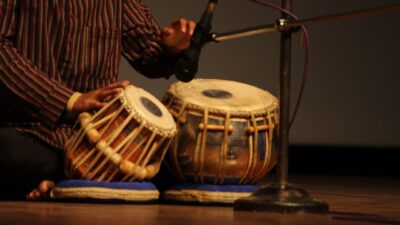
फ़रेबी जाल से दुर्गा खोटे का दूसरा दर्ज गीत ब्रज-रंजित लोक रजिस्टर — 'साँची', 'मोसे', 'बतियाँ' — का उपयोग करता है, जो फ़िल्मी उर्दू के प्रमुख मुहावरे के रूप में औपचारिक होने से पहले हिंदी गीत में एक स्त्री की अंतरंग याचना के लिए स्वाभाविक बोली थी। मास्टर वसंत की यह रचना इस देहाती, सीधी अपील को हारमोनियम और तबले — पारसी रंगमंच के साजों — के ख़िलाफ़ रखती होगी। धुन खो गई है, किंतु भाषा सुझावात्मक है: सरल, सीधी, धोखे पर बनी कहानी में सत्य माँगती हुई।
अंग्रेज़ी में पढ़ें · Read in English
Durga Khote's second surviving song from Farebi Jaal deploys the Braj-inflected folk register — 'saanchi', 'mose', 'batiyaan' — that was the natural dialect for a woman's intimate plea in popular Hindi song before the formalization of filmi Urdu as the dominant idiom. Master Vasant's composition would have set this rustic, direct appeal against harmonium and tabla, the instruments of the Parsi theatre stage. The melody is lost, but the language is evocative: plain, direct, asking for truth in a story built on deception.
काव्य The Poetry
उर्दू की जगह ब्रज-भाषा के चिह्नों ('साँची', 'मोसे', 'बतियाँ') का उपयोग एक जानबूझकर किया गया चुनाव है जो भावनात्मक रजिस्टर को स्त्री-सुलभ और घरेलू बनाता है। लोक मुहावरा उस स्त्री की आवाज़ लेकर आता है जो अपनी दुनिया के भीतर से बोल रही है — दरबारी पुरुष गीत की औपचारिक उर्दू नहीं — और इस तरह याचना को एक ऐसी संवेदनशीलता और सीधापन देता है जिसे औपचारिक भाषा कुंद कर देती। मास्टर वसंत ने दुर्गा खोटे के लिए गाए जाने वाले गीत के लिए यह रजिस्टर चुनते हुए अपने माध्यम की भावनात्मक व्याकरण को समझा।
अंग्रेज़ी में पढ़ें · Read in English
The use of Braj Bhasha markers ('saanchi', 'mose', 'batiyaan') instead of Urdu is a deliberate choice that feminizes and domesticates the emotional register. The folk idiom carries the voice of a woman speaking from within her world — not the formal Urdu of the courtly male lyric — and thereby gives the plea a vulnerability and directness that formal language would blunt. Master Vasant, choosing this register for a song to be sung by Durga Khote, understood the emotional grammar of his medium.
कहानी The Story
फ़रेबी जाल (धोखे का जाल) के आख्यान में, एक स्त्री का 'साँची कहो' पूछना एक नाटकीय रूप से भरा-पूरा दृश्य है — धोखाखोरे के विरुद्ध धोखे का सामना। परदे पर दुर्गा खोटे का यह गीत फ़िल्म के संघर्ष का नाटकीय केंद्र था: उनका चरित्र उन झूठों का सीधे सामना कर रहा है जिनकी घोषणा फ़िल्म का शीर्षक करता है। पार्श्वगायन-पूर्व युग में यह टकराव आंत में उतरने वाला था — अभिनेत्री की अपनी आवाज़, उनका अपना शरीर, उनकी अपनी साँस आरोप सुनाती हुई।
अंग्रेज़ी में पढ़ें · Read in English
In the narrative of Farebi Jaal (Web of Deception), a woman asking 'tell me truly' is a dramatically loaded scene — the confrontation of deception by the deceived. Durga Khote's performance of this song on camera was the dramatic heart of the film's conflict: her character directly confronting the lies that the film's title announces. In the pre-playback era, this confrontation was visceral — the actress's own voice, her own body, her own breath delivering the accusation.
विरासत The Legacy
फ़रेबी जाल में दुर्गा खोटे का 'साँची कहो मोसे बतियाँ' हिंदी सिनेमा में किसी महिला अभिनेत्री के एक साथ अभिनय करने और एक टकराव वाले गीत को गाने के सबसे आरंभिक दर्ज उदाहरणों में से एक है। यह प्रतिरूप — एक धोखेबाज़ से सत्य माँगती स्त्री — दशकों में हिंदी फ़िल्म गीत में एक बार-बार आने वाला आदर्श बनेगा। यह 1931 में, दुर्गा खोटे की अपनी आवाज़ में, 'धोखे के जाल' नाम की फ़िल्म में प्रकट होता है — इससे इसे एक दस्तावेज़ी और साथ ही कलात्मक महत्व मिलता है।
अंग्रेज़ी में पढ़ें · Read in English
Durga Khote's singing of 'Sanchi Kaho Mose Batiyaan' in Farebi Jaal is among the earliest documented instances of a female actress simultaneously acting and singing a confrontational lyric in Hindi cinema. The pattern — woman demanding truth from a deceiver — would become a recurring archetype in Hindi film song across the decades. That it appears here, in 1931, in Durga Khote's own voice and in a film titled 'Web of Deception', gives it a documentary as well as artistic significance.
वर्गीकरण
ClassificationGenre
अन्य विवरण
More Details- Durga Khote — Wikipedia (filmography)
References
रोचक तथ्य
Margin Notes'साँची कहो मोसे बतियाँ' शीर्षक फ़रेबी जाल में दुर्गा खोटे के तीन गीतों में सबसे नाटकीय रूप से तीखा है — 'धोखे के जाल' नाम की फ़िल्म में सत्य की एक सीधी माँग।
अंग्रेज़ी में पढ़ें · Read in English
The title 'Sanchi Kaho Mose Batiyaan' is the most dramatically pointed of Durga Khote's three songs in Farebi Jaal — a direct demand for truth in a film called 'Web of Deception'.
इस गीत में ब्रज-भाषा के चिह्न ('साँची', 'मोसे', 'बतियाँ') उस लोक परम्परा को जगाते हैं जो औपचारिक उर्दू फ़िल्मी गीतों से पहले थी — एक भाषाई रजिस्टर जिस तक दुर्गा खोटे की अपनी शिक्षा ने उन्हें पहुँचाया होगा।
अंग्रेज़ी में पढ़ें · Read in English
The Braj Bhasha dialect markers ('saanchi', 'mose', 'batiyaan') in this song evoke the folk tradition that pre-dated formalized Urdu film lyrics — a linguistic register Durga Khote's own education would have given her access to.
नमूना-पट्टी
The Specimen Table| शीर्षक | साँची कहो मोसे बतियाँ · Sanchi Kaho Mose Batiyaan |
|---|---|
| फ़िल्म | फ़रेबी जाल · 1931 |
| वर्ष · युग | 1931 — Early Talkie Era |
| गायक | Durga Khote |
| गीतकार | Master Vasant |
| संगीतकार | Master Vasant |
| भाषा | Braj Bhasha · Hindi · Awadhi |
| वाद्य | harmonium · tabla |
| भाव | मीठा-कड़वा · तीव्र · उदास |
| बोल-स्थिति | सार्वजनिक |
जुड़े हुए पन्ने
Connected Plates · The Graph Made Visibleअटलस में कोई पन्ना अकेला नहीं — इस गीत से जुड़े गीत, कलाकार, फ़िल्म, राग-ताल-विधा, सब यहाँ से खुलते हैं।
मिलते-जुलते गीत · Related Songs
कलाकार · The Artists
फ़िल्म · The Film
साझा कीजिए · Share this Plate