गीत विंग · गीत-पट्टिका · Song Plate
सजन तुम निकले बेदर्दी
Sajan Tum Nikle Bedardi
सजन, तुम बेदर्दी निकले, अपनों से मुँह मोड़ चले — उलाहने और बिछोह का एक गीत।
भावमीठा-कड़वा · उदास
भाषाhindi गतिधीमी स्वरूपSolo
श्रेय
The Creditsसूत्र-वाक्य · The Hook
सूत्र-वाक्य
सजन, तुम बेदर्दी निकले, अपनों से मुँह मोड़ चले — उलाहने और बिछोह का एक गीत।
In EnglishBeloved, you turned out heartless, turning your face from your own — a song of reproach and parting.
पट्टिका-लेख
The Monographपरिचय Overview
दर्शन का एक उलाहना-गीत — प्रिय 'बेदर्दी' सिद्ध हुआ, अपनों से मुँह मोड़ता हुआ। बोल पंडित इंद्र के और संगीत नौशाद का; गायक का नाम बची हुई डिस्कोग्राफ़ियों में विश्वसनीय रूप से दर्ज नहीं है, इसलिए श्रेय खुला छोड़ा गया है। विश्वासघात-भक्ति का यह विषय उस भक्ति-रंगी भाव-स्तर के अनुरूप है जो पूरी फ़िल्म में बहता है।
अंग्रेज़ी में पढ़ें · Read in English
A song of reproach from Darshan — the beloved revealed as bedardi (heartless), turning away from those who were his own. Words are by Pandit Indra and music by Naushad; the singer is not reliably documented in surviving discographies, so the credit is left open. The theme of betrayed devotion fits the bhakti-tinged emotional register that runs through the film.
काव्य The Poetry
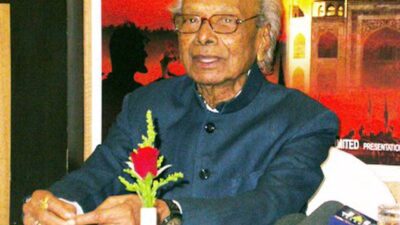
उद्घाटन उलाहना 'सजन तुम निकले बेदर्दी' — 'प्रिय, तुम बेदर्द निकले' — हिंदी-उर्दू फ़िल्मी गीत की विरह शैली से है, जिसमें गायक अनुपस्थित या उदासीन प्रिय का सीधे भावनात्मक आरोप के साथ सामना करता है। 'निकले' (निकले / प्रकट हुए) एक भंग प्रत्याशा का भार उठाता है: प्रिय को पहले बेदर्द नहीं जाना जाता था, किंतु अब उनके व्यवहार से वे ऐसे प्रकट हुए हैं। 'बेदर्दी' (बेदर्द, निर्मम — बे + दर्द: बिना पीड़ा/संवेदना के) हिंदी-उर्दू प्रेम-कविता के सबसे आवेशित शब्दों में से एक है, जो गायक की अपनी तीव्र संवेदनशीलता को प्रिय की स्पष्ट उदासीनता से विपरीत करता है। श्रेय-प्राप्त गीतकार पंडित इंद्र चंद्र राजस्थान के चूरू ज़िले से थे और 1933 में बम्बई आए; उन्होंने अंततः 128 फ़िल्मों में 875 से अधिक गीत लिखे, यद्यपि आज वे काफ़ी हद तक भुला दिए गए हैं। मुंबई में एक सड़क — कविवर पंडित इंद्र मार्ग — बाद में उनके सम्मान में नामित हुई। उनके बोल सीधेपन और भावनात्मक स्पष्टता की ओर झुकते थे।
अंग्रेज़ी में पढ़ें · Read in English
The accusatory opening 'Sajan Tum Nikle Bedardi' — 'Beloved, you turned out heartless' — belongs to the viraha (separation) genre of Hindi-Urdu film lyric, in which the singer confronts the absent or cold beloved with direct emotional accusation. 'Nikle' (turned out to be, revealed yourself as) carries the weight of a betrayed expectation: the beloved was not originally known to be heartless, but has now been disclosed as such by their behaviour. 'Bedardi' (heartless, without mercy — be + dard: without pain/feeling) is one of the most charged words in Hindi-Urdu love poetry, contrasting the singer's own supersaturated feeling with the beloved's apparent indifference. Pandit Indra Chandra, the credited lyricist, came from Churu district in Rajasthan and arrived in Bombay in 1933; he eventually wrote more than 875 songs in 128 films, though he is largely forgotten today. A road in Mumbai — Kavivar Pandit Indra Marg — was later named in his honour. His verses tended to directness and emotional legibility: this opening couplet, in which complaint and love coexist in one breath, is characteristic.
कहानी The Story
दर्शन (1941) का निर्देशन चिमनलाल लूहार ने किया था और यह नौशाद अली के शुरुआती कामों में से एक है — वे 1937 में किशोरावस्था में बम्बई आए थे और 1940 में 'प्रेम नगर' से पहली बार स्वतंत्र रूप से संगीत-निर्देशन किया था। 'दर्शन' एक त्वरित प्रारंभिक श्रृंखला — जिसमें 'माला', 'नई दुनिया', 'स्टेशन मास्टर' और 'संजोग' शामिल हैं — में उस समय तक आया जब नौशाद को 'रतन' (1944) से पहली बड़ी लोकप्रिय सफलता मिली। उनका करियर अंततः 35 रजत जयंती, 12 स्वर्ण जयंती और 3 हीरक जयंती सफलताओं तक फैला। गीतकार पंडित इंद्र चंद्र उसी काल के अधिक सक्रिय गीत-लेखकों में से एक थे, 1933 में बम्बई आए और 875 से अधिक गीतों की रचना की। फ़िल्म का भक्तिमय शीर्षक 'दर्शन' और इस गीत का भक्ति-रंगी भावात्मक स्वर एक ऐसे सामाजिक-नाटक का संकेत देते हैं जिसमें भक्तिमय या नैतिक धारा बहती है।
अंग्रेज़ी में पढ़ें · Read in English
Darshan (1941) was directed by Chimanlal Luhar and stands as one of the early works of Naushad Ali, who had arrived in Bombay as a teenager in 1937 and first composed independently for Prem Nagar (1940). Darshan followed among a rapid early string of films — including Mala, Nai Duniya, Station Master, and Sanjog — before Naushad found his first major popular success with Rattan (1944). His career would eventually extend to 35 silver jubilee hits, 12 golden jubilee and 3 diamond jubilee successes. The lyricist, Pandit Indra Chandra, was one of the more active song-writers of the same period, having arrived in Bombay in 1933 and built an output of over 875 songs. The film's devotional title, 'Darshan' (auspicious sight, vision of the divine), and the bhakti-tinged emotional register of this song suggest a social-drama with a devotional or moral thread — a type common in the early 1940s.
विरासत The Legacy
दर्शन (1941) नौशाद की आरंभिक फ़िल्मोग्राफ़ी में एक मामूली लेकिन दर्ज प्रविष्टि है, उनके उत्कर्ष से पहले की। इस शांत उत्पादन-काल और उनके बाद के अभूतपूर्व दौर के बीच का अंतर — जिसमें 'रतन' (1944), 'अनमोल घड़ी' (1946), 'दर्द' (1947), 'अंदाज़' (1949), 'बैजू बावरा' (1952) और 'मुग़ल-ए-आज़म' (1960) जैसे स्मरणीय स्कोर शामिल हैं — 'दर्शन' जैसी आरंभिक फ़िल्मों को एक महान संगीतकार की राह तलाश करने के अभिलेख के रूप में रोचक बनाता है। फ़िल्म में पंडित इंद्र चंद्र का योगदान उस गीतकार की एक छोटी स्मृति भी है जिनकी विपुल रचनाएँ (875+ गीत) जन-स्मृति से काफ़ी हद तक मिट गई हैं, यद्यपि मुंबई में उनके नाम की सड़क एक साधारण नागरिक श्रद्धांजलि के रूप में खड़ी है।
अंग्रेज़ी में पढ़ें · Read in English
Darshan (1941) is a minor but documented entry in the early Naushad filmography, predating his breakthrough. The contrast between this period of quiet output and his later phenomenal run — which included landmark scores for Rattan (1944), Anmol Ghadi (1946), Dard (1947), Andaz (1949), Baiju Bawra (1952), and Mughal-e-Azam (1960) — makes these early films like Darshan interesting as a record of a great composer finding his way. Pandit Indra Chandra's contribution to the film is also a small memorial to a lyricist whose prolific output (875+ songs) has been largely effaced from public memory, though the road named after him in Mumbai stands as a modest municipal acknowledgement.
वर्गीकरण
Classification- Tempo
- Slow
Genre
अन्य विवरण
More Details- https://en.wikipedia.org/wiki/Naushad
- https://en.wikipedia.org/wiki/Pandit_Indra_Chandra
- https://www.cinemaazi.com/people/naushad-ali
- https://myviewsonbollywood.wordpress.com/2018/03/23/music-maestro-naushad-ali-part-i-a-glimpse-into-naushads-early-days-of-struggle/
References
रोचक तथ्य
Margin Notesदर्शन (1941) एक स्वतंत्र संगीत निर्देशक के रूप में नौशाद की सबसे शुरुआती फिल्मों में से एक थी, जो उनके पदार्पण प्रेम नगर (1940) के तुरंत बाद आई; उन्हें रतन (1944) तक बड़ी लोकप्रिय सफलता नहीं मिली।
अंग्रेज़ी में पढ़ें · Read in English
Darshan (1941) was one of Naushad's earliest films as an independent music director, coming shortly after his debut Prem Nagar (1940); he would not achieve major popular success until Rattan (1944).
गीतकार पंडित इंद्र चंद्र (राजस्थान के चूरू से) ने 128 फिल्मों में 875 से अधिक गीत लिखे; मुंबई की एक सड़क — कविवर पंडित इंद्र मार्ग — का नाम बाद में उनके सम्मान में रखा गया।
अंग्रेज़ी में पढ़ें · Read in English
Lyricist Pandit Indra Chandra (from Churu, Rajasthan) wrote more than 875 songs across 128 films; a road in Mumbai — Kavivar Pandit Indra Marg — was later named in his honour.
फिल्म का शीर्षक 'दर्शन' (ईश्वर की शुभ झलक) 1940 के दशक के आरंभ की सामाजिक फिल्मों के सामान्य भक्ति-नैतिक स्वर का संकेत देता है।
अंग्रेज़ी में पढ़ें · Read in English
The film's title 'Darshan' (auspicious vision of the divine) signals the devotional-moral tone typical of early 1940s social films.
इस गीत के पार्श्वगायक को bombaymann2/hindigeetmala से व्युत्पन्न डिस्कोग्राफ़ी में 'सूचना उपलब्ध नहीं' के रूप में सूचीबद्ध किया गया है।
अंग्रेज़ी में पढ़ें · Read in English
The playback singer for this song is listed as 'info NA' (information not available) in the bombaymann2/hindigeetmala-derived discography.
नमूना-पट्टी
The Specimen Table| शीर्षक | सजन तुम निकले बेदर्दी · Sajan Tum Nikle Bedardi |
|---|---|
| फ़िल्म | दर्शन · 1941 |
| वर्ष · युग | 1941 |
| गीतकार | Pandit Indra |
| संगीतकार | Naushad |
| स्वरूप | Solo |
| गति | धीमी |
| भाषा | hindi |
| भाव | मीठा-कड़वा · उदास |
| लोकप्रियता | Obscure |
| बोल-स्थिति | केवल झलक |
जुड़े हुए पन्ने
Connected Plates · The Graph Made Visibleअटलस में कोई पन्ना अकेला नहीं — इस गीत से जुड़े गीत, कलाकार, फ़िल्म, राग-ताल-विधा, सब यहाँ से खुलते हैं।
कलाकार · The Artists
फ़िल्म · The Film
साझा कीजिए · Share this Plate