गीत विंग · गीत-पट्टिका · Song Plate
राधे रानी दे दारो ना बंसरी मोरी रे
Raadhe Raani De Daaro Naa Bansari Mori Re
“राधे रानी दे दारो ना बंसरी मोरी रे” — 1933 की फ़िल्म पूरन भगत का एक गीत। संगीत: आर.सी. बोराल। बोल: पं. सुदर्शन। गायन: के.एल. सहगल।
भावभक्ति
भाषाbraj-hindi
श्रेय
The Creditsसूत्र-वाक्य · The Hook
सूत्र-वाक्य
“राधे रानी दे दारो ना बंसरी मोरी रे” — 1933 की फ़िल्म पूरन भगत का एक गीत। संगीत: आर.सी. बोराल। बोल: पं. सुदर्शन। गायन: के.एल. सहगल।
In English“Raadhe Raani De Daaro Naa Bansari Mori Re” — a song from the 1933 film Puran Bhagat. Music: R.C. Boral. Lyrics: Pt. Sudarshan. Sung by K.L. Saigal.
पट्टिका-लेख
The Monographपरिचय Overview
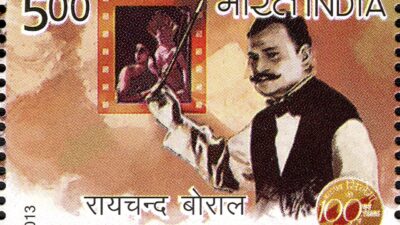
“राधे रानी दे दारो ना बंसरी मोरी रे” 1933 की फ़िल्म पूरन भगत के गीतों में से एक है। इसका संगीत आर.सी. बोराल ने दिया। बोल पं. सुदर्शन के हैं। इसे के.एल. सहगल ने गाया।
अंग्रेज़ी में पढ़ें · Read in English
“Raadhe Raani De Daaro Naa Bansari Mori Re” is one of the songs from Puran Bhagat (1933). The music is by R.C. Boral. The lyrics are by Pt. Sudarshan. It was performed by K.L. Saigal.
संगीत The Music
“राधे रानी दे दारो ना बंसरी मोरी रे” का संगीत पूरन भगत (1933) के लिए आर.सी. बोराल ने रचा। स्वर: के.एल. सहगल।
अंग्रेज़ी में पढ़ें · Read in English
“Raadhe Raani De Daaro Naa Bansari Mori Re” was set to music by R.C. Boral for the 1933 film Puran Bhagat. It is rendered by K.L. Saigal.
काव्य The Poetry
“राधे रानी दे दारो ना बंसरी मोरी रे” के बोल पं. सुदर्शन ने लिखे।
अंग्रेज़ी में पढ़ें · Read in English
The words of “Raadhe Raani De Daaro Naa Bansari Mori Re” were written by Pt. Sudarshan.
कहानी The Story
पूरन भगत (1933) में राधा-कृष्ण भजन एक विशिष्ट कथात्मक कार्य करते हैं: जब नायक पूरन सांसारिक जीवन त्यागता है, तो उसकी भक्ति मानवीय आसक्ति से ब्रज के दैवीय युगल की ओर स्थानांतरित हो जाती है। 'राधे रानी दे दारो ना बंसरी मोरी रे' — 'हे राधे रानी, मेरी बाँसुरी मत लेना' — कृष्ण की वाणी में एक ब्रज भाषा की पदावली है, राधा से बाँसुरी वापस देने की विनती। पूरन भगत के संगीत-पक्ष में इसका समावेश देबकी बोस की उस समझ को दर्शाता है कि ब्रज भक्ति-भंडार — सदियों के मंदिरों, कीर्तनों और मेलों में पाठ से पूरे उत्तरी मैदानों में परिचित — ने फ़िल्म के भक्ति-क्रमों को तैयार भावनात्मक गहराई प्रदान की। आर.सी. बोराल ने पाठ को एक लहराती लय में सजाया जो धमार-ध्रुपद शैली का संदर्भ देती है — परंपरागत रूप से होली के मौसम से जुड़ी, एक कृष्णाभक्त पर्व — जबकि सामान्य सिनेमा-दर्शक के लिए सुगम रहती है।
अंग्रेज़ी में पढ़ें · Read in English
Within Puran Bhagat (1933), the Radha-Krishna bhajans serve a specific narrative function: when the protagonist Puran abandons worldly life, his devotion migrates from human attachment to the divine couple of Braj. 'Raadhe Raani De Daaro Naa Bansari Mori Re' — 'O Radha Rani, do not take away my flute' — is a Braj Bhasha padavali in the voice of Krishna, pleading with Radha to return his flute. Its inclusion in the Puran Bhagat soundtrack reflects Debaki Bose's understanding that the Braj devotional corpus — familiar across the northern plains through centuries of recitation at temples, kirtans and melas — gave the film's devotional sequences a ready-made emotional depth. R.C. Boral set the text in a lilting tempo that references the dhrupad-dhamar style associated with the Holi season, a traditionally Krishnaite festival, while remaining accessible to the general cinema audience. Saigal's voice in this register is lighter than in the grief bhajans — more playful, inflected with the teasing quality that the Braj devotional tradition places in Krishna's voice.
विरासत The Legacy
पूरन भगत के ब्रज भाषा भजन — यह गीत उनमें शामिल — आरंभिक हिंदी रेडियो प्रसारण के भक्ति-भंडार का हिस्सा बन गए। ऑल इंडिया रेडियो लाहौर और कलकत्ता स्टेशनों ने न्यू थिएटर्स की रिकॉर्डिंग, सहगल के भजन सहित, 1930 और 1940 के दशकों में मानक भक्ति-प्रोग्रामिंग के रूप में उपयोग की। गीत इस प्रकार सिनेमा से उत्तरी भारत के व्यापक घरेलू ध्वनि-परिदृश्य में पार हो गए। विशिष्ट पाठ — राधा से कृष्ण की चंचल विनती — सदियों पुरानी कीर्तन परंपरा से है; न्यू थिएटर्स के फ़िल्मी संस्करण ने इसे उन शहरों और प्रांतों के दर्शकों तक पहुँचाया जहाँ पुरानी मौखिक परंपरा कमज़ोर हो गई थी।
अंग्रेज़ी में पढ़ें · Read in English
The Braj Bhasha bhajans from Puran Bhagat — this one among them — became part of the devotional repertoire of early Hindi radio broadcasting. All India Radio Lahore and Calcutta stations used New Theatres recordings, including Saigal's bhajans, as standard devotional programming in the 1930s and 1940s. The songs thereby crossed from cinema into the broader domestic soundscape of northern India. The specific text — Krishna's playful appeal to Radha — belongs to a centuries-old kirtan tradition; the New Theatres film version introduced it to audiences in cities and provinces where the older oral tradition had weakened, giving the ancient verse a new platform.
वर्गीकरण
ClassificationGenre
अन्य विवरण
More Details- Puran Bhagat (1933) — New Theatres, directed Debaki Bose
- Braj Bhasha devotional poetry — Ashtachhap poets tradition, Wikipedia EN
- K.L. Saigal — Wikipedia EN
- R.C. Boral — Wikipedia EN
- All India Radio history — early broadcasting in India
References
रोचक तथ्य
Margin Notesयह पाठ ब्रज भक्ति काव्य की सखी-भाव विधा से संबंधित है, जिसमें कृष्ण राधा को उनकी सखियों के माध्यम से संबोधित करते हैं — यह एक काव्य परंपरा है जिसकी जड़ें 16वीं सदी के अष्टछाप कवियों में हैं।
अंग्रेज़ी में पढ़ें · Read in English
The text belongs to the sakhī-bhāva genre of Braj devotional poetry, in which Krishna addresses Radha through her companions — a poetic convention with roots in the Ashtachhap poets of the 16th century.
पं. सुदर्शन ने 'पूरन भगत' की पटकथा के लिए ब्रज छंद को बिना किसी एक पूर्व-विद्यमान कवि को औपचारिक श्रेय दिए रूपांतरित किया, जैसा कि व्यापक रूप से प्रचलित पारंपरिक पाठों के साथ काम करते समय प्रथागत था।
अंग्रेज़ी में पढ़ें · Read in English
Pt. Sudarshan adapted the Braj verse for Puran Bhagat's screenplay without formal attribution to any single pre-existing poet, as was customary when working with widely circulating traditional texts.
न्यू थिएटर्स के पास बोराल के रिकॉर्डिंग सत्रों के लिए एक समर्पित स्टूडियो हारमोनियम वादक था; कलकत्ता स्टूडियो की विशिष्ट ध्वनि — आवाज़ के नीचे निरंतर बजता हारमोनियम — इस रिकॉर्डिंग में सुनी जा सकती है।
अंग्रेज़ी में पढ़ें · Read in English
New Theatres had a dedicated studio harmonium player for Boral's recording sessions; the characteristic Calcutta studio sound — harmonium continuo under the voice — is audible in this recording.
कहा जाता है कि सहगल ने 'पूरन भगत' के अधिकांश भजन न्यू थिएटर्स स्टूडियो में एक ही लंबे सत्र में गाए थे, और सत्र के दौरान उनकी आवाज़ धीरे-धीरे भक्ति भाव में ढलती गई।
अंग्रेज़ी में पढ़ें · Read in English
Saigal reportedly sang many of the Puran Bhagat bhajans in a single extended session at the New Theatres studio, his voice settling into the devotional mode progressively across the session.
निर्देशक देबकी बोस ने इससे पहले प्रभात में मराठी भाषा में संत तुकाराम (1932) बनाई थी — जिससे पूरन भगत से पहले ही संत-भक्ति फ़िल्म उनकी पहचान बन चुकी थी।
अंग्रेज़ी में पढ़ें · Read in English
Debaki Bose, the director, had previously filmed Sant Tukaram in Marathi (1932) at Prabhat — establishing the saint-devotional film as his signature genre before Puran Bhagat.
नमूना-पट्टी
The Specimen Table| शीर्षक | राधे रानी दे दारो ना बंसरी मोरी रे · Raadhe Raani De Daaro Naa Bansari Mori Re |
|---|---|
| फ़िल्म | पूरन भगत · 1933 |
| वर्ष · युग | 1933 |
| गायक | K.L. Saigal |
| गीतकार | Pandit Sudarshan |
| संगीतकार | Rai Chand Boral |
| भाषा | braj-hindi |
| भाव | भक्ति |
| लोकप्रियता | Very_popular |
| बोल-स्थिति | सार्वजनिक |
जुड़े हुए पन्ने
Connected Plates · The Graph Made Visibleअटलस में कोई पन्ना अकेला नहीं — इस गीत से जुड़े गीत, कलाकार, फ़िल्म, राग-ताल-विधा, सब यहाँ से खुलते हैं।
मिलते-जुलते गीत · Related Songs
कलाकार · The Artists
फ़िल्म · The Film
साझा कीजिए · Share this Plate