गीत विंग · गीत-पट्टिका · Song Plate
खोल पिंजरा
Khol Pinjara
किसी भयानक काम से बचने की डार्क कॉमेडी में 'खोल पिंजरा' गाती एक औरत — यह या त��� राष्ट्रगान है या कबूलनामा — शायद दोनों।
भावआनंदित · तीव्र · विद्रोही
भाषाHindi गतिModerate-Fast स्वरूपयुगल
श्रेय
The Creditsशब्दकोश
Word Meaningsसूत्र-वाक्य · The Hook
सूत्र-वाक्य
किसी भयानक काम से बचने की डार्क कॉमेडी में 'खोल पिंजरा' गाती एक औरत — यह या त��� राष्ट्रगान है या कबूलनामा — शायद दोनों।
In EnglishA woman singing 'Khol Pinjara' in a dark comedy about getting away with something terrible is either an anthem or a confession — maybe both.
पट्टिका-लेख
The Monographपरिचय Overview
"खोल पिंजरा" माँ बहन (2026) का सबसे राजनीतिक रूप से प्रा���ंगिक गीत है — पूजा तिवारी और संगीतकार-गायक आकाशदीप सेनगुप्ता ��ा युगल गीत ज��से शुभम शिरुले ने लिखा। शीर्��क 'पिंजरा खोलो' हिंदी लोक और सिनेमा में नारीवादी बिम्ब��वली की लंबी परंपरा को जगाता है। 3:42 की अवधि के साथ यह एल्ब��� का सबसे लंबा गीत है।
अंग्रेज़ी में पढ़ें · Read in English
"Khol Pinjara" is Maa Behen's (2026) most politically resonant track — a duet by Pooja Tiwari and composer-singer Akashdeep Sengupta with lyrics by Shubham Shirule. The title translates to 'Open the Cage,' invoking the long tradition of feminist imagery in Hindi folk and cinema (the 'pinjara' metaphor runs from classic ghazals to Nagraj Manjule's 2022 film Jhund). Koimoi's reviewer noted it 'blends folk influences authentically' and captures 'themes of freedom, rebellion, and chaos' — an apt description for a film about three women who refuse to be contained. At 3:42, it is the album's longest track. Director Suresh Triveni used it for the film's dramatic second-act turning point.
संगीत The Music
आकाशदीप सेनगुप्ता ने 'खोल पिंजरा' को पूजा तिवारी की ऊँचे स्वर वाल��� आवाज़ और अपनी खुरदुरी बैरिटोन के बीच एक प्रश्नोत्तर संरचना पर बनाया है — ध्वनि म���ं बंधन और मुक्ति के बीच संवाद का प्रतिनिधित्व करते हुए।
अंग्रेज़ी में पढ़ें · Read in English
Akashdeep Sengupta builds 'Khol Pinjara' on a call-and-response structure between Pooja Tiwari's higher-register female voice and his own rougher baritone — sonically representing the dialogue between constraint and freedom. The arrangement has been compared to Shankar Mahadevan's energetic style in early Shankar-Ehsaan-Loy compositions, though with a distinctly folk-pop production aesthetic rather than contemporary electronic.
काव्य The Poetry
शिरुले के बोल 'पिंजरा' के दोहरे अर्थ का खेल करते हैं — सामाजिक अपेक्षाओं का पिंजरा और वे शाब्दिक घरेलू स्थान जहाँ से फ़िल्म की नायिकाएँ भागने की कोशिश कर रही हैं।
अंग्रेज़ी में पढ़ें · Read in English
Shirule's lyrics play on the double meaning of 'pinjara' — the social cage of expectations and the literal domestic spaces the film's protagonists are trying to escape. The command form ('khol' — open it) addressed to an implied male gaze makes it more confrontational than a mere lament.
कहानी The Story
सं��ीत समीक्षा के अनुसार, सुरेश त्रिवेणी द्वारा फ़िल्म के दूसरे एक्ट का चरमोत्कर्ष ���ृश्य दिखाने के ब��द एक सत्र में गीत रचा गया। आकाशदीप सेनगुप्ता ने सत्र-गायक के बजाय अपने भाग स्वयं गाने पर जोर दिया।
अंग्रेज़ी में पढ़ें · Read in English
According to the music review notes, the song was composed in a single session after Suresh Triveni played Akashdeep Sengupta the film's second-act climax scene. Pooja Tiwari was selected for her folk-pop range; the Koimoi reviewer specifically praised her voice. Akashdeep Sengupta insisted on singing his own parts rather than using a session vocalist.
विरासत The Legacy
तीनों मुख्य अभिनेत्रियों को दर्शाने वाला 'खोल पिंजरा' वीडियो सोशल मीडिया पर 2026 की महिला एकजुटता सिनेमा का व्यापक रूप से प्रसारित प्रतीक बन गया।
अंग्रेज़ी में पढ़ें · Read in English
The 'Khol Pinjara' video — featuring all three lead actresses �� became a widely circulated symbol of 2026 female solidarity cinema on social media. Several feminist content creators on YouTube used clips from the song's sequence for commentary pieces on patriarchy in Bollywood.
वर्गीकरण
Classification- Tempo
- Moderate-Fast
Genre
अन्य विवरण
More Details- https://en.wikipedia.org/wiki/Maa_Behen
- https://www.youtube.com/watch?v=K0R2AWRH_Gg
- https://www.koimoi.com/bollywood-movies/music-reviews/maa-behen-music-review-this-album-celebrates-madhuri-dixits-kaand-to-perfection-it-is-dhak-dhak-ki-kasak-in-the-most-raw-form/
References
रोचक तथ्य
Margin Notes'पिंजरा' का रूपक हिंदी नारीवादी सिनेमा में लंबा इतिहास रखता है — 'पिंजरा' (1972) ने इसे सामाजिक मान्यताओं के शाब्दिक पिंजरे के रूप में प्रस्तुत किया था।
अंग्रेज़ी में पढ़ें · Read in English
The 'pinjara' metaphor has a long history in Hindi feminist film — Pinjara (1972) used it as a literal cage-of-social-norms framing.
3:42 मिनट की अवधि के साथ यह एल्बम का सबसे लंबा गीत है — जो दर्शाता है कि सुरेश त्रिवेणी को भरोसा था कि दर्शक इसकी पूरी अवधि में रुचि बनाए रखेंगे।
अंग्रेज़ी में पढ़ें · Read in English
At 3:42, this is the album's longest track — demonstrating Suresh Triveni's confidence that the audience would invest in its full runtime.
नमूना-पट्टी
The Specimen Table| शीर्षक | खोल पिंजरा · Khol Pinjara |
|---|---|
| फ़िल्म | माँ बहन · 2026 |
| वर्ष · युग | 2026 — Modern (2010+) |
| गायक | पूजा तिवारी, Akashdeep Sengupta |
| गीतकार | Shubham Shirule |
| संगीतकार | Akashdeep Sengupta |
| स्वरूप | युगल |
| गति | Moderate-Fast |
| अवधि | 3:42 |
| भाषा | Hindi |
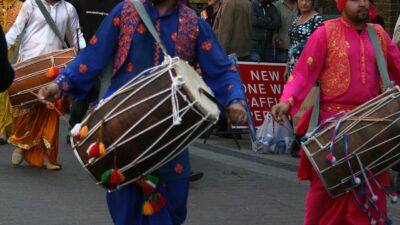
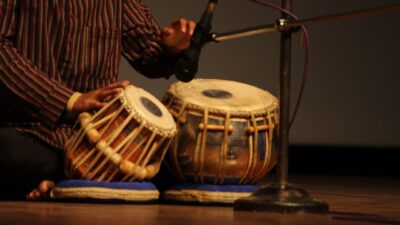
| वाद्य | dhol · tabla · harmonium · instrument-synthesizer |
| भाव | आनंदित · तीव्र · विद्रोही |
| लोकप्रियता | Popular |
| बोल-स्थिति | केवल झलक |
जुड़े हुए पन्ने
Connected Plates · The Graph Made Visibleअटलस में कोई पन्ना अकेला नहीं — इस गीत से जुड़े गीत, कलाकार, फ़िल्म, राग-ताल-विधा, सब यहाँ से खुलते हैं।
मिलते-जुलते गीत · Related Songs
कलाकार · The Artists
फ़िल्म · The Film
साझा कीजिए · Share this Plate
यह पन्ना आगे बढ़ाइए
सवाल-जवाब
Questions & Answersखोल पिंजरा का अर्थ क्या है? · What does Khol Pinjara mean?
'खोल पिंजरा' का अर्थ है 'पिंजरा खोलो' — सामाजिक और घरेलू बंधनों से मुक्ति की नारीवा���ी पुकार। 'पिंजरा' शब्द हिंदी संस्कृति में लंबे समय से महिलाओं पर लगाए गए प्रति��ंधों का प्रतीक रहा है।
'Khol Pinjara' means 'Open the Cage' — a feminist call for freedom from social and domestic constraints. The word 'pinjara' (cage) has long been used in Hindi culture to symbolise the restrictions placed on women.