शास्त्र विंग · वाद्य-पट्टिका · Instrument Plate
डुग्गी
Duggi
अन्य नामडुगी · डुक्कड़ (पंजाब) · दुग्गी · Dugi
परिचय
Overviewडुग्गी बंगाल के बाउल की धड़कन है — छोटे कटोरे पर मढ़ी बकरी की खाल, कमर से बँधी, फ़कीर के नाचते हाथों में बजती। एक हाथ एकतारा का सुर और दूसरा डुग्गी की नब्ज़ — यही सादगी बाउल संगीत की आत्मा है। तबले के बायाँ की लोक-बहन, फिर भी दरबार की नहीं, खुले रास्ते की ताल।
अंग्रेज़ी में पढ़ें · Read in English
The duggi is the heartbeat of the Bengali Baul — goatskin over a small bowl, strapped to the waist, sounding in the dancing hands of the fakir. One hand for the ektara's melody, the other for the duggi's pulse — this simplicity is the soul of Baul music. A folk sister of the tabla's bayan, yet the rhythm not of the court but of the open road.
वर्गीकरण
ClassificationNatya Shastra Category
अवनद्ध (Avanaddha - membranophone/percussion instruments)
अवनद्ध वर्ग में डुग्गी एक चर्म-मढ़ा घनाकार (कढ़ाईनुमा) वाद्य है जो खिंची हुई खाल पर उँगलियों और हथेली के आघात से ध्वनि उत्पन्न करता है। यह एकमुखी बास ताल-वाद्य है।
In the Avanaddha (membranophone) category of the Natya Shastra system, the duggi is a skin-covered kettle-shaped drum that produces sound through the strike of fingers and palm on a stretched membrane. It is a single-headed bass rhythm instrument.
Western Category
Membranophone (single-headed kettle drum)
Western Family
Hand drum / kettle-drum family (related to timpani in shape but hand-played and folk-tuned; a bass companion drum akin to the tabla's bayan)
Sub Classification
बनावट
PhysicalDescription Hindi
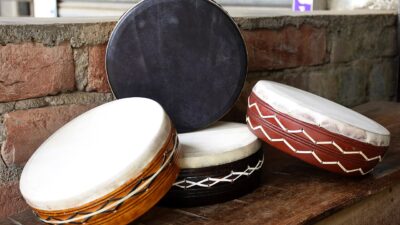
डुग्गी एक छोटी, कढ़ाई या कटोरे के आकार की एकमुखी ढोलक है जिसका गोल पेंदा बंद रहता है और ऊपरी खुले मुख पर चमड़े की झिल्ली मढ़ी जाती है। इसका आकार तबले के 'बायाँ' (बास ढोल) जैसा होता है, किंतु यह प्रायः लोक-परंपरा का सरल, हल्का वाद्य है जिसे कमर या कंधे से बाँधकर बजाया जाता है।
Description English
The duggi is a small, kettle- or bowl-shaped single-headed drum with a closed rounded base and a leather membrane stretched over the open top. In form it resembles the 'bayan' (bass drum) of the tabla pair, but it is usually a simpler, lighter folk instrument, often strapped to the waist or shoulder and played on the move.
Body
Rounded kettle / hemispherical bowl with a single playing face
गोल कढ़ाई या अर्धगोलाकार कटोरे जैसा, एक ही वादन-मुख
Clay/earthenware (traditional Bengal Baul), or turned wood or beaten metal (brass/copper) in other regions
मिट्टी/पकी मिट्टी (परंपरागत बंगाल बाउल), अथवा अन्य क्षेत्रों में लकड़ी या पीतल/ताँबे की चादर
15-25
Single closed kettle cavity that gives the drum its deep, rounded bass resonance
Membrane
1
A single playing head of goatskin stretched over the open mouth
खुले मुख पर मढ़ी बकरी की खाल की एक ही वादन-झिल्ली
Goatskin (sometimes with an inner second layer for tension in Baul-style drums)
बकरी की खाल (बाउल शैली में कभी-कभी तनाव हेतु भीतर एक दूसरी परत)
In some traditions a paste of rice/flour or a syahi-like patch is applied toward the centre to weight and tune the head
कुछ परंपराओं में झिल्ली के मध्य की ओर चावल/आटे का लेप या स्याही-सा टीका लगाकर स्वर साधा जाता है
Lacing
बद्धी / रस्सी
Lacing / straps
Leather or rope lacing (and sometimes tension rings or pegs) hold and tighten the membrane over the shell; a cloth or leather sling lets the player carry it at the waist
चमड़े या रस्सी की बद्धी (कहीं-कहीं कसाव के छल्ले या खूँटियाँ) झिल्ली को खोल पर कसती है; कपड़े या चमड़े का पट्टा वाद्य को कमर पर टाँगने देता है
Size Class
आकार
Size
A small, portable drum — smaller than a nagara, close in size and bass function to the tabla's left-hand bayan
Frets
यह ताल-वाद्य है, इसमें स्वर-पर्दे नहीं होते; स्वर हथेली के दबाव और खाल के तनाव से नियंत्रित होता है।
As a rhythm instrument it has no frets; pitch is shaded by palm pressure and by the tension of the head.
ध्वनि-चरित्र
SoundTonal Character Hindi
डुग्गी की ध्वनि गहरी, गोल और गूँजती हुई बास वाली है — तबले के बायाँ जैसी 'धिन-धा-गे' की गमक लिये। हथेली की एड़ी दबाकर स्वर को नीचे-ऊपर लचकाया जा सकता है, जिससे वह लोक-गायन के नीचे एक जीवंत, साँस लेती नब्ज़ रचती है।
Tonal Character English
The duggi's voice is deep, rounded and resonant — a bass throb like the tabla's bayan, carrying a 'dhin-dha-ge' hum. By pressing with the heel of the palm the player can bend the pitch up and down, laying a living, breathing pulse beneath folk singing.
Timbre
Warm, booming low register with a soft attack; a subtle pitch-glide when the palm rocks on the head
Range
Low bass register; a single tunable fundamental rather than a melodic range
Dynamic Range
From a soft heartbeat-like tap under a solo voice to a firm, carrying boom in open-air Baul processions
Techniques
सुनने का मार्गदर्शन
The Listening Guideडुग्गी का रस लेना हो तो किसी बाउल प्रस्तुति में बैठिए और एकतारा-डुग्गी के संवाद पर कान लगाइए — एक ओर एकतारा का ठहरा सुर, दूसरी ओर डुग्गी की चलती नब्ज़, और दोनों एक ही गायक के दो हाथों से। जब हथेली के दबाव से बास स्वर नीचे-ऊपर लचके, वही डुग्गी की बोलती आवाज़ है। धीमे भजन-से गीत से शुरू कीजिए, फिर तेज़ नाच वाले पदों तक जाइए।
अंग्रेज़ी में पढ़ें · Read in English
To hear the duggi, follow the dialogue of ektara and duggi in a Baul performance — how the ektara's held drone and the duggi's moving pulse come alive from the two hands of a single singer. When the pitch bends up and down under palm pressure, that is the duggi's 'talking' bass. Begin with a slow, meditative song, then listen to the faster dancing verses.
अन्य विवरण
More DetailsTimbre
Warm, booming low register with a soft attack; a subtle pitch-glide when the palm rocks on the head
रोचक तथ्य
Margin Notesनाम की गूँज — 'डुग्गी' नाम इसकी 'डुग-डुग' बास ध्वनि की अनुकरणात्मक उपज माना जाता है — वाद्य का नाम ही उसकी आवाज़ से बना है।
The name 'duggi' is thought to be onomatopoeic, echoing its 'dug-dug' booming bass — the instrument is named for its very sound.
एकतारा की जीवन-संगिनी — बाउल परंपरा में एकतारा और डुग्गी एक अटूट जोड़ी हैं। पार्वती बाउल जैसी कलाकार एक हाथ से एकतारा और कमर से बँधी डुग्गी दूसरे हाथ से बजाती हैं, और साथ-साथ नाचती-गाती हैं।
In the Baul tradition the ektara and duggi are an inseparable pair. Artists like Parvathy Baul play the ektara with one hand and the waist-slung duggi with the other, singing and dancing all the while.
शहनाई-वृंद का बास — डुग्गी केवल बाउल तक सीमित नहीं — पारंपरिक शहनाई-वादन मंडलियों में भी यह बास ताल-वाद्य के रूप में सुनी जाती रही है, जहाँ यह मधुर शहनाई के नीचे गहरी नब्ज़ रखती है।
The duggi is not confined to the Baul — it has also been heard as a bass rhythm instrument in traditional shehnai ensembles, holding a deep pulse beneath the sweet shehnai.
मिट्टी का शरीर, माटी की आवाज़ — बंगाल की बाउल डुग्गी अक्सर पकी मिट्टी की बनी होती है, जिससे वह हल्की और वहनीय रहती है और उसकी बास ध्वनि में एक 'माटी' जैसा मिट्टी-मंद रंग आ जाता है — घुमंतू फ़कीर के लिए आदर्श।
The Bengal Baul duggi is often made of fired clay, keeping it light and portable and lending its bass an earthy, 'maati' colour — ideal for the wandering fakir.
सवाल-जवाब
Questions & Answersडुग्गी क्या है?
डुग्गी एक छोटी, कढ़ाई या कटोरे के आकार की एकमुखी हस्त-ताल ढोलक है, जिसे उँगलियों और हथेली से बजाया जाता है। यह मुख्यतः बंगाल की बाउल परंपरा तथा उत्तर प्रदेश और पंजाब (जहाँ इसे 'डुक्कड़' कहते हैं) के लोक संगीत में बास-साथी वाद्य के रूप में प्रयुक्त होती है।
डुग्गी और डुक्कड़ में क्या अंतर है?
कोई अंतर नहीं — 'डुग्गी' और 'डुक्कड़' एक ही वाद्य के क्षेत्रीय नाम हैं। उत्तर प्रदेश और बंगाल में इसे 'डुग्गी'/'डुगी' और पंजाब में 'डुक्कड़' कहा जाता है।
बाउल संगीत में डुग्गी की क्या भूमिका है?
बाउल संगीत में डुग्गी एकतारा की अनिवार्य जोड़ीदार है। बाउल गायक एक हाथ से एकतारा का सुर छेड़ता है और कमर से बँधी डुग्गी को दूसरे हाथ से बजाते हुए नाचता-गाता है; डुग्गी पूरे गीत का बास-आधार देती है।
डुग्गी किस चीज़ से बनी होती है?
बंगाल की बाउल डुग्गी प्रायः पकी मिट्टी के छोटे कटोरे की बनी होती है (कुछ क्षेत्रों में लकड़ी या धातु), जिसके खुले मुख पर बकरी की खाल मढ़ी जाती है। यही मिट्टी का शरीर इसे हल्का, वहनीय और गहरी बास ध्वनि वाला बनाता है।
क्या डुग्गी तबले से संबंधित है?
हाँ। तबले का 'बायाँ' (बास ढोल) आकार और भूमिका में डुग्गी का ही परिष्कृत, स्याही-मढ़ा रिश्तेदार है। इस अर्थ में डुग्गी को शास्त्रीय बास-ताल की लोक-पूर्वज माना जा सकता है।
नमूना-पट्टी
The Specimen Table| नाम | डुग्गी · Duggi |
|---|---|
| अन्य नाम | डुगी · डुक्कड़ (पंजाब) · दुग्गी · Dugi · Dukkar (Punjab) · Duggi (also: Dukkar) |
| प्रकार | वाद्य · Instruments |
इस वाद्य के गीत
Songs of this Instruments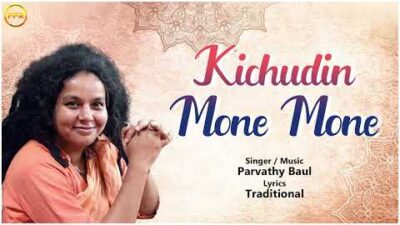
साझा कीजिए · Share this Plate