सिनेमा विंग · फ़िल्म-पट्टिका · Film Plate
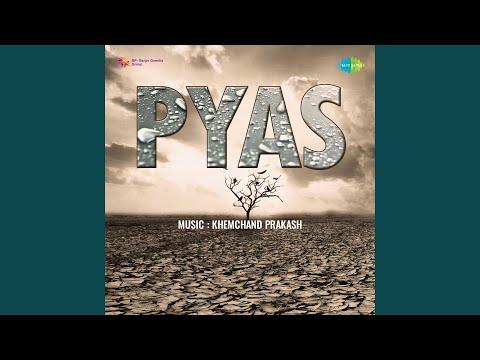
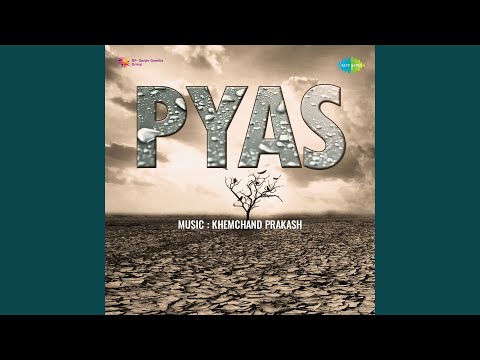
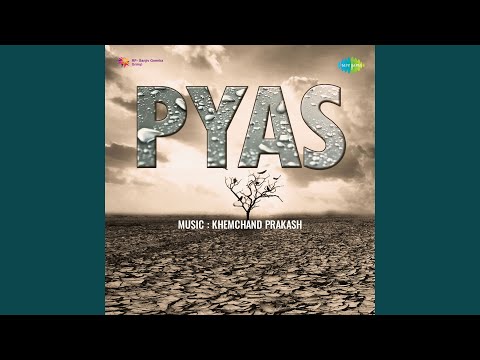
प्यास
Pyaas
शैलीSocial · Musical
भाषाhindi प्रकारकथा-चित्र (फ़ीचर)
गीत9 — नीचे पूरी संगीत-सूची
कथा-सार
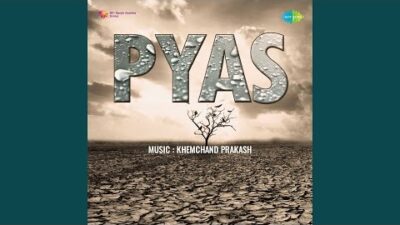
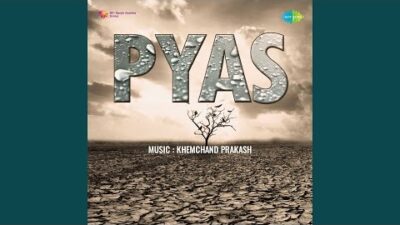
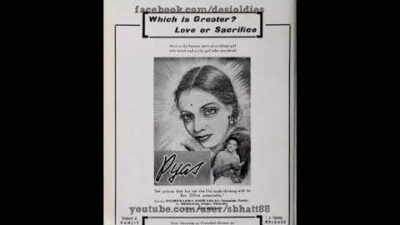
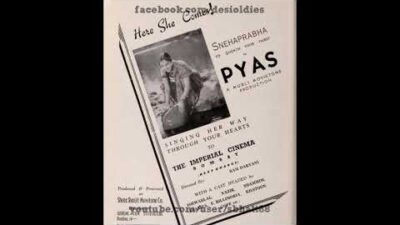
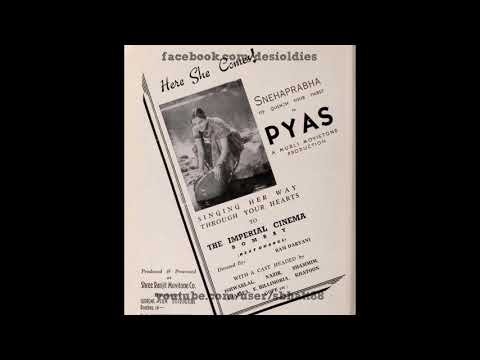
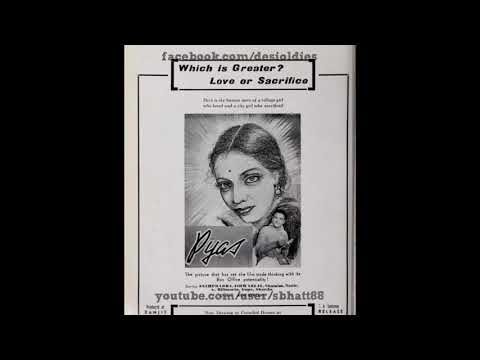
Synopsisप्यास (1941) मुर्ली मूवीटोन द्वारा निर्मित और राम दरयानी द्वारा निर्देशित एक हिंदी सामाजिक संगीत-प्रधान फ़िल्म थी, जिसका संगीत खेमचंद प्रकाश ने और गीत डी. एन. माधोक ने रचे। स्नेहप्रभा प्रधान और ईश्वरलाल की प्रमुख जोड़ी ने 1940 के दशक के आरंभिक बॉम्बे स्टूडियो मुहावरे में एक प्रेम-प्रधान सामाजिक नाटक को सँभाला। फ़िल्म के कथानक का विस्तृत दस्तावेज़ीकरण सुलभ स्रोतों में सुरक्षित नहीं है; फ़िल्म मुख्यतः अपने संगीत के माध्यम से जीवित है।
अंग्रेज़ी में पढ़ें · Read in English
Pyaas (1941) was a Hindi social musical produced by Murli Movietone and directed by Ram Daryani, with a score by Khemchand Prakash and lyrics by D. N. Madhok. The lead pair of Snehprabha Pradhan and Ishwarlal anchored a romance-driven social drama in the Ranjit-adjacent Bombay studio idiom of the early 1940s. Detailed plot documentation has not survived in accessible sources; the film is best preserved through its soundtrack.
संगीत-सूची
The Soundtrackफ़िल्म में नौ गीत थे, सभी खेमचंद प्रकाश के संगीत और डी. एन. माधोक के बोलों पर। 1940 के दशक के आरंभिक स्टूडियो तंत्र की प्रथा के अनुसार, गीत परदे के अभिनेताओं ने स्वयं गाए — अधिकांश गीत स्नेहप्रभा प्रधान और ईश्वरलाल ने सँभाले, कुछ में गोप और शमीम भी शामिल हुए। यह संग्रह एकल विरह-गीतों ('थक गए हैं मेरे आँसू') से लेकर हास्य-दार्शनिक 'बनाने वाले घड़ा मुझको बनाया होता' और लोक-रंगी प्रेम युगल-गीतों तक फैला है।
अंग्रेज़ी में पढ़ें · Read in English
The film carried nine songs, all composed by Khemchand Prakash to lyrics by D. N. Madhok. As was standard in the early-1940s studio system, the songs were sung by the on-screen actors themselves — Snehprabha Pradhan and Ishwarlal carry most of the numbers, with Gope and Shamim featuring on others. The repertoire ranges from solo laments ('Thak Gaye Hain Mere Aansoo') to the comic philosophical 'Banane Wale Ghada Mujhko Banaya Hota' and folk-flavoured romantic duets.
- सखी चलो नीर भरन को जाए Sakhi Chalo Neer Bharan Ko Jaaye स्वर: Snehprabha Pradhan
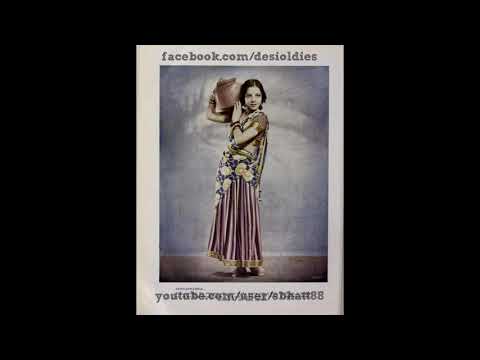
- भुलाना ना याद करो ना करो Bhulana Na Yaad Karo Na Karo स्वर: Snehprabha Pradhan, Ishwarlal
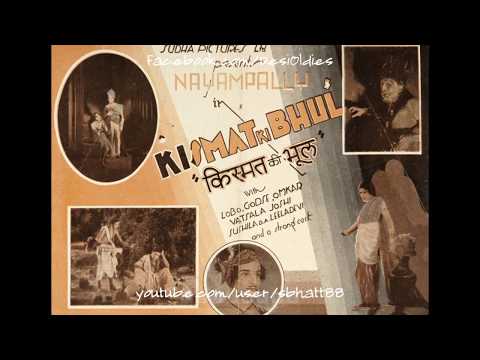
- अब घर आओ बालम मेरी कसम Ab Ghar Aao Balam Meri Kasam
- बनाने वाले घड़ा मुझको बनाया होता Banane Wale Ghada Mujhko Banaya Hota स्वर: Ishwarlal, Gope
- वो दिन भी हैं याद सजन Wo Din Bhi Hain Yaad Sajan स्वर: Snehprabha Pradhan
- जाके नैन मतवाले हैं Jaake Nain Matwale Hain स्वर: Ishwarlal, Snehprabha Pradhan, Shamim
- ओ मोरे राजा बाबू आ तोहे सैर करा दूँ O More Raja Babu Aa Tohe Sair Karadu स्वर: Shamim, Snehprabha Pradhan, Ishwarlal
- नदी किनारा हो तारों भरी रातें Nadi Kinara Ho Taro Bhari Raate स्वर: Snehprabha Pradhan, Ishwarlal
- थक गए हैं मेरे आँसू Thak Gaye Hain Mere Aansoo
पट्टिका-लेख
The Monographपर्दे के पीछे Behind the Scenes
मुर्ली मूवीटोन उस दौर के कई छोटे बॉम्बे बैनरों में से एक था, जो प्रमुख रणजीत मूवीटोन के साथ-साथ काम करता था — जहाँ खेमचंद प्रकाश और डी. एन. माधोक 1930 के दशक के अंत और 1940 के दशक के आरंभ में घनिष्ठ रूप से जुड़े रहे। एक ही संगीतकार-गीतकार जोड़ी का विभिन्न स्टूडियो में पुनः उपयोग उस युग की विशेषता थी जब स्वतंत्र और अनुबंधित प्रतिभाएँ निर्माण-घरों के बीच सहजता से आती-जाती थीं।
अंग्रेज़ी में पढ़ें · Read in English
Murli Movietone was one of several smaller Bombay banners of the period operating alongside the dominant Ranjit Movietone, where Khemchand Prakash and D. N. Madhok were closely associated through the late 1930s and early 1940s. The reuse of the same composer-lyricist team across studios was typical of an era when freelance and contract talent moved fluidly between production houses.
महत्व Significance
प्यास खेमचंद प्रकाश के करियर के 1940 के दशक के आरंभिक चरण से संबंधित है — वह दौर जब वे बॉम्बे टॉकीज़ में अपने ऐतिहासिक काम (और अंततः 1949 की महल) से पहले बॉम्बे में स्वयं को स्थापित कर रहे थे। उत्पादक गीतकार डी. एन. माधोक और लोकप्रिय गायक-अभिनेता स्नेहप्रभा प्रधान व ईश्वरलाल के साथ, यह फ़िल्म स्टूडियो-युग के हिंदी संगीत-नाटक की एक प्रतिनिधि कृति है, जहाँ पार्श्वगायक ने अभी अभिनेता-गायक को विस्थापित नहीं किया था।
अंग्रेज़ी में पढ़ें · Read in English
Pyaas belongs to the early-1940s phase of Khemchand Prakash's career, the period in which he was establishing himself in Bombay before his landmark work at Bombay Talkies (Tansen-era Saregama lineage, and ultimately Mahal in 1949). Paired with the prolific lyricist D. N. Madhok and the popular singing actors Snehprabha Pradhan and Ishwarlal, the film is a representative artefact of the studio-era Hindi musical, where the playback singer had not yet displaced the actor-singer.
विरासत Legacy
प्यास आज मुख्यतः एक खेमचंद प्रकाश–डी. एन. माधोक संगीत-पट्टी के रूप में और अभिनेता-गायक ईश्वरलाल तथा अभिनेत्री-गायिका स्नेहप्रभा प्रधान के एक माध्यम के रूप में याद की जाती है। फ़िल्म स्वयं, बॉम्बे के 1941 के कई छोटे स्टूडियो की फ़िल्मों की तरह, सामान्य प्रचलन से लगभग लुप्त है; इसके गीत-शीर्षक और श्रेय ग्रामोफ़ोन सूचियों और गीत-संदर्भ अभिलेखागारों के माध्यम से सुरक्षित हैं।
अंग्रेज़ी में पढ़ें · Read in English
Pyaas is remembered today chiefly as a Khemchand Prakash–D. N. Madhok soundtrack and as a vehicle for the actor-singer Ishwarlal and actress-singer Snehprabha Pradhan. The film itself, like many from Bombay's smaller 1941 studios, is effectively lost to general circulation; its song titles and credits survive through gramophone catalogues and song-reference archives.
नमूना-पट्टी
The Specimen Table| शीर्षक | प्यास · Pyaas |
|---|---|
| वर्ष · युग | 1941 — Golden Era Precursor |
| निर्देशक | राम दरयानी · Ram Daryani |
| संगीत-निर्देशक | खेमचंद प्रकाश · Khemchand Prakash |
| कलाकार-मंडली | स्नेहप्रभा प्रधान · Snehprabha Pradhan · ईश्वरलाल · Ishwarlal · नज़ीर · Nazir · शमीम · Shamim · गोप · Gope · ई. बिलिमोरिया · E. Bilimoria · गुलाब · Gulab · ख़ातून · Khatoon |
| निर्माण-गृह | Murli Movietone |
| शैली | Social · Musical |
| भाषा | hindi |
| प्रकार | कथा-चित्र (फ़ीचर) |
| गीत | 9 गीत — ऊपर पूरी संगीत-सूची |
जुड़े हुए पन्ने
Connected Plates · The Graph Made Visibleअटलस में कोई पन्ना अकेला नहीं — 'प्यास' से उसके गीत, कलाकार, राग और युग, सब जुड़े हैं।
इस फ़िल्म के गीत · Songs of this Film
कलाकार · Cast & Crew
युग · The Era
साझा कीजिए · Share this Plate