कहानियाँ विंग · कहानी · Music History · 1932
सुलोचना की आवाज़
Sulochana Finds Her Voice
प्रकाशित20 June 2026
आमुख
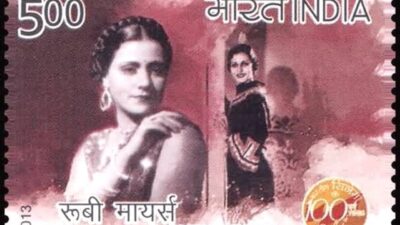
मूक युग की सर्वोच्च वेतन-पाने वाली अभिनेत्री सुलोचना (रूबी मायर्स) ने जब बोलती फ़िल्म का ज़माना आया तो एक साल हिंदुस्तानी सीखने में लगाया — और 1932 की बोलती 'माधुरी' से ऐसी वापसी की जो इतिहास बन गई।
अंग्रेज़ी में पढ़ें · Read in English
Sulochana (Ruby Myers), the highest-paid actress of India's silent era, spent a year learning Hindustani when the talkies arrived — and staged a comeback with the 1932 sound remake of Madhuri that became a landmark in Hindi film history.
मूक युग की रानी
Queen of the silent eraरूबी मायर्स — बगदादी यहूदी परिवार की पुणे में जन्मी लड़की — 'सुलोचना' बनकर इम्पीरियल फ़िल्म कंपनी की सबसे बड़ी सितारा बनीं। 'टाइपिस्ट गर्ल' (1926), 'वाइल्डकैट ऑफ़ बंबई' (1927), और 'माधुरी' (1928) ने उन्हें किंवदंती बना दिया। उनका मासिक वेतन पाँच हज़ार रुपये था — बंबई के गवर्नर से भी ऊँचा — और वे रोल्स-रॉयस में चलती थीं।
अंग्रेज़ी में पढ़ें · Read in English
Ruby Myers — born in Pune to a Baghdadi Jewish family — became 'Sulochana', the reigning star of the Imperial Film Company. Typist Girl (1926), Wildcat of Bombay (1927) and Madhuri (1928) turned her into legend. Her monthly salary of five thousand rupees exceeded that of the Governor of Bombay, and she travelled in a Rolls-Royce.
माइक्रोफ़ोन जो ख़तरा बन गया
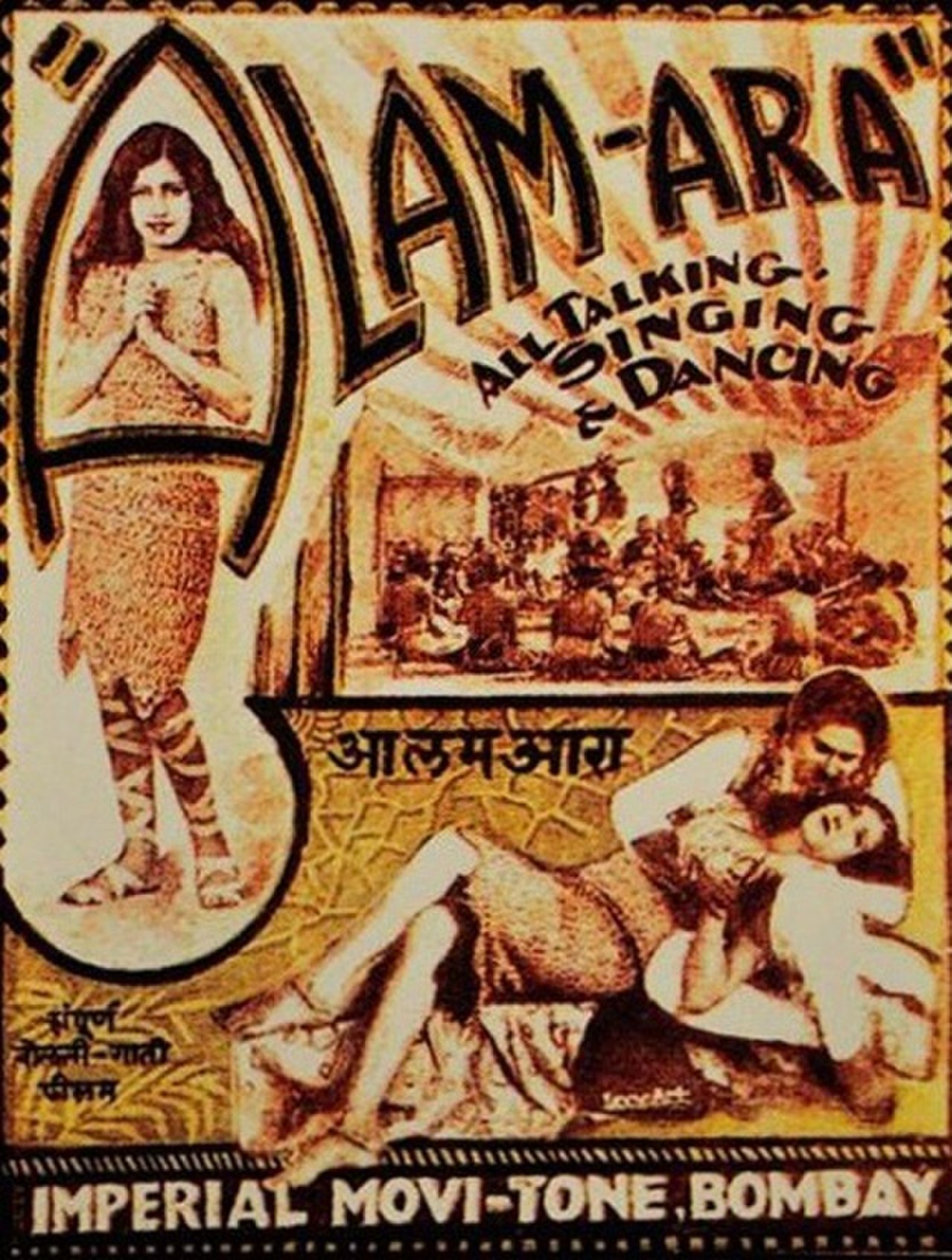
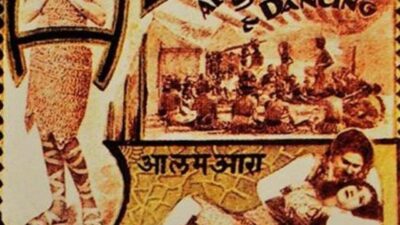
The microphone that threatened her1931 में जब 'आलम आरा' के साथ बोलती फ़िल्म का युग आया, तो एक तथ्य ख़तरनाक हो उठा — सुलोचना हिंदुस्तानी में धाराप्रवाह नहीं बोलती थीं। मूक परदे पर जहाँ भाव और देह-भाषा काफ़ी थी, वहाँ माइक्रोफ़ोन ने एक नई कसौटी रख दी: असली ज़बान। एक अभिनेत्री जो पूरे देश को मोह लेती थी, अचानक उसी देश की भाषा सीखने की छात्रा बन गई।
अंग्रेज़ी में पढ़ें · Read in English
When Alam Ara ushered in the talkie era in 1931, one fact turned dangerous — Sulochana was not fluent in Hindustani. Where the silent screen had asked only for emotion and bearing, the microphone set a new test: the living tongue. An actress who had captivated the whole country suddenly became a student of that country's language.
एक साल की पाठशाला, और वापसी
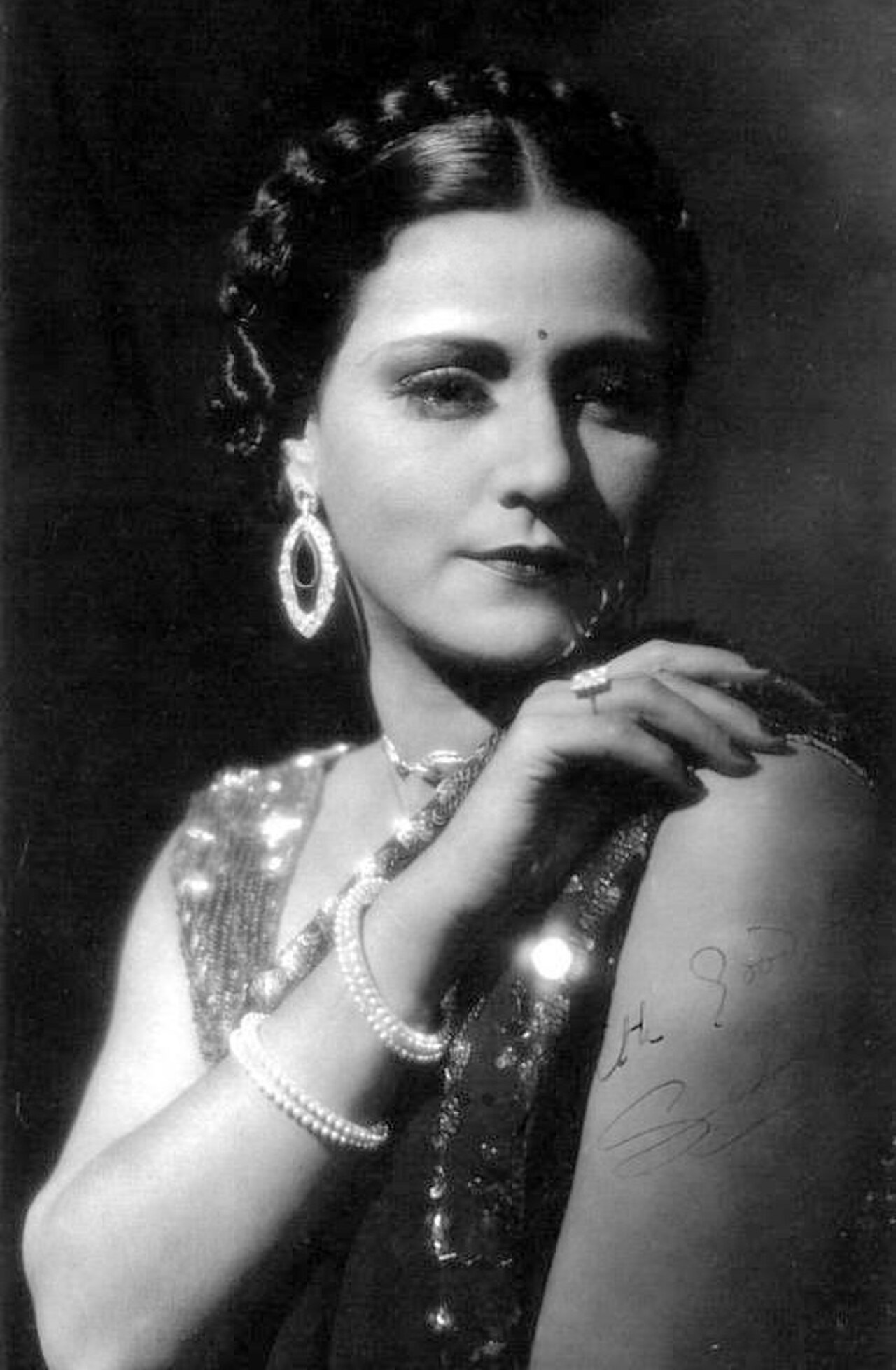
A year in school, and the returnसुलोचना ने हिंदुस्तानी सीखने के लिए पूरे एक साल परदे से दूरी ली। 1932 में वे लौटीं — ठीक उसी 'माधुरी' की बोलती नई कथा में जो 1928 में उनकी मूक कीर्ति का शिखर थी। इम्पीरियल ने उनके पुराने हिट की ध्वनि-कथाएँ बनाईं: 'इंदिरा एम.ए.' (1934), 'अनारकली' (1935), 'बंबई की बिल्ली' (1936)। वापसी उतनी ही शानदार थी — वे रानी फिर थीं, इस बार आवाज़ के साथ।
अंग्रेज़ी में पढ़ें · Read in English
Sulochana stepped away from the screen for a full year to learn Hindustani. In 1932 she returned — in a talking remake of the very Madhuri whose silent version had been her greatest triumph in 1928. Imperial then built a series of sound remakes around her: Indira M.A. (1934), Anarkali (1935), Bambai Ki Billi (1936). The comeback was as brilliant as the original reign — the queen was back, this time with a voice.
परिचय
Identity- Epithet
- When the queen of the silent era had to learn to speak
अन्य विवरण
More DetailsKey Figures
कहानी-नमूना
The Story Specimen| शीर्षक | सुलोचना की आवाज़ · Sulochana Finds Her Voice |
|---|---|
| श्रेणी | Music History |
| प्रकार | विशेष लेख |
| प्रकाशित | 20 June 2026 — admin |
| वर्ष | 1932 |
और कहानियाँ
More Stories from the Atlas
साझा कीजिए · Share this Plate
यह पन्ना आगे बढ़ाइए
सवाल-जवाब
Questions & Answersसुलोचना को बोलती फ़िल्मों में आने में क्यों देर लगी? · Why did Sulochana take time to enter the talkie era?
वे हिंदुस्तानी में धाराप्रवाह नहीं थीं। जब 1931 में सवाक् फ़िल्में शुरू हुईं, तब उन्होंने परदे से एक साल का विराम लेकर भाषा सीखी और 1932 में 'माधुरी' की बोलती पुनर्निर्मिति से वापसी की।
She was not fluent in Hindustani. When talkies began in 1931, she took a year away from the screen to learn the language, then returned with the 1932 sound remake of Madhuri.
मूक युग में सुलोचना की कमाई कितनी थी? · How much did Sulochana earn in the silent era?
उनका मासिक वेतन लगभग पाँच हज़ार रुपये था — उस दौर में बंबई के गवर्नर के वेतन से भी अधिक। वे भारतीय सिनेमा की पहली महिला सुपरस्टार मानी जाती हैं।
Her monthly salary was around five thousand rupees — more than the Governor of Bombay at the time. She is widely regarded as Indian cinema's first female superstar.