गीत विंग · गीत-पट्टिका · Song Plate
हम हैं बंदे इश्क़ के
Hum Hai Bande Ishq Ke
हम हैं बंदे इश्क़ के — पार्श्वगायन-पूर्व युग से मास्टर वसंत की समर्पण की घोषणा, जब फ़िल्म का हर शब्द कलाकार की अपनी साँस था।
भावतीव्र · दार्शनिक · रोमांटिक
भाषाUrdu · Hindi
श्रेय
The Creditsबोल · The Lyrics
पूरे बोल · Full Lyrics
शब्दकोश
Word Meaningsसूत्र-वाक्य · The Hook
सूत्र-वाक्य
हम हैं बंदे इश्क़ के — पार्श्वगायन-पूर्व युग से मास्टर वसंत की समर्पण की घोषणा, जब फ़िल्म का हर शब्द कलाकार की अपनी साँस था।
In EnglishWe are the servants of love — Master Vasant's declaration of devotion from the pre-playback age, when every film word was the actor's own breath.
पट्टिका-लेख
The Monographपरिचय Overview
'हम हैं बंदे इश्क़ के' इंडियन आर्ट प्रोडक्शंस की आरंभिक भारतीय टॉकी फ़रेबी जाल (1931) में मास्टर वसंत द्वारा रचित और प्रस्तुत तीन गीतों में से एक है। उर्दू ग़ज़ल-सूफ़ी परम्परा में प्रेम के प्रति समर्पण की घोषणा, कैमरे के सामने सजीव गाई गई और फ़िल्म के प्रिंट के साथ लगभग निश्चित रूप से खो चुकी है।
अंग्रेज़ी में पढ़ें · Read in English
'Hum Hai Bande Ishq Ke' is one of three songs composed and performed by Master Vasant in Farebi Jaal (1931), an early Indian talkie by Indian Art Productions. A declaration of devotion to love in the Urdu ghazal-Sufi tradition, it was sung live on camera and is almost certainly lost with the film print.
संगीत The Music
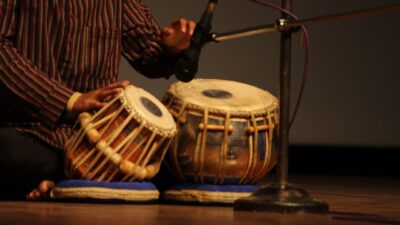
'हम हैं बंदे इश्क़ के' की घोषणा इस गीत को पारसी रंगमंच की ग़ज़ल-प्रभावित परम्परा में रखती है, जहाँ नायक का प्रेम के प्रति पूर्ण समर्पण का दावा एक परिभाषित नाटकीय क्षण था। मास्टर वसंत की यह रचना, कैमरे के सामने सजीव गाई गई, हारमोनियम-तबला की उस जोड़ी पर आधारित होती जो आरंभिक टॉकी ध्वनि का मुख्य आधार था। 'बंदे इश्क़ के' की संरचना — प्रेम के सेवक — उर्दू शास्त्रीय और सूफ़ी काव्य और 1900–1920 के दशकों के रंगमंचीय गीतों में बहती है, धुन को पहला शब्द गाए जाने से पहले ही एक विरासत में मिला भावनात्मक भार देती है।
अंग्रेज़ी में पढ़ें · Read in English
The declaration 'Hum Hai Bande Ishq Ke' places this song in the ghazal-influenced tradition of the Parsi theatre, where the male hero's profession of absolute devotion to love was a defining dramatic moment. Master Vasant's composition, sung live on camera, would have drawn on the harmonium-tabla combination that was the workhorse of early talkie sound. The 'bande ishq ke' formulation — servants of love — runs through Urdu classical and Sufi poetry and the theatre songs of the 1900s–1920s, giving the melody an inherited emotional weight even before the first word is sung.
काव्य The Poetry
बंधन के रूप में इश्क़ (प्रेम/दिव्य-प्रेम) की उर्दू-फ़ारसी परम्परा शास्त्रीय काव्य के सबसे उपजाऊ रूपक-क्षेत्रों में से एक है। 'बंदे' — सेवक, जो बंधे हुए हैं — स्वैच्छिक समर्पण और प्रेम से पूर्णतः परिभाषित पहचान दोनों का संकेत देते हैं। फ़रेबी जाल के नाटकीय संदर्भ में — एक फ़िल्म जो धोखे ('फ़रेबी') और उलझन ('जाल') के बारे में है — 'हम हैं बंदे इश्क़ के' की घोषणा व्यंग्यात्मक और ईमानदार दोनों आयाम ले लेती है: प्रेम फ़िल्म का आदर्श भी है और उसके जाल का उपकरण भी।
अंग्रेज़ी में पढ़ें · Read in English
The Urdu-Persian tradition of ishq (love/divine love) as bondage is one of the most productive metaphorical fields in classical poetry. 'Bande' — servants, those who are bound — suggests both willing submission and an identity defined entirely by love. In the dramatic context of Farebi Jaal, a film about deception ('farebi') and entanglement ('jaal'), a song declaring 'we are the servants of love' takes on ironic as well as sincere dimensions: love as both the film's ideal and the instrument of its traps.
कहानी The Story
फ़रेबी जाल के धोखे और उलझन के आख्यान में, जिसमें नायक ख़ुद को प्रेम का सेवक घोषित करता है, यह गीत एक जटिल नाटकीय कार्य करता होगा: या तो वास्तविक रोमांटिक प्रतिबद्धता की अभिव्यक्ति के रूप में (जिसके विरुद्ध फ़िल्म के धोखे नापे जाएंगे) या किसी ऐसे व्यक्ति का आत्म-वर्णन जिसका प्रेम ही उसे जाल में फँसने के प्रति संवेदनशील बनाता है। निर्देशक मोहन भवनानी, अपने जर्मन फ़िल्म प्रशिक्षण के साथ, 'फ़रेबी जाल' के कथानक के भीतर रखे गए प्रेम-गीत में उपलब्ध नाटकीय विडंबना को समझते होंगे।
अंग्रेज़ी में पढ़ें · Read in English
In Farebi Jaal's narrative of deception and entanglement, a song in which the protagonist declares himself a servant of love would have served a complex dramatic function: either as the expression of genuine romantic commitment (against which the film's deceits will be measured) or as the self-description of someone whose love makes him vulnerable to being trapped. Director Mohan Bhavnani, with his German film training, would have understood the dramatic irony available in a love song placed within a plot of 'farebi jaal' (web of deception).
विरासत The Legacy
फ़रेबी जाल में मास्टर वसंत के रचित और प्रस्तुत तीन गीतों में से एक के रूप में, 'हम हैं बंदे इश्क़ के' हिंदी फ़िल्म के प्रेम-गीत की आधारभूत अवधि का हिस्सा है। 'प्रेम का सेवक' की घोषणा, जो अगले नौ दशकों में अनगिनत फ़िल्मी गीतों में दोहराई जाएगी, यहाँ अपने सबसे आरंभिक दर्ज सिनेमाई प्रयोगों में से एक में प्रकट होती है — पार्श्वगायन के बिना, कैमरे के सामने सजीव, हिंदी टॉकी के पहले ही वर्ष में।
अंग्रेज़ी में पढ़ें · Read in English
As one of the three songs Master Vasant composed and performed in Farebi Jaal, 'Hum Hai Bande Ishq Ke' belongs to the foundational period of the Hindi film love song. The 'servant of love' declaration, which would recur in countless film songs over the next nine decades, here appears in one of its earliest documented cinematic usages — sung live on camera, without playback, in the very first year of the Hindi talkie.
वर्गीकरण
ClassificationGenre
अन्य विवरण
More Details- Durga Khote — Wikipedia (filmography)
References
रोचक तथ्य
Margin Notes'बंदे इश्क़ के' वाक्यांश सूफ़ी काव्य-परम्परा में जड़ा है जहाँ प्रेम के प्रति समर्पण ईश्वर के प्रति समर्पण का दर्पण है — मास्टर वसंत इस रजिस्टर को हिंदी फ़िल्म के सबसे आरंभिक परदे पर लाए।
अंग्रेज़ी में पढ़ें · Read in English
The phrase 'bande ishq ke' (servants of love) is rooted in Sufi poetic tradition where submission to love mirrors submission to the divine — Master Vasant brought this register to the earliest Hindi film screen.
शीर्षक 'फ़रेबी जाल' (धोखे का जाल) एक प्रेम-गीत के इर्दगिर्द अंतर्निहित नाटकीय विडंबना रचता है — प्रेम आदर्श भी और फँसाने वाला फंदा भी।
अंग्रेज़ी में पढ़ें · Read in English
Farebi Jaal (Web of Deception) as a title creates a built-in dramatic irony around a love song — love both as ideal and as the snare that traps.
नमूना-पट्टी
The Specimen Table| शीर्षक | हम हैं बंदे इश्क़ के · Hum Hai Bande Ishq Ke |
|---|---|
| फ़िल्म | फ़रेबी जाल · 1931 |
| वर्ष · युग | 1931 — Early Talkie Era |
| गायक | Master Vasant |
| गीतकार | Master Vasant |
| संगीतकार | Master Vasant |
| भाषा | Urdu · Hindi |
| वाद्य | harmonium · tabla |
| भाव | तीव्र · दार्शनिक · रोमांटिक |
| बोल-स्थिति | सार्वजनिक |
जुड़े हुए पन्ने
Connected Plates · The Graph Made Visibleअटलस में कोई पन्ना अकेला नहीं — इस गीत से जुड़े गीत, कलाकार, फ़िल्म, राग-ताल-विधा, सब यहाँ से खुलते हैं।
मिलते-जुलते गीत · Related Songs
कलाकार · The Artists
फ़िल्म · The Film
साझा कीजिए · Share this Plate