गीत विंग · गीत-पट्टिका · Song Plate
मधु बंसी विरहिनी बोले
Madhu Bansi Virahinee Bole
मधुर बाँसुरी बोलती है विरहिनी की पीड़ा — 1931 में एक हज़ार साल पुरानी हिंदी काव्य-छवि की पुनर्ध्वनि।
भावभक्ति · उदास
भाषाHindi · Braj-influenced
श्रेय
The Creditsबोल · The Lyrics
पूरे बोल · Full Lyrics
शब्दकोश
Word Meaningsसूत्र-वाक्य · The Hook
सूत्र-वाक्य
मधुर बाँसुरी बोलती है विरहिनी की पीड़ा — 1931 में एक हज़ार साल पुरानी हिंदी काव्य-छवि की पुनर्ध्वनि।
In EnglishThe sweet flute speaks the longing of a woman in separation — a 1931 echo of a thousand-year-old Hindi poetic image.
पट्टिका-लेख
The Monographपरिचय Overview
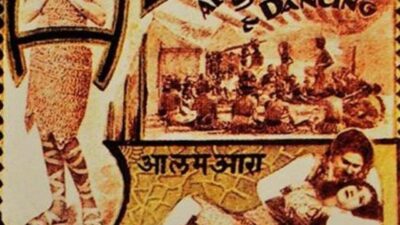
'मधु बंसी विरहिनी बोले' सगर मूवीटोन की पौराणिक फ़िल्म 'वीर अभिमन्यु' (1931) के पाँच दर्ज गीत-शीर्षकों में से एक है। संगीत: एस. पी. राणे। फ़िल्म खो गई, कोई ऑडियो नहीं बचा। गायक अभिलेखित नहीं।
अंग्रेज़ी में पढ़ें · Read in English
'Madhu Bansi Virahinee Bole' is one of five documented song titles from Veer Abhimanyu (1931), a Sagar Movietone mythological. Music by S.P. Rane. Film lost; no audio survives. Singers undocumented.
संगीत The Music
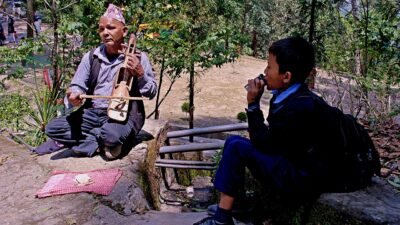
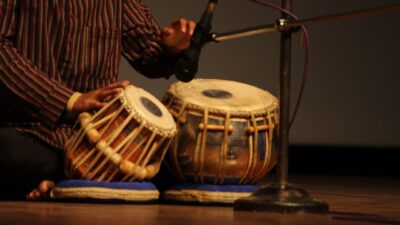
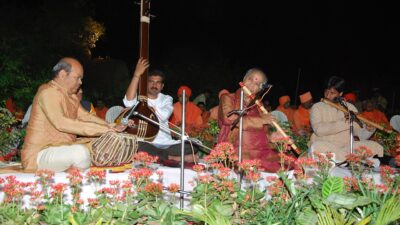
शीर्षक की छवि — मधुर बाँसुरी विरहिनी की पीड़ा बोलती है — भारतीय शास्त्रीय संगीत के सबसे स्थायी सम्बन्धों में से एक को जगाती है: बाँसुरी, कृष्ण और विरह। 1931 की सजीव रिकॉर्डिंग वाली फ़िल्म में बाँसुरी स्वयं भी हारमोनियम-तबला के साथ उपस्थित रही होगी। एस. पी. राणे ने इसे संभवतः सायंकाल या रात के किसी राग में ढाला होगा — शायद यमन या भैरवी, जो उस समय बन रही फ़िल्मी परंपरा में विरह के सर्वप्रिय राग थे।
अंग्रेज़ी में पढ़ें · Read in English
The title's imagery — a sweet flute speaking the pain of a lovelorn woman — invokes one of classical Indian music's most persistent associations: the bansuri with Krishna and viraha. In a 1931 live-recorded film, the bansuri itself may well have been present alongside harmonium and tabla, its sound captured by the primitive microphones of the Tanar system. S.P. Rane would have set this to a raga appropriate to the evening or night — perhaps Yaman or Bhairavi, the default ragas of longing in the filmi tradition that was then forming.
काव्य The Poetry
'मधु बंसी विरहिनी बोले' की काव्य-परंपरा जयदेव के 'गीत गोविंद' से होते हुए अष्टछाप के ब्रजभाषा कवियों तक और आगे हिंदी भक्ति व फ़िल्मी गीत तक फैली है। प्रिय से बिछड़ी विरहिनी — यहाँ उस बाँसुरी के माध्यम से जो उसकी पुकार लेकर आती है — हिंदी साहित्य की सबसे टिकाऊ छवियों में से है। 1931 की पौराणिक टॉकी में इसकी उपस्थिति इस फ़िल्म को इस जीवित साहित्यिक परंपरा में स्थापित करती है।
अंग्रेज़ी में पढ़ें · Read in English
Madhu Bansi Virahinee Bole belongs to a lineage stretching from the Gita Govinda of Jayadeva through the Braj bhasha poetry of the Ashtachap poets and on into the Hindi devotional and film lyric. The virahinee separated from her beloved — figured here through the medium of the flute that carries his call to her — is among Hindi literature's most durable images. Its appearance in a 1931 mythological talkie situates the film within this living literary tradition.
कहानी The Story
'वीर अभिमन्यु' में यह गीत संभवतः किसी विरह-प्रसंग के साथ होगा — अभिमन्यु का युद्ध के लिए प्रस्थान, उत्तरा का विषाद, या किसी रात्रि के आकुल क्षण। विरह का भाव अभिमन्यु की कथा के लिए संरचनात्मक रूप से उचित है, जो नायक की वीरगति और उसकी नवविवाहिता पत्नी की विधवावस्था में समाप्त होती है। इस दृश्य का कोई विवरण उपलब्ध नहीं है।
अंग्रेज़ी में पढ़ें · Read in English
In Veer Abhimanyu, this song would likely have accompanied a scene of separation — Abhimanyu leaving for war, Uttara's grief, or a nocturnal moment of longing. The viraha register is structurally apt for the Abhimanyu narrative, which culminates in the hero's death and his young wife's widowhood. No surviving source documents the dramatic context.
विरासत The Legacy
यह गीत पूर्णतः खोई हुई फ़िल्म के ग्यारह गीतों के कार्यक्रम से बचाए गए पाँच शीर्षकों में से एक है। इसकी विरह-छवि — शास्त्रीय हिंदी गीत की सार्वभौमिक भाषा — 1931 की एक भुला दी गई फ़िल्म को भारतीय संगीत-साहित्य की व्यापकतम धाराओं से जोड़ती है।
अंग्रेज़ी में पढ़ें · Read in English
The song is one of five titles salvaged from the eleven-song programme of a wholly lost film. Its viraha imagery — the universal language of classical Hindi song — connects a forgotten 1931 production to the broadest currents of Indian musical literature.
वर्गीकरण
ClassificationGenre
अन्य विवरण
More Details- Veer Abhimanyu (1931) — HFGK Vol.I song listing
References
रोचक तथ्य
Margin Notesकृष्ण-विरह काव्य में बाँसुरी की छवि जयदेव के 12वीं सदी के 'गीत गोविंद' से मिलती है और सुनहरे दौर तक हिंदी फ़िल्म-गीतों की केंद्रीय छवि बनी रही।
अंग्रेज़ी में पढ़ें · Read in English
The bansi (flute) as an instrument of Krishna-viraha poetry is traceable to Jayadeva's 12th-century Gita Govinda and remained a central image in Hindi film lyrics through the golden era.
नमूना-पट्टी
The Specimen Table| शीर्षक | मधु बंसी विरहिनी बोले · Madhu Bansi Virahinee Bole |
|---|---|
| फ़िल्म | वीर अभिमन्यु · 1931 |
| वर्ष · युग | 1931 — Early Talkie Era |
| संगीतकार | एस. पी. राणे |
| भाषा | Hindi · Braj-influenced |
| वाद्य | harmonium · tabla · bansuri |
| भाव | भक्ति · उदास |
| बोल-स्थिति | सार्वजनिक |
जुड़े हुए पन्ने
Connected Plates · The Graph Made Visibleअटलस में कोई पन्ना अकेला नहीं — इस गीत से जुड़े गीत, कलाकार, फ़िल्म, राग-ताल-विधा, सब यहाँ से खुलते हैं।
फ़िल्म · The Film
साझा कीजिए · Share this Plate