गीत विंग · गीत-पट्टिका · Song Plate
नाथ हमसे बातें करो ना
Nath Humse Baaten Karo Naa
जाते हुए पति से पत्नी की गुहार — अभिमन्यु की मृत्यु में समाप्त होने वाले महाकाव्य में विरह का गृहस्थ विलाप।
भावतीव्र · उदास
भाषाHindi · Urdu
श्रेय
The Creditsबोल · The Lyrics
पूरे बोल · Full Lyrics
शब्दकोश
Word Meaningsसूत्र-वाक्य · The Hook
सूत्र-वाक्य
जाते हुए पति से पत्नी की गुहार — अभिमन्यु की मृत्यु में समाप्त होने वाले महाकाव्य में विरह का गृहस्थ विलाप।
In EnglishA wife's plea to her departing husband — the domestic grief of separation given voice in a mythological that ends in the hero's death.
पट्टिका-लेख
The Monographपरिचय Overview
'नाथ हमसे बातें करो ना' सगर मूवीटोन की पौराणिक फ़िल्म 'वीर अभिमन्यु' (1931) के पाँच दर्ज गीत-शीर्षकों में से एक है। संगीत: एस. पी. राणे। फ़िल्म खो गई, कोई ऑडियो नहीं बचा। गायक अभिलेखित नहीं।
अंग्रेज़ी में पढ़ें · Read in English
'Nath Humse Baaten Karo Naa' is one of five documented song titles from Veer Abhimanyu (1931), a Sagar Movietone mythological. Music by S.P. Rane. Film lost; no audio survives. Singers undocumented.
संगीत The Music
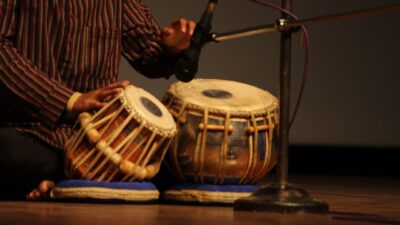
शीर्षक का घरेलू अंतरंगता का स्वर — पत्नी का पति से सीधा 'हमसे बातें करो ना' — शोक या विरह के राग में सजे किसी विदाई-दृश्य का संकेत करता है। एस. पी. राणे के संगीत-विकल्प इस खोई हुई फ़िल्म की तरह अभिलेखित नहीं हैं; 1931 की सजीव रिकॉर्डिंग परिस्थितियों में हारमोनियम-तबला न्यूनतम वाद्य-संगत रही होगी।
अंग्रेज़ी में पढ़ें · Read in English
The title's intimate domestic register — a wife addressing her husband directly with 'humse baaten karo naa' — suggests a scene of parting set to a raga of grief or longing. S.P. Rane's musical choices for this song, like all others in the lost film, are undocumented; the live-recording conditions of 1931 would have meant harmonium and tabla as the minimum instrumental support.
काव्य The Poetry
'बातें करो ना' — एक बोलचाल का हिंदी मुहावरा जिसका अर्थ है 'ऐसी बातें मत करो' — शीर्षक में एक स्वाभाविक बोलचाल का गुण लाता है जो फ़िल्म के अन्य दर्ज गीतों की संस्कृत औपचारिकता से विपरीत है। यह रजिस्टर-मिश्रण — शास्त्रीय विशेषण के साथ बोलचाल की गुहार — आरंभिक टॉकी-लेखन की विशेषता थी जो पारसी रंगमंच की उच्च-उर्दू को रोज़मर्रा की बोली से मिलाता था।
अंग्रेज़ी में पढ़ें · Read in English
The phrase 'baaten karo naa' — a colloquial Hindi turn of phrase meaning 'don't speak' or, more emphatically, 'stop saying such things' — brings a natural, spoken quality to the song title that contrasts with the Sanskrit formality of the film's other documented songs. This mix of registers — classical epithet alongside colloquial plea — was characteristic of early talkie writing that blended Parsi theatre's high-Urdu with everyday speech.
कहानी The Story
महाभारत में अभिमन्यु की कथा का सर्वाधिक करुण गृहस्थ-प्रसंग उत्तरा का वह दृश्य है जब वह अपने पति से चक्रव्यूह में प्रवेश न करने की गुहार लगाती है, जानते हुए कि उन्हें उससे बाहर निकलना नहीं आता। यह गीत उसी दृश्य का, या युद्धक्षेत्र की ओर प्रस्थान के पहले की विदाई का प्रतिनिधित्व कर सकता है। कोई उपलब्ध स्रोत इसकी नाटकीय स्थिति की पुष्टि नहीं करता।
अंग्रेज़ी में पढ़ें · Read in English
In the Mahabharata story of Abhimanyu, the most poignant scene of domestic pleading is Uttara begging her husband not to enter the Chakravyuha formation, knowing he does not know how to exit it. This song — a wife's plea to her lord — could represent that scene, or an earlier farewell as Abhimanyu departs for the battlefield. No surviving source confirms the dramatic placement.
विरासत The Legacy
'नाथ हमसे बातें करो ना' की बोलचाल-सुलभ सीधगी उस अधिक स्वाभाविक गीत-लेखन शैली का पूर्वाभास देती है जो हिंदी सिनेमा 1930-40 के दशकों में विकसित करेगा — भले ही यह यहाँ केवल एक खोई हुई फ़िल्म की फ़िल्मोग्राफ़ी में शीर्षक के रूप में दर्ज है।
अंग्रेज़ी में पढ़ें · Read in English
The colloquial directness of 'Nath Humse Baaten Karo Naa' anticipates the more naturalistic song-writing style that Hindi cinema would develop through the 1930s and 40s, even though it is recorded here only as a title in a lost film's filmography.
वर्गीकरण
ClassificationGenre
अन्य विवरण
More Details- Veer Abhimanyu (1931) — HFGK Vol.I song listing
References
रोचक तथ्य
Margin Notesचक्रव्यूह-प्रसंग — अभिमन्यु का उसमें प्रवेश और वीरगति — आरंभिक भारतीय सिनेमा के सर्वाधिक फ़िल्माए गए महाभारत-प्रकरणों में से था, जो अपने नाटकीय बल से पूरी फ़िल्म को थाम सकता था।
अंग्रेज़ी में पढ़ें · Read in English
The Chakravyuha sequence — Abhimanyu entering and dying in the formation — was one of early Indian cinema's most-filmed Mahabharata episodes, dramatic enough to anchor an entire feature.
नमूना-पट्टी
The Specimen Table| शीर्षक | नाथ हमसे बातें करो ना · Nath Humse Baaten Karo Naa |
|---|---|
| फ़िल्म | वीर अभिमन्यु · 1931 |
| वर्ष · युग | 1931 — Early Talkie Era |
| संगीतकार | एस. पी. राणे |
| भाषा | Hindi · Urdu |
| वाद्य | harmonium · tabla |
| भाव | तीव्र · उदास |
| बोल-स्थिति | सार्वजनिक |
जुड़े हुए पन्ने
Connected Plates · The Graph Made Visibleअटलस में कोई पन्ना अकेला नहीं — इस गीत से जुड़े गीत, कलाकार, फ़िल्म, राग-ताल-विधा, सब यहाँ से खुलते हैं।
फ़िल्म · The Film
साझा कीजिए · Share this Plate