कहानियाँ विंग · कहानी · Social History · 1921
बग़ावत के सुर: जब गीत जुलूस बन गए
Records of Rebellion: When Songs Became Processions
1921 में हिंदुस्तान का सबसे बड़ा संगीत-मंच कोई महफ़िल नहीं, सड़क थी। 'सरफ़रोशी की तमन्ना' मुशायरे से निकली, 'बोलीं अम्मा मुहम्मद अली की' जुलूसों में गूँजी — और सरकारी ज़ब्ती-सूचियाँ बताती हैं कि सत्ता गीतों से कितना डरती थी।
प्रकाशित19 June 2026 पाठ९ मिनट का पाठ
आमुख
असहयोग-ख़िलाफ़त के चरम वर्ष 1921 के गीत-संसार की कहानी: बीस बरस के बिस्मिल अज़ीमाबादी की ग़ज़ल जो क्रांति का तराना बनी; बी अम्मा की पुकार जो जन-गीत बन गई; ज़ब्त होते परचे और तवे; और वह विरोधाभास कि आंदोलन का संगीत स्टूडियो में लगभग दर्ज ही नहीं हुआ।
अंग्रेज़ी में पढ़ें · Read in English
The story of the song-world of 1921, Non-Cooperation's peak year: the ghazal a twenty-year-old Bismil Azimabadi wrote that became the revolution's anthem; Bi Amman's call that became a mass song; proscribed pamphlets and discs; and the paradox that the movement's music barely entered the studio at all.
सड़क का साउंडट्रैक
The Street's Soundtrack1921 का हिंदुस्तान गा रहा था — पर ग्रामोफ़ोन पर नहीं। असहयोग और ख़िलाफ़त के जुड़वाँ आंदोलनों ने देश को जुलूसों, प्रभात-फेरियों और जनसभाओं का देश बना दिया था, और हर जुलूस को धुन चाहिए थी। विलायती कपड़े की होलियों के गिर्द गीत थे; जेल जाते स्वयंसेवकों के लिए गीत थे; तिलक स्वराज फ़ंड के लिए चंदा माँगते गीत थे। यह संगीत मौखिक था, सामूहिक था, और बिजली की तरह फैलता था — एक शहर का नारा हफ़्ते-भर में दूसरे प्रांत की धुन बन जाता था। रिकॉर्ड कंपनियाँ इस ज्वार से प्रायः दूर रहीं: राजद्रोही सामग्री छापना ज़ब्ती और मुक़दमे का न्योता था। नतीजा इतिहास की एक अजीब ख़ामोशी है — जिस साल हिंदुस्तान सबसे ज़्यादा गा रहा था, उसके तवे सबसे कम बने।
अंग्रेज़ी में पढ़ें · Read in English
The India of 1921 was singing — but not onto gramophones. The twin movements of Non-Cooperation and Khilafat had turned the country into a land of processions, prabhat pheris and mass meetings, and every procession needed a tune. There were songs around the bonfires of foreign cloth; songs for volunteers marching to jail; songs collecting for the Tilak Swaraj Fund. This music was oral, collective, and spread like electricity — one city's slogan became another province's tune within a week. The record companies largely kept clear of the tide: pressing seditious material was an invitation to seizure and prosecution. The result is one of history's strange silences — in the year India sang the most, it made the fewest discs of its singing.
बीस बरस का शायर, अमर ग़ज़ल
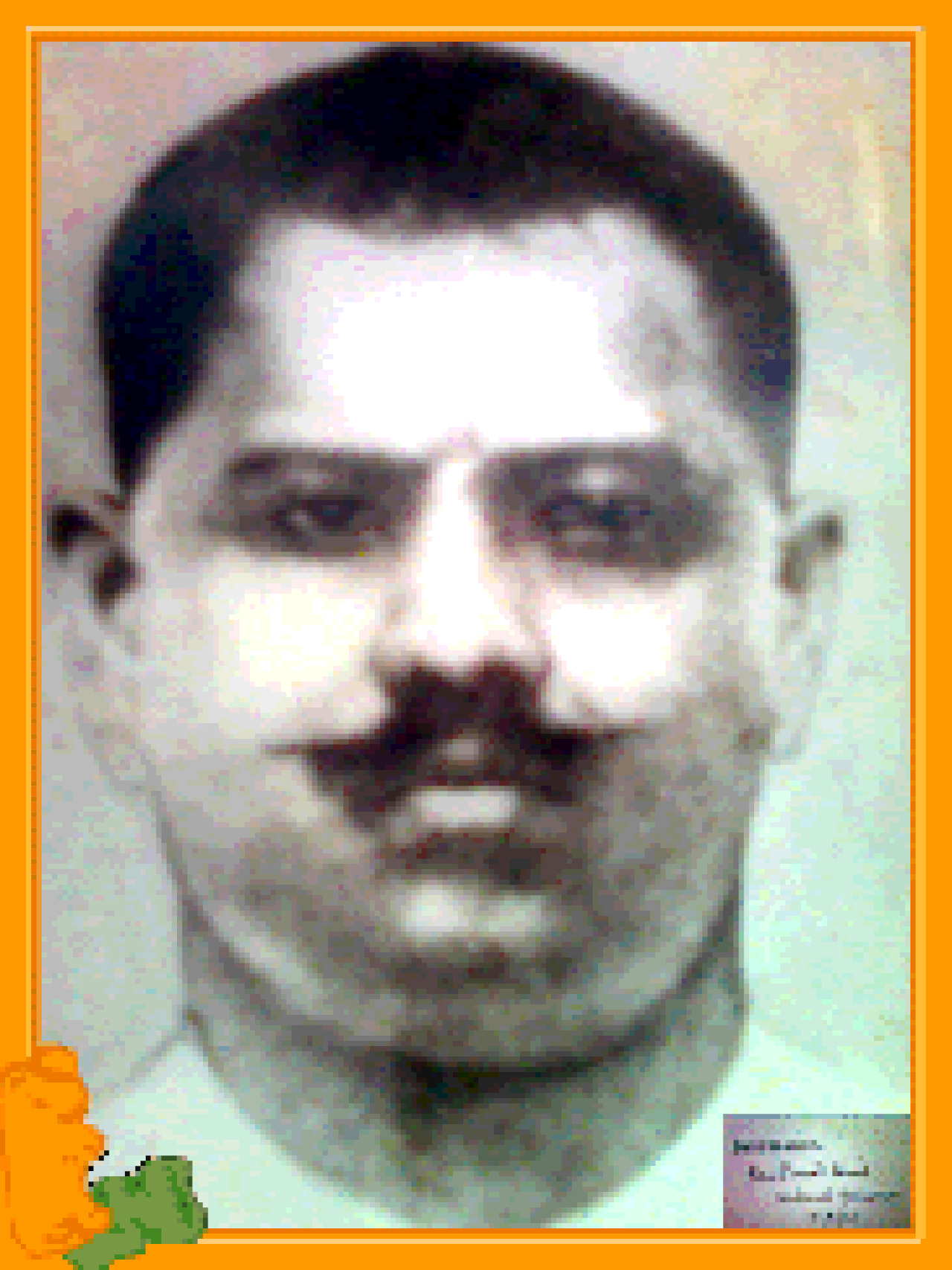
A Twenty-Year-Old Poet, An Immortal Ghazalइसी ज्वार के बीच पटना — पुराने अज़ीमाबाद — के एक बीस बरस के शायर ने वह ग़ज़ल कही जो आने वाली हर पीढ़ी की ज़बान पर चढ़नी थी: 'सरफ़रोशी की तमन्ना अब हमारे दिल में है / देखना है ज़ोर कितना बाज़ू-ए-क़ातिल में है।' सैयद शाह मोहम्मद हसन — तख़ल्लुस 'बिस्मिल' — ने ग़ज़ल का सबसे पुराना खेल खेला था: क़ातिल माशूक़ के रूपक को उठाकर साम्राज्य पर साध देना। मुशायरों से चली यह ग़ज़ल जुलूसों में पहुँची, और फिर इतिहास ने वह मोड़ लिया जो किंवदंती बन गया: काकोरी के क्रांतिकारी राम प्रसाद 'बिस्मिल' ने इसे ऐसा अपनाया कि मुक़दमे की अदालत से फाँसी के तख़्ते तक यह उनकी आवाज़ बन गई — और साझे तख़ल्लुस ने दुनिया को दशकों तक यक़ीन दिला दिया कि रचयिता वही थे। बिस्मिल अज़ीमाबादी 1978 तक जिए — अपनी ही सबसे मशहूर रचना के गुमनाम मालिक। उनकी हस्तलिखित बयाज़ ने आख़िरकार लेखकत्व लौटाया। (और यहीं एक आधुनिक विडंबना: 1921 की यह ग़ज़ल, रचयिता की लंबी उम्र के कारण, 2038 तक कॉपीराइट में है।)
अंग्रेज़ी में पढ़ें · Read in English
Amid this tide, a twenty-year-old poet of Patna — old Azimabad — wrote the ghazal destined for every future generation's tongue: 'Sarfaroshi ki tamanna ab hamaare dil mein hai / dekhna hai zor kitna baazu-e-qaatil mein hai.' Syed Shah Mohammad Hasan — takhallus 'Bismil' — had played the ghazal's oldest game: lifting the metaphor of the slayer-beloved and aiming it at the empire. From the mushairas the ghazal reached the processions, and then history took the turn that became legend: the Kakori revolutionary Ram Prasad 'Bismil' adopted it so completely that from courtroom to gallows it became his voice — and the shared pen-name convinced the world for decades that he was its author. Bismil Azimabadi lived until 1978, the anonymous owner of his own most famous creation. His handwritten bayaz finally restored the credit. (And here a modern irony: because its author lived long, this ghazal of 1921 remains in copyright until 2038.)
बी अम्मा की पुकार
Bi Amman's Callख़िलाफ़त आंदोलन का सबसे गूँजता गीत किसी शायर के दीवान से नहीं, एक माँ की छवि से निकला। 1921 में अली बंधुओं — मौलाना मुहम्मद अली और शौकत अली — पर कराची में मुक़दमा चला और जेल हुई। उनकी माँ आबादी बानो बेगम, जिन्हें सारा हिंदुस्तान 'बी अम्मा' कहता था, परदे में रहकर जनसभाओं को संबोधित करने वाली पहली मुस्लिम स्त्रियों में थीं। उन्हीं की आवाज़ को जन-कल्पना ने गीत बना दिया: 'बोलीं अम्मा मुहम्मद अली की — जान बेटा ख़िलाफ़त पे दे दो।' न कोई रचयिता दर्ज, न कोई धुन पक्की — हर शहर के क़व्वाल और हर जुलूस के गायक टेक पर अपने बंद जोड़ते गए। क़ुर्बानी की पुकार माँ के मुँह में रखकर इस गीत ने राजनीति को घर का धर्म बना दिया — और 1921 की हिंदू-मुस्लिम एकता में यह टेक दोनों समुदायों के जुलूसों में बजी। ज़ब्ती-दस्तावेज़ों में ख़िलाफ़त-सामग्री के तवों के उल्लेख मिलते हैं, पर इस गीत का कोई निश्चित तवा अब तक सत्यापित नहीं — यह गीत भीड़ की संपत्ति था, और भीड़ की संपत्ति ही रहा।
अंग्रेज़ी में पढ़ें · Read in English
The Khilafat movement's most resonant song came not from a poet's diwan but from the image of a mother. In 1921 the Ali Brothers — Maulana Muhammad Ali and Shaukat Ali — were tried at Karachi and jailed. Their mother Abadi Bano Begum, whom all India called 'Bi Amman', was among the first Muslim women to address mass meetings, speaking from behind the veil. The popular imagination turned her voice into song: 'Boli Amma Muhammad Ali ki — jaan beta Khilafat pe de do.' No author on record, no fixed tune — the qawwals of every city and the singers of every procession strung their own verses onto the refrain. By placing the call to sacrifice in a mother's mouth, the song made politics a household duty — and in the Hindu-Muslim unity of 1921 the refrain rang in the processions of both communities. Proscription documents mention Khilafat material on disc, but no specific record of this song has been verified — it was the crowd's property, and the crowd's property it remained.
ज़ब्त गीतों की विरासत
The Legacy of the Proscribedऔपनिवेशिक सरकार ने 1921 के गीतों का जो सबसे बड़ा सम्मान किया, वह था उन पर प्रतिबंध। राजद्रोही परचों, कविता-संग्रहों और गीत-पुस्तिकाओं की ज़ब्ती-सूचियाँ — जो आज ब्रिटिश लाइब्रेरी और भारतीय अभिलेखागारों में 'प्रोस्क्राइब्ड लिटरेचर' के नाम से सुरक्षित हैं — उस दौर के लोक-संगीत का उल्टा कैटलॉग हैं: जो सबसे ख़तरनाक माना गया, वही सबसे लोकप्रिय था। फरवरी 1922 में चौरी चौरा के बाद गांधी ने आंदोलन स्थगित किया, और सड़क का यह संगीत-ज्वार भी उतर गया — पर गीत नहीं मरे। 'सरफ़रोशी' भगत सिंह की पीढ़ी का तराना बनी, फिर फ़िल्मों की; ख़िलाफ़त की टेकें इतिहास की किताबों में दर्ज हुईं; और 1930 के दशक में, जब रिकॉर्ड कंपनियाँ राष्ट्रवाद बेचने का साहस जुटा चुकी थीं, देशभक्ति के तवों की बाढ़ ने साबित किया कि 1921 की वह अनरिकॉर्डेड गूँज बाज़ार से कहीं बड़ी थी। हिंदी गीत का यह अध्याय सिखाता है: संगीत का इतिहास सिर्फ़ तवों का इतिहास नहीं — कभी-कभी सबसे ज़रूरी गीत वे हैं जिन्हें कोई मशीन दर्ज नहीं कर पाई।
अंग्रेज़ी में पढ़ें · Read in English
The greatest honour the colonial government paid the songs of 1921 was to ban them. The seizure lists of seditious pamphlets, poetry collections and songbooks — preserved today in the British Library and Indian archives as 'proscribed literature' — form a reverse catalogue of the era's popular music: whatever was judged most dangerous was what people sang most. After Chauri Chaura in February 1922 Gandhi suspended the movement, and the street's musical tide receded — but the songs did not die. 'Sarfaroshi' became the anthem of Bhagat Singh's generation, then of the films; the Khilafat refrains entered the history books; and in the 1930s, when record companies had gathered the nerve to sell nationalism, the flood of patriotic discs proved that the unrecorded roar of 1921 had been bigger than any market. This chapter of Hindi song teaches one thing: the history of music is not only the history of discs — sometimes the most necessary songs are the ones no machine managed to record.
परिचय
IdentityEpithet
1921 में हिंदुस्तान का सबसे बड़ा संगीत-मंच कोई महफ़िल नहीं, सड़क थी। 'सरफ़रोशी की तमन्ना' मुशायरे से निकली, 'बोलीं अम्मा मुहम्मद अली की' जुलूसों में गूँजी — और सरकारी ज़ब्ती-सूचियाँ बताती हैं कि सत्ता गीतों से कितना डरती थी।
In 1921 India's biggest concert stage was not the mehfil but the street. 'Sarfaroshi Ki Tamanna' stepped out of the mushaira, 'Boli Amma Muhammad Ali Ki' rang through processions — and the government's proscription lists show how much an empire could fear a song.
अन्य विवरण
More Details- सरफ़रोशी की तमन्ना अब हमारे दिल में है / देखना है ज़ोर कितना बाज़ू-ए-क़ातिल में है। · The longing for self-sacrifice now lives in our heart; let us see how much strength the executioner's arm holds.
- बिस्मिल अज़ीमाबादी
- बी अम्मा (आबादी बानो बेगम)
- राम प्रसाद 'बिस्मिल'
- Gail Minault, 'The Khilafat Movement: Religious Symbolism and Political Mobilization in India' (Columbia University Press, 1982)
- Wikipedia — Bismil Azimabadi; Sarfaroshi Ki Tamanna; Abadi Bano Begum; Non-cooperation movement
- British Library — Proscribed publications of British India (collection descriptions)
- Rekhta — Bismil Azimabadi
Pull Quotes
Key Figures
References
कहानी-नमूना
The Story Specimen| शीर्षक | बग़ावत के सुर: जब गीत जुलूस बन गए · Records of Rebellion: When Songs Became Processions |
|---|---|
| श्रेणी | Social History |
| प्रकार | विशेष लेख |
| पाठ-समय | ९ मिनट का पाठ |
| प्रकाशित | 19 June 2026 — admin |
| वर्ष | 1921 |
| टैग | non_cooperation · khilafat · sarfaroshi_ki_tamanna · bismil_azimabadi · boli_amma · 1921 · protest_songs · proscribed_records |
और कहानियाँ
More Stories from the Atlas

साझा कीजिए · Share this Plate