सरफ़रोशी की तमन्ना
Sarfaroshi Ki Tamanna
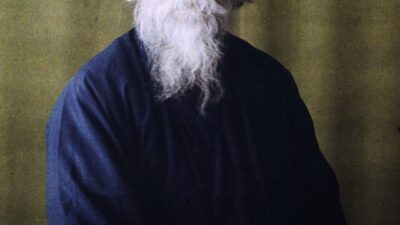
आंदोलन के गायक और पाठकर्ता (समकालीन रिकॉर्डिंग कलाकार अप्रलेखित)

कलाकार विंग · कलाकार-पट्टिका · Artist Plate
Bismil Azimabadi · Syed Shah Mohammad Hasan
बिस्मिल (तख़ल्लुस)
जन्म1901 — पटना (अज़ीमाबाद), बिहार-उड़ीसा प्रांत, ब्रिटिश भारत
निधन1978 — Bihar, India
| नाम | बिस्मिल अज़ीमाबादी · Bismil Azimabadi |
|---|---|
| जन्म नाम | सैयद शाह मोहम्मद हसन · Syed Shah Mohammad Hasan |
| उपनाम | बिस्मिल (तख़ल्लुस) |
| जन्म | 1901 — पटना (अज़ीमाबाद), बिहार-उड़ीसा प्रांत, ब्रिटिश भारत · Patna (Azimabad), Bihar and Orissa Province, British India |
| निधन | 1978 — Bihar, India |
| भूमिकाएँ | गीतकार |
| सक्रिय वर्ष | c. 1919–1978 |
| युग | gramophone-era |
| राष्ट्रीयता | Indian |
| विधाएँ | ग़ज़ल · देशभक्ति |
| भाषाएँ | Urdu |
हस्ताक्षर-पंक्ति · The Signature
बिस्मिल (तख़ल्लुस)
In EnglishThe Patna poet whose 1921 ghazal 'Sarfaroshi Ki Tamanna' became the heartbeat of India's revolutionaries — and was so completely adopted by Ram Prasad Bismil that history nearly forgot its author.
बिस्मिल अज़ीमाबादी (1901 – 1978) — मूल नाम सैयद शाह मोहम्मद हसन — पटना (पुराना नाम अज़ीमाबाद) के उर्दू शायर थे, जिनकी एक ग़ज़ल भारतीय स्वाधीनता-संग्राम का तराना बन गई: 'सरफ़रोशी की तमन्ना अब हमारे दिल में है'। ज़मींदार परिवार में जन्मे बिस्मिल ने किशोरावस्था से शायरी शुरू की और अज़ीमाबाद के समृद्ध अदबी माहौल में तपे। जलियाँवाला बाग़ के घाव और असहयोग आंदोलन के ज्वार के बीच, 1921 के आसपास, बीस वर्ष के इस शायर ने वह ग़ज़ल कही जो मुशायरों से निकलकर जुलूसों, जेलों और फाँसी-घरों तक गूँजी। क्रांतिकारी राम प्रसाद 'बिस्मिल' और अशफ़ाक़उल्ला ख़ान ने काकोरी मुक़दमे के दौरान इसे अपनी आवाज़ बनाया — और तख़ल्लुस की समानता से दुनिया दशकों तक इसे राम प्रसाद बिस्मिल की रचना समझती रही। साहित्य-इतिहासकारों और अदालत तक पहुँचे दस्तावेज़ों ने बाद में लेखकत्व बिस्मिल अज़ीमाबादी का स्थापित किया; उनकी हस्तलिखित बयाज़ में यह ग़ज़ल सुरक्षित रही। वे आजीवन कांग्रेस-धारा के राष्ट्रवादी, मुशायरों के सम्मानित शायर और अज़ीमाबाद स्कूल के प्रतिनिधि रहे। 1978 में निधन हुआ — पर उनकी एक ग़ज़ल हर पीढ़ी की ज़बान पर अब भी ज़िंदा है।
Bismil Azimabadi (1901 – 1978) — born Syed Shah Mohammad Hasan — was an Urdu poet of Patna (old name Azimabad) whose one ghazal became the anthem of India's freedom struggle: 'Sarfaroshi ki tamanna ab hamaare dil mein hai'. Born into a landowning family, Bismil began composing in his teens and was tempered in Azimabad's rich literary culture. Between the wound of Jallianwala Bagh and the surge of Non-Cooperation, around 1921, this twenty-year-old poet wrote the ghazal that travelled from mushairas into processions, prisons and execution yards. The revolutionaries Ram Prasad 'Bismil' and Ashfaqulla Khan made it their voice during the Kakori case — and the shared pen-name led the world, for decades, to credit Ram Prasad Bismil as its author. Literary historians, and documents that reached the courts, later established Bismil Azimabadi's authorship; the ghazal survives in his handwritten bayaz (notebook). He remained a Congress-stream nationalist, a respected mushaira poet and a representative of the Azimabad school all his life. He died in 1978 — but one ghazal of his still lives on every generation's tongue.
1901 में पटना के एक अदब-पसंद ज़मींदार परिवार में जन्म; 'बिस्मिल' (घायल) तख़ल्लुस अपनाया और शाद अज़ीमाबादी की परंपरा वाले अज़ीमाबाद स्कूल की उर्दू शायरी में दीक्षित हुए।
Born in 1901 in Patna into a zamindar family with literary leanings, he took the takhallus 'Bismil' (the wounded one) and was mentored within the Azimabad school of Urdu poetry, tracing its refinement to Shad Azimabadi's circle.
बिस्मिल अज़ीमाबादी छह दशक ग़ज़लें-नज़्में कहते रहे, पर इतिहास में उनका नाम 'सरफ़रोशी की तमन्ना' (अनु. 1921) से अंकित है — जलियाँवाला बाग़ और असहयोग के वातावरण में रची और पटना के मुशायरों में पहली बार पढ़ी गई। काकोरी के क्रांतिकारियों (1925–27) द्वारा अपनाए जाने ने इसे अमर किया और लेखकत्व को धुँधला भी; बाद के शोध ने श्रेय लौटाया। उनकी समग्र रचनाएँ ख्याति की तुलना में कम प्रकाशित रहीं; वे 1978 में निधन तक बिहार के अदबी और राष्ट्रवादी हलक़ों में सक्रिय रहे।
Bismil Azimabadi wrote ghazals and nazms for six decades, but his name is fixed in history by 'Sarfaroshi Ki Tamanna' (c. 1921), composed in the atmosphere of Jallianwala Bagh and Non-Cooperation and first recited at mushairas in Patna. The poem's adoption by the Kakori revolutionaries (1925–27) made it immortal and obscured its authorship; later scholarship restored the credit. His collected work remained less published than his fame; he stayed active in Bihar's literary and nationalist circles until his death in 1978.
एक ग़ज़ल ने उन्हें क्रांति का अनाम साउंडट्रैक बना दिया: भगत सिंह की पीढ़ी ने गाई, अनगिनत फ़िल्मों-एल्बमों में ढली, हर देशभक्ति-अवसर पर पढ़ी जाती है। उनके लेखकत्व की पुनर्स्थापना स्वयं उर्दू साहित्य-इतिहास का प्रसिद्ध प्रसंग है — कि गीत अपने रचनाकारों से आगे निकल जाते हैं।
One ghazal made him the uncredited soundtrack of the revolution: sung by Bhagat Singh's generation, set in countless films and albums, recited at every patriotic occasion in India. The restoration of his authorship is itself a famous episode in Urdu literary history — a lesson in how songs outrun their makers.
अज़ीमाबाद स्कूल का शास्त्रीय ग़ज़ल-शिल्प क्रांतिकारी प्रयोजन में: आशिक़ की क़ुर्बानी के पारंपरिक रूपक (सरफ़रोशी, क़ातिल, मक़तल) औपनिवेशिक सत्ता पर साधे गए, ऐसी बहरों में जो सामूहिक पाठ के लिए बनी थीं।
Classical ghazal craft of the Azimabad school put to revolutionary purpose: the traditional metaphors of the lover's sacrifice (sarfaroshi, qatil, maqtal) re-aimed at the colonial state, in metres made for collective recitation.
तालीम · Training
अज़ीमाबाद उर्दू काव्य-परंपरा (उस्ताद-विवरण सत्यापन हेतु चिह्नित) (1910s)
शास्त्रीय ग़ज़ल
Patna's literary culture of the Shad Azimabadi era shaped his idiom.
विधाएँ · Genres
भाषाएँ · Languages Sung
तख़ल्लुस की समानता के कारण दुनिया दशकों तक 'सरफ़रोशी की तमन्ना' को राम प्रसाद बिस्मिल की रचना मानती रही।
Because of the shared pen-name, the world credited 'Sarfaroshi Ki Tamanna' to Ram Prasad Bismil for decades.
ग़ज़ल उनकी हस्तलिखित बयाज़ में सुरक्षित रही — लेखकत्व-विवाद सुलझाने का प्रमुख प्रमाण।
The ghazal survived in his handwritten bayaz — key evidence in settling the authorship question.
रचना के समय उनकी उम्र लगभग बीस वर्ष थी।
He was about twenty years old when he composed it.
1901 में पटना के एक अदब-पसंद ज़मींदार परिवार में जन्म; 'बिस्मिल' (घायल) तख़ल्लुस अपनाया और शाद अज़ीमाबादी की परंपरा वाले अज़ीमाबाद स्कूल की उर्दू शायरी में दीक्षित हुए।
Born in 1901 in Patna into a zamindar family with literary leanings, he took the takhallus 'Bismil' (the wounded one) and was mentored within the Azimabad school of Urdu poetry, tracing its refinement to Shad Azimabadi's circle.
बिस्मिल अज़ीमाबादी छह दशक ग़ज़लें-नज़्में कहते रहे, पर इतिहास में उनका नाम 'सरफ़रोशी की तमन्ना' (अनु. 1921) से अंकित है — जलियाँवाला बाग़ और असहयोग के वातावरण में रची और पटना के मुशायरों में पहली बार पढ़ी गई। काकोरी के क्रांतिकारियों (1925–27) द्वारा अपनाए जाने ने इसे अमर किया और लेखकत्व को धुँधला भी; बाद के शोध ने श्रेय लौटाया। उनकी समग्र रचनाएँ ख्याति की तुलना में कम प्रकाशित रहीं; वे 1978 में निधन तक बिहार के अदबी और राष्ट्रवादी हलक़ों में सक्रिय रहे।
Bismil Azimabadi wrote ghazals and nazms for six decades, but his name is fixed in history by 'Sarfaroshi Ki Tamanna' (c. 1921), composed in the atmosphere of Jallianwala Bagh and Non-Cooperation and first recited at mushairas in Patna. The poem's adoption by the Kakori revolutionaries (1925–27) made it immortal and obscured its authorship; later scholarship restored the credit. His collected work remained less published than his fame; he stayed active in Bihar's literary and nationalist circles until his death in 1978.
एक ग़ज़ल ने उन्हें क्रांति का अनाम साउंडट्रैक बना दिया: भगत सिंह की पीढ़ी ने गाई, अनगिनत फ़िल्मों-एल्बमों में ढली, हर देशभक्ति-अवसर पर पढ़ी जाती है। उनके लेखकत्व की पुनर्स्थापना स्वयं उर्दू साहित्य-इतिहास का प्रसिद्ध प्रसंग है — कि गीत अपने रचनाकारों से आगे निकल जाते हैं।
One ghazal made him the uncredited soundtrack of the revolution: sung by Bhagat Singh's generation, set in countless films and albums, recited at every patriotic occasion in India. The restoration of his authorship is itself a famous episode in Urdu literary history — a lesson in how songs outrun their makers.
अज़ीमाबाद स्कूल का शास्त्रीय ग़ज़ल-शिल्प क्रांतिकारी प्रयोजन में: आशिक़ की क़ुर्बानी के पारंपरिक रूपक (सरफ़रोशी, क़ातिल, मक़तल) औपनिवेशिक सत्ता पर साधे गए, ऐसी बहरों में जो सामूहिक पाठ के लिए बनी थीं।
Classical ghazal craft of the Azimabad school put to revolutionary purpose: the traditional metaphors of the lover's sacrifice (sarfaroshi, qatil, maqtal) re-aimed at the colonial state, in metres made for collective recitation.
| संग्रह में गीत | 1 — नीचे जुड़े हुए पन्नों में सूचीबद्ध |
|---|---|
| कुल ज्ञात रिकॉर्डिंग | 1 — 1 संग्रह में उपलब्ध |
| रिकॉर्डिंग-काल | 1921 · पहला सत्र n/a (poet; song entered recorded music later) |
| प्रमुख भूमिका | गीतकार |
| हस्ताक्षर-गीत | Sarfaroshi Ki Tamanna |
| स्रोत | derived from the HindiGeet song archive |
| विकिपीडिया | Wikipedia |
|---|---|
| संदर्भ | Bismil Azimabadi — Wikipedia · Rekhta — Bismil Azimabadi profile and works |
| प्रसिद्ध सहयोग |
अंग्रेज़ी में पढ़ें · Read in English
|
अटलस में कोई पन्ना अकेला नहीं — बिस्मिल अज़ीमाबादी से उनके गीत, फ़िल्में, घराना, समकालीन और युग, सब यहाँ से खुलते हैं।
साझा कीजिए · Share this Plate
बिस्मिल अज़ीमाबादी (1901–1978) ने, लगभग 1921 में। राम प्रसाद 'बिस्मिल' ने इसे काकोरी काल में अपनी आवाज़ बनाया, जिससे लेखकत्व का भ्रम फैला; शोध ने श्रेय अज़ीमाबादी को लौटाया।
No. Although written around 1921, Indian copyright runs for the author's life plus sixty years; Bismil Azimabadi died in 1978, so the text remains in copyright until 2038. HindiGeet therefore shows only brief quoted lines.
Sarfaroshi Ki Tamanna
आंदोलन के गायक और पाठकर्ता (समकालीन रिकॉर्डिंग कलाकार अप्रलेखित)