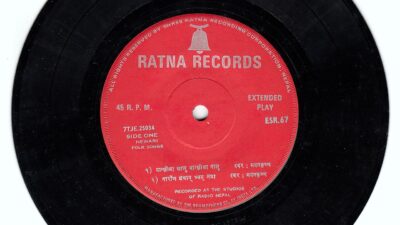
गीत विंग · गीत-पट्टिका · Song Plate
वो जो हम में तुम में क़रार था (ग़ज़ल)
Woh Jo Hum Mein Tum Mein Qarar Tha (Ghazal)
तुम्हें याद हो कि न याद हो — अख़्तर याद की गई मोहब्बत की वह ग़ज़ल गाती हैं जो उस तरफ़ से है जो भूल नहीं सकता।
भावमीठा-कड़वा · उदास · पुरानी यादें
भाषाurdu
श्रेय
The Creditsबोल · The Lyrics
पूरे बोल · Full Lyrics
तुम्हें याद हो कि न याद हो
Tumhein yaad ho ki na yaad ho
सूत्र-वाक्य · The Hook
सूत्र-वाक्य
तुम्हें याद हो कि न याद हो — अख़्तर याद की गई मोहब्बत की वह ग़ज़ल गाती हैं जो उस तरफ़ से है जो भूल नहीं सकता।
In EnglishWhether or not you remember — Akhtar sings the ghazal of remembered love from the side of the one who cannot forget.
पट्टिका-लेख
The Monographपरिचय Overview
19वीं सदी के महान दिल्ली शायर दाग़ देहलवी को आरोपित यह ग़ज़ल लगभग 1940 के आसपास अख़्तरी बाई की एचएमवी रिकॉर्डिंग में से सबसे प्रसिद्ध में से एक बन गई। पाठ का केंद्रीय विचार — 'तुम्हें याद हो या न हो, यह था' — ठीक उस शांत, गरिमामय उदासी के लिए उपयुक्त है जिसे अख़्तर अपने हस्ताक्षर के रूप में विकसित कर रही थीं। झिंझोटी में, कोमल रोमांटिक विषाद के राग में, वह प्रत्येक शेर को भावना के एक छोटे चाप में बनाती हैं और फिर उसे छोड़ती हैं।
अंग्रेज़ी में पढ़ें · Read in English
This ghazal, attributed to the great 19th-century Delhi poet Daagh Dehlvi, became one of the most celebrated of Akhtari Bai's HMV recordings from around 1940. The text's central conceit — 'whether or not you remember, it was real' — suits perfectly the quality of quiet, dignified sadness that Akhtar was developing as her signature. In Jhinjhoti, a raag of gentle romantic melancholy, she builds each sher into a small arc of feeling before releasing it.
संगीत The Music
झिंझोटी का विशिष्ट कोमल नि का रंग राग को एक आह-भरी गुणवत्ता देता है — वाक्यांश जो नीचे की ओर समाप्त होते हैं, जैसे आशा से मुँह मोड़ रहे हों। अख़्तर इसे अपने मुखड़ा-वापसी में विनाशकारी प्रभाव के लिए इस्तेमाल करती हैं।
अंग्रेज़ी में पढ़ें · Read in English
Jhinjhoti's characteristic shading of komal Ni gives the raag a sighing quality — phrases that end downward, as if turning away from hope. Akhtar uses this to devastating effect in her mukhda returns.
काव्य The Poetry
दाग़ देहलवी की ग़ज़ल याद और भुलाने की शास्त्रीय समरूपता पर काम करती है: वक्ता अतीत को पकड़े है; माशूक़ ने शायद छोड़ दिया हो। 'तुम्हें याद हो कि न याद हो' — यह पंक्ति उर्दू कविता में मर्यादित रोमांटिक विनम्रता का पर्याय बन गई है।
अंग्रेज़ी में पढ़ें · Read in English
Daagh Dehlvi's ghazal works the classic symmetry of memory and forgetting: the speaker holds the past; the beloved may have released it. The line 'tumhein yaad ho ki na yaad ho' — 'whether or not you remember' — has become a byword for resigned romantic nobility in Urdu poetry.
कहानी The Story
1940 तक अख़्तरी बाई अपने विवाह-पूर्व रिकॉर्डिंग करियर के शिखर पर थीं, और मेगाफ़ोन से एचएमवी की ओर संक्रमण उत्पादन गुणवत्ता में एक क़दम ऊपर था। इस काल के एचएमवी तवे बेहतर संरक्षित और अधिक व्यापक रूप से वितरित हैं। पाँच साल बाद वह विवाह के बाद वर्षों की ख़ामोशी में चली जाएँगी।
अंग्रेज़ी में पढ़ें · Read in English
By 1940 Akhtari Bai was at the height of her pre-marriage recording career, and the transition from Megaphone to HMV represented a step up in production quality. The HMV discs of this period are better preserved and more widely distributed. Five years later she would fall silent for years after marriage.
विरासत The Legacy
20वीं सदी में रिकॉर्ड की गई दाग़ ग़ज़लों में, इस पाठ की अख़्तर की प्रस्तुति एक मील का पत्थर मानी जाती है। यह वह रिकॉर्डिंग है जो कई संग्राहकों के लिए युद्ध-पूर्व हिंदुस्तानी ग़ज़ल की विशिष्ट गुणवत्ता परिभाषित करती है: अंतरंग, स्वर-नियंत्रित, बनावट में समृद्ध।
अंग्रेज़ी में पढ़ें · Read in English
Among the Daagh ghazals recorded in the 20th century, Akhtar's version of this text is considered a landmark. It is the recording that, for many collectors, defines the particular quality of pre-war Hindustani ghazal: intimate, melodically restrained, texturally rich.
वर्गीकरण
ClassificationGenre
अन्य विवरण
More Details- Wikipedia: Begum Akhtar
- Wikipedia: Daagh Dehlvi
- Wikipedia: Jhinjhoti
- Dhar, Sheila. Raga 'n Josh: Stories from a Musical Life (2005)
- Qureshi, Regula Burkhardt. Sufi Music of India and Pakistan (1986)
References
रोचक तथ्य
Margin Notesदाग़ देहलवी (नवाब मिर्ज़ा ख़ान, 1831–1905) हैदराबाद के दरबारी कवि और शास्त्रीय उर्दू ग़ज़ल के अंतिम महान उस्तादों में से एक थे; उनके शिष्य अल्लामा इक़बाल ने उनके प्रभाव को स्वीकार किया, जिससे दाग़ की रचनाएँ मुग़लकालीन काव्य-परंपरा और 20वीं सदी के उर्दू साहित्य के बीच एक सीधी कड़ी बन गईं।
अंग्रेज़ी में पढ़ें · Read in English
Daagh Dehlvi (Nawab Mirza Khan, 1831–1905) was a court poet of Hyderabad and one of the last great masters of classical Urdu ghazal; his student Allama Iqbal acknowledged his influence, making Daagh's texts a direct link between the Mughal poetic tradition and 20th-century Urdu literature.
अख़्तरी बाई फ़ैज़ाबादी (1914–1974) ने 1945 में बैरिस्टर इश्तियाक़ अहमद अब्बासी से विवाह के बाद अपना नाम बदलकर बेगम अख़्तर रख लिया; विवाह के बाद वे कई वर्षों तक लगभग मौन रहीं, और 1950 के दशक के आरंभ में साथी कलाकारों तथा संगीत जगत के निरंतर दबाव के चलते पुनः प्रस्तुति के लिए लौटीं।
अंग्रेज़ी में पढ़ें · Read in English
Akhtari Bai Faizabadi (1914–1974) changed her name to Begum Akhtar after her marriage in 1945 to barrister Ishtiaq Ahmad Abbasi; following the marriage she fell largely silent for several years before returning to performance in the early 1950s under sustained pressure from colleagues and the music community.
उन्होंने कलकत्ता में मेगाफ़ोन और विट्टाफ़ोन के लिए रिकॉर्डिंग की, और लगभग 1940 के आसपास एच.एम.वी. से जुड़ गईं; इस दौर की एच.एम.वी. डिस्कों को पहले की मेगाफ़ोन डिस्कों की तुलना में बेहतर संरक्षित और बेहतर ध्वनि-गुणवत्ता वाला माना जाता है, यही कारण है कि लगभग 1940 की रिकॉर्डिंग्स आज अधिक व्यापक रूप से सुनी जाती हैं।
अंग्रेज़ी में पढ़ें · Read in English
She recorded for Megaphone and Vittaphone in Calcutta before moving to HMV around 1940; the HMV discs of this period are considered better preserved and better sounding than the earlier Megaphone sides, which is why the c.1940 recordings are more widely heard today.
पंक्ति 'तुम्हें याद हो कि न याद हो' अख़्तर के साथ इतनी जुड़ गई कि उन्होंने अपने पूरे करियर में दाग़ की ग़ज़लों की ओर बार-बार रुख़ किया — 1960 और 1970 के दशक की उनकी महफ़िलों की लाइव रिकॉर्डिंग्स दिखाती हैं कि उन्होंने उसी कवि की संबंधित रचनाओं को उसी विशिष्ट संयम के साथ प्रस्तुत किया।
अंग्रेज़ी में पढ़ें · Read in English
The line 'tumhein yaad ho ki na yaad ho' became so associated with Akhtar that she returned to Daagh's ghazals across her career — live recordings from her 1960s and 1970s mehfils show her performing related texts from the same poet with the same characteristic restraint.
राग झिंझोटी, जिसमें यह ग़ज़ल सामान्यतः बांधी गई है, देर रात का एक कोमल और विषादपूर्ण स्वभाव वाला राग है जो रोमानी विषाद से जुड़ा है — इसका कोमल नि अवरोही स्वर-वाक्यांश रचता है, जो ग़ज़ल के उस भावनात्मक रुख़ से मेल खाता है जिसमें स्वीकृत किंतु गरिमापूर्ण वियोग व्यक्त होता है।
अंग्रेज़ी में पढ़ें · Read in English
Raag Jhinjhoti, in which this ghazal is typically set, is a late-night raag with a gentle, wistful character associated with romantic melancholy — its komal (flat) Ni creates downward-resolving phrases that match the ghazal's emotional posture of resigned but dignified loss.
नमूना-पट्टी
The Specimen Table| शीर्षक | वो जो हम में तुम में क़रार था (ग़ज़ल) · Woh Jo Hum Mein Tum Mein Qarar Tha (Ghazal) |
|---|---|
| वर्ष · युग | 1940 |
| गायक | Begum Akhtar |
| गीतकार | दाग़ देहलवी (पारंपरिक ग़ज़ल / आरोपित) |
| भाषा | urdu |
| भाव | मीठा-कड़वा · उदास · पुरानी यादें |
| लोकप्रियता | Popular |
| बोल-स्थिति | सार्वजनिक |
जुड़े हुए पन्ने
Connected Plates · The Graph Made Visibleअटलस में कोई पन्ना अकेला नहीं — इस गीत से जुड़े गीत, कलाकार, फ़िल्म, राग-ताल-विधा, सब यहाँ से खुलते हैं।
मिलते-जुलते गीत · Related Songs
साझा कीजिए · Share this Plate