गीत विंग · गीत-पट्टिका · Song Plate
क्या कारण है अब रोने का
Kya Kaaran Hai Ab Rone Ka
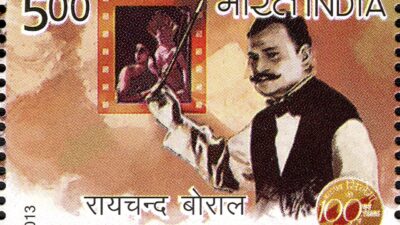
“क्या कारण है अब रोने का” — 1933 की फ़िल्म पूरन भगत का एक गीत। संगीत: आर.सी. बोराल। बोल: पं. सुदर्शन। गायन: के.सी. डे।
भावभक्ति
भाषाbraj-hindi
श्रेय
The Creditsसूत्र-वाक्य · The Hook
सूत्र-वाक्य
“क्या कारण है अब रोने का” — 1933 की फ़िल्म पूरन भगत का एक गीत। संगीत: आर.सी. बोराल। बोल: पं. सुदर्शन। गायन: के.सी. डे।
In English“Kya Kaaran Hai Ab Rone Ka” — a song from the 1933 film Puran Bhagat. Music: R.C. Boral. Lyrics: Pt. Sudarshan. Sung by K.C. Dey.
पट्टिका-लेख
The Monographपरिचय Overview
“क्या कारण है अब रोने का” 1933 की फ़िल्म पूरन भगत के गीतों में से एक है। इसका संगीत आर.सी. बोराल ने दिया। बोल पं. सुदर्शन के हैं। इसे के.सी. डे ने गाया।
अंग्रेज़ी में पढ़ें · Read in English
“Kya Kaaran Hai Ab Rone Ka” is one of the songs from Puran Bhagat (1933). The music is by R.C. Boral. The lyrics are by Pt. Sudarshan. It was performed by K.C. Dey.
संगीत The Music
“क्या कारण है अब रोने का” का संगीत पूरन भगत (1933) के लिए आर.सी. बोराल ने रचा। स्वर: के.सी. डे।
अंग्रेज़ी में पढ़ें · Read in English
“Kya Kaaran Hai Ab Rone Ka” was set to music by R.C. Boral for the 1933 film Puran Bhagat. It is rendered by K.C. Dey.
काव्य The Poetry
“क्या कारण है अब रोने का” के बोल पं. सुदर्शन ने लिखे।
अंग्रेज़ी में पढ़ें · Read in English
The words of “Kya Kaaran Hai Ab Rone Ka” were written by Pt. Sudarshan.
कहानी The Story
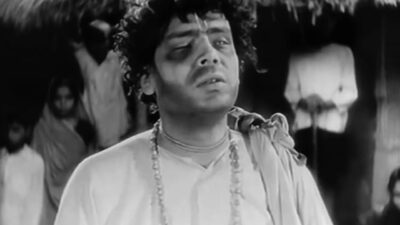
पूरन भगत (1933), देबकी बोस निर्देशित, न्यू थिएटर्स, कलकत्ता — में के.सी. डे, के.एल. सहगल के साथ साउंडट्रैक की दो प्रमुख गायन-आवाज़ों में थे। के.सी. डे (1893–1975) — कलकत्ते में जन्मे, जन्मांध, हिंदुस्तानी संगीत में प्रशिक्षित, न्यू थिएटर्स के प्रमुख भक्ति-स्वर — की फ़िल्म के भजनों में एक स्थिर स्वीकृति थी जो सहगल की रूमानी आवाज़ में नहीं मिलती थी। 'क्या कारण है अब रोने का' — 'अब रोने का कारण क्या है?' — एक आध्यात्मिक-उत्कर्ष का गीत है, स्वयं से या श्रोता से पूछा गया एक प्रश्न: गुरु की कृपा मिलने पर, दुःख से होकर संतत्व में पहुँचने पर, अब कौन-सा विषाद शेष है? पूरन भगत की कथा में यह भाव संत की दीक्षा-पश्चात अवस्था से जुड़ा है — वह क्षण जब पूरन पर किए गए पूर्ववर्ती अन्याय (अंग-भंग, त्याग) आत्मिक उपलब्धि से ऐसे रूपांतरित हो चुके हैं कि वे अब आँसुओं की माँग नहीं करते। पं. सुदर्शन का बोल इस प्रश्न को बिना अलंकारिक उत्तर के पूछता है — उत्तर भावनात्मक प्रमाण से मिलता है: बोराल की राग-बंदिश, डे की शांत अंतर्मुखी आवाज़।
अंग्रेज़ी में पढ़ें · Read in English
Puran Bhagat (1933), directed by Debaki Bose for New Theatres, Calcutta, featured K.C. Dey alongside K.L. Saigal as one of the two main singing voices of the soundtrack. K.C. Dey (1893–1975) — born blind in Calcutta, trained in Hindustani music, and known within New Theatres as its foremost devotional vocalist — brought a quality of settled acceptance to the film's bhajans that Saigal's more romantic voice could not duplicate. 'Kya Kaaran Hai Ab Rone Ka' — 'What reason is there now to weep?' — is a song of spiritual transcendence, a question addressed to the self or to the listener: having found the grace of the guru, having passed through suffering into sainthood, what grief remains? In the legend of Puran Bhagat, this sentiment belongs to the saint's post-initiation state — the point at which the earlier injustice inflicted on Puran (the mutilation, the abandonment) has been transmuted by spiritual attainment into something that no longer calls for tears. Pt. Sudarshan's lyric poses the question without answering it rhetorically, allowing the musical context — Boral's raag-grounded setting, Dey's steady inward voice — to supply the answer by emotional demonstration.
विरासत The Legacy
प्रारंभिक भारतीय फ़िल्म संगीत के इतिहासों में पूरन भगत में के.सी. डे के काम को हिंदी सिनेमा में हारमोनियम-संगत भजन-गायकी की परंपरा स्थापित करने वाला माना गया है जो स्टूडियो-युग तक चली। उनकी विरासत मुख्यतः ऑल इंडिया रेडियो के माध्यम से जीवित रही, जिसने 1960 के दशक तक उनके भक्ति-गीत प्रसारित किए — फ़िल्मों से डे के अवकाश के बाद भी। इस गीत का उनका संस्करण 78 rpm शेलैक पर बचा है और प्रारंभिक भारतीय ध्वनि-रिकॉर्डिंग के प्रमुख अभिलेखागारों में संरक्षित है।
अंग्रेज़ी में पढ़ें · Read in English
K.C. Dey's work in Puran Bhagat is cited in early Indian film music histories as establishing a tradition of harmonium-accompanied bhajan singing in Hindi cinema that ran through the studio era. His legacy was primarily carried through All India Radio, which broadcast his devotional songs into the 1960s, long after Dey had retired from film. His version of this song survives on 78 rpm shellac and is held in major archives of early Indian sound recordings.
वर्गीकरण
ClassificationGenre
अन्य विवरण
More Details- https://en.wikipedia.org/wiki/Puran_Bhagat_(film)
- https://en.wikipedia.org/wiki/K._L._Saigal
References
रोचक तथ्य
Margin Notesयह गीत गाने वाले के.सी. डे (1893-1975) कलकत्ता में जन्म से दृष्टिहीन थे और प्रारंभिक सवाक् युग में हिंदी सिनेमा की सबसे विशिष्ट भक्ति आवाज़ों में से एक बन गए।
अंग्रेज़ी में पढ़ें · Read in English
K.C. Dey (1893–1975), who sang this song, was born blind in Calcutta and became one of Hindi cinema's most distinctive devotional voices in the early talkie era.
डे एक प्रशिक्षित संगीतकार थे जो स्वयं हारमोनियम बजाते थे और अक्सर अपनी ही रिकॉर्डिंग्स में स्वयं संगत करते थे — प्रारंभिक स्टूडियो अभ्यास में वाद्यवादक और गायक का यह मेल असामान्य था।
अंग्रेज़ी में पढ़ें · Read in English
Dey was a trained musician who played the harmonium himself and often accompanied his own recordings — an unusual combination of instrumentalist and vocalist in early studio practice.
गीत का प्रश्न-रूप — 'रोने का क्या कारण है?' — एक शास्त्रीय वेदांतिक और भक्ति युक्ति है: वह आलंकारिक प्रश्न जो आध्यात्मिक तर्क के माध्यम से अपना उत्तर स्वयं में समाहित रखता है।
अंग्रेज़ी में पढ़ें · Read in English
The question form of the lyric — 'what reason is there to weep?' — is a classical Vedantic and bhakti device: the rhetorical question that implies its own answer through spiritual logic.
'पूरन भगत' (1933) में के.सी. डे और के.एल. सहगल दोनों ने अलग-अलग गीत गाए, जिससे साउंडट्रैक भक्ति अभिव्यक्ति के दो भिन्न स्वरूप प्रदर्शित कर सका — आंतरिक स्वीकृति (डे) और आर्त समर्पण (सहगल)।
अंग्रेज़ी में पढ़ें · Read in English
Puran Bhagat (1933) featured both K.C. Dey and K.L. Saigal singing separate songs, allowing the soundtrack to demonstrate two distinct registers of devotional expression — inward acceptance (Dey) and yearning surrender (Saigal).
यह फ़िल्म खोई हुई मानी जाती है; इसके संगीत का एकमात्र बचा हुआ प्रमाण 78 आरपीएम शेलैक डिस्कों के रूप में है, जिन्हें बाद के दशकों में पुनः जारी किया गया।
अंग्रेज़ी में पढ़ें · Read in English
The film is believed to be lost; the only surviving record of its music is through 78 rpm shellac discs that were reissued in later decades.
नमूना-पट्टी
The Specimen Table| शीर्षक | क्या कारण है अब रोने का · Kya Kaaran Hai Ab Rone Ka |
|---|---|
| फ़िल्म | पूरन भगत · 1933 |
| वर्ष · युग | 1933 |
| गायक | K.C. Dey |
| गीतकार | Pandit Sudarshan |
| संगीतकार | Rai Chand Boral |
| भाषा | braj-hindi |
| भाव | भक्ति |
| लोकप्रियता | Very_popular |
| बोल-स्थिति | सार्वजनिक |
जुड़े हुए पन्ने
Connected Plates · The Graph Made Visibleअटलस में कोई पन्ना अकेला नहीं — इस गीत से जुड़े गीत, कलाकार, फ़िल्म, राग-ताल-विधा, सब यहाँ से खुलते हैं।
मिलते-जुलते गीत · Related Songs
कलाकार · The Artists
फ़िल्म · The Film
साझा कीजिए · Share this Plate