गीत विंग · गीत-पट्टिका · Song Plate
अँखियाँ मिलाके नैना से नैना
Ankhiyan Milake Naina Se Naina
जिस गाने ने नौशाद को नाम दिया: एक लोक-सवाल जो ज़िंदगी भर का रोमांटिक न्योता बन गया।
भावमीठा-कड़वा · चुलबुला · रोमांटिक
भाषाhindi गतिमध्यम स्वरूपएकल महिला
श्रेय
The Creditsबोल · The Lyrics
बोल — झलक · Lyrics Preview
तू ही बता तेरा क्या है इरादा?
too hi bata tera kya hai irada?
कॉपीराइट के कारण केवल झलक — पूरे बोल आधिकारिक मंचों पर।
सूत्र-वाक्य · The Hook
सूत्र-वाक्य
जिस गाने ने नौशाद को नाम दिया: एक लोक-सवाल जो ज़िंदगी भर का रोमांटिक न्योता बन गया।
In EnglishThe song that made Naushad a name: a folk question turned into a lifetime's romantic invitation.
पट्टिका-लेख
The Monographपरिचय Overview
'रत्तन' (1944) का यह धमाकेदार नंबर नौशाद के लखनवी शास्त्रीय सुर और UP के लोक-मुहावरे के संश्लेषण की पहली बड़ी जन-पहुँच थी। ज़ोहराबाई की गर्म, थोड़ी खुरदुरी कंट्राल्टो-आवाज़ बोलों की छेड़छाड़ भरी पूछताछ उठाती है — एक स्त्री अपने चाहने वाले से साफ़ पूछती है कि उसकी नीयत क्या है — एक मिट्टी से जुड़ी सीधाई के साथ जो पहले की फ़िल्मी गायकी में शायद ही मिलती थी। ढोलक की ताल और सारंगी की प्रतिधुन गाने को एक पहचाने-से लोक-यथार्थ में जमाती है, जबकि राग-प्रशिक्षित रचना का सुर-आरोह उसे शास्त्रीय संगीत की आत्मविश्वास से भरी बुलंदी देता है।
अंग्रेज़ी में पढ़ें · Read in English
The breakout number from Rattan (1944), 'Ankhiyan Milake' is where Naushad's synthesis of Lucknowi classical melody and UP folk idiom first reached a mass audience. Zohrabai Ambalewali's warm, slightly husky contralto carries the teasing interrogation of the lyric — a woman asking her suitor plainly what his intentions are — with an earthy directness that earlier film song had never quite managed. The dholak rhythm and sarangi countermelody ground the song in a recognisable folk reality while the melodic arc rises with the self-assurance of raag-trained composition. It became the most played 78-rpm record of 1944.
संगीत The Music
नौशाद धुन को खमाज-निकट स्वर-आधार पर बनाते हैं — मृदु शृंगार, वर्षा और छेड़ का राग — और उसे पूर्वांचल की लोक-शादियों के ढोलक-सारंगी में सजाते हैं। नतीजा एक ऐसा गाना है जो एक साथ गाँव के चौपाल पर सुधारित और लखनऊ की बैठक में रचा हुआ लगता है।
अंग्रेज़ी में पढ़ें · Read in English
Naushad builds the melody on a Khamaj-adjacent tonal base — the raag of the mildly erotic, of monsoon and teasing — and dresses it in dholak and sarangi typical of Purvanchal folk weddings. The result is a song that feels simultaneously improvised at a village chaupal and composed in a Lucknow baithak.
काव्य The Poetry
माधोक के बोल सीधी, मुहावरेदार हिंदी में हैं — दरबार की नहीं, गाँव की गली की भाषा — लेकिन बिम्ब सटीक है: आँखों का मिलना इच्छा की कूट-बातचीत के रूप में। 'नैना से नैना' का टेक बिन-कहे प्रणय की पूरी भाषा का रूपक है।
अंग्रेज़ी में पढ़ें · Read in English
Madhok's lyric works in plain, idiomatic Hindi — the vocabulary of the village lane, not the court — but the image is precise: the exchange of glances as a coded conversation about desire. The refrain 'naina se naina' is a metonymy for the entire language of unspoken courtship.
कहानी The Story
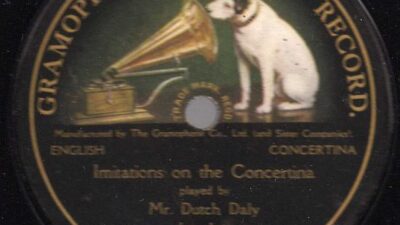
बताया जाता है कि ज़ोहराबाई ने यह गाना एक ही लंबे सत्र में रिकॉर्ड किया — नौशाद ने ढोलक की ताल-पैटर्न पर तब तक घंटों मेहनत की जब तक संतुष्ट नहीं हुए। गाना ऑल इंडिया रेडियो पर तुरंत लोकप्रिय हुआ और उस साल के ग्रामोफ़ोन सीज़न का निर्णायक हिट बन गया।
अंग्रेज़ी में पढ़ें · Read in English
Zohrabai reportedly recorded the song in a single extended session, with Naushad spending hours on the dholak rhythm pattern before he was satisfied. The song was immediately popular on All India Radio and became the defining hit of the year's gramophone season.
विरासत The Legacy
इस गाने ने नौशाद को एक प्रमुख संगीतकार और ज़ोहराबाई को 1940 के दशक की अग्रणी स्त्री-फ़िल्मी आवाज़ के रूप में स्थापित किया। बाद के 'लोक-प्रभावित' फ़िल्मी गानों पर इसका प्रभाव — एस.डी. बर्मन के बिहारी लोक-प्रयोगों से लेकर बाद के बॉलीवुड के 'देसी' सौंदर्यबोध तक — स्पष्ट और स्वीकृत है।
अंग्रेज़ी में पढ़ें · Read in English
The song launched Naushad as a major composer and Zohrabai as the leading female film voice of the 1940s. Its influence on subsequent 'folk-inflected' film songs — from S.D. Burman's Bihari folk experiments to later Bollywood's 'desi' aesthetic — is traceable and acknowledged.
वर्गीकरण
Classification- Tempo
- Medium
Genre
नमूना-पट्टी
The Specimen Table| शीर्षक | अँखियाँ मिलाके नैना से नैना · Ankhiyan Milake Naina Se Naina |
|---|---|
| फ़िल्म | रत्तन · 1944 |
| वर्ष · युग | 1944 — pre independence |
| गायक | Zohrabai Ambalewali |
| गीतकार | D. N. Madhok |
| संगीतकार | Naushad |
| स्वरूप | एकल महिला |
| गति | मध्यम |
| भाषा | hindi |
| भाव | मीठा-कड़वा · चुलबुला · रोमांटिक |
| लोकप्रियता | Very_popular |
| बोल-स्थिति | केवल झलक |
जुड़े हुए पन्ने
Connected Plates · The Graph Made Visibleअटलस में कोई पन्ना अकेला नहीं — इस गीत से जुड़े गीत, कलाकार, फ़िल्म, राग-ताल-विधा, सब यहाँ से खुलते हैं।
मिलते-जुलते गीत · Related Songs
कलाकार · The Artists
फ़िल्म · The Film
साझा कीजिए · Share this Plate