सिनेमा विंग · फ़िल्म-पट्टिका · Film Plate
अमृत मंथन
Amrit Manthan
शैलीMythological · Social Drama
भाषाhindi-marathi प्रकारकथा-चित्र (फ़ीचर)
गीत1 — नीचे पूरी संगीत-सूची
कथा-सार
Synopsisएक अत्याचारी पुजारी जो नरबलि माँगता है और उसका विरोध करने वाले सुधारक राजा के बीच नाटकीय संघर्ष — धार्मिक शोषण का पर्दानशीं रूपक। वी. शांताराम के प्रभात के इस निर्माण ने दृश्य-भाषा और वाद्य-संयोजन में भारतीय सवाक् फ़िल्म का एक नया मानदंड स्थापित किया। केशवराव भोले के संगीत ने मराठी नाट्यसंगीत को सिनेमाई कथा-विधि की ज़रूरतों के साथ मिलाया।
अंग्रेज़ी में पढ़ें · Read in English
A dramatic conflict between a tyrannical priest who demands human sacrifice and a reformer king who opposes him — a thinly veiled allegory for religious exploitation. V. Shantaram's production at Prabhat set a new standard for Indian sound film in visual language and orchestration. Keshavrao Bhole's score blended Marathi natya-sangeet with the demands of cinematic storytelling.
संगीत-सूची
The Soundtrackभोले का संगीत टकराव के क्षणों में आर्केस्ट्रा की लहर के नाटकीय उपयोग के लिए सराहा गया — उस समय हिंदी फ़िल्म-संगीत में यह तकनीक नई थी।
अंग्रेज़ी में पढ़ें · Read in English
Bhole's score was noted for its dramatic use of orchestral swell at moments of confrontation, a technique new to Hindi film music at the time.
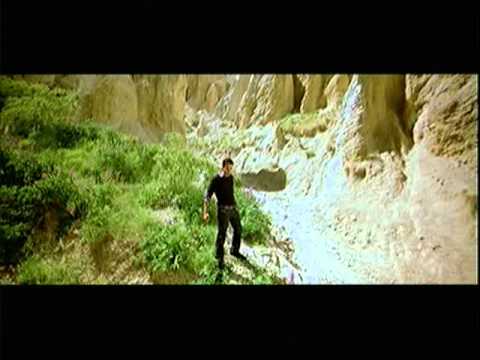
- भय बिना प्रेम नहीं Bhay Bina Prem Nahin
पट्टिका-लेख
The Monographपर्दे के पीछे Behind the Scenes
1930 के दशक की शुरुआत में प्रभात का कोल्हापुर स्टूडियो भारत के सर्वश्रेष्ठ सुसज्जित स्टूडियो में से एक था; शांताराम की दृश्य महत्त्वाकांक्षा और भोले की संगीत-वास्तुकला ने 'अमृत मंथन' को दशक की एक कसौटी फ़िल्म बनाया।
अंग्रेज़ी में पढ़ें · Read in English
Prabhat's Kolhapur studio was among the best-equipped in India in the early 1930s; Shantaram's visual ambition and Bhole's musical architecture made Amrit Manthan a benchmark film of the decade.
महत्व Significance
प्रभात शैली की एक मील का पत्थर: साबित किया कि भारतीय सवाक् फ़िल्म को कलकत्ता टॉकी या बॉम्बे मंच-सूत्र की नकल नहीं करनी, बल्कि मराठी नाट्य-परंपराओं से अपनी दृश्य-संगीत व्याकरण गढ़नी है।
अंग्रेज़ी में पढ़ें · Read in English
A landmark of the Prabhat school: proved that Indian sound film need not imitate the Calcutta talkie or the Bombay stage formula, but could forge its own visual-musical grammar from Marathi theatrical traditions.
विरासत Legacy
'देवदास' (1935) और 'अछूत कन्या' (1936) के साथ 1930 के दशक के भारतीय सिनेमा के आधारभूत पाठ के रूप में मान्यता प्राप्त; सुधारवादी विचारधारा और पौराणिक दृश्यात्मकता के समन्वय के लिए अध्ययन किया जाता है।
अंग्रेज़ी में पढ़ें · Read in English
Recognized alongside Devdas (1935) and Achhut Kanya (1936) as a foundational text of 1930s Indian cinema; studied for its synthesis of reformist ideology and mythological spectacle.
नमूना-पट्टी
The Specimen Table| शीर्षक | अमृत मंथन · Amrit Manthan |
|---|---|
| वर्ष · युग | 1934 — Talkie Dawn |
| निर्देशक | वी. शांताराम · V. Shantaram |
| संगीत-निर्देशक | केशवराव भोले · Keshavrao Bhole |
| निर्माण-गृह | Prabhat Film Company, Kolhapur/Pune |
| शैली | Mythological · Social Drama |
| भाषा | hindi-marathi |
| प्रकार | कथा-चित्र (फ़ीचर) |
| गीत | 1 गीत — ऊपर पूरी संगीत-सूची |
जुड़े हुए पन्ने
Connected Plates · The Graph Made Visibleअटलस में कोई पन्ना अकेला नहीं — 'अमृत मंथन' से उसके गीत, कलाकार, राग और युग, सब जुड़े हैं।
इस फ़िल्म के गीत · Songs of this Film
कलाकार · Cast & Crew
युग · The Era
साझा कीजिए · Share this Plate