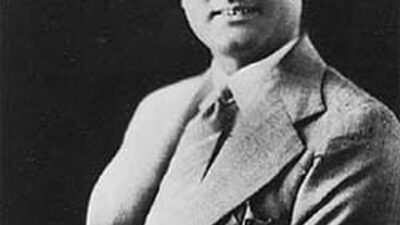
कलाकार विंग · कलाकार-पट्टिका · Artist Plate
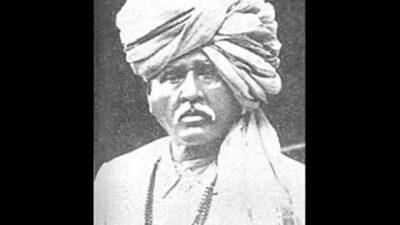
रहिमत ख़ान 'भूगंधर्व'
Rahimat Khan ‘Bhugandharva’ · Rahimat Khan
भूगंधर्व
जन्म1860 — ग्वालियर, ब्रिटिश भारत
निधन1922 — Dharwad region, Bombay Presidency, British India
जीवन-पट्टी
The Life Specimen| नाम | रहिमत ख़ान 'भूगंधर्व' · Rahimat Khan ‘Bhugandharva’ |
|---|---|
| जन्म नाम | रहिमत ख़ान · Rahimat Khan |
| उपनाम | भूगंधर्व |
| जन्म | 1860 — ग्वालियर, ब्रिटिश भारत · Gwalior, British India |
| निधन | 1922 — Dharwad region, Bombay Presidency, British India |
| भूमिकाएँ | गायक |
| सक्रिय वर्ष | c. 1880–1922 |
| युग | gramophone-era |
| राष्ट्रीयता | Indian |
| विधाएँ | Khayal |
| भाषाएँ | Hindi · Braj Bhasha · Marathi |
हस्ताक्षर-पंक्ति · The Signature
हस्ताक्षर-पंक्ति
भूगंधर्व
In EnglishSon of Haddu Khan of Gwalior, called the 'gandharva on earth' — a wandering genius whose few 1910s discs are the only first-generation Gwalior voice we can still hear.
पट्टिका-लेख
The Monographजीवनी Biography
रहिमत ख़ान 'भूगंधर्व' (लगभग 1860–1922) ग्वालियर घराने के युगप्रवर्तक हद्दू ख़ान के पुत्र थे — उस वंश की संतान, जिसने आधुनिक ख़याल का साँचा गढ़ा। रसिकों ने उन्हें 'भूगंधर्व' कहा: धरती पर उतरा गंधर्व। बयानों में उनकी तानों की एकसार, पानी-सी सपाट बहाव और आवाज़ की अलौकिक मिठास का ज़िक्र बार-बार आता है — और उतनी ही बार उनकी बेपरवाही का: दौलत, दरबार, मान-सम्मान, किसी चीज़ की परवाह नहीं; फ़क़ीराना घुमक्कड़ी ही उनका स्वभाव था। जीवन के उत्तरार्ध में वे दक्षिण की ओर निकल गए और धारवाड़ अंचल में बस गए — और यह बसना इतिहास बन गया: मराठी-कन्नड़ पट्टी में हिंदुस्तानी संगीत की जो महान परंपरा बीसवीं सदी में फली-फूली, उसकी जड़ों में रहिमत ख़ान का धारवाड़-वास भी गिना जाता है। 1910 के दशक में उन्होंने मुट्ठी भर ख़याल रिकॉर्डें कराईं — सटीक तारीख़ें आज भी अनिश्चित हैं — और वही चंद तवे ग्वालियर की पहली पीढ़ी की गायकी का इकलौता सुनाई देने वाला प्रमाण हैं। 1922 में उनका निधन हुआ। संग्राहक उनके तवों को धर्मग्रंथ की तरह सहेजते हैं: हद्दू ख़ान के घर की आवाज़, जो बाल-बाल बचकर हम तक पहुँची।
अंग्रेज़ी में पढ़ें · Read in English
Rahimat Khan 'Bhugandharva' (c. 1860–1922) was the son of Haddu Khan of Gwalior, the pioneer whose family forged the template of modern khayal. Connoisseurs titled him 'Bhugandharva' — the celestial musician walking the earth. Accounts return again and again to the liquid evenness of his sapaat taans and an unearthly sweetness of voice — and just as often to his unworldliness: indifferent to wealth, courts and honours, he lived as a wanderer by temperament.
In his later years he drifted south and settled in the Dharwad region — and that settling became history: the great twentieth-century flowering of Hindustani music in the Marathi-Kannada belt counts Rahimat Khan's Dharwad years among its roots. In the 1910s he cut a small clutch of khayal discs — their exact dates remain uncertain — and those few sides are the only audible evidence of first-generation Gwalior singing. He died in 1922. Collectors guard his discs like scripture: the voice of Haddu Khan's own house, reaching us by the narrowest of margins.
प्रारंभिक जीवन Early Life
जन्म लगभग 1860 (कुछ बयान 1850 के दशक का मध्य कहते हैं) में ग्वालियर घराने के प्रथम परिवार में हुआ; तालीम हद्दू ख़ान के घर के भीतर मिली। परिवार का ख़याल — संपूर्ण गायकी का अष्टांग आदर्श — उनका जन्मसिद्ध अधिकार भी था और इकलौता पेशा भी।
अंग्रेज़ी में पढ़ें · Read in English
Born around 1860 (some accounts say the mid-1850s) into the first family of the Gwalior gharana, Rahimat Khan received his taleem within the house of Haddu Khan. The family's khayal — the ashtanga ideal of complete singing — was his birthright and his only profession.
करियर Career
रहिमत ख़ान उत्तर और दक्खन की रियासतों-महफ़िलों में गाते रहे, पर किसी एक दरबार के होकर नहीं रहे। उनकी कला ही उनका तर्क थी: समकालीनों ने उन्हें अपनी पीढ़ी की ग्वालियर-परंपरा का सबसे सहज-प्रतिभ गायक माना। 1910 के दशक में, ढलती उम्र में, उन्होंने मुट्ठी भर ख़याल रिकॉर्डें कराईं — अपनी पीढ़ी के उन गिने-चुने शीर्ष उस्तादों में, जो भोंपू के सामने आए भी। अंतिम वर्ष धारवाड़ अंचल में बीते, जहाँ उनकी उपस्थिति हिंदुस्तानी गायन की दक्षिणी पाठशाला का बीज बनी; 1922 में निधन हुआ।
अंग्रेज़ी में पढ़ें · Read in English
Rahimat Khan sang across princely courts and salons of the north and the Deccan without ever anchoring himself to one durbar. His art was its own argument: contemporaries judged him the most naturally gifted singer of the Gwalior line of his generation. In the 1910s, late in life, he recorded a handful of khayal sides — among the very few first-rank ustads of his generation to face the horn at all. His final years were spent in the Dharwad region, where his presence helped seed the southern school of Hindustani vocalism; he died in 1922.
विरासत Legacy
विरासतें दो हैं, और दोनों उस आदमी के लिए असाधारण जिसके पास अपना कुछ नहीं था: तवे और दक्खन। तवे — 1910 के दशक की चंद ख़याल रिकॉर्डें — ग्वालियर घराने की पहली पीढ़ी के इकलौते ध्वनि-दस्तावेज़ हैं, जिन्हें गायक और अध्येता सुर-सुर परखते हैं। और धारवाड़-वास ने ग्वालियर गायकी का स्रोत ठीक उस घड़ी दक्खन में रोप दिया, जब उस अंचल की महान हिंदुस्तानी सदी शुरू हो रही थी।
अंग्रेज़ी में पढ़ें · Read in English
Two legacies, both outsized for a man who owned almost nothing: the discs and the south. The discs — a few khayal sides from the 1910s — are the Gwalior gharana's only first-generation sound documents, studied note by note by singers and scholars. And the Dharwad years placed a fountainhead of Gwalior gayaki in the Deccan precisely as the region's great Hindustani century began.
गायन-शैली Musical Style
संस्थापक ढंग का ग्वालियर ख़याल: अष्टांग संपूर्णता — आलाप, बोल-आलाप, तानें, लयकारी — और सब कुछ किंवदंती बन चुकी सहजता से। उनकी सपाट तानें ढले हुए पानी-सी सीधी, एकसार बहती थीं; आवाज़ में वह मिठास थी जिसके लिए समकालीनों को दैवी शब्दावली उधार लेनी पड़ी।
अंग्रेज़ी में पढ़ें · Read in English
Gwalior khayal in its founding manner: ashtanga completeness — alap, bol-alap, taans, layakari — delivered with a fabled effortlessness. His sapaat taans ran straight and even as poured water; the voice carried a sweetness contemporaries reached for divine vocabulary to describe.
तालीम, विधाएँ और भाषाएँ
Training · Genres · Languagesतालीम · Training
हद्दू ख़ान (पिता) और ग्वालियर की पारिवारिक परंपरा (c. 1865–1880s)
ग्वालियर घराना ख़याल
Direct taleem within the gharana's founding household.
विधाएँ · Genres
भाषाएँ · Languages Sung
जीवन-रेखा
Career Highlights-
1880
उत्तर भारत के दरबारों-महफ़िलों में ग्वालियर की संस्थापक परंपरा के गायक के रूप में उभार (अनुमानित तिथि)
Emerges as a singer of the Gwalior founding line across northern courts and salons (approximate date)
-
1913
मुट्ठी भर ख़याल रिकॉर्डें — ग्वालियर घराने की पहली पीढ़ी के इकलौते तवे (बैठकें 1910 के दशक में; सटीक तिथियाँ अनिश्चित)
Records a small clutch of khayal sides — the Gwalior gharana's only first-generation discs (sessions in the 1910s; exact dates uncertain)
-
1922
धारवाड़ अंचल में निधन — दक्खन की हिंदुस्तानी गायन-परंपरा के बीज बोकर
Dies in the Dharwad region, having seeded the Deccan's Hindustani vocal tradition
पुरस्कार एवं सम्मान
Awards & Recognition- सम्मान 'भूगंधर्व' — रसिकों द्वारा दी गई उपाधि 'Bhugandharva' — honorific conferred by connoisseurs धरती पर गंधर्व — उनके युग के किसी भी गायक को मिली सबसे बड़ी उपाधियों में
रोचक तथ्य
Margin Notesवे अपनी पीढ़ी के उन गिने-चुने शीर्ष ख़याल उस्तादों में थे जिन्होंने रिकॉर्डिंग कराई — अधिकांश बड़े उस्ताद भोंपू के सामने आने से इनकार करते रहे।
अंग्रेज़ी में पढ़ें · Read in English
He was among the very few first-rank khayal ustads of his generation to record at all — most great ustads refused to face the horn.
उनकी रिकॉर्डों की सटीक तारीख़ें आज तक तय नहीं — संग्राहकों के अनुमान 1910 के दशक के भीतर घूमते हैं।
अंग्रेज़ी में पढ़ें · Read in English
The exact dates of his discs remain unsettled — collectors' estimates circle within the 1910s.
उनका धारवाड़-वास दक्खन में हिंदुस्तानी संगीत के फलने-फूलने की जड़ों में गिना जाता है।
अंग्रेज़ी में पढ़ें · Read in English
His Dharwad years are counted among the roots of Hindustani music's great flowering in the Deccan.
अन्य विवरण
More Details- Birth Year
- 1860
- Death Year
- 1922
- Active Years
- c. 1880–1922
- The Gwalior gharana founding family — son of Haddu Khan
- Court and salon circuits of northern India and the Deccan
Early Life
जन्म लगभग 1860 (कुछ बयान 1850 के दशक का मध्य कहते हैं) में ग्वालियर घराने के प्रथम परिवार में हुआ; तालीम हद्दू ख़ान के घर के भीतर मिली। परिवार का ख़याल — संपूर्ण गायकी का अष्टांग आदर्श — उनका जन्मसिद्ध अधिकार भी था और इकलौता पेशा भी।
Born around 1860 (some accounts say the mid-1850s) into the first family of the Gwalior gharana, Rahimat Khan received his taleem within the house of Haddu Khan. The family's khayal — the ashtanga ideal of complete singing — was his birthright and his only profession.
Career
रहिमत ख़ान उत्तर और दक्खन की रियासतों-महफ़िलों में गाते रहे, पर किसी एक दरबार के होकर नहीं रहे। उनकी कला ही उनका तर्क थी: समकालीनों ने उन्हें अपनी पीढ़ी की ग्वालियर-परंपरा का सबसे सहज-प्रतिभ गायक माना। 1910 के दशक में, ढलती उम्र में, उन्होंने मुट्ठी भर ख़याल रिकॉर्डें कराईं — अपनी पीढ़ी के उन गिने-चुने शीर्ष उस्तादों में, जो भोंपू के सामने आए भी। अंतिम वर्ष धारवाड़ अंचल में बीते, जहाँ उनकी उपस्थिति हिंदुस्तानी गायन की दक्षिणी पाठशाला का बीज बनी; 1922 में निधन हुआ।
Rahimat Khan sang across princely courts and salons of the north and the Deccan without ever anchoring himself to one durbar. His art was its own argument: contemporaries judged him the most naturally gifted singer of the Gwalior line of his generation. In the 1910s, late in life, he recorded a handful of khayal sides — among the very few first-rank ustads of his generation to face the horn at all. His final years were spent in the Dharwad region, where his presence helped seed the southern school of Hindustani vocalism; he died in 1922.
Legacy
विरासतें दो हैं, और दोनों उस आदमी के लिए असाधारण जिसके पास अपना कुछ नहीं था: तवे और दक्खन। तवे — 1910 के दशक की चंद ख़याल रिकॉर्डें — ग्वालियर घराने की पहली पीढ़ी के इकलौते ध्वनि-दस्तावेज़ हैं, जिन्हें गायक और अध्येता सुर-सुर परखते हैं। और धारवाड़-वास ने ग्वालियर गायकी का स्रोत ठीक उस घड़ी दक्खन में रोप दिया, जब उस अंचल की महान हिंदुस्तानी सदी शुरू हो रही थी।
Two legacies, both outsized for a man who owned almost nothing: the discs and the south. The discs — a few khayal sides from the 1910s — are the Gwalior gharana's only first-generation sound documents, studied note by note by singers and scholars. And the Dharwad years placed a fountainhead of Gwalior gayaki in the Deccan precisely as the region's great Hindustani century began.
Musical Style
संस्थापक ढंग का ग्वालियर ख़याल: अष्टांग संपूर्णता — आलाप, बोल-आलाप, तानें, लयकारी — और सब कुछ किंवदंती बन चुकी सहजता से। उनकी सपाट तानें ढले हुए पानी-सी सीधी, एकसार बहती थीं; आवाज़ में वह मिठास थी जिसके लिए समकालीनों को दैवी शब्दावली उधार लेनी पड़ी।
Gwalior khayal in its founding manner: ashtanga completeness — alap, bol-alap, taans, layakari — delivered with a fabled effortlessness. His sapaat taans ran straight and even as poured water; the voice carried a sweetness contemporaries reached for divine vocabulary to describe.
Collaborations
अभिलेख-सार
Discography Summary| संग्रह में गीत | 1 — नीचे जुड़े हुए पन्नों में सूचीबद्ध |
|---|---|
| कुल ज्ञात रिकॉर्डिंग | 1 — 1 संग्रह में उपलब्ध |
| रिकॉर्डिंग-काल | 1913 · पहला सत्र 1910s (exact date uncertain) |
| रिकॉर्ड लेबल | The Gramophone Company (presumed) |
| प्रमुख भूमिका | गायक |
| हस्ताक्षर-गीत | Khayal in Raag Yaman (c. 1913) |
| स्रोत | derived from the HindiGeet song archive |
अभिलेख व संदर्भ
Archives & References| संदर्भ | The Record News — journal of the Society of Indian Record Collectors (SIRC) · Gwalior gharana lineage literature |
|---|---|
| प्रसिद्ध सहयोग |
अंग्रेज़ी में पढ़ें · Read in English
|
जुड़े हुए पन्ने
Connected Plates · The Graph Made Visibleअटलस में कोई पन्ना अकेला नहीं — रहिमत ख़ान 'भूगंधर्व' से उनके गीत, फ़िल्में, घराना, समकालीन और युग, सब यहाँ से खुलते हैं।
हस्ताक्षर-गीत · Signature Songs
सहयोगी और समकालीन · Collaborators & Contemporaries
युग · The Era
साझा कीजिए · Share this Plate
यह पन्ना आगे बढ़ाइए
सवाल-जवाब
Questions & Answersरहिमत ख़ान 'भूगंधर्व' कौन थे?
ग्वालियर घराने के संस्थापक-स्तंभ हद्दू ख़ान के पुत्र (लगभग 1860–1922) — अपनी पीढ़ी के सबसे सहज-प्रतिभ ख़याल गायकों में, जिन्हें रसिकों ने 'भूगंधर्व' की उपाधि दी।
Why are Rahimat Khan's recordings important?
His handful of 1910s khayal discs are the only sound documents of the Gwalior gharana's founding family line — the closest the gramophone ever came to Haddu-Hassu Khan's own house.