गीत विंग · गीत-पट्टिका · Song Plate
पपीहरा पिउ पिउ करे
Papihara Piu Piu Kare (The Cuckoo Calls)
पपीहरा (कोयल) 'पिउ, पिउ!' करती है — जबकि मेरा प्रिय देर करता है। प्रत्याशा और प्रेम की खिलंदड़ी तुम्हरी।
भावचुलबुला · रोमांटिक · Whimsical
भाषाHindustani गतिमध्यम स्वरूपएकल महिला
श्रेय
The Creditsबोल · The Lyrics
पूरे बोल · Full Lyrics
पिउ न आवत मेरे पास हरे
Piu Na Avat Mere Paas Hare
सूत्र-वाक्य · The Hook
सूत्र-वाक्य
पपीहरा (कोयल) 'पिउ, पिउ!' करती है — जबकि मेरा प्रिय देर करता है। प्रत्याशा और प्रेम की खिलंदड़ी तुम्हरी।
In EnglishThe papihara (cuckoo) calls 'piu, piu!' — while my beloved delays. A playful thumri about anticipation, romance, and the teasing impatience of love.
पट्टिका-लेख
The Monographपरिचय Overview
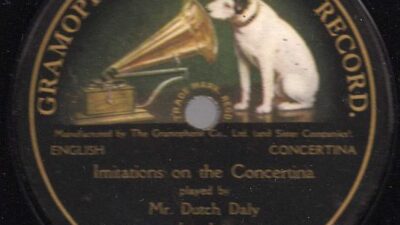
“पपीहरा पिउ पिउ करे” 1903 की अत्यंत लोकप्रिय रिकॉर्डिंग है। इसे मलका जान ने स्वर दिया है, और बोल अज्ञात ने लिखे हैं। यह राग Sawan पर आधारित है, Kaharva ताल में निबद्ध, Thumri शैली का गीत। इसका प्रमुख भाव Playful है, अवधि 3:15 है, और यह The Gramophone Company लेबल से जारी हुआ।
अंग्रेज़ी में पढ़ें · Read in English
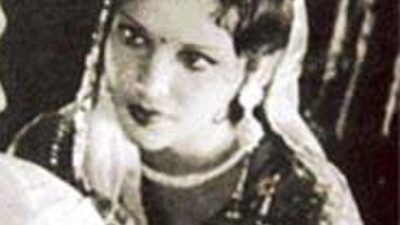
“Papihara Piu Piu Kare (The Cuckoo Calls)” is a immensely popular recording from 1903. It is sung by Malka Jaan, with lyrics penned by Traditional. Musically it set in Raag Sawan, to the Kaharva taal, in the Thumri idiom. Its prevailing mood is playful, the recording runs 3:15, released on the the gramophone company label.
संगीत The Music
राग सावन मानसून की ऋतु और प्रेम की परिपक्वता को दर्शाता है। मलका जान की व्याख्या 'बीते जात बरखा' की तुलना में हल्की और अधिक खिलंदड़ी है।
अंग्रेज़ी में पढ़ें · Read in English
Raag Sawan evokes the monsoon season and the ripeness of love. Malka Jaan's interpretation is lighter and more playful than in 'Beete Jat Barkha' — there's humor here, anticipation, teasing. Her vocal agility shines through rapid passages over the Kaharva taal. The 'piu piu' syllables mirror the cuckoo's actual call.
काव्य The Poetry
पपीहरा (एशियन कोयल) भारतीय काव्य में मानसून के लोककथाओं में एक प्रमुख है। इसका आह्वान 'पिउ पिउ' — प्रिय का आह्वान बन गया। तुम्हरी इस होमोफोन पर खेलती है: 'पिउ' का अर्थ 'पीना' (प्रिय की मौजूदगी से) और 'प्रिय' दोनों है।
अंग्रेज़ी में पढ़ें · Read in English
The papihara (Asian koel / Indian cuckoo) is a fixture of monsoon folklore in Indian poetry. Its call — a two-note 'piu piu' — became metaphorical for the beloved's call, the sound of desire. This thumri plays on the homophone: 'piu' means both 'to drink' (from the beloved's presence) and 'beloved.' The cuckoo becomes the voice of feminine desire.
कहानी The Story
यह रिकॉर्डिंग मलका जान की सीमा को प्रदर्शित करती है — करुण विप्रलम्भ से लेकर खिलंदड़ी रोमांस तक। ये दोनों गीत सन्निहित कैटलॉग संख्या पर हैं, जो सुझाता है कि वे एक ही सत्र में रिकॉर्ड किए गए थे।
अंग्रेज़ी में पढ़ें · Read in English
This recording showcases Malka Jaan's range — from melancholic separation ('Beete Jat Barkha') to playful romance. The pairing of these two songs on adjacent catalog numbers suggests they were recorded in the same session, likely intentionally chosen to display her versatility. 'Papihara' became a crowd favorite, lighter and more singable than its companion piece.
विरासत The Legacy
मलका जान का 'पपीहरा' सभी बाद की कोयल-विषयक तुम्हरी के लिए टेम्पलेट बन गया। यह सिद्ध करता है कि ग्रामोफोन केवल भावना को नहीं, बल्कि व्यक्तित्व और हास्य को भी पकड़ सकता है।
अंग्रेज़ी में पढ़ें · Read in English
Malka Jaan's 'Papihara' became the template for all subsequent cuckoo-themed thumris. The combination of bird-call imitation, playful lyricism, and Agra gharana technique became iconic. Modern thumri singers still reference this recording as foundational. It proved that the gramophone could capture not just emotion but also character and humor.
वर्गीकरण
Classification- Tempo
- Medium
Genre
अन्य विवरण
More Details- Archive of Indian Music — Malka Jaan
- Bajakhana — Malka Jaan Discography
- Thumri Tradition and Monsoon Poetry
References
रोचक तथ्य
Margin Notesपपीहरा (एशियन कोयल) भारत में मानसून के साथ आती है
अंग्रेज़ी में पढ़ें · Read in English
The papihara (Asian koel) arrives in India with the monsoon — hence its association with spring, romance, and the season of love
भारतीय लोककथाओं में, कोयल की कॉल को अलग किए गए प्रेमियों के लिए प्रिय की आवाज़ माना जाता था
अंग्रेज़ी में पढ़ें · Read in English
In Indian folklore, the cuckoo's two-note call was believed to be the voice of the beloved calling to separated lovers
मलका जान का 'पिउ पिउ' को खिलंदड़ी तरीके से गाना इतना आकर्षक था कि यह गीत शादियों और समारोहों में पसंदीदा बन गया
अंग्रेज़ी में पढ़ें · Read in English
Malka Jaan's playful delivery of 'piu piu' was reportedly so charming that the song became a favorite at weddings and celebrations
नमूना-पट्टी
The Specimen Table| शीर्षक | पपीहरा पिउ पिउ करे · Papihara Piu Piu Kare (The Cuckoo Calls) |
|---|---|
| वर्ष · युग | 1903 — pre independence |
| गायक | Malka Jaan of Agra |
| गीतकार | अज्ञात |
| राग | Sawan |
| ताल | {"name_hindi":"काहरवा","name_english":"Kaharva","taal_id":"taal-kaharva","matras":8} |
| स्वरूप | एकल महिला |
| गति | मध्यम |
| अवधि | 3:15 |
| भाषा | Hindustani |
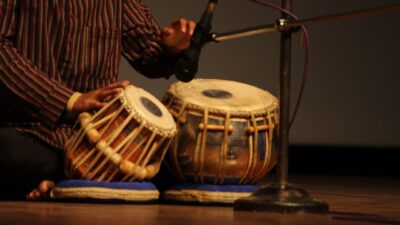
| वाद्य | harmonium · tabla |
| भाव | चुलबुला · रोमांटिक · Whimsical |
| लेबल | The Gramophone Company |
| लोकप्रियता | Very_popular |
| बोल-स्थिति | सार्वजनिक |
जुड़े हुए पन्ने
Connected Plates · The Graph Made Visibleअटलस में कोई पन्ना अकेला नहीं — इस गीत से जुड़े गीत, कलाकार, फ़िल्म, राग-ताल-विधा, सब यहाँ से खुलते हैं।
मिलते-जुलते गीत · Related Songs
कलाकार · The Artists
साझा कीजिए · Share this Plate