कहानियाँ विंग · कहानी · Music History
भारतीय संगीत कैसे लिखा जाता है? स्वरलिपि की कहानी
How Is Indian Music Written? The Story of Swarlipi
प्रकाशित31 March 2026 पाठ५ मिनट का पाठ
आमुख
स्वरलिपि भारतीय संगीत को लिखने की कला है। लेकिन एक समय था जब संगीत को लिखने की कोशिश करना असंभव माना जाता था। क्योंकि संगीत तो कानों से सीखते थे, कागज़ से नहीं। लेकिन 20वीं सदी में, महान संगीत विद्वानों ने दिमाग का इस्तेमाल करके ऐसी प्रणालियाँ बनाईं जो राग को पूरी तरह लिख सकती थीं। यह कहानी उन्हीं नायकों की है।
अंग्रेज़ी में पढ़ें · Read in English
Swarlipi is the art of writing Indian music. But there was a time when trying to write music was considered impossible. Because music was learned from ears, not paper. But in the 20th century, great music scholars created systems that could fully write ragas. This is the story of those heroes.
जब किताबों में संगीत नहीं था
When Music Was Not in Booksसैकड़ों साल पहले, भारतीय संगीत एक गहरी, गोपनीय परंपरा थी। यह परंपरा गुरु के घर में थी। जब कोई छात्र गुरु के पास आता था, तो वह कुछ सीखता था — कभी-कभी। क्योंकि गुरु के पास समय नहीं होता था, या शायद गुरु यह मानते थे कि संगीत को लिखा नहीं जा सकता। यही संगीत की खूबसूरती भी थी — यह जीवंत था। हर गायक, हर बाँसुरी, हर तबला अपनी अलग कहानी कहता था। लेकिन यही संगीत की समस्या भी थी। जब एक महान गायक मर जाता था, तो उसका आधा ज्ञान उसके साथ ही चला जाता था। उसके शिष्य जो कुछ सीखे थे, वह सब कुछ नहीं था। कुछ राग खत्म हो गए। कुछ घराने टूट गए। भारत की संगीत विरासत खतरे में थी।
अंग्रेज़ी में पढ़ें · Read in English
Hundreds of years ago, Indian music was a deep, secret tradition. It lived in the guru's house. When a student came to the guru, they learned something — sometimes. Because the guru had no time, or perhaps the guru believed music could not be written.
This was the beauty of music too — it was alive. Every singer, every flute, every drum told a different story. But this was also music's problem. When a great singer died, half their knowledge went with them. What their students learned was not everything. Some ragas were lost. Some gharanas broke up. India's musical heritage was in danger.
भातखण्डे का सपना
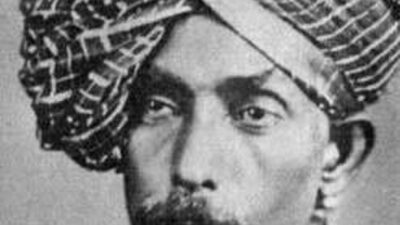
Bhatkhande's Dream1900 के दशक में, एक आदमी था — विष्णु नारायण भातखण्डे। वह एक संगीत प्रेमी था, लेकिन पेशेवर गायक नहीं था। लेकिन उसके दिल में एक सपना था — संगीत को बचाना। उसने देखा कि भारत के अलग-अलग हिस्सों में अलग-अलग राग हैं। महाराष्ट्र में एक राग है, उत्तर प्रदेश में अलग। कुछ राग खत्म हो रहे हैं। भातखण्डे ने सोचा — क्यों न संगीत को किताबों में लिखा जाए? क्यों न हर राग को एक संख्या दी जाए? क्यों न सुरों को चिन्हों से दिखाया जाए? यह विचार पागल था। संगीतकार उस पर हँसते थे। लेकिन भातखण्डे ने हार नहीं मानी। वह 1909 में 'क्रिएटिव म्यूजिक' (Swaramela Kalanidhi) नाम की एक किताब प्रकाशित की। इस किताब में उसने 4000 से अधिक राग संरचनाएँ लिखीं। और सबसे महत्वपूर्ण, उसने एक नई 'भाषा' बनाई — संख्याओं की भाषा। सा=1, रे=2, ग=3... 7 तक। बस इतना सरल। लेकिन यह सरलता ही इसकी शक्ति थी।
अंग्रेज़ी में पढ़ें · Read in English
In the 1900s, there was a man — Vishnu Narayan Bhatkhande. He was a music lover, but not a professional singer. But he had a dream in his heart — to save music. He saw that different parts of India had different ragas. One in Maharashtra, another in Uttar Pradesh. Some ragas were being lost.
Bhatkhande thought — why not write music in books? Why not give each raag a number? Why not show notes with symbols? This idea was crazy. Musicians laughed at him. But Bhatkhande didn't give up.
In 1909, he published a book called 'Swaramela Kalanidhi' (Creative Music). In this book, he wrote over 4000 raag structures. And most importantly, he created a new 'language' — the language of numbers. Sa=1, Re=2, Ga=3... up to 7. Just that simple. But this simplicity was its power.
संगीत को संख्याएँ कैसे बन सकती हैं?
How Can Music Become Numbers?भातखण्डे की पद्धति का विचार यह था कि संगीत एक भाषा है। और हर भाषा को लिखा जा सकता है। जैसे हिंदी में 'नमस्ते' लिखा जाता है, उसी तरह संगीत में '1 2 3' लिखा जा सकता है। लेकिन बस संख्याएँ पर्याप्त नहीं थीं। क्योंकि एक ही संख्या अलग-अलग तरीकों से गाई जा सकती है — कोमल, शुद्ध, तीव्र। इसलिए भातखण्डे ने चिन्ह जोड़े। संख्या के नीचे एक रेखा मतलब कोमल (निम्न)। संख्या के ऊपर एक रेखा मतलब तीव्र (उच्च)। संख्या के नीचे एक बिंदु मतलब एक मात्रा। एक रेखा मतलब दो मात्राएँ। और बस, सब कुछ समझ में आ गया। यह गणित नहीं था। यह संगीत को सांकेतिक भाषा में अनुवाद करना था। और यह अनुवाद इतना अच्छा था कि कोई भी छात्र, जो संख्याएँ जानता था, संगीत की किताब को पढ़ सकता था।
अंग्रेज़ी में पढ़ें · Read in English
Bhatkhande's idea was that music is a language. And every language can be written. Just as 'namaste' is written in Hindi, so can '1 2 3' be written in music. But numbers alone weren't enough. Because the same number can be sung in different ways — komal, shuddha, tivra.
So Bhatkhande added symbols. A line under the number means komal (flat). A line above the number means tivra (sharp). A dot under the number means one beat. A line means two beats. And that's it, everything makes sense.
It wasn't mathematics. It was translating music into a symbolic language. And this translation was so good that any student who knew numbers could read a music book.
पलुस्कर का अलग रास्ता
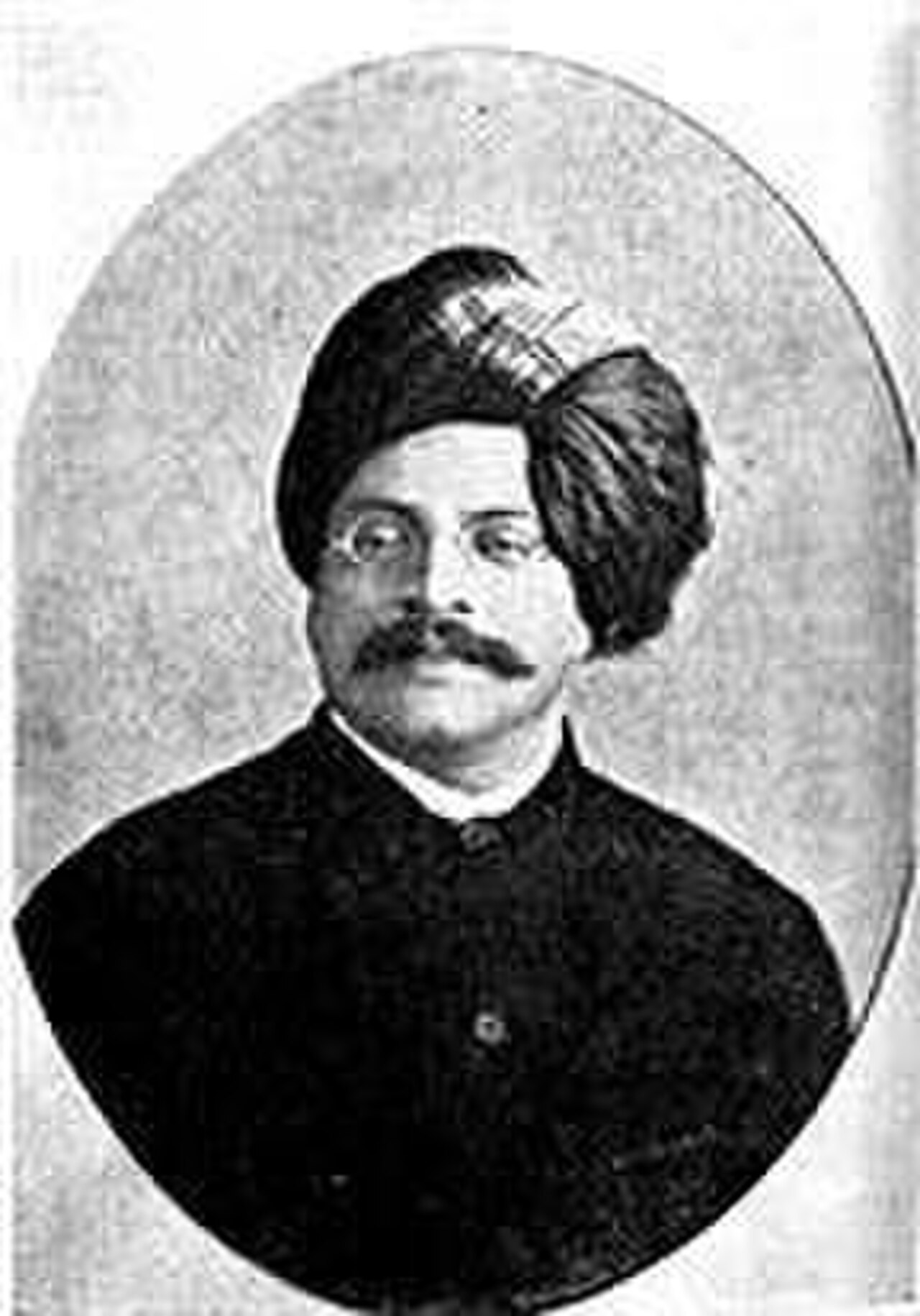
Paluskar's Different Pathलेकिन भातखण्डे अकेले नहीं थे। उसी समय, एक और महान संगीतकार था — विष्णु दिगम्बर पलुस्कर। पलुस्कर भातखण्डे से सहमत नहीं था। उसने कहा — 'संख्याएँ ठीक हैं, लेकिन संगीत के सूक्ष्म आभास को नहीं दिखाते। गमक, मीड, आंदोलन — ये कहाँ हैं?' इसलिए पलुस्कर ने अपनी अलग पद्धति बनाई। उसने संख्याओं की जगह अक्षरों का उपयोग किया। और ज्यादा चिन्ह जोड़े — लहरदार रेखाएँ (गमक के लिए), लंबी रेखाएँ (मीड के लिए)। पलुस्कर की पद्धति अधिक जटिल थी, लेकिन अधिक विस्तृत थी। यह एक महत्वपूर्ण सबक था — संगीत नोटेशन के लिए कोई एक रास्ता नहीं है। भातखण्डे की तरह सरल होने की कोशिश करो, या पलुस्कर की तरह विस्तृत। दोनों महत्वपूर्ण हैं।
अंग्रेज़ी में पढ़ें · Read in English
But Bhatkhande was not alone. At the same time, there was another great musician — Vishnu Digambar Paluskar. Paluskar didn't agree with Bhatkhande. He said: 'Numbers are fine, but they don't show the subtle nuances of music. Where is gamak? Where is meend? Where are the oscillations?'
So Paluskar created his own method. He used letters instead of numbers. And added more symbols — wavy lines (for gamak), long lines (for meend). Paluskar's system was more complex, but more detailed.
It was an important lesson — there is no one path to music notation. Try to be simple like Bhatkhande, or detailed like Paluskar. Both matter.
कर्नाटक संगीत की पुरानी परंपरा
Carnatic Music's Ancient Traditionजबकि हिंदुस्तानी संगीत में नई पद्धतियाँ विकसित हो रही थीं, दक्षिण भारत में एक पुरानी परंपरा चल रही थी। कर्नाटक संगीत में स्वराक्षर नोटेशन हजारों साल पुराना है। इसमें सुरों को उनके नामों के पहले अक्षर से दिखाया जाता है — स, रि, ग, म, प, ध, नी। यह इतना सरल है कि कोई भी इसे समझ सकता है। कर्नाटक के सभी महान संगीतकार — तिरुपति, म्यावरमन, आदि — इसी नोटेशन में लिखते थे। यह दिखाता है कि नोटेशन प्राचीन भारत का एक हिस्सा था। हम इसे 20वीं सदी में 'आविष्कार' नहीं कर रहे थे। हम इसे 'फिर से खोज' रहे थे।
अंग्रेज़ी में पढ़ें · Read in English
While Hindustani music was developing new systems, South India had an ancient tradition. Carnatic music's swarakshara notation is thousands of years old. It shows notes by the first syllable of their names — sa, ri, ga, ma, pa, dha, ni.
It's so simple that anyone can understand it. All great Carnatic musicians — Tirupati, Thyagaraja — wrote in this notation. This shows that notation was part of ancient India. We were not 'inventing' it in the 20th century. We were 'rediscovering' it.
मौखिक परंपरा — भविष्य का अतीत
Oral Tradition — The Past of the Futureलेकिन सब कुछ लिखा नहीं जा सकता। यह सबसे महत्वपूर्ण बात है। एक गुरु जब गाता है, तो उसकी आत्मा गीत में होती है। कागज़ पर यह आत्मा नहीं आ सकती। इसलिए मौखिक परंपरा अभी भी जारी है। एक शिष्य आज भी गुरु के पास बैठता है, सुनता है, और सीखता है। भातखण्डे, पलुस्कर, और अन्य विद्वानों ने नोटेशन को एक आधार दिया। लेकिन असली संगीत तो बराबर मौखिक परंपरा में है। कागज़ पर लिखी पंक्तियाँ सिर्फ एक नक्शा हैं। असली रास्ता तो गुरु की आवाज़ में है।
अंग्रेज़ी में पढ़ें · Read in English
But not everything can be written. This is the most important thing. When a guru sings, their soul is in the song. This soul cannot come on paper. That's why the oral tradition continues. A student still sits with a guru today, listens, and learns.
Bhatkhande, Paluskar, and other scholars gave notation a foundation. But real music still lives in the oral tradition. The lines written on paper are just a map. The real path is in the guru's voice.
आज का संगीत लेखन
Music Writing Todayआज, डिजिटल युग में, संगीत लिखने की और भी अधिक संभावनाएँ हैं। NeumatiQ जैसे सॉफ्टवेयर हैं जो भातखण्डे नोटेशन को ऑडियो में बदल सकते हैं। मोबाइल ऐप्स हैं जो राग सिखाते हैं। यूट्यूब पर हजारों ट्यूटोरियल हैं। लेकिन मूल सवाल वही है — संगीत को कैसे संरक्षित किया जाए? 20वीं सदी में भातखण्डे ने संगीत को कागज़ में बचाया। 21वीं सदी में हम इसे डिजिटली बचा रहे हैं। लेकिन असली सवाल यह है — क्या संगीत को कभी पूरी तरह संरक्षित किया जा सकता है? शायद नहीं। क्योंकि संगीत जीवंत है। हर गायक इसे अपने तरीके से गाता है। यही संगीत की खूबसूरती है।
अंग्रेज़ी में पढ़ें · Read in English
Today, in the digital age, there are more possibilities for writing music. Software like NeumatiQ can convert Bhatkhande notation to audio. Mobile apps teach ragas. YouTube has thousands of tutorials.
But the basic question remains — how to preserve music? In the 20th century, Bhatkhande preserved music on paper. In the 21st century, we're preserving it digitally. But the real question is — can music ever be fully preserved?
Probably not. Because music is alive. Every singer sings it their own way. That's the beauty of music.
निष्कर्ष — संगीत की कोई एक भाषा नहीं है
Conclusion — Music Has No One Languageस्वरलिपि की कहानी असल में भारतीय संस्कृति की कहानी है। यह दिखाती है कि कैसे भारत ने ज्ञान को कई तरीकों से संरक्षित किया — कभी गुरु-शिष्य से, कभी किताबों में, कभी संगीत में। भातखण्डे ने एक तरीका दिया। पलुस्कर ने दूसरा। कर्नाटक की परंपरा पहले से मौजूद थी। और मौखिक परंपरा तो सदा ही थी। सब कुछ महत्वपूर्ण है। सब कुछ सही है। इसलिए, जब आप किसी को संगीत सीखते हुए देखें — चाहे वह भातखण्डे की किताब पढ़ रहा हो, या गुरु के सामने बैठा हो, या यूट्यूब पर ट्यूटोरियल देख रहा हो — याद रखें कि यह सब एक ही परंपरा का हिस्सा है। संगीत की परंपरा। जो हजारों साल पुरानी है। और जो आगे भी हजारों साल चलेगी।
अंग्रेज़ी में पढ़ें · Read in English
The story of Swarlipi is actually the story of Indian culture. It shows how India preserved knowledge in many ways — through guru-shishya, through books, through music.
Bhatkhande gave one way. Paluskar gave another. Carnatic's tradition existed before. And the oral tradition was always there. Everything matters. Everything is right.
So when you see someone learning music — whether reading Bhatkhande's book, sitting before a guru, or watching tutorials on YouTube — remember that this is all part of one tradition. The tradition of music. Which is thousands of years old. And which will continue for thousands of years.
परिचय
Identity- Epithet
- how-indian-music-written-swarlipi
अन्य विवरण
More Details- विष्णु नारायण भातखण्डे · Vishnu Narayan Bhatkhande
- विष्णु दिगम्बर पलुस्कर · Vishnu Digambar Paluskar
Key Figures
श्रवण-कक्ष · The Listening Room
इस कहानी के वीडियो
भारतीय संगीत नोटेशन — 15 मिनट में सीखें
गुरु-शिष्य परंपरा — संगीत सीखने की परंपरा
कहानी-नमूना
The Story Specimen| शीर्षक | भारतीय संगीत कैसे लिखा जाता है? स्वरलिपि की कहानी · How Is Indian Music Written? The Story of Swarlipi |
|---|---|
| श्रेणी | Music History |
| पाठ-समय | ५ मिनट का पाठ |
| प्रकाशित | 31 March 2026 — admin |
और कहानियाँ
More Stories from the Atlas
साझा कीजिए · Share this Plate
यह पन्ना आगे बढ़ाइए
सवाल-जवाब
Questions & Answershow-indian-music-written-swarlipi — यह कथा किस बारे में है? · What is this story about?
स्वरलिपि भारतीय संगीत को लिखने की कला है। लेकिन एक समय था जब संगीत को लिखने की कोशिश करना असंभव माना जाता था। क्योंकि संगीत तो कानों से सीखते थे, कागज़ से नहीं। लेकिन 20वीं सदी में, महान संगीत विद्वानों ने दिमाग का इस्तेमाल करके ऐसी प्रणालियाँ बनाईं जो राग को पूरी तरह लिख सकती थीं। यह कहानी उन्हीं नायकों की है।
Swarlipi is the art of writing Indian music. But there was a time when trying to write music was considered impossible. Because music was learned from ears, not paper. But in the 20th century, great music scholars created systems that could fully write ragas. This is the story of those heroes.