कहानियाँ विंग · कहानी · Art History
नवरस: भारतीय कला के नौ भाव
The Navrasas: Nine Emotions of Indian Art
प्रकाशित31 March 2026 पाठ१२ मिनट का पाठ
आमुख
भारतीय कला और सौंदर्यशास्त्र का सबसे गहरा रहस्य तीन अक्षरों में छिपा है: रस। इस शब्द का अनुवाद 'स्वाद' या 'सार' के रूप में किया जा सकता है, लेकिन कोई भी अनुवाद पूर्ण नहीं है। रस वह है जो एक कला को महज़ प्रदर्शन से परे ले जाता है — यह वह तरल जो दर्शक के हृदय को संपृक्त करता है, जो उन्हें एक निश्चित भावनात्मक अवस्था में ले जाता है, जहाँ वे अपने दैनिक अस्तित्व से परे, शुद्ध अनुभूति के क्षेत्र में प्रवेश करते हैं। इस अवधारणा को पहली बार औपचारिक रूप दिया गया था तीसरी से चौथी शताब्दी के संस्कृत नाटक
अंग्रेज़ी में पढ़ें · Read in English
The deepest secret of Indian art and aesthetics lies hidden in three letters: rasa. This word translates as 'flavor' or 'essence,' but no translation is complete. Rasa is what lifts a performance beyond mere mechanics—it is the liquid that saturates the viewer's heart, drawing them into a specific emotional state where they transcend their daily existence and enter a realm of pure feeling.
This c
प्राचीन सूत्र से अनंत काव्य तक
From Ancient Sutra to Infinite Poetryभारतीय कला और सौंदर्यशास्त्र का सबसे गहरा रहस्य तीन अक्षरों में छिपा है: रस। इस शब्द का अनुवाद 'स्वाद' या 'सार' के रूप में किया जा सकता है, लेकिन कोई भी अनुवाद पूर्ण नहीं है। रस वह है जो एक कला को महज़ प्रदर्शन से परे ले जाता है — यह वह तरल जो दर्शक के हृदय को संपृक्त करता है, जो उन्हें एक निश्चित भावनात्मक अवस्था में ले जाता है, जहाँ वे अपने दैनिक अस्तित्व से परे, शुद्ध अनुभूति के क्षेत्र में प्रवेश करते हैं। इस अवधारणा को पहली बार औपचारिक रूप दिया गया था तीसरी से चौथी शताब्दी के संस्कृत नाटक शास्त्र 'नाट्यशास्त्र' में, जिसे भरतमुनि ने रचा था। भरतमुनि ने मानव अभिनय के समस्त संभावनाओं की व्यापक व्याख्या प्रदान की — हर एक इशारा, हर एक आँख की गति, हर एक शारीरिक भाव कैसे एक आंतरिक मनोदशा को संप्रेषित करता है। लेकिन नाटय्यशास्त्र की सबसे महत्वपूर्ण खोज यह थी कि सभी भावनाएँ, जटिल होने के बावजूद, मुख्य नौ भावनाओं में विभाजित की जा सकती हैं — नवरस। आठ सौ साल पहले, जब यूरोप मध्यकालीन अंधकार में था, भारतीय विद्वान सार्वभौमिक मानवीय भावनाओं की एक वैज्ञानिक प्रणाली विकसित कर रहे थे। यह वह ज्ञान था जो आज भी, 21वीं सदी में, भारतीय संगीत, नृत्य, नाटक और सिनेमा के हृदय में स्पंदित होता है। जब आप कोई राग सुनते हैं, जब आप कथक का कोई मुद्रा देखते हैं, जब आप किसी फ़िल्म में संवेदनशील दृश्य से मुग्ध होते हैं — आप असल में नवरस के सिद्धांत का अभिज्ञान कर रहे होते हैं।
अंग्रेज़ी में पढ़ें · Read in English
The deepest secret of Indian art and aesthetics lies hidden in three letters: rasa. This word translates as 'flavor' or 'essence,' but no translation is complete. Rasa is what lifts a performance beyond mere mechanics—it is the liquid that saturates the viewer's heart, drawing them into a specific emotional state where they transcend their daily existence and enter a realm of pure feeling.
This concept was first formalized in the Natyashastra, a Sanskrit treatise on drama written by Bharata Muni between the 3rd and 4th centuries CE. Bharata Muni provided an exhaustive taxonomy of all possibilities in human performance—every gesture, every eye movement, every physical expression and how each communicates an inner state. But the Natyashastra's most important discovery was that all emotions, however complex, could be distilled into nine primary emotional states—the Navrasas.
Eight centuries before Shakespeare, while Europe labored in medieval darkness, Indian scholars were constructing a scientific system of universal human emotion. This knowledge still pulses at the heart of Indian music, dance, theater, and cinema today. When you hear a raag, when you see a Kathak mudra, when you are moved by a scene in a film—you are experiencing the principle of the Navrasas.
रस-सिद्धांत: मानवीय अनुभूति की भाषा
The Theory of Rasa: The Language of Human Experienceरस को समझने के लिए, हमें एक सरल लेकिन गहरा सवाल पूछना होगा: संगीत हमें क्यों भावविष्ट करता है? जब हम एक दुःख भरा गीत सुनते हैं, तो हम उदास क्यों हो जाते हैं? जब हम एक उल्लासपूर्ण गीत सुनते हैं, तो हमारे चेहरे पर मुस्कान क्यों आ जाती है? भरतमुनि का उत्तर सुंदर और समग्र है। वह कहते हैं कि कला के एक टुकड़े में कई स्तर होते हैं। सबसे सतही स्तर पर भाव है — यह तत्व है जो अभिनय, गायन, नृत्य और कविता में अभिव्यक्त होता है। संगीतकार एक विशेष मनोदशा को अपने संगीत में एम्बेड करता है। नर्तक अपने शरीर के माध्यम से भावनाओं को संप्रेषित करता है। कवि शब्दों का उपयोग करके रंग बोता है। लेकिन यह केवल प्रदर्शन का विषय नहीं है। कला का लक्ष्य यह है कि दर्शक या श्रोता के मन में एक समान भाव उत्पन्न हो। भारतीय सौंदर्यशास्त्र में, इस प्रक्रिया को 'रस-संचार' कहा जाता है — भावना का हस्तांतरण। और यह केवल तभी होता है जब कला वस्तुनिष्ठ और सार्वभौमिक हो। एक गीत जो पूरी तरह व्यक्तिगत या विशेष परिस्थिति पर निर्भर है वह रस को संचारित नहीं कर सकता। लेकिन जब एक कलाकार एक भाव को इस तरह व्यक्त करता है कि वह मानव अनुभव के मूल तक पहुँचता है, तब रस का जन्म होता है। नवरस यानी ये नौ प्राथमिक भाव हैं: शृंगार (प्रेम), करुण (दुःख), हास्य (हँसी), वीर (साहस), रौद्र (क्रोध), भयानक (डर), बीभत्स (घृणा), आश्चर्य (विस्मय), शांत (शांति), भक्ति (भक्ति), और वत्सल्य (स्नेह)। ये नौ (या ग्यारह, जैसा कि कुछ परंपराएँ मानती हैं) सभी मानवीय अनुभव के प्राथमिक रंग हैं।
अंग्रेज़ी में पढ़ें · Read in English
To understand rasa, we must ask a simple yet profound question: why does music move us? When we hear a melancholic song, why do we become sad? When we hear a joyful song, why does a smile appear on our face?
Bharata Muni's answer is both beautiful and holistic. He explains that a work of art has multiple layers. At the most surface level is the bhava—the element expressed through acting, singing, dancing, and poetry. A musician embeds a specific emotional state in their music. A dancer communicates feelings through their body. A poet paints with words.
But this is not merely about performance. The goal of art is to generate a similar emotion in the mind of the viewer or listener. In Indian aesthetics, this process is called 'rasa-sanchaar'—the transmission of feeling. And this happens only when the art touches something objective and universal. A song that is entirely personal or dependent on specific circumstances cannot transmit rasa. But when an artist expresses a feeling in such a way that it reaches the core of human experience, then rasa is born.
The Navrasas are these nine primary emotional states: Shringara (love and desire), Karuna (sorrow and compassion), Hasya (laughter and joy), Veera (heroism and courage), Raudra (anger and rage), Bhayanaka (fear and terror), Bibhatsa (disgust and loathing), Adbhuta (wonder and astonishment), Shanta (peace and tranquility), Bhakti (devotion and reverence), and Vatsalya (affection and nurturing). These nine (or eleven, as some traditions maintain) are the primary colors of all human experience.
नवरस का मंथन: प्रत्येक भाव की गहराई
The Churning of the Navrasas: The Depths of Each Emotionअब आइए, नवरस को एक-एक करके समझें — न केवल उनके नाम, बल्कि उनके सार को, उनके भारतीय संगीत, नृत्य, नाटक और सिनेमा में अभिव्यक्ति को समझें। शृंगार रस (Shringara Rasa) — प्रेम, इच्छा, सौंदर्य और शारीरिक आकर्षण का भाव। यह रस संगीत में सबसे प्रचुर है क्योंकि प्रेम ही तो सभी कविता का विषय है। जब आप कोई ख़्याल सुनते हैं जैसे 'लग जा गले' या 'तुम इतना जो मुस्कुरा रहे हो', आप शृंगार रस में डूबे हुए हैं। शृंगार राग सूक्ष्मता और विलास की खासियत रखते हैं — यमन, भैरवी, खमाज। नृत्य में, शृंगार को घुमाव, मुखमुद्रा और शरीर की नरमी के माध्यम से व्यक्त किया जाता है। करुण रस (Karuna Rasa) — दुःख, विरह, शोक, सहानुभूति का भाव। यह रस भारतीय संगीत में उतना ही गहरा है जितना शृंगार। 'आहा तुम्हीं दो', 'राग भैरवी में जन्म लेना', 'तनहा मुझे तनहा ही रहना है' — ये करुण रस के अमर उदाहरण हैं। करुण राग अक्सर माइनर स्केलों में होते हैं, धीमी गति में, विषाद से भरे। कथक में, करुण को पैरों के संचालन में, शरीर की थकान में और आँखों की नमी में देखा जा सकता है। हास्य रस (Hasya Rasa) — हँसी, प्रसन्नता, विनोद, व्यंग्य का भाव। यह हल्का-फुल्का दिख सकता है, लेकिन हास्य का माध्यम गहरा है। हास्य केवल हँसना नहीं है — यह मानव के अंतर्विरोध, उसकी मूर्खता, उसकी असमानताओं को रंगीन तरीके से दिखाना है। राज कपूर की फ़िल्मों में, 'खिलाड़ी' या 'शोले' की हास्य दृश्यों में, आप हास्य रस को महसूस कर सकते हैं। भारतीय संगीत में 'ठुमरी' अक्सर हास्य और शृंगार को मिलाता है। वीर रस (Veera Rasa) — वीरता, साहस, पराक्रम, आत्मविश्वास का भाव। यह रस युद्ध के मैदान से लेकर कर्तव्य के पथ तक फैला हुआ है। 'चल चल रे नौजवान' या 'सुभ द्र हो जो' जैसे गीत वीर रस के उदाहरण हैं। भरतनाट्यम में, वीर रस को तेज़ गति, शक्तिशाली पदचिह्न, और सीधी, आत्मविश्वासी मुद्राओं के माध्यम से प्रदर्शित किया जाता है। रौद्र रस (Raudra Rasa) — क्रोध, आक्रोश, आपत्ति, विनाशकारी शक्ति का भाव। यह एक जबर्दस्त भाव है जो नाटक और सिनेमा में शक्तिशाली क्षणों को जन्म देता है। भारतीय संगीत में रौद्र रस को अक्सर तेज़ ताल, तीव्र आवाज़, और विस्फोटक नोट्स के माध्यम से व्यक्त किया जाता है। भयानक रस (Bhayanaka Rasa) — भय, आतंक, दहशत का भाव। डर का यह भाव काफ़ी नाज़ुक है क्योंकि इसे उत्पन्न करना तो आसान है, लेकिन इसे कला में रूपांतरित करना कठिन है। आधुनिक हिंदी फ़िल्मों में, विशेषकर थ्रिलर और हॉरर फ़िल्मों में, संगीत भयानक रस को जन्म देता है। शास्त्रीय संगीत में, इसे सूक्ष्मता से व्यक्त किया जाता है। बीभत्स रस (Bibhatsa Rasa) — घृणा, अरुचि, विद्वेष, नकारात्मकता का भाव। यह सबसे कम अनुमोदित रस है, लेकिन यह भी कला में एक भूमिका निभाता है। यह नैतिक सीमाओं को रेखांकित करता है। आश्चर्य रस (Adbhuta Rasa) — विस्मय, आश्चर्य, अবोधिता, ज्ञान की खोज का भाव। जब कुछ अप्रत्याशित होता है, जब हमें कुछ नया सीखने को मिलता है, तब आश्चर्य रस अभिव्यक्त होता है। भारतीय संगीत में, नई रचनाएँ, नए राग, नई संगीत शैलियाँ इसी रस को जन्म देती हैं। शांत रस (Shanta Rasa) — शांति, शांतता, मुक्ति, अध्यात्म का भाव। यह रस ध्यान, मेडिटेशन, और आध्यात्मिक संगीत का क्षेत्र है। भारतीय संगीत में, धीमे राग — यमन, आसावरी, पहाड़ी — शांत रस को व्यक्त करते हैं। भक्ति रस (Bhakti Rasa) — भक्ति, प्रेम, समर्पण, दिव्यता का भाव। यह रस धार्मिक संगीत, भजन, कीर्तन का मूल है। 'भैया हो तुम अवधेश नरहरि', 'कहो कृष्ण कन्हाई' जैसे भजन भक्ति रस की सबसे शुद्ध अभिव्यक्ति हैं। वत्सल्य रस (Vatsalya Rasa) — स्नेह, प्रेम, लालन-पालन, पारिवारिक बंधन का भाव। माता-पिता का बच्चे के लिए प्रेम, भाई-बहन का स्नेह, परिवार का संबंध — सब इसी रस के अंतर्गत आते हैं। भारतीय संगीत में, 'तुम चंदन हम पानी' जैसे गीत वत्सल्य रस को व्यक्त करते हैं।
अंग्रेज़ी में पढ़ें · Read in English
Now, let us understand each rasa—not merely their names, but their essence, and how they manifest in Indian music, dance, theater, and cinema.
**Shringara Rasa (Love & Desire)** — The emotion of love, desire, beauty, and physical attraction. This rasa is the most abundant in music because love is the subject of all poetry. When you hear a khyal like 'Lag ja gale' or 'Tum itna jo muskura rahe ho,' you are immersed in Shringara rasa. Shringara raags are characterized by subtlety and sensuality—Yaman, Bhairavi, Khamaj. In dance, Shringara is expressed through curves, facial expressions, and the softness of movement.
**Karuna Rasa (Sorrow & Compassion)** — The emotion of sorrow, separation, grief, and empathy. This rasa runs as deep in Indian music as Shringara. Songs like 'Aha tumhi do,' 'Rag Bhairavi mein janam lena,' 'Tanha mujhe tanha hi rehna hai' are immortal expressions of Karuna rasa. Karuna raags are often in minor scales, slow tempos, filled with melancholy. In Kathak dance, Karuna is visible in the slowness of footwork, the fatigue in the body, and the moisture in the eyes.
**Hasya Rasa (Laughter & Joy)** — The emotion of laughter, happiness, humor, and wit. This may seem light, but the medium of humor runs deep. Hasya is not merely about laughing—it is about revealing human contradictions, foolishness, and disparities in a colorful way. In Raj Kapoor films, in the comic scenes of 'Khiladi' or 'Sholay,' you feel Hasya rasa. In Indian music, 'Thumri' often blends Hasya with Shringara.
**Veera Rasa (Heroism & Courage)** — The emotion of heroism, courage, valor, and self-confidence. This rasa extends from the battlefield to the path of duty. Songs like 'Chal chal re naujavaan' or 'Sudha ho jo' are examples of Veera rasa. In Bharatanatyam dance, Veera rasa is demonstrated through rapid tempos, forceful footsteps, and straight, confident postures.
**Raudra Rasa (Anger & Rage)** — The emotion of anger, protest, objection, and destructive power. This is a potent rasa that creates powerful moments in theater and cinema. In Indian music, Raudra rasa is often expressed through rapid tempos, forceful voices, and explosive notes.
**Bhayanaka Rasa (Fear & Terror)** — The emotion of fear, terror, and dread. This is a delicate rasa because generating fear is easy, but transforming it into art is difficult. In modern Hindi films, especially thrillers and horror films, music creates Bhayanaka rasa. In classical music, it is expressed with subtlety.
**Bibhatsa Rasa (Disgust & Loathing)** — The emotion of disgust, distaste, hatred, and negativity. This is the least approved rasa, but it also plays a role in art, demarcating moral boundaries.
**Adbhuta Rasa (Wonder & Astonishment)** — The emotion of wonder, astonishment, naiveté, and the quest for knowledge. When something is unexpected, when we learn something new, Adbhuta rasa is expressed. In Indian music, new compositions, new raags, new musical styles give birth to Adbhuta rasa.
**Shanta Rasa (Peace & Tranquility)** — The emotion of peace, serenity, liberation, and spirituality. This rasa is the domain of meditation, mindfulness, and spiritual music. In Indian music, slow raags—Yaman, Asavari, Pahadi—express Shanta rasa.
**Bhakti Rasa (Devotion & Reverence)** — The emotion of devotion, love, dedication, and divinity. This rasa is the foundation of religious music, bhajans, kirtans. Bhajans like 'Bhaiya ho tum Avadhesh Narhari,' 'Kaho Krishna Kanhai' are the purest expressions of Bhakti rasa.
**Vatsalya Rasa (Affection & Nurturing)** — The emotion of affection, love, nurturing, and familial bonds. A mother's love for her child, sibling affection, family relationships—all fall under this rasa. In Indian music, songs like 'Tum chandan ham pani' express Vatsalya rasa.
राग का भाव: कैसे संगीत नवरस को प्रदर्शित करता है
Raag and Bhava: How Music Expresses the Navrasasभारतीय शास्त्रीय संगीत में, नवरस को राग के माध्यम से अभिव्यक्त किया जाता है। राग सिर्फ़ नोट्स का एक समूह नहीं है — यह एक पूर्ण मनोदशा, एक वातावरण, एक आध्यात्मिक अनुभव है। हर राग का अपना चरित्र होता है, अपनी आत्मा होती है। उदाहरण के लिए, राग भैरवी को लें। भैरवी को 'करुणा का राग' माना जाता है। यह राग सुबह के प्रारंभ में गाया जाता है, जब सूर्य उदय होता है, जब अंधकार प्रकाश में बदलता है, जब कोई स्वप्न से जागता है। भैरवी के नोट्स — विशेषकर इसके कोमल निषाद — एक सूक्ष्म उदासीनता को साकार करते हैं। यह राग दुःख को कभी भी अश्लील तरीके से नहीं दिखाता; बल्कि यह दुःख को एक सुंदर, पवित्र, लगभग पवित्र तरीके से प्रस्तुत करता है। जब आप भैरवी सुनते हैं, आपको लगता है कि कोई आपके कान में शांति से कुछ कह रहा है। यह शृंगार का स्पर्श भी है, क्योंकि विरह (प्रिय से अलगाव) शृंगार और करुणा दोनों को एक साथ लाता है। यमन को लें। यह एक 'शृंगार का राग' है, लेकिन यह राग शृंगार को एक बहुत ऊँचे, सूक्ष्म स्तर पर व्यक्त करता है — यह कामवासना के बारे में नहीं है, बल्कि आत्मीय प्रेम, दिव्य प्रेम के बारे में है। यमन के शुद्ध नोट्स, विशेषकर इसका तीव्र मध्यम, एक ऐसी सुंदरता व्यक्त करते हैं जो स्पर्श को अनुभूति में परिवर्तित करती है। ध्रुवपद संगीत परंपरा में, कलाकार को राग के साथ एक विशेष भाव (हिंदी में 'भाव' का अर्थ अनुभूति या भावनात्मक अवस्था है) को जोड़ने के लिए प्रशिक्षित किया जाता है। एक ही राग को अलग-अलग भावों के साथ गाया जा सकता है — भैरवी को शृंगार के साथ गाया जा सकता है (प्रेम की पीड़ा के साथ) या करुणा के साथ (दुःख की शुद्धता के साथ)। यह राग की लचीलापन और गहराई को दर्शाता है। हिंदुस्तानी संगीत में, ठुमरी और दादरा जैसी हल्की शैलियाँ अक्सर शृंगार और हास्य को मिलाती हैं। एक गायिका जब 'होरी खेलत नंद के लाल' गाती है, तो वह शृंगार (प्रेम), हास्य (नाटकीयता) और भक्ति (ईश्वर के प्रति) को एक ही समय में व्यक्त कर रही होती है। यह नवरस का चमत्कार है — वे अलग-अलग भावनाएँ नहीं हैं जो अलग-अलग टुकड़ों में व्यक्त होती हैं; बल्कि ये मानवीय अनुभव के विभिन्न आयाम हैं जो एक साथ बुने जा सकते हैं।
अंग्रेज़ी में पढ़ें · Read in English
In Indian classical music, the Navrasas are expressed through raag. A raag is not merely a collection of notes—it is a complete emotional state, an atmosphere, a spiritual experience. Every raag has its own character, its own soul.
Take, for example, Raag Bhairavi. Bhairavi is considered the 'rasa of sorrow.' This raag is sung early in the morning, at sunrise, when darkness transforms into light, when one awakens from sleep. The notes of Bhairavi—especially its soft Nishadha—embody a subtle melancholy. This raag never presents sorrow in an obscene manner; rather, it presents sorrow in a beautiful, sacred, almost holy way. When you hear Bhairavi, it feels as though someone is whispering peace into your ear. There is also a touch of Shringara, because Virah (separation from the beloved) brings both Shringara and Karuna together.
Consider Yaman. This is a 'rasa of love,' but it expresses love at a very high, subtle level—not about carnal desire, but about intimate love, divine love. The pure notes of Yaman, especially its sharp Madhyam, express a beauty that transforms touch into feeling.
In the Dhrupad tradition, singers are trained to marry a specific emotion—'bhava' in Hindi, meaning feeling or emotional state—with the raag. The same raag can be sung with different emotions—Bhairavi can be sung with Shringara (the pain of love) or with Karuna (the purity of sorrow). This demonstrates the flexibility and depth of raag.
In Hindustani music, lighter forms like Thumri and Dhadra often blend Shringara and Hasya. When a singer performs 'Hori khelt Nand ke laal,' she is simultaneously expressing Shringara (love), Hasya (theatricality), and Bhakti (devotion to God). This is the marvel of the Navrasas—they are not separate emotions expressed in separate pieces; rather, they are different dimensions of human experience that can be woven together.
नृत्य में नवरस: शरीर की भाषा
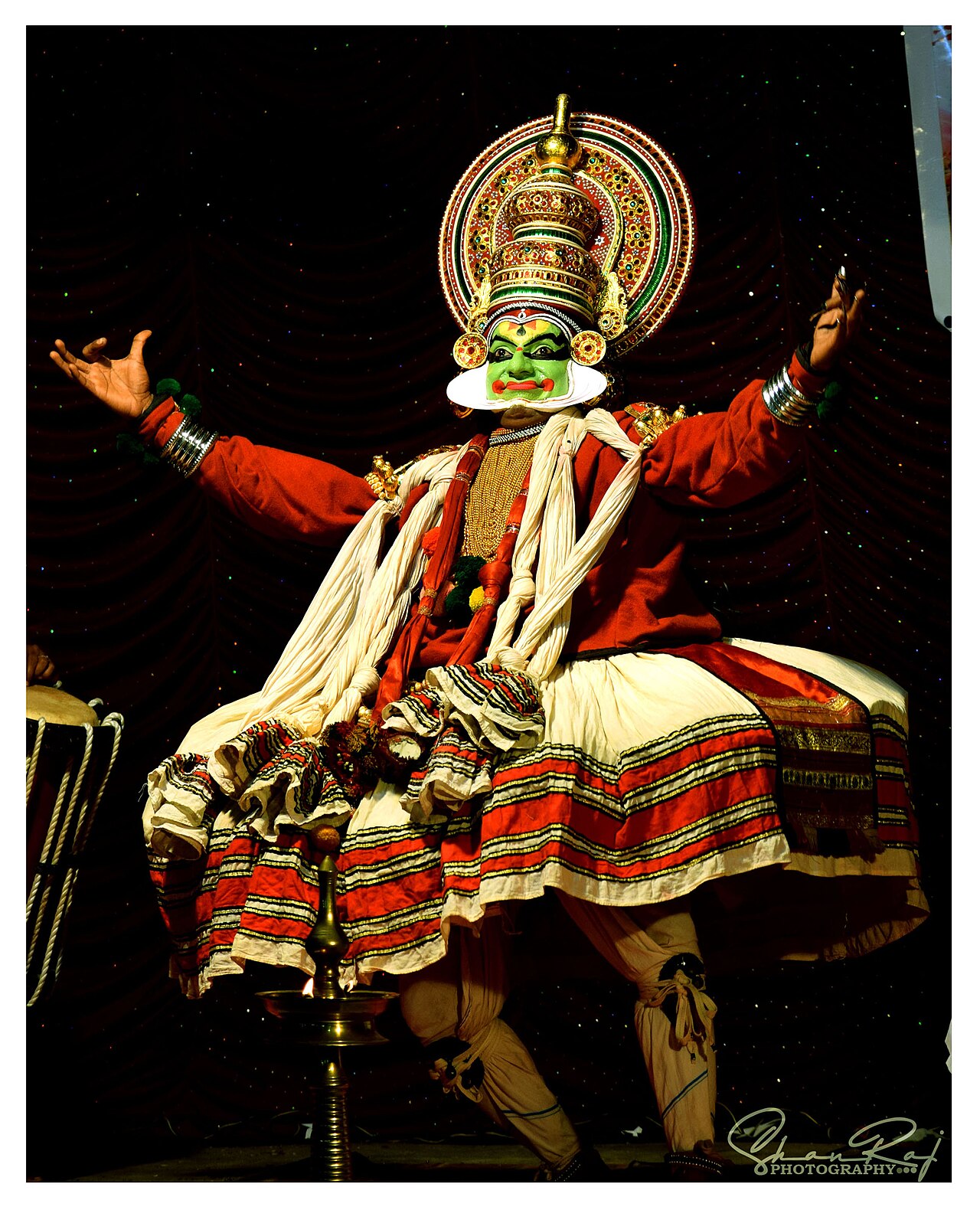
The Navrasas in Dance: The Language of the Bodyयदि संगीत नवरस को श्रवण अनुभव के माध्यम से व्यक्त करता है, तो नृत्य उन्हें दृश्य और गतिसंबंधी अनुभव के माध्यम से व्यक्त करता है। भरतनाट्यम, कथक, कुचिपुड़ी, ओडिसी — भारतीय नृत्य की प्रत्येक शैली में नवरस को व्यक्त करने के अपने तरीके हैं। भारतनाट्यम में, नृत्यकार के शरीर के प्रत्येक भाग — सिर, गर्दन, कंधे, हाथ, पेट, पैर — नवरस को व्यक्त करने का एक साधन है। शृंगार को दिखाने के लिए, नर्तक अपने शरीर में घुमाव लाता है, अपनी आँखों को मधुर करता है, अपने हाथों को कोमल और चंचल बनाता है। करुणा दिखाने के लिए, वह अपने शरीर को थकान से भर देता है, अपनी गति को धीमा करता है, अपने चेहरे पर संताप को दिखाता है। कथक में, नवरस को नर्तक के चेहरे की अभिव्यक्ति (मुखाभिनय) और शरीर की गति (अंगसंचालन) दोनों के माध्यम से व्यक्त किया जाता है। कथक के मुखाभिनय को देखना एक संपूर्ण नाटक देखने जैसा है — नर्तक एक समय में कई भावनाओं को प्रदर्शित कर सकता है, उन्हें एक दूसरे से जुड़ते हुए दिखा सकता है, मानो वह एक सिम्फनी का संचालन कर रहा हो। ओडिसी नृत्य में, नर्तक के शरीर को तीन भागों में विभाजित किया जाता है: सिर, धड़, और पैर। शृंगार रस को दिखाने के लिए, ये तीनों भाग सुंदर, लचीली गति में चलते हैं। भक्ति दिखाने के लिए, शरीर की गति आध्यात्मिक और पवित्र हो जाती है। नृत्य में नवरस की यह अभिव्यक्ति बताती है कि भारतीय सौंदर्यशास्त्र शरीर को केवल यांत्रिक या सेक्सुअल वस्तु के रूप में नहीं देखता। बल्कि, शरीर को आत्मा की अभिव्यक्ति का माध्यम माना जाता है। एक नर्तक जब नृत्य करता है, तो वह अपने शरीर को एक मंदिर में बदल देता है, जहाँ भावनाएँ निवास करती हैं और अभिव्यक्त होती हैं।
अंग्रेज़ी में पढ़ें · Read in English
If music expresses the Navrasas through auditory experience, then dance expresses them through visual and kinetic experience. Bharatanatyam, Kathak, Kuchipudi, Odissi—each style of Indian dance has its own way of expressing the Navrasas.
In Bharatanatyam, every part of the dancer's body—head, neck, shoulders, hands, torso, feet—is a medium for expressing the Navrasas. To show Shringara, the dancer curves her body, softens her eyes, makes her hands tender and playful. To show Karuna, she fills her body with fatigue, slows her movement, displays sorrow on her face.
In Kathak, the Navrasas are expressed through both the dancer's facial expressions (mukhabhinaya) and body movements (angasanchar). To watch the mukhabhinaya of Kathak is like watching an entire play—the dancer can display multiple emotions at once, show how they blend into one another, as if conducting a symphony.
In Odissi dance, the dancer's body is divided into three parts: head, torso, and feet. To show Shringara, all three move in beautiful, fluid motions. To show Bhakti, the body's movement becomes spiritual and sacred.
This expression of Navrasas in dance reveals that Indian aesthetics does not view the body merely as a mechanical or sexual object. Rather, the body is understood as the vehicle for the expression of the soul. When a dancer dances, she transforms her body into a temple where emotions dwell and are expressed.
आधुनिक सिनेमा और नवरस: बॉलीवुड का विरासत
Modern Cinema and the Navrasas: Bollywood's Heritageभारतीय सिनेमा, विशेषकर हिंदी सिनेमा (बॉलीवुड), नवरस के सिद्धांत का एक जीवंत उदाहरण है। बॉलीवुड की सबसे बड़ी शक्ति यह है कि यह नवरस को समझता है, उन्हें एक ही फ़िल्म में मिश्रित करता है, और दर्शकों को एक सार्वभौमिक भावनात्मक यात्रा में ले जाता है। 'शोले' (1975) को लें। यह फ़िल्म हिंदी सिनेमा का क्लासिक है। इसमें वीर रस है — दो पुलिसकर्मियों की वीरता। इसमें शृंगार रस है — 'यह जिंदगी है इस्की बहार का' जैसे गीत। इसमें हास्य रस है — शोले और राजू का बार-बार का कॉमेडी। इसमें करुणा रस भी है — जब पुलिसकर्मी के बेटे की मृत्यु हो जाती है। यह फ़िल्म सभी नवरस को एक सुंदर, जटिल मिश्रण में प्रस्तुत करती है। 'इंदौर' (1953) में, महबूब ख़ान ने 'आजा सज धज के घर आजा' गीत में शृंगार और हास्य दोनों को व्यक्त किया है — एक पत्नी अपने पति को घर लाने के लिए कोशिश कर रही है, लेकिन इसमें एक खेल भी है, एक नाटकीयता भी है। 'सुजॉय' (1959) में, 'मेरे कदमों में घुँघरूँ बाँध दो' गीत शृंगार के सबसे शुद्ध रूप को व्यक्त करता है। लता मंगेशकर की आवाज़, संगीत, और शक्ति कुमार की नृत्य शैली — ये सब मिलकर एक अद्भुत शृंगार रस का निर्माण करते हैं। 'गुलाब' (1956) में, नर्गिस और राजेंद्र कुमार के बीच की रोमांटिक दृश्यें भक्ति और शृंगार दोनों को मिलाती हैं — एक प्रेम जो शारीरिक आकर्षण से परे है। 'नायक' (1986) में, अमिताभ बच्चन की फ़िल्म, वीर रस को अभिव्यक्त करती है — एक आदमी जो भ्रष्टाचार के खिलाफ लड़ता है, भले ही वह अकेला हो, भले ही वह हारने वाला हो। लेकिन बॉलीवुड में नवरस का सबसे महत्वपूर्ण सूत्र यह है कि गीत और संगीत हमेशा भावनाओं की जड़ को छूते हैं। जब आप एक हिंदी फ़िल्म संगीत सुनते हैं, तो आप केवल एक मधुर धुन नहीं सुनते हैं — आप एक पूरी मानवीय अनुभूति सुनते हैं। 'तनहा मुझे तनहा ही रहना है', 'जहाँ आप हैं', 'खन्ना आ गया', 'बरसात की बूंदें', 'राज़ा की आएगी' — हर एक गीत एक नवरस का गहरा अन्वेषण है।
अंग्रेज़ी में पढ़ें · Read in English
Indian cinema, particularly Hindi cinema (Bollywood), is a living example of the principle of Navrasas. Bollywood's greatest strength is that it understands the Navrasas, blends them in a single film, and takes the audience on a universal emotional journey.
Take 'Sholay' (1975). This film is a classic of Hindi cinema. It has Veera rasa—the heroism of two policemen. It has Shringara rasa—in songs like 'Ye zindagi hai iski bahar ka.' It has Hasya rasa—in the repeated comedy of Shola and Raju. It also has Karuna rasa—when the policeman's son dies. This film presents all the Navrasas in a beautiful, complex blend.
In 'Indore' (1953), Mehboob Khan expressed both Shringara and Hasya in the song 'Aja saj dhaak ke ghar aja'—a wife trying to bring her husband home, but with a playfulness, a theatricality.
In 'Suhaag' (1959), the song 'Mere kadmon mein ghungroo bandh do' expresses Shringara in its purest form. Lata Mangeshkar's voice, the music, and Shakuntala's dance style—all together create a magnificent Shringara rasa.
In 'Gulab' (1956), the romantic scenes between Nargis and Rajendra Kumar blend both Bhakti and Shringara—a love that transcends physical attraction.
In 'Nayak' (1986), Amitabh Bachchan's film, Veera rasa is expressed—a man fighting corruption, alone, facing loss.
But the most important principle of Navrasas in Bollywood is that songs and music always touch the root of emotions. When you hear a Hindi film song, you are not merely hearing a pleasant melody—you are hearing an entire human experience. 'Tanha mujhe tanha hi rehna hai,' 'Jahan aap hain,' 'Khanna aa gaya,' 'Barsat ki boondein,' 'Raja ki aayegi'—each song is a deep exploration of a Navras.
नवरस की शिक्षा: संगीत और आत्मा की परिपूर्णता
Learning the Navrasas: Music and the Perfection of the Soulआधुनिक समय में, हम अक्सर संगीत को केवल मनोरंजन के रूप में देखते हैं। हम एक गीत सुनते हैं, यह हमें भाता है, हम उसे भूल जाते हैं। लेकिन भारतीय संगीत का परंपरागत दर्शन इससे बहुत गहरा है। जब एक शास्त्रीय संगीत के गुरु अपने शिष्य को नवरस सिखाते हैं, तो वह केवल संगीत तकनीक सिखा नहीं रहे होते हैं। वह आत्मा की शिक्षा दे रहे होते हैं। जब एक शिष्य भैरवी राग को सीखता है, तो वह केवल नोट्स सीख नहीं रहा है — वह करुणा को समझ रहा है, दुःख को स्वीकार कर रहा है, और यह जान रहा है कि कैसे दुःख से सौंदर्य का निर्माण किया जाए। जब एक शिष्य यमन राग को सीखता है, तो वह शृंगार को समझ रहा है, प्रेम की परिभाषा बदल रहा है, और इस बात को स्वीकार कर रहा है कि प्रेम केवल आवेग नहीं है — यह एक दिव्य भाव है। भरतमुनि के नाट्यशास्त्र के अनुसार, कला का अंतिम लक्ष्य केवल मनोरंजन नहीं है। कला का लक्ष्य 'रस-सुख' है — रस के माध्यम से आनंद। और यह आनंद केवल भावनात्मक नहीं है, आध्यात्मिक भी है। जब दर्शक या श्रोता पूरी तरह एक भाव में डूब जाता है, जब वह सांसारिक चिंताओं से मुक्त हो जाता है, तब उसे एक प्रकार की मुक्ति मिलती है। इसलिए, नवरस केवल नौ भावनाएँ नहीं हैं। ये नौ रंग हैं जिनसे मानवीय अस्तित्व का पूरा स्पेक्ट्रम रंगा जाता है। ये नौ द्वार हैं जिनसे होकर हम अपने अंदर की गहराइयों में उतर सकते हैं। ये नौ ताले हैं जिनके भीतर मुक्ति, आनंद, और आत्म-ज्ञान का खज़ाना छिपा है। आधुनिक दुनिया में, जहाँ हम तेज़ी से चल रहे हैं, जहाँ हम अपनी भावनाओं को दबाते हैं, जहाँ हम यांत्रिकता में फँस गए हैं — वहाँ नवरस एक आमंत्रण है। यह एक आमंत्रण है अपने अंदर की भावनाओं को स्वीकार करने का, उन्हें व्यक्त करने का, उन्हें समझने का। यह एक आमंत्रण है भारतीय संगीत, नृत्य, कला के माध्यम से अपनी आत्मा को परिपूर्ण करने का।
अंग्रेज़ी में पढ़ें · Read in English
In modern times, we often view music merely as entertainment. We listen to a song, we like it, we forget it. But the traditional philosophy of Indian music runs much deeper.
When a classical music teacher teaches the Navrasas to a student, they are not merely teaching musical technique. They are teaching the education of the soul. When a student learns Raag Bhairavi, they are not merely learning notes—they are understanding sorrow, accepting grief, and learning how to create beauty from pain.
When a student learns Raag Yaman, they are understanding love, redefining what love means, and accepting that love is not merely impulse—it is a divine emotion.
According to Bharata Muni's Natyashastra, the ultimate goal of art is not merely entertainment. The goal of art is 'rasa-sukha'—bliss through rasa. And this bliss is not merely emotional; it is spiritual. When the viewer or listener becomes completely absorbed in a single emotion, when they are freed from worldly concerns, they experience a form of liberation.
Therefore, the Navrasas are not merely nine emotions. They are nine colors that paint the entire spectrum of human existence. They are nine doors through which we can descend into the depths within ourselves. They are nine keys that unlock the treasure of liberation, joy, and self-knowledge.
In the modern world, where we are moving rapidly, where we suppress our emotions, where we are trapped in mechanical routines—the Navrasas are an invitation. They invite us to acknowledge the emotions within us, to express them, to understand them. They invite us to perfect our souls through Indian music, dance, and art.
श्रवण-कक्ष · The Listening Room
इस कहानी के वीडियो
नवरस — शास्त्रीय नृत्य में नौ भावनाएँ
नवरस — भारतीय शास्त्रीय नृत्य में
कहानी-नमूना
The Story Specimen| शीर्षक | नवरस: भारतीय कला के नौ भाव · The Navrasas: Nine Emotions of Indian Art |
|---|---|
| श्रेणी | Art History |
| प्रकार | विशेष लेख |
| पाठ-समय | १२ मिनट का पाठ |
| प्रकाशित | 31 March 2026 — admin |
| टैग | rasas · navrasas · indian_aesthetics · emotion · classical_arts · hindi_music · dance · cinema · bhava · sanskrit_theory |
और कहानियाँ
More Stories from the Atlas

साझा कीजिए · Share this Plate