कहानियाँ विंग · कहानी · Social History · 1908
खून और राग: अलीपोर बम केस के दौरान संगीत और प्रतिरोध
Blood and Raag: Music and Resistance During the Alipore Bomb Case
कैसे 1908 की क्रांतिकारी हिंसा और सांस्कृतिक अभिव्यक्ति भारत में एक दूसरे को काटती है
प्रकाशित31 March 2026
आमुख
1908 में अलीपोर बम केस और क्रांतिकारी गतिविधि के बीच भारतीय शास्त्रीय संगीत ने एक दोहरी भूमिका निभाई — राजनीतिक प्रतिरोध का कूट माध्यम और भय के माहौल में सांस्कृतिक निरंतरता का आश्वासन। ग्रामोफोन कंपनियाँ रिकॉर्डिंग जारी रखती रहीं जब राजनीतिक सभाएँ प्रतिबंधित थीं।
अंग्रेज़ी में पढ़ें · Read in English
During the Alipore Bomb Case and revolutionary upheaval of 1908, Indian classical music played a dual role — coded medium of political resistance and assurance of cultural continuity in an atmosphere of fear. Gramophone companies kept recording when political gatherings were banned.
1908: क्रांतिकारी गतिविधि का वर्ष
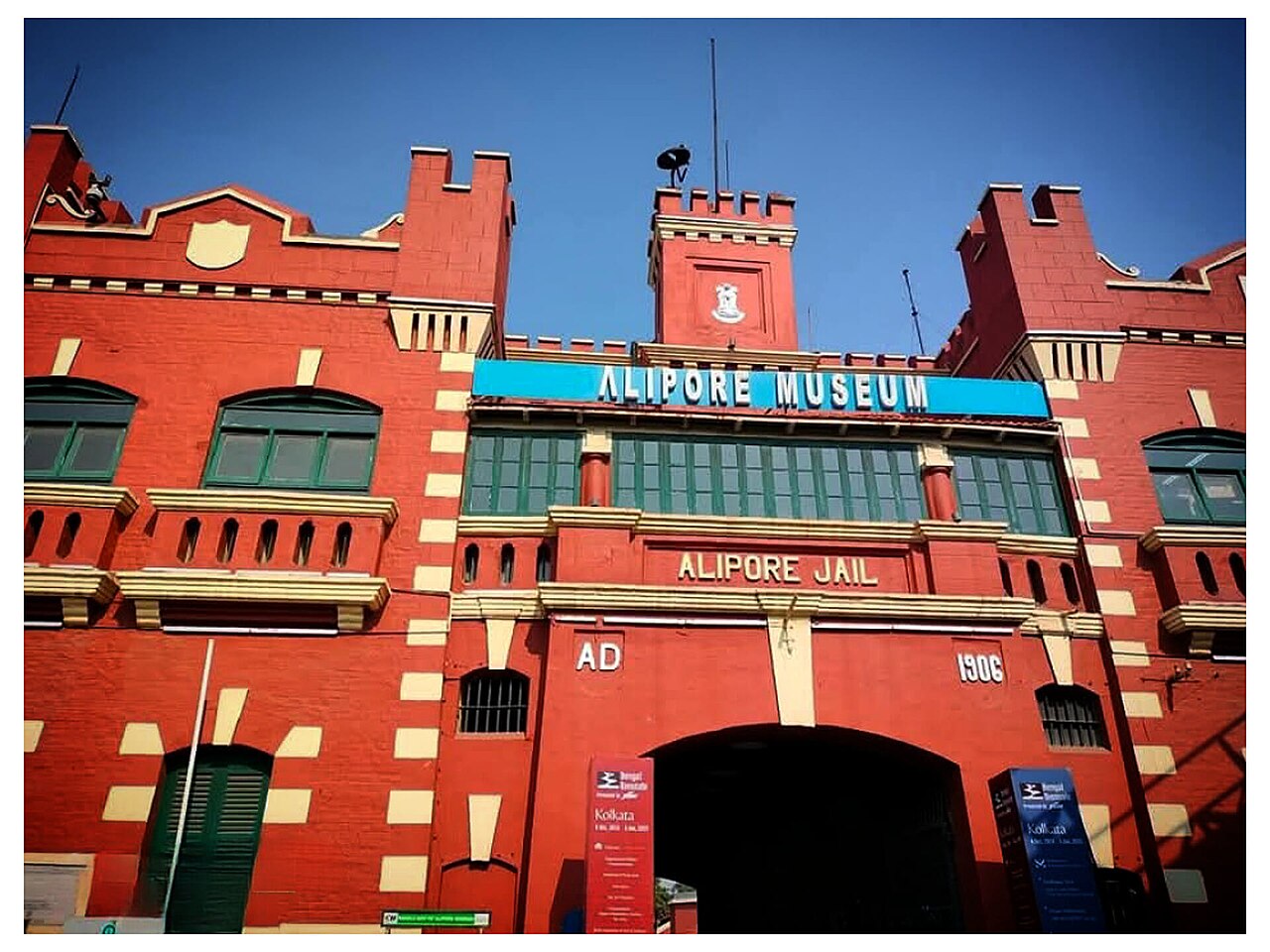
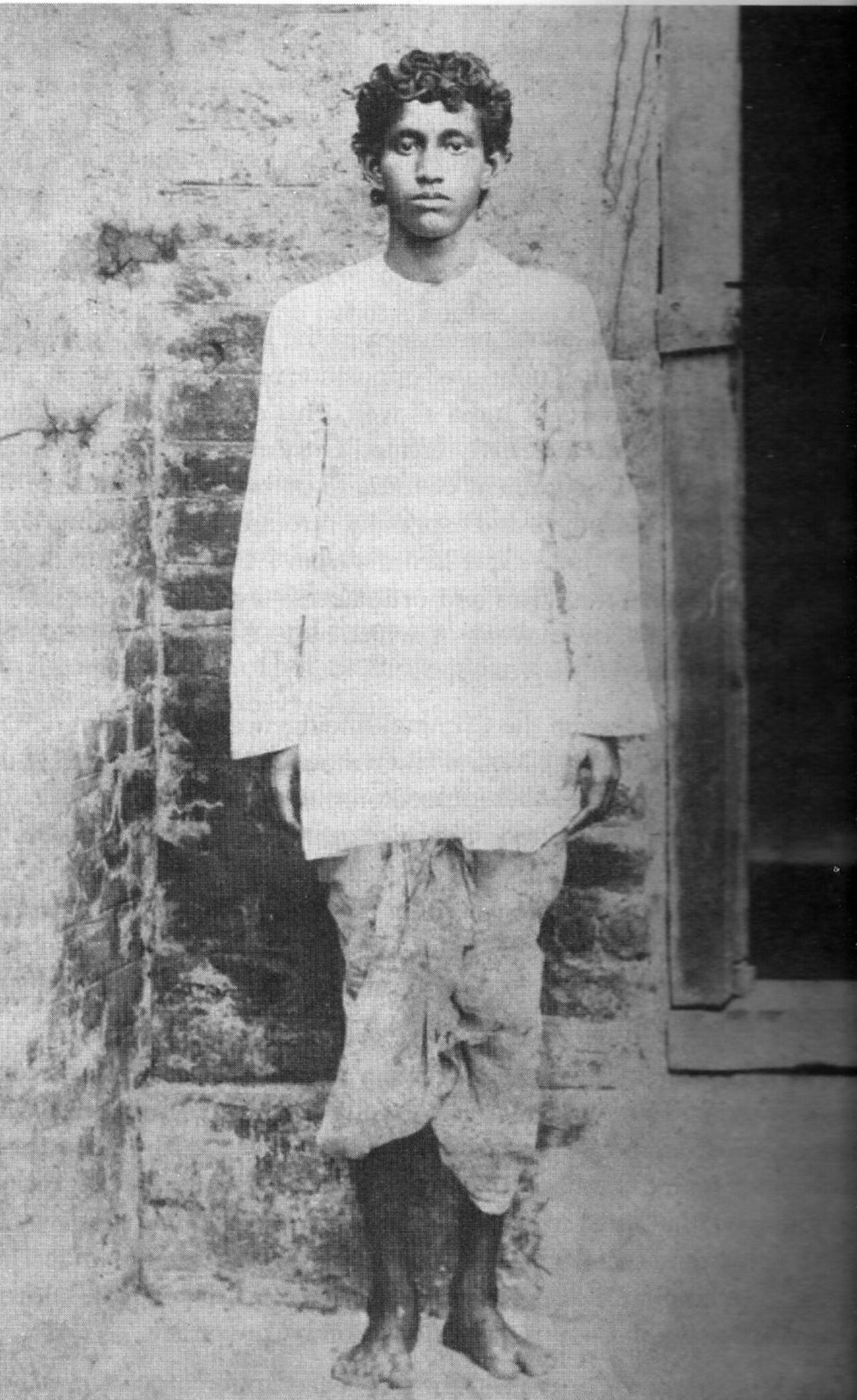
1908: A Year of Revolutionary Ferment1908 भारत में असाधारण राजनीतिक अशांति से चिह्नित था। लेफ्टिनेंट गवर्नर डगलस किंग्सफोर्ड पर हत्या का प्रयास, खुदीराम बोस सहित कथित साजिशकर्ताओं की गिरफ्तारी और परीक्षण, और बाद में अलीपोर बम केस ने राजनीतिक परिदृश्य पर हावी किया।
अंग्रेज़ी में पढ़ें · Read in English
The year 1908 was marked in India by extraordinary political turbulence. The assassination attempt on Lieutenant Governor Douglas Kingsford in Bengal, the arrest and trial of alleged conspirators including Khudiram Bose and others, and the subsequent Alipore bomb case dominated the political landscape. Young nationalist revolutionaries, frustrated with the limited gains of the Swadeshi movement's non-violent approach, had turned to armed resistance. The colonial government responded with severe repression.
In this atmosphere of surveillance, fear, and political upheaval, cultural expression took on new meanings. Music, literature, theater, and other arts became vehicles for expressing political consciousness in an era when explicit political speech was dangerous. An innocuous-seeming song could carry layers of hidden meaning for those who understood the nationalist context. The gramophone, with its ability to distribute music across the subcontinent, became a potential medium for spreading nationalist sentiment.
कोडित प्रतिरोध के रूप में संगीत
Music as Coded Resistance1908 के वातावरण में, संगीतकारों को एक नाजुक चुनौती का सामना करना पड़ा। खुले तौर पर क्रांतिकारी गीत बनाना खतरनाक था — ऐसी स्पष्ट सामग्री गिरफ्तारी या सेंसरशिप की ओर ले जा सकती थी। फिर भी संगीत के माध्यम से राष्ट्रवादी चेतना व्यक्त करने की प्रवृत्ति शक्तिशाली थी।
अंग्रेज़ी में पढ़ें · Read in English
In the environment of 1908, musicians faced a delicate challenge. To openly create revolutionary songs was dangerous — such explicit content could lead to arrest or censorship. Yet the impulse to express nationalist consciousness through music was powerful. The solution was often coded expression: songs whose surface meanings were innocent but whose deeper layers carried political resonance for those who understood the context.
A patriotic khayal in raag Desh — the raag associated with homeland — took on new significance in 1908. Lyrics about love of country, about the beauty of one's native place, about the pain of separation from home — these could be read simultaneously as romantic sentiments and as nationalist expressions. A bhajan about devotion to divine truth could simultaneously express devotion to the nation. The gramophone, with its inability to convey lyrical subtlety to all listeners, created space for this kind of coded meaning.
Furthermore, music itself — independent of words — could express resistance. The emotional intensity of a performance, the choice of raag (with its associated moods and meanings), the very act of preserving and circulating Indian musical traditions through the gramophone — all of these carried political implications in an era of cultural assertion against colonial domination.
निरंतरता और पलायन
Continuity and Escape1908 में ग्रामोफोन उद्योग राजनीतिक अशांति के बावजूद रिकॉर्डिंग जारी रखता है। वास्तव में, रिकॉर्डिंग की मात्रा बढ़ती प्रतीत होती है। कई व्याख्याएं हैं। सबसे पहले, रिकॉर्डिंग कंपनियों ने अस्थिरता को अस्थायी के रूप में देखा हो सकता है; उन्होंने सामान्यीकरण के अनुसरण में संचालन जारी रखा।
अंग्रेज़ी में पढ़ें · Read in English
The gramophone industry in 1908 continued recording despite the political upheaval. In fact, the volume of recording seemed to increase. There are several explanations. First, recording companies may have seen the instability as temporary; they continued operations assuming normalization would follow. Second, the gramophone's focus on entertainment and classical music provided a sphere of cultural activity that was less immediately subject to political surveillance than journalism or political organizing. A gramophone company could claim to be merely documenting traditional music, not engaging in politics.
But there was another dimension: the gramophone provided psychological escape. In a year of violence, arrest, and political fear, music offered an emotional refuge. Listening to a great vocalist perform ragas of mood and beauty — whether classical khayals or devotional bhajans — provided a space of cultural continuity and emotional sustenance. The gramophone's role as an entertainment and comfort device may have been particularly valued in 1908's atmosphere of uncertainty.
For musicians themselves, continuing to record and perform was an assertion of cultural dignity and continuity. It said: despite the political turmoil, despite the violence and the fear, Indian music persists. Our traditions continue. The gramophone became a medium through which Indian musicians asserted that colonial violence could not destroy their cultural expressions.
संकट में शास्त्रीय संगीत की भूमिका
The Role of Classical Music in Crisis1908 राजनीतिक संकट के समय भारतीय समाज में शास्त्रीय संगीत की भूमिका का एक महत्वपूर्ण आयाम प्रकट करता है। शास्त्रीय संगीत, आध्यात्मिक और भावनात्मक सत्य के साथ अपने संबंध को बनाए रखने से, ऐसे वातावरण में जीवित रह सकता था जहां अधिक स्पष्ट रूप से राजनीतिक अभिव्यक्तियां दबाई जाती थीं।
अंग्रेज़ी में पढ़ें · Read in English
1908 reveals an important dimension of classical music's role in Indian society during periods of political crisis. Classical music, by maintaining its association with spiritual and emotional truth rather than explicit political messaging, could survive in environments where more overtly political expressions were suppressed. A khayal about the essence of a raag, a bhajan about devotion, a thumri about love — these could continue to be performed and recorded even as journalists were arrested and political meetings were banned.
This was both a limitation and a strength. The limitation: classical music's intrinsic form and meaning could not directly address political events or mobilize action in the way that explicit political speech could. The strength: precisely because it seemed apolitical, it could persist and circulate in repressive environments, carrying cultural meaning and sustaining artistic traditions.
The gramophone recordings made in 1908 represent this paradox. While the colonial government was arresting revolutionaries and cracking down on political activity, gramophone companies continued recording Indian classical music. The recordings carried cultural significance — they documented traditions, preserved voices, asserted cultural dignity — yet they existed in a register different from explicit political resistance. Together, coded patriotic songs and classical performances created a cultural sphere where Indian identity and continuity could be expressed even as political resistance was being violently suppressed.
परिचय
IdentityEpithet
कैसे 1908 की क्रांतिकारी हिंसा और सांस्कृतिक अभिव्यक्ति भारत में एक दूसरे को काटती है
How 1908 revolutionary violence and cultural expression intersected in India
अन्य विवरण
More Details- खुदीराम बोस · Khudiram Bose
Key Figures
कहानी-नमूना
The Story Specimen| शीर्षक | खून और राग: अलीपोर बम केस के दौरान संगीत और प्रतिरोध · Blood and Raag: Music and Resistance During the Alipore Bomb Case |
|---|---|
| श्रेणी | Social History |
| प्रकार | Historical |
| प्रकाशित | 31 March 2026 — admin |
| वर्ष | 1908 |
और कहानियाँ
More Stories from the Atlas

साझा कीजिए · Share this Plate
यह पन्ना आगे बढ़ाइए
सवाल-जवाब
Questions & Answers1908 के राजनीतिक माहौल में संगीतकारों को किस चुनौती का सामना करना पड़ा? · What challenge did musicians face in the 1908 political atmosphere?
खुले तौर पर क्रांतिकारी गीत गाना या बनाना खतरनाक था। संगीतकारों ने कूट भाषा में राष्ट्रवादी भाव व्यक्त करने का रास्ता अपनाया — देशभक्ति के खयाल, मातृभूमि की प्रशंसा के भजन, जो सतह पर निर्दोष लगते थे।
Openly creating revolutionary songs was dangerous. Musicians chose coded expression of nationalist sentiment — patriotic khayals, bhajans praising the motherland — that appeared innocent on the surface but carried deeper meaning.
ग्रामोफोन ने राजनीतिक दमन के बावजूद रिकॉर्डिंग क्यों जारी रखी? · Why did gramophone companies continue recording despite political repression?
शास्त्रीय संगीत को राजनीतिक रूप से 'अपोलिटिकल' माना जाता था — एक राग की रिकॉर्डिंग पर सेंसरशिप नहीं लगाई जा सकती थी। कंपनियाँ व्यापारिक कारणों से चलती रहीं, और संगीत ने एक ऐसा सांस्कृतिक क्षेत्र बनाया जहाँ भारतीय पहचान और परंपरा जीवित रह सकी।
Classical music was considered politically 'apolitical' — a recording of a raag could not be censored. Companies continued for commercial reasons, and music created a cultural sphere where Indian identity and tradition could persist.