श्रेय
The Creditsबोल · The Lyrics
पूरे बोल · Full Lyrics
दिल में बस गए हो तुम
Dil Mein Bas Gaye Ho Tum
सूत्र-वाक्य · The Hook
सूत्र-वाक्य
प्रिय की स्मृति एक रोग बन गई। दिल में बसे प्रेम की पीड़ा।
In EnglishA melancholic ghazal expressing how memories of the beloved become a disease — an inescapable affliction of the heart.
पट्टिका-लेख
The Monographपरिचय Overview
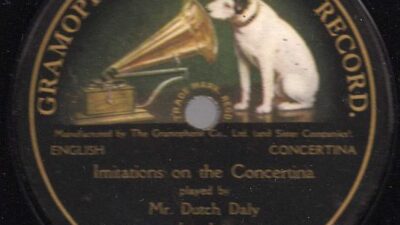
“ग़ज़ल” 1909 की जाना-पहचाना रिकॉर्डिंग है। गायन जंकी बाई इलाहाबाद का है, और बोल अज्ञात शायर ने लिखे हैं। यह राग Desh पर आधारित है, Dadra ताल में निबद्ध, Ghazal शैली का गीत। इसका प्रमुख भाव Melancholic है, अवधि 3:45 है, और यह The Gramophone Company लेबल से जारी हुआ।
अंग्रेज़ी में पढ़ें · Read in English
“Ghazal” is a well-known recording from 1909. Rendered by Janki Bai Allahabad, with lyrics penned by Unknown Poet. Musically it set in Raag Desh, to the Dadra taal, in the Ghazal idiom. Its prevailing mood is melancholic, the recording runs 3:45, released on the the gramophone company label.
संगीत The Music
जंकी बाई की ग़ज़ल दादरे की तुलना में अधिक पारंपरिक है। धीमी गति में हर शेर की गहराई बढ़ती है। उर्दू शायरी की सूक्ष्मता व्यक्त होती है।
अंग्रेज़ी में पढ़ें · Read in English
Janki Bai's ghazal rendition employs a more measured approach than her dadras. The slower pace allows her to explore the textual nuance and emotional weight of each couplet. Her phrasing emphasizes the Urdu poetry's sophistication.
काव्य The Poetry
ग़ज़ल की शक्ति परतदार अर्थ में है। 'याद का रोग' — प्रिय की याद एक रोग बन जाती है। फिर भी इस पीड़ा में एक गहरा आनंद है।
अंग्रेज़ी में पढ़ें · Read in English
The ghazal's power lies in its layered meaning. 'Yaad ka rog' (the sickness of memory) expresses how remembering the absent beloved becomes an unwanted affliction. Yet there's a perverse pleasure in this suffering — the only remaining connection to the beloved.
कहानी The Story
1909 तक, जंकी बाई ग़ज़लों के साथ प्रयोग कर रही थीं, जो परंपरागत रूप से पुरुष-प्रधान विधा थी। उनका अन्वेषण महिला शास्त्रीय गायकों के लिए संभावनाएँ विस्तृत करता है।
अंग्रेज़ी में पढ़ें · Read in English
By 1909, Janki Bai had begun experimenting with ghazals, traditionally a male-dominated form. Her exploration of this genre expanded possibilities for female classical singers and demonstrated that ghazal's emotional depth was universal.
विरासत The Legacy
जंकी बाई की ग़ज़ल रिकॉर्डिंग महिला ग़ज़ल गायकों को वैध परंपरा के रूप में स्थापित करने में मदद करती है। बेगम अखतर जैसी बाद की गायिकाएँ इसी नींव पर निर्मित होंगी।
अंग्रेज़ी में पढ़ें · Read in English
Janki Bai's ghazal recordings helped establish women ghazal singers as a legitimate tradition. Later singers like Begum Akhtar would build on this foundation, making ghazal singing by women not just accepted but celebrated.
वर्गीकरण
Classification- Tempo
- Medium
Genre
अन्य विवरण
More Details- Archive of Indian Music
- Bajakhana - Early Sound Recordings
- Google Arts & Culture - Pioneering Musicians
References
रोचक तथ्य
Margin Notesजंकी बाई की ग़ज़लें उनके दादरों की तुलना में कम व्यावसायिक रूप से सफल थीं
अंग्रेज़ी में पढ़ें · Read in English
Janki Bai's ghazals were less commercially successful than her dadras, suggesting that the gramophone audience preferred lighter forms
नमूना-पट्टी
The Specimen Table| शीर्षक | ग़ज़ल · Ghazal |
|---|---|
| वर्ष · युग | 1909 — pre independence |
| गायक | Janki Bai of Allahabad |
| गीतकार | अज्ञात शायर |
| राग | Desh |
| ताल | {"name_hindi":"दादरा","name_english":"Dadra","taal_id":"taal-dadra","matras":6} |
| स्वरूप | एकल महिला |
| गति | मध्यम |
| अवधि | 3:45 |
| भाषा | Urdu with Hindi |
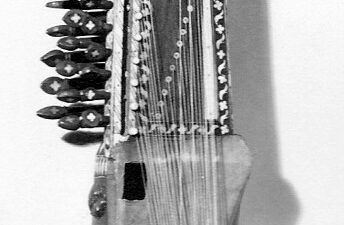
| वाद्य | sarangi |
| भाव | उदास · रोमांटिक |
| लेबल | The Gramophone Company |
| लोकप्रियता | Known |
| बोल-स्थिति | सार्वजनिक |
जुड़े हुए पन्ने
Connected Plates · The Graph Made Visibleअटलस में कोई पन्ना अकेला नहीं — इस गीत से जुड़े गीत, कलाकार, फ़िल्म, राग-ताल-विधा, सब यहाँ से खुलते हैं।
मिलते-जुलते गीत · Related Songs
कलाकार · The Artists
शास्त्र-सूत्र · Shastra Threads
साझा कीजिए · Share this Plate