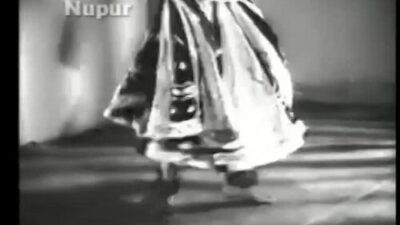
गीत विंग · गीत-पट्टिका · Song Plate
रुत है सुहानी मौसम प्यारा
Rut Hai Suhani Mausam Pyara
रुत सुहानी है, मौसम प्यारा — फ़िल्म का सबसे साधारण वाक्य, और 1945 में यही उसका मक़सद था।
भावउत्सव · शांत · चुलबुला
भाषाhindi गतिमध्यम स्वरूपएकल महिला
श्रेय
The Creditsसूत्र-वाक्य · The Hook
सूत्र-वाक्य
रुत सुहानी है, मौसम प्यारा — फ़िल्म का सबसे साधारण वाक्य, और 1945 में यही उसका मक़सद था।
In EnglishThe season is lovely, the weather sweet — the most ordinary sentence in the film, and in 1945 that was the point.
पट्टिका-लेख
The Monographपरिचय Overview
'बड़ी माँ' (1945) में बेबी अलका के तीन गीतों में तीसरा, लिखा अंजुम पीलीभीती ने और रचा के. दत्त ने। विकिपीडिया इसका शीर्षक उलटे क्रम में देता है — 'प्यारा प्यारा मौसम है रुत सुहानी' — जिसका आम तौर पर मतलब यह होता है कि दोनों स्रोत एक ही मुखड़े की अलग-अलग पंक्तियाँ लिख रहे हैं। यह गीत फ़िल्म की हल्की सामग्री का हिस्सा है: मौसम, ऋतु, और कुछ भी दाँव पर नहीं।
अंग्रेज़ी में पढ़ें · Read in English
The third of Baby Alka's three songs in Badi Maa (1945), written by Anjum Pilibhiti and composed by K. Datta. Wikipedia lists the title with its clauses reversed — 'Pyara Pyara Mausam Hai Rut Suhani' — which usually means the two sources are transcribing different lines of the same mukhda. The song belongs to the film's light material: weather, season, nothing at stake.
संगीत The Music
के. दत्त ने यह संगीत आवाज़ों में बाँटा — नूर जहाँ चार, बेबी अलका तीन, लता मंगेशकर दो, मीनाक्षी एक — और बेबी अलका वाला समूह ही वह जगह है जहाँ एलबम साँस लेता है। 1945 का बंबइया फ़िल्मी गीत शेलैक तवे के एक पार्श्व में काटा जाता था और गायिका तथा वाद्यवृंद एक ही बार में साथ रिकॉर्ड होते थे — इससे किसी बाल-आवाज़ के साथ जो किया जा सकता था वह सीमित था, और आम तौर पर छोटे, मधुर, अंतरा-टेक वाले गीत बनते थे। इस रिकॉर्डिंग की विशिष्ट साज-सज्जा उपलब्ध स्रोतों में दर्ज नहीं है और यहाँ उसका वर्णन नहीं किया गया।
अंग्रेज़ी में पढ़ें · Read in English
K. Datta divided this score by voice — Noor Jehan four, Baby Alka three, Lata Mangeshkar two, Meenaxi one — and the Baby Alka group is where the album keeps its air. A 1945 Bombay film song was cut to one side of a shellac disc and recorded in a single pass with singer and orchestra together, which limited what could be attempted with a young voice and generally produced short, tuneful, verse-and-refrain numbers. The specific arrangement of this recording is not documented in the accessible sources and is not described here.
काव्य The Poetry
'रुत' और 'मौसम' लगभग पर्यायवाची हैं और उन्हें साथ रख देना ही पूरी काव्य-युक्ति है: ऋतु अच्छी है और मौसम अच्छा है — दो बार कहा गया ताकि श्रोता समझ जाए कि इससे ज़्यादा कुछ दावा नहीं किया जा रहा। अंजुम पीलीभीती ने इस फ़िल्म के लिए तीन गीत लिखे और बाक़ी दो — नूर जहाँ का विरह-गीत और देशभक्ति वाला शीर्षक गीत — इसके दो भावनात्मक छोर हैं; यह बीच वाला है, और युद्ध-फ़िल्म बच्चे को बीच में ही रखती है। कौन-सी ऋतु अभिप्रेत है, यह स्रोतों में दर्ज नहीं है, इसलिए यहाँ न वर्षा का पाठ थोपा गया है न वसंत का।
अंग्रेज़ी में पढ़ें · Read in English
'Rut' and 'mausam' are near-synonyms placed side by side, and the doubling is the whole rhetorical move: the season is good and the weather is good, said twice so that a listener understands nothing more is being claimed. Anjum Pilibhiti wrote three songs for this film and the other two — a heartbreak solo for Noor Jehan and the patriotic title song — are its two emotional extremes; this is the one in the middle, and the middle is where a war picture puts a child. Which season is meant is not stated in the sources, so no monsoon or spring reading is asserted here.
कहानी The Story
'बड़ी माँ' द्वितीय विश्वयुद्ध के आख़िरी महीनों में मास्टर विनायक के प्रफुल्ल पिक्चर्स के लिए बनी, जिसमें ज़िया सरहदी की पटकथा एक भारतीय गाँव के भीतर जापानी जासूस बिठाती है और गाँव की रक्षा के केंद्र में लौटते हुए बेटे को रखती है। 'फ़िल्मइंडिया' ने इसे एक सितारा देकर 'साल का सबसे सड़ा तमाशा' कहा; फिर भी यह 1945 की तीसरी सबसे अधिक कमाई करने वाली भारतीय फ़िल्म बनी। इस जैसे गीत उस पूरे भार में से कुछ नहीं उठाते — और फ़िल्म के भीतर उनका काम ठीक यही है।
अंग्रेज़ी में पढ़ें · Read in English
Badi Maa was made in the last months of the Second World War for Master Vinayak's Prafulla Pictures, with Zia Sarhadi's screenplay putting a Japanese spy inside an Indian village and a returning son at the centre of its defence. Filmindia gave it one star and called it 'the year's most rotten show'; it went on to become the third highest-grossing Indian film of 1945. Songs like this one carry none of that weight, which is precisely their function within the picture.
विरासत The Legacy
इस गीत पर लगभग कोई द्वितीयक साहित्य नहीं है; यह मानक साउंडट्रैक सूचियों में आता है और उसके आगे कहीं नहीं। इसका दस्तावेज़ी महत्व उस एलबम की बनावट में है जिसमें यह बैठा है। 1945 की हिंदी युद्धकालीन सामाजिक फ़िल्म से अपेक्षा थी कि उसमें स्टार का विरह हो, एक प्रार्थना हो, राष्ट्र को संबोधित एक देशभक्ति-गीत हो, और दो-तीन बेफ़िक्र हल्के गीत हों — और 'बड़ी माँ' की गीत-सूची उस फ़ॉर्मूले के सबसे साफ़ बचे हुए प्रमाणों में है, क्योंकि पूरी फ़िल्म सार्वजनिक डोमेन में मौजूद है और उससे मिलान किया जा सकता है।
अंग्रेज़ी में पढ़ें · Read in English
There is almost no secondary literature on this song; it appears in the standard soundtrack listings and nowhere else. Its documentary value is in the shape of the album around it. A Hindi wartime social drama in 1945 was expected to contain a star's heartbreak, a prayer, a patriotic address to the nation, and two or three untroubled light numbers — and Badi Maa's song list is one of the cleanest surviving demonstrations of that formula, because the whole film survives in the public domain and can be checked against it.
वर्गीकरण
Classification- Tempo
- Medium
Genre
अन्य विवरण
More Details- https://en.wikipedia.org/wiki/Badi_Maa
- https://www.hindigeetmala.net/song/rut_hai_suhani_mausam_pyara.htm
- https://www.hindigeetmala.net/movie/badi_maa_1945.htm
References
रोचक तथ्य
Margin Notesदोनों मानक सूचियाँ इस शीर्षक को अलग-अलग लिखती हैं — हिंदीगीतमाला 'रुत है सुहानी मौसम प्यारा' और विकिपीडिया 'प्यारा प्यारा मौसम है रुत सुहानी' — यह आम तौर पर इस बात का संकेत है कि मुखड़े की दो अलग पंक्तियाँ उद्धृत की जा रही हैं।
अंग्रेज़ी में पढ़ें · Read in English
The two standard listings transcribe this title differently — hindigeetmala as 'Rut Hai Suhani Mausam Pyara' and Wikipedia as 'Pyara Pyara Mausam Hai Rut Suhani' — the usual sign of a mukhda being quoted from two different lines.
अंजुम पीलीभीती के 'बड़ी माँ' के तीनों गीत एलबम का पूरा भावनात्मक दायरा छूते हैं: यह हल्का गीत, नूर जहाँ का 'किसी तरह से मुहब्बत में चैन पा ना सके', और देशभक्ति वाला शीर्षक गीत।
अंग्रेज़ी में पढ़ें · Read in English
Anjum Pilibhiti's three Badi Maa songs cover the album's full emotional range: this light number, Noor Jehan's 'Kisi Tarah Se Mohabbat Mein Chain Paa Na Sakey', and the patriotic title song.
नमूना-पट्टी
The Specimen Table| शीर्षक | रुत है सुहानी मौसम प्यारा · Rut Hai Suhani Mausam Pyara |
|---|---|
| फ़िल्म | बड़ी माँ · 1945 |
| वर्ष · युग | 1945 — Pre-Independence (1931-1947) |
| गायक | बेबी अलका |
| गीतकार | Anjum Pilibhiti |
| संगीतकार | के. दत्त (दत्ता कोरगांवकर) |
| स्वरूप | एकल महिला |
| गति | मध्यम |
| भाषा | hindi |
| भाव | उत्सव · शांत · चुलबुला |
| लोकप्रियता | Obscure |
| बोल-स्थिति | केवल झलक |
जुड़े हुए पन्ने
Connected Plates · The Graph Made Visibleअटलस में कोई पन्ना अकेला नहीं — इस गीत से जुड़े गीत, कलाकार, फ़िल्म, राग-ताल-विधा, सब यहाँ से खुलते हैं।
मिलते-जुलते गीत · Related Songs
कलाकार · The Artists
फ़िल्म · The Film
साझा कीजिए · Share this Plate