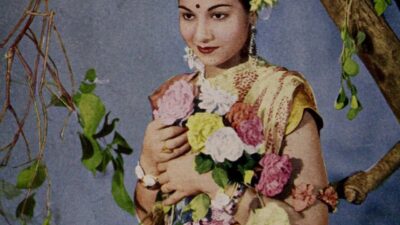
गीत विंग · गीत-पट्टिका · Song Plate
ओ पीने वाले पी ले
O Peene Wale Pee Le
स्त्री-स्वर में एक मदिरा-गीत — राजकुमारी पीने वाले को उकसाती हुई, क्योंकि जवानी दूसरी बार लौटकर नहीं आती।
भावमीठा-कड़वा · चुलबुला · विद्रोही
भाषाhindi गतिमध्यम स्वरूपएकल महिला
श्रेय
The Creditsसूत्र-वाक्य · The Hook
सूत्र-वाक्य
स्त्री-स्वर में एक मदिरा-गीत — राजकुमारी पीने वाले को उकसाती हुई, क्योंकि जवानी दूसरी बार लौटकर नहीं आती।
In EnglishA drinking song in a woman's voice — Rajkumari urging the drinker on, because youth does not come back for a second round.
पट्टिका-लेख
The Monographपरिचय Overview
'दिन रात' का चौथा और सबसे हाल में मिला गीत, जो 2019 में इंटरनेट पर आया और जून 2025 में दर्ज हुआ। हिंदी फ़िल्म गीत कोश इसका श्रेय राजकुमारी को देता है — फ़िल्म के उन दो गीतों में से एक जो अभिनेता-गायकों के बजाय पेशेवर पार्श्वगायिका को दिए गए। यह हिंदी फ़िल्मी गीत की 'शराबी' या 'मधुशाला' परंपरा का है, यानी वह मदिरा-गीत जो जीवन के क्षणभंगुर होने के दर्शन का वाहन बनता है; और स्त्री-स्वर में होना इसे असामान्य बनाता है — 1940 के दशक के सिनेमा में यह प्रायः निजी नहीं बल्कि कोठे या मंच के दृश्य का संकेत होता है।
अंग्रेज़ी में पढ़ें · Read in English
The fourth and most recently recovered Din Raat song, posted online in 2019 and documented in June 2025. Hindi Film Geet Kosh credits it to Rajkumari, one of the two numbers in the film given to a professional playback singer rather than to its actor-leads. It belongs to the sharaabi or madhushala tradition of Hindi film lyric — the drinking song used as a vehicle for carpe-diem philosophy — and is unusual in being sung by a woman, a placement that in 1940s cinema almost always signals a courtesan or cabaret setting rather than a private one.
संगीत The Music
चांदेकर गीत को झूलती हुई मध्यलय में रखते हैं, एक मज़बूत और दोहराव भरी लयात्मक खिंचाव के साथ — मदिरा-गीत को ठीक यही चाल चाहिए ताकि वह उपदेश नहीं, न्योता लगे। टेक लगातार लौटती है और सुरों का दायरा सँकरा है, इसलिए प्रभाव विस्तार से नहीं, ज़िद से बनता है। बची हुई ध्वनि-प्रति बुरी तरह क्षतिग्रस्त है; इसे दर्ज करने वाले ब्लॉगर ने लिखा कि आवाज़ राजकुमारी जैसी केवल धुँधली-सी लगती है और शायद खराब ऑडियो ही इसका कारण है — इस हालत के स्रोत के लिए यह उचित आकलन है।
अंग्रेज़ी में पढ़ें · Read in English
Chandekar keeps the song at a swaying medium tempo with a strong, repetitive rhythmic pull — the gait a drinking song needs if it is to sound like an invitation rather than a lecture. The refrain returns constantly and the melodic range is narrow, so the effect comes from insistence rather than from range. The surviving transfer is badly degraded; the blogger who documented it noted that the voice only vaguely resembles Rajkumari's and suggested the poor audio may be the reason, which is a fair reading of a source in this condition.
काव्य The Poetry
संतोख नदीम एक सीधा-सादा क्षणजीवी-दर्शन का गीत लिखते हैं और तर्क का काम मदिरा पर छोड़ देते हैं। संबोधन पीने वाले से है: प्याले भरो और छलकने दो, क्योंकि जिस जवानी के नाम पर यह जाम है वह एक बार गई तो लौटेगी नहीं। गीत का मध्य भाग उर्दू-हिंदी काव्य के सबसे पुराने प्रतीक — दीपक के गिर्द घूमते परवाने — पर आता है, और उसे चेतावनी की तरह नहीं, पास आकर गाने के न्योते की तरह बरतता है। अंतिम हिस्सा रूपक को स्वयं पर मोड़ देता है — मस्ती प्याले से नहीं, नैनों से पी जानी है, और मन की आग नैनों की बरखा से ही बुझेगी। मदिरा से नज़र और नज़र से आँसू तक की यह यात्रा पूरी तरह परंपरागत है, और नदीम इसे ऐसी सहज, अ-साहित्यिक हिंदुस्तानी में निभाते हैं जिसे कोई भी श्रोता एक बार सुनकर पकड़ ले।
अंग्रेज़ी में पढ़ें · Read in English
Santokh Nadim writes a straightforward carpe-diem lyric and lets the drinking do the arguing. The address is to the drinker: fill the cups and let them brim over, because the youth being toasted will not return once it has gone. The middle of the song turns to the oldest emblem in Urdu-Hindi poetry, the moth circling the flame, and uses it not as a warning but as an invitation to come closer and sing. The final movement folds the metaphor back on itself — intoxication is to be drunk from the eyes rather than from the cup, and the rain of the eyes is what will put out the fire in the heart. The progression from wine to glance to tears is entirely conventional, and Nadim executes it in plain, unliterary Hindustani that any listener could follow at a single hearing.
कहानी The Story
'दिन रात' का निर्देशन शोरी दौलतवी ने नवयुग चित्रपट लिमिटेड के लिए किया और इसमें स्नेहप्रभा प्रधान, परेश बैनर्जी, सुलोचना चटर्जी, वसंत ठेंगड़ी, फ़िरोज़ा और दार कश्मीरी थे। राजकुमारी — जो 1945 तक बंबई की सबसे व्यस्त पेशेवर पार्श्वगायिकाओं में थीं और जिनका काम 'गोरख आया' (1938) तक पीछे जाता है — तीन गीतों के लिए बुलाई गईं, जिनमें यह एक है। चूँकि मुख्य कलाकार अपने प्रेम-गीत स्वयं गाते थे, राजकुमारी के गीत संभवतः किसी प्रस्तुति-दृश्य के पात्र के लिए लिखे गए होंगे, पर इसकी पुष्टि करने वाला कोई कथासार नहीं बचा; रिकॉर्डिंग दर्ज करने वाले ब्लॉगर ने पाठकों से फ़िल्मांकन के बारे में सीधे जानकारी माँगी है।
अंग्रेज़ी में पढ़ें · Read in English
Din Raat was directed by Shori Daulatavi for Navyug Chitrapat Ltd. and starred Snehprabha Pradhan, Paresh Bannerjee, Sulochana Chatterjee, Vasant Thengdi, Feroza and Dar Kashmiri. Rajkumari — by 1945 one of the busiest professional playback voices in Bombay, with a career reaching back to Gorakh Aaya (1938) — was brought in for three songs, of which this is one. Because the leads sang their own romantic numbers, the Rajkumari tracks were most likely written for a performing character rather than for a lead, but no synopsis survives to confirm it, and the blogger who documented the recording asked readers directly for information about the picturisation.
विरासत The Legacy
इस गीत का ऑनलाइन जीवन इस बात का छोटा-सा दृष्टांत है कि यह फ़िल्म कितनी अल्पज्ञात हो चुकी है: ऑडियो 2019 में अपलोड हुआ और छह वर्षों में नगण्य दर्शक तथा ठीक एक 'लाइक' बटोर सका, जब तक कि 2025 में एक शोधकर्ता की नज़र उस पर नहीं पड़ी। अब यह 'दिन रात' की चार बची रिकॉर्डिंगों में सबसे हाल में दर्ज हुआ गीत है। फ़िल्म से परे इसका महत्व 1945 के एक स्त्री-मदिरा-गीत के रूप में है — प्रदर्शनसूची का वह छोटा कोना जो 1950-60 के दशक के अधिक प्रसिद्ध कैबरे और मुजरा गीतों से पहले का है और दिखाता है कि यह रूप तब तक पूरी तरह गढ़ा जा चुका था।
अंग्रेज़ी में पढ़ें · Read in English
The song's online life is a small parable of how obscure this film has become: the audio was uploaded in 2019 and in six years accumulated a negligible number of views and exactly one 'like' before a researcher noticed it in 2025 and wrote it up. It is now the most recently documented of the four surviving Din Raat recordings. Its interest beyond the film is as a woman's drinking song from 1945 — a small pocket of the repertoire that predates the better-known cabaret and mujra numbers of the 1950s and 1960s and shows the form already fully worked out.
वर्गीकरण
Classification- Tempo
- Medium
Genre
अन्य विवरण
More Details- https://www.hindigeetmala.net/movie/din_raat.htm
- https://en.wikipedia.org/wiki/List_of_Hindi_films_of_1945
- https://atulsongaday.me/list-of-songs-moviewise/
- https://atulsongaday.me/2025/06/25/o-peene-waale-pee-le/
References
रोचक तथ्य
Margin Notes2019 में इंटरनेट पर अपलोड हुई इस रिकॉर्डिंग को छह वर्षों में नगण्य दर्शक और केवल एक 'लाइक' मिला था, जब तक जून 2025 में एक संगीत-शोधकर्ता ने इसे दर्ज नहीं किया।
अंग्रेज़ी में पढ़ें · Read in English
Uploaded to the internet in 2019, the recording had gathered negligible views and a single 'like' in six years before it was documented by a music researcher in June 2025.
बची हुई ध्वनि इतनी खराब है कि इसे दर्ज करने वाले शोधकर्ता ने लिखा कि आवाज़ राजकुमारी जैसी केवल धुँधली-सी लगती है — जबकि हिंदी फ़िल्म गीत कोश उन्हीं का श्रेय देता है।
अंग्रेज़ी में पढ़ें · Read in English
The surviving audio is poor enough that the researcher who wrote it up said the voice only vaguely resembles Rajkumari's, even though Hindi Film Geet Kosh credits her.
'दिन रात' के आठ में से दो गीत राजकुमारी गाती हैं — फ़िल्म के केवल यही गीत किसी पेशेवर पार्श्वगायिका को दिए गए, बाक़ी अभिनेता-कलाकारों ने स्वयं गाए।
अंग्रेज़ी में पढ़ें · Read in English
Rajkumari sings two of Din Raat's eight songs, the only numbers in the film given to a professional playback singer rather than to its acting cast.
नमूना-पट्टी
The Specimen Table| शीर्षक | ओ पीने वाले पी ले · O Peene Wale Pee Le |
|---|---|
| फ़िल्म | दिन रात · 1945 |
| वर्ष · युग | 1945 |
| गायक | Rajkumari |
| गीतकार | संतोख नदीम |
| संगीतकार | Dada Chandekar |
| स्वरूप | एकल महिला |
| गति | मध्यम |
| भाषा | hindi |
| भाव | मीठा-कड़वा · चुलबुला · विद्रोही |
| लोकप्रियता | Obscure |
| बोल-स्थिति | केवल झलक |
जुड़े हुए पन्ने
Connected Plates · The Graph Made Visibleअटलस में कोई पन्ना अकेला नहीं — इस गीत से जुड़े गीत, कलाकार, फ़िल्म, राग-ताल-विधा, सब यहाँ से खुलते हैं।
मिलते-जुलते गीत · Related Songs
कलाकार · The Artists
फ़िल्म · The Film
साझा कीजिए · Share this Plate