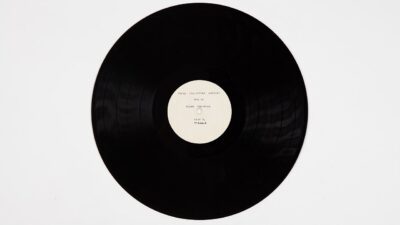
गीत विंग · गीत-पट्टिका · Song Plate
मोहे झूला झुलाने आओ
Mohe Jhoola Jhulane Aao
'नीलम' का वही एक गीत जो उर्दू से निकलकर ब्रज लोक-परंपरा के सावन-झूले में उतर जाता है।
भावपुरानी यादें · चुलबुला · रोमांटिक
भाषाhindi गतिमध्यम स्वरूपUnknown
श्रेय
The Creditsसूत्र-वाक्य · The Hook
सूत्र-वाक्य
'नीलम' का वही एक गीत जो उर्दू से निकलकर ब्रज लोक-परंपरा के सावन-झूले में उतर जाता है।
In EnglishThe one song in Neelam that steps out of Urdu and into the monsoon swing of the Braj folk tradition.
पट्टिका-लेख
The Monographपरिचय Overview
मायस्वर की 'नीलम' सूची में यह पहला दर्ज है, और संकलन में सबसे अलग भी। जहाँ इस फ़िल्म के लिए लिखे सी. एम. हुनर के बाक़ी बोल 'दिल', 'वफ़ा', 'जादू' और 'ग़म' वाले उर्दू मुहावरे में बैठते हैं, वहीं यह शुद्ध पूर्वी हिंदी है — 'मुझे' नहीं, 'मोहे' — और झूले के गीत तक पहुँचता है, यानी 'झूला' या 'हिंडोला', जो उत्तर भारतीय भक्ति और लोक संगीत के सबसे पुराने निश्चित रूपों में से एक है। किसी भी उपलब्ध सूची में इसका गायक-श्रेय नहीं है।
अंग्रेज़ी में पढ़ें · Read in English
Listed first in the myswar sequence of the Neelam album, and the odd one out in the score. Where the rest of C. M. Hunar's lyrics for the film sit in the Urdu register of dil, wafa, jadoo and gham, this one is pure eastern Hindi — mohe rather than mujhe — and reaches for the swing song, the jhoola or hindola, one of the oldest fixed forms in north Indian devotional and folk music. No singer is credited in any surviving list.
संगीत The Music
कोई रिकॉर्डिंग नहीं मिली, इसलिए संगीत-संयोजन का वर्णन ध्वनि के आधार पर संभव नहीं। पर विधा जो संकेत देती है वह सुस्थापित है: झूला गीत एक झूलती, चक्रीय लय पर बनते हैं जो ख़ुद झूले की गति की नक़ल करती है — प्रायः मध्य लय में, मज़बूत सम के साथ — और ये उन गिने-चुने फ़िल्मी गीत-प्रकारों में हैं जहाँ अर्थ का उतना ही भार लय उठाती है जितना धुन। आगरा में जन्मे और शास्त्रीय तथा उपशास्त्रीय भंडार में पले ख़ान मस्ताना के लिए यह मुहावरा सहज उपलब्ध रहा होगा।
अंग्रेज़ी में पढ़ें · Read in English
No recording has been located, so the arrangement cannot be described from the sound. What the form implies is well established: jhoola songs are built on a rocking, cyclical rhythm that imitates the motion of the swing itself, usually in a medium tempo with a strong first beat, and they are among the few film-song types where the rhythm carries as much of the meaning as the melody. Khan Mastana, an Agra-born musician raised on classical and light-classical repertoire, would have had the idiom readily available.
काव्य The Poetry
'मोहे झूला झुलाने आओ' एक निवेदन है, और इस परंपरा में यह निवेदन लगभग कभी तटस्थ नहीं होता। झूला सावन का है — उस महीने का जब स्त्रियाँ बरसात में झूलती हैं और परदेस गए या प्रतीक्षित पिया को गाती हैं — और इसमें भक्ति की परत भी है, क्योंकि झूले पर कृष्ण और राधा ब्रज-काव्य के अटल बिंबों में से एक हैं। कोई फ़िल्मी गीतकार जब इस रूप तक पहुँचता है तो वह यह सब एक साथ आयात करता है: ऋतु की तड़प, स्वीकृत छेड़छाड़, और नीचे बहती एक धार्मिक स्मृति। उर्दू शब्दावली से 'मोहे' पर आ जाना ही इस बात का संकेत है कि यह उधार जान-बूझकर लिया गया है।
अंग्रेज़ी में पढ़ें · Read in English
'Come and swing me' is a request, and in this tradition it is almost never a neutral one. The jhoola belongs to the monsoon — to Sawan, the month when women swing in the rain and sing to absent or expected husbands — and it carries a devotional layer as well, since Krishna and Radha on the swing is one of the fixed images of Braj poetry. A film lyricist reaching for that form is importing all of it at once: seasonal longing, licensed flirtation, and a religious memory underneath. The switch from Urdu diction to mohe is the signal that the borrowing is deliberate.
कहानी The Story
'नीलम' (1945) ए. एच. प्रोडक्शंस, बंबई की एक सामाजिक फ़िल्म थी, जिसका निर्देशन अहमद ईसा ने किया; नौ के नौ गीत सी. एम. हुनर ने लिखे और संगीत ख़ान मस्ताना का है। कास्ट का नेतृत्व हरीश और मीना ने किया, और उनके साथ जगदीश सेठी, यशोधरा काटजू, कन्हैयालाल, कल्याणी, सत्यरानी, मेहदी रज़ा, सयानी तथा अब्दुल हुसैन थे। फ़िल्म की कथा-रूपरेखा कहीं भी सुरक्षित नहीं है और न ही इसका कोई प्रिंट प्रचलन में जाना जाता है; गीत एचएमवी के बजाय स्वदेशी लेबल 'यंग इंडिया' पर जारी हुए, और वही शेलैक तवे इस फ़िल्म का संगीत आज तक ले आए हैं।
अंग्रेज़ी में पढ़ें · Read in English
Neelam (1945) was a social picture from A. H. Productions, Bombay, directed by Ahmed Essa, with all nine songs written by C. M. Hunar and composed by Khan Mastana. The cast was led by Harish and Meena, with Jagdish Sethi, Yashodhara Katju, Kanhaiyalal, Kalyani, Satyarani, Mehdi Raza, Sayani and Abdul Hussain in support. No plot summary of the film survives anywhere, and no print is known to circulate; the songs were issued on the indigenous Young India label rather than on HMV, and it is those shellac discs that carried the film's music into the present.
विरासत The Legacy
इस गीत का न कोई ऑडियो मिला है, न तवा, न पुनर्प्रकाशन; यह अपने गीतकार और संगीतकार के नाम के साथ एक शीर्षक के रूप में बचा है। इसकी दिलचस्पी इस बात में है कि यह संकलन की बनावट के बारे में क्या कहता है — कि एक छोटी स्वतंत्र फ़िल्म के नौ गीतों के संगीत से भी उम्मीद की जाती थी कि वह उर्दू ग़ज़ल और हिंदी लोक-ऋतु, दोनों मुहावरों को छुए, क्योंकि 1945 में 78-आरपीएम रिकॉर्ड ख़रीदने वाला श्रोता दोनों चाहता था। किसी एक हिट ने नहीं, इसी अपेक्षा ने उस दौर के अधिकांश संगीत-संकलनों को आकार दिया।
अंग्रेज़ी में पढ़ें · Read in English
No audio, no disc and no reissue of this song has been traced; it survives as a title with its lyricist and composer attached. Its interest is what it says about the album's design — that even a nine-song score for a small independent picture was expected to cover both the Urdu ghazal register and the Hindi folk-seasonal one, because the 1945 audience for 78-rpm records expected both. That expectation, not any individual hit, is what shaped most soundtracks of the period.
वर्गीकरण
Classification- Tempo
- Medium
Genre
अन्य विवरण
More Details- https://www.hindigeetmala.net/movie/neelam.htm
- https://myswar.co/album/neelam-1945
- https://en.wikipedia.org/wiki/List_of_Hindi_films_of_1945
- https://atulsongaday.me/2021/08/24/aaj-bas-mein-nahin-dil-mera/
- https://archive.org/details/a_20210503_20210503_1724
- https://en.wikipedia.org/wiki/Khan_Mastana
- https://en.wikipedia.org/wiki/Roshan_Ara_Begum
- https://www.cinemaazi.com/people/khan-mastana-
- https://www.theheritagelab.in/young-india-record-label-homegrown/
References
रोचक तथ्य
Margin Notesसी. एम. हुनर ने 'नीलम' के नौ के नौ गीत लिखे। सिनेमाज़ी विश्वकोश उनकी कुल पाँच फ़िल्मों की सूची दर्ज करता है — 'नीलम' (1945), 'कांगू' (1946), 'दिलदार' (1947), 'नाइट बर्ड' (1961) और 'काला जादू' (1963) — और इसके अलावा उनके बारे में लगभग कुछ भी दर्ज नहीं है।
अंग्रेज़ी में पढ़ें · Read in English
C. M. Hunar wrote all nine of Neelam's songs. The Cinemaazi encyclopaedia records a filmography of only five films for him — Neelam (1945), Kangoo (1946), Dildar (1947), Night Bird (1961) and Kala Jadoo alias Black Magic (1963) — and almost nothing else about him is recorded.
'नीलम' के गीत 'यंग इंडिया' पर जारी हुए — बंबई का वह लेबल जिसे नैशनल ग्रामोफ़ोन रिकॉर्ड मैन्युफ़ैक्चरिंग कं. लि. ने 1934 में विदेशी ग्रामोफ़ोन कंपनियों के स्वदेशी प्रतिद्वंद्वी के रूप में शुरू किया था। उसने सैकड़ों 78-आरपीएम शेलैक तवे दबाए और उभरते कलाकारों को प्रोत्साहित करने पर ज़ोर दिया, और 1955 में उसका वडाला कारख़ाना बंद हो गया — यही वजह है कि उस पर छपा लगभग कुछ भी दोबारा जारी नहीं हुआ।
अंग्रेज़ी में पढ़ें · Read in English
Neelam's songs were issued on Young India, the Bombay label founded in 1934 by The National Gramophone Record Manufacturing Co. Ltd. as an indigenous rival to the foreign-owned gramophone companies. It pressed hundreds of 78-rpm shellac discs and made a point of encouraging emerging talent, and its Wadala plant shut in 1955 — which is why almost nothing on it was ever reissued.
ख़ान मस्ताना का जन्म लगभग 1916 में आगरा में हाफ़िज़ ख़ान के रूप में हुआ; उनके पिता सितारवादक थे। 'बहादुर किसान' (1938) के समय संगीतकार मीर साहब ने उनके बेफ़िक्र मिज़ाज के कारण उन्हें 'मस्ताना' नाम दिया। 1950 के दशक के शुरू में पिता ने उन्हें हैदराबाद में संगीत सिखाने बुला लिया; लंबी अनुपस्थिति के कारण बंबई के निर्माताओं ने उन्हें काम देना बंद कर दिया और 1952 के बाद उन्हें असाइनमेंट मिलने लगभग बंद हो गए। 1972 में माहिम में ग़रीबी में उनका देहांत हुआ।
अंग्रेज़ी में पढ़ें · Read in English
Khan Mastana was born Hafiz Khan in Agra around 1916, the son of a sitar player, and was nicknamed 'Mastana' by the composer Mir Saheb on Bahadur Kisan (1938) for his carefree manner. In the early 1950s his father called him away to teach music in Hyderabad; Bombay producers refused him work over the long absence and his assignments dried up after 1952. He died in poverty in Mahim in 1972.
नमूना-पट्टी
The Specimen Table| शीर्षक | मोहे झूला झुलाने आओ · Mohe Jhoola Jhulane Aao |
|---|---|
| फ़िल्म | नीलम · 1945 |
| वर्ष · युग | 1945 |
| गीतकार | सी. एम. हुनर |
| संगीतकार | Khan Mastana |
| स्वरूप | Unknown |
| गति | मध्यम |
| भाषा | hindi |
| भाव | पुरानी यादें · चुलबुला · रोमांटिक |
| लोकप्रियता | Obscure |
| बोल-स्थिति | केवल झलक |
जुड़े हुए पन्ने
Connected Plates · The Graph Made Visibleअटलस में कोई पन्ना अकेला नहीं — इस गीत से जुड़े गीत, कलाकार, फ़िल्म, राग-ताल-विधा, सब यहाँ से खुलते हैं।
कलाकार · The Artists
फ़िल्म · The Film
साझा कीजिए · Share this Plate