गीत विंग · गीत-पट्टिका · Song Plate
जय हो, विक्रमादित्य की जय हो
Jai Ho Vikramaditya Ki Jai Ho
शीर्षक-गीत — अवंति के राजा के लिए दरबारी जयकार, और वही एक गीत जिसे हिंदी गीतमाला दर्ज करती है पर विकिपीडिया की तालिका छोड़ देती है।
भावउत्सव · प्रेरणादायक · तीव्र
भाषाhindi गतितेज़ स्वरूपएकल महिला
श्रेय
The Creditsसूत्र-वाक्य · The Hook
सूत्र-वाक्य
शीर्षक-गीत — अवंति के राजा के लिए दरबारी जयकार, और वही एक गीत जिसे हिंदी गीतमाला दर्ज करती है पर विकिपीडिया की तालिका छोड़ देती है।
In EnglishThe title song — a court acclamation for the king of Avanti, and the one number Hindi Geetmala lists that Wikipedia's table leaves out.
पट्टिका-लेख
The Monographपरिचय Overview
'जय हो, विक्रमादित्य की जय हो' फ़िल्म का शीर्षक-जयकार है, जिसे अमीरबाई कर्नाटकी ने गाया; बोल रमेश गुप्ता के, संगीत शंकरराव व्यास का। हिंदी गीतमाला इसे दर्ज करती है और प्रविष्टि के साथ फ़िल्म के चार प्रमुख कलाकार — पृथ्वीराज कपूर, बाबूराव पेंढारकर, प्रेम अदीब और रत्नमाला — जोड़ती है, जिससे लगता है कि यह किसी एक पात्र का गीत नहीं बल्कि पूरे दरबार का प्रसंग था। विकिपीडिया की नौ-गीत तालिका इसे पूरी तरह छोड़ देती है; यह प्रविष्टि हिंदी गीतमाला का अनुसरण करती है, जो अधिक पूर्ण सूची है।
अंग्रेज़ी में पढ़ें · Read in English
'Jai Ho Vikramaditya Ki Jai Ho' is the film's title acclamation, sung by Amirbai Karnataki to words by Ramesh Gupta and music by Shankarrao Vyas. Hindi Geetmala lists it and attaches the film's four principal players — Prithviraj Kapoor, Baburao Pendharkar, Prem Adib and Ratnamala — to the entry, which suggests a full-cast court sequence rather than a single character's song. Wikipedia's nine-song table omits it entirely; this entry follows Hindi Geetmala, which is the more complete register.
संगीत The Music
नामधारी जयकार वह सबसे साँचाबद्ध चीज़ है जिसे कोई दरबारी फ़िल्म रिकॉर्ड पर रख सकती है, और यह कमी नहीं, सोचा-समझा निर्णय है: राजा का नाम पहली ही बार में समझ आना चाहिए, इसलिए धुन कुछ ही स्वरों के भीतर रहती है, ताल आग्रही और सीधे मात्रा-विभाजन में रहती है, और टेक नाम को इतनी बार दोहराती है कि वह बैठ जाए। यही वह गीत भी है जो किसी दरबार या विजय-यात्रा के नीचे सबसे स्वाभाविक रूप से बजता। वास्तविक संयोजन के बारे में — वाद्य, लय-चिह्न, ताल — कुछ भी प्रलेखित नहीं, और कोई रिकॉर्डिंग उपलब्ध नहीं।
अंग्रेज़ी में पढ़ें · Read in English
A named acclamation is the most formulaic thing a court film can put on a record, and that is a design choice rather than a failure: the king's name has to be intelligible on first hearing, so the melody stays inside a few notes, the rhythm is emphatic and squarely metred, and the refrain repeats the name enough times to fix it. This is also the number that would most naturally play under a durbar or a victory procession. Nothing about the actual arrangement — instruments, tempo marking, taal — is documented, and no recording is available.
काव्य The Poetry
जयकारा — किसी नाम का उच्च स्वर में उद्घोष — वस्तुतः कविता नहीं है और होना भी नहीं चाहता। उसका प्रयोजन सामूहिक है: वह एक अकेले नाम को उस चीज़ में बदल देता है जिसे भीड़ एक साथ कह सके — यही कारण है कि यह रूप मंदिर की शोभायात्रा से लेकर राजनीतिक सभा तक हर जगह बचा हुआ है। फ़िल्म का अपना शीर्षक टेक के भीतर रख देना नाटकीय जितना ही व्यावसायिक हिसाब भी है; रिकॉर्ड ख़रीदने वाला श्रोता हर आवृत्ति पर फ़िल्म का नाम दोहरा रहा होता। इस साउंडट्रैक की दस में से नौ रचनाएँ लिखने वाले रमेश गुप्ता भली-भाँति जानते होंगे कि यह गीत किस काम का है। पाठ नहीं बचा और यहाँ कोई पंक्ति उद्धृत नहीं की गई है।
अंग्रेज़ी में पढ़ें · Read in English
A jaikara — the shouted acclamation of a name — is not really poetry and is not trying to be. Its purpose is collective: it takes a single name and turns it into something a crowd can say together, which is why the form survives everywhere from temple processions to political rallies. Putting the film's own title inside its refrain is a commercial calculation as much as a dramatic one; a listener who bought the record would be repeating the film's name every time the song came round. Ramesh Gupta wrote nine of this soundtrack's ten lyrics and would have understood exactly what this one was for. The text has not survived and no lines are reproduced here.
कहानी The Story
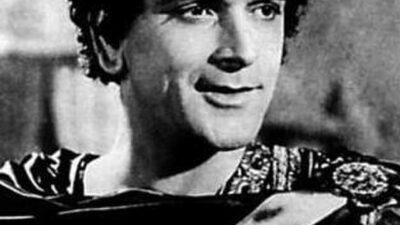
अवंति के विक्रमादित्य वही प्रसिद्ध राजा हैं जिनके नाम पर विक्रम संवत् चलता है, और फ़िल्म इसलिए बनी क्योंकि विक्रम द्विसहस्राब्दी समिति चाहती थी कि इस संवत् का दो हज़ारवाँ वर्ष पर्दे पर दर्ज हो। उनकी भूमिका पृथ्वीराज कपूर ने निभाई — वे अभिनेता जो तब तक इतने प्रसिद्ध हो चुके थे कि उनका चुना जाना स्वयं एक वक्तव्य था — और कथा कश्मीर की राजकुमारी के पलायन से चलकर शकों के विरुद्ध युद्ध तक जाती है। इस गीत के सामने हिंदी गीतमाला द्वारा चार प्रमुख कलाकारों का दर्ज किया जाना फ़िल्म के किसी भी गीत के लिए बचा हुआ एकमात्र चित्रांकन-संकेत है।
अंग्रेज़ी में पढ़ें · Read in English
Vikramaditya of Avanti is the legendary king after whom the Vikram Samvat calendar is named, and the film was made because the Vikram Bimillennium Committee wanted the calendar's two-thousandth year marked on screen. Prithviraj Kapoor played him — an actor already famous enough that his casting was itself a statement — in a story that runs from a Kashmiri princess's flight to a war against the Scythian Shakas. Hindi Geetmala's listing of four leading players against this song is the only picturisation clue that survives for any number in the film.
विरासत The Legacy
यही वह गीत है जो सबसे स्पष्ट रूप से दिखाता है कि 'विक्रमादित्य' का साउंडट्रैक एक से अधिक स्रोत जोड़कर ही क्यों बनाना पड़ता है: यह हिंदी गीतमाला की दस-शीर्षक सूची में है और विकिपीडिया की नौ में नहीं — ठीक वैसा ही अंतराल जो 1940 के दशक की गीत-सूचियों को अकेले में अविश्वसनीय बना देता है। इस प्रलेखीय बिंदु से आगे इसका कुछ नहीं बचा — न रिकॉर्डिंग, न स्वरलिपि, न कोई समकालीन उल्लेख।
अंग्रेज़ी में पढ़ें · Read in English
This is the song that most clearly demonstrates why the Vikramaditya soundtrack has to be assembled from more than one source: it appears in Hindi Geetmala's ten-title list and not in Wikipedia's nine, which is exactly the kind of gap that makes 1940s song registers unreliable in isolation. Beyond that documentary point, nothing of it survives — no recording, no sheet, no contemporary notice.
वर्गीकरण
Classification- Tempo
- Fast
Genre
अन्य विवरण
More Details- https://www.hindigeetmala.net/movie/vikramaditya.htm
- https://en.wikipedia.org/wiki/Vikramaditya_(film)
- https://en.wikipedia.org/wiki/List_of_Hindi_films_of_1945
- https://myswar.co/album/vikramaditya-1945
References
रोचक तथ्य
Margin Notesइस साउंडट्रैक के आकार पर स्रोत एकमत नहीं हैं: हिंदी गीतमाला दस शीर्षक दर्ज करती है, जबकि विकिपीडिया की गीत-तालिका नौ देती है — उसमें 'जय हो विक्रमादित्य की जय हो' नहीं है और 'देख गगन में' को 'है गगन में' लिखा गया है।
अंग्रेज़ी में पढ़ें · Read in English
Sources disagree about the size of this soundtrack: Hindi Geetmala lists ten titles, while the Wikipedia song table lists nine, omitting 'Jai Ho Vikramaditya Ki Jai Ho' and printing 'Dekh Gagan Mein' as 'Hai Gagan Mein'.
'विक्रमादित्य' विक्रम द्विसहस्राब्दी समिति के अनुरोध पर बनी, जो विक्रम संवत् के दो हज़ार वर्ष पूरे होने का उत्सव मना रही थी — 1940 के दशक की उन गिनी-चुनी हिंदी फ़िल्मों में से एक जो किसी स्टूडियो की पहल से नहीं, बल्कि एक सार्वजनिक संस्था की माँग पर बनी।
अंग्रेज़ी में पढ़ें · Read in English
Vikramaditya was made at the request of the Vikram Bimillennium Committee, which was marking two thousand years of the Vikram Samvat calendar — one of the very few Hindi films of the 1940s commissioned by a public body rather than initiated by a studio.
'विक्रमादित्य' प्रकाश पिक्चर्स की 'राम राज्य' (1943) के बाद की फ़िल्म थी — वही 'राम राज्य' जो अपने वर्ष की तीसरी सबसे अधिक कमाई करने वाली भारतीय फ़िल्म थी, जिसे महात्मा गांधी द्वारा देखी गई एकमात्र फ़िल्म कहा जाता है, और जो अमेरिका में प्रीमियर पाने वाली पहली भारतीय फ़िल्म थी — निर्देशक वही विजय भट्ट और संगीतकार वही शंकरराव व्यास।
अंग्रेज़ी में पढ़ें · Read in English
Vikramaditya was Prakash Pictures' follow-up to Ram Rajya (1943) — the third highest-grossing Indian release of its year, the only film Mahatma Gandhi is said to have watched, and the first Indian picture to premiere in the United States — with the same director, Vijay Bhatt, and the same composer, Shankarrao Vyas.
नमूना-पट्टी
The Specimen Table| शीर्षक | जय हो, विक्रमादित्य की जय हो · Jai Ho Vikramaditya Ki Jai Ho |
|---|---|
| फ़िल्म | विक्रमादित्य · 1945 |
| वर्ष · युग | 1945 |
| गायक | Amirbai Karnataki |
| गीतकार | Ramesh Gupta |
| संगीतकार | Shankar Rao Vyas |
| स्वरूप | एकल महिला |
| गति | तेज़ |
| भाषा | hindi |
| भाव | उत्सव · प्रेरणादायक · तीव्र |
| लोकप्रियता | Obscure |
| बोल-स्थिति | केवल झलक |
जुड़े हुए पन्ने
Connected Plates · The Graph Made Visibleअटलस में कोई पन्ना अकेला नहीं — इस गीत से जुड़े गीत, कलाकार, फ़िल्म, राग-ताल-विधा, सब यहाँ से खुलते हैं।
मिलते-जुलते गीत · Related Songs
कलाकार · The Artists
फ़िल्म · The Film
साझा कीजिए · Share this Plate