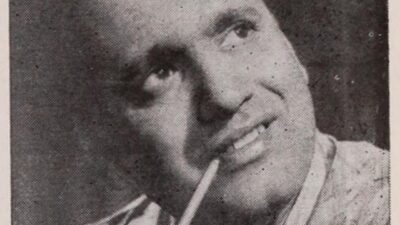
गीत विंग · गीत-पट्टिका · Song Plate
हवा जो तेरा उधर हो जाना
Hawa Jo Tera Udhar Ho Jaana
नायक अपना संदेश हवा को सौंप देता है — सुरेंद्र का एकल, और फ़िल्म के अस्सी साल बाद फिर से खोजा गया 'परिंदे' का सबसे नया गीत।
भावपुरानी यादें · चुलबुला · रोमांटिक
भाषाhindi स्वरूपएकल पुरुष
श्रेय
The Creditsसूत्र-वाक्य · The Hook
सूत्र-वाक्य
नायक अपना संदेश हवा को सौंप देता है — सुरेंद्र का एकल, और फ़िल्म के अस्सी साल बाद फिर से खोजा गया 'परिंदे' का सबसे नया गीत।
In EnglishThe hero hands his message to the wind — Surendra's solo, and the most recent Parinde song to be rediscovered, eighty years after the film.
पट्टिका-लेख
The Monographपरिचय Overview
'हवा जो तेरा उधर हो जाना' 'परिंदे' (1945) की रिकॉर्ड-सूची का सातवाँ गीत और फ़िल्म का इकलौता निर्विवाद सुरेंद्र-एकल है: हिंदीगीतमाला, माईस्वार और 'अतुल्स सॉन्ग अ डे' — तीनों केवल उन्हीं को श्रेय देते हैं, शब्द रममूर्ति चतुर्वेदी के और संगीत पंडित गोबिंद राम का। यह फ़िल्म का सबसे हाल में सामने आया गीत भी है — 24 अक्टूबर 2025 को यह 'अतुल्स सॉन्ग अ डे' पर प्रकाशित हुआ, नौ वर्षों में वहाँ आने वाला 'परिंदे' का चौथा गीत, और ब्लॉगर लिखते हैं कि यह ज़ाहिर तौर पर उसी अभिनेता-गायक पर फ़िल्माया गया है।
अंग्रेज़ी में पढ़ें · Read in English
'Hawa Jo Tera Udhar Ho Jaana' is the seventh song on the Parinde (1945) record listing and the film's one uncontested solo for Surendra: HindiGeetMala, MySwar and Atul's Song A Day all credit him alone, with Rammurti Chaturvedi's words and Pandit Gobind Ram's music. It is also the most recent of the film's songs to resurface — it was posted on Atul's Song A Day on 24 October 2025 as the fourth Parinde song to appear there in nine years, and the blogger notes it is obviously picturised on the actor-singer himself.
संगीत The Music
सुरेंद्र परदे पर अपने गीत ख़ुद गाते थे, और 1940 के दशक में इसका अर्थ था कि संगीतकार को किसी पेशेवर पार्श्वगायक के लिए नहीं, एक अभिनेता की आवाज़ के लिए लिखना पड़ता था — एक भारी, अधिक उद्घोषक स्वर, जो अपने मध्य सप्तक में सहज रहता है और लंबी खुली पंक्तियों में सबसे अच्छा खुलता है। गोबिंद राम ने, अपने कैरियर के जिस वर्ष को उन पर लिखा गया लेखन सबसे सफल बताता है, 'परिंदे' के तीन रूमानी गीत उसी आवाज़ के लिए लिखे, और यही वह गीत है जहाँ वह आवाज़ अकेली खड़ी है, उत्तर देने वाली कोई स्त्री-पंक्ति नहीं। प्रकाशित पाठांतरण दिखाता है कि मुखड़ा हर अंतरे के अंत में दो बार लौटता है और पंक्ति-अंत पर स्वर खींचे जाते हैं — यह उस दौर की अभिनेता-गायक शैली है, शास्त्रीय नहीं। राग, ताल और वाद्य-संयोजन कहीं दर्ज नहीं हैं और यहाँ उनका अनुमान भी नहीं लगाया गया।
अंग्रेज़ी में पढ़ें · Read in English
Surendra sang his own songs on screen, which in the 1940s meant a composer had to write to an actor's voice rather than to a professional playback singer's — a heavier, more declamatory instrument, comfortable in the middle of its range and best used in long open phrases. Gobind Ram, in what writing on him calls the most successful year of his career, wrote three of Parinde's romantic numbers for that voice, and this is the one where it stands alone with no female line to answer it. The published transcription shows a mukhda that returns twice at the end of each verse and drawn-out vowels held across the line breaks, which is the actor-singer manner of the period rather than a classical one. Raag, taal and instrumentation are not documented anywhere and are not guessed at here.
काव्य The Poetry
गीत की युक्ति है 'संदेसा' — वह संदेश जो उसी राह जाते किसी यात्री को सौंप दिया जाए। यहाँ यात्री है हवा, और नायक उससे कहता है कि उसकी प्रेमिका के पास से गुज़रते हुए उसकी बात भी लेती जाए; गीत प्रकाशित करने वाले ब्लॉगर इसी को बोल की दिलचस्पी बताते हैं। यह भारतीय प्रेम-काव्य की सबसे पुरानी युक्तियों में है, जो शास्त्रीय संस्कृत काव्य के संदेशवाहक मेघ तक जाती है, और चतुर्वेदी इसे गंभीरता से नहीं, हल्केपन से बरतते हैं: हवा को दिए गए निर्देश व्यावहारिक और लगभग छेड़ते हुए हैं — कैसे पास जाना है, कितनी धीमी चाल से, और उस सोई हुई को कैसे जगाना है जिसे अपनी नज़ाकत का गुमान है। युद्ध की फ़िल्म में रखी यह युक्ति चुपचाप एक अतिरिक्त काम भी करती है, क्योंकि बिछड़े सिपाही के पास सचमुच भेजने को संदेश के सिवा कुछ नहीं होता। यहाँ गीत की कोई पंक्ति उद्धृत नहीं की गई।
अंग्रेज़ी में पढ़ें · Read in English
The conceit is the sandesha — the message entrusted to a traveller who is going the right way. Here the traveller is the wind, and the hero asks it to carry his words to his beloved on its way past her; the blogger who posted the song singles this out as what makes the lyrics interesting. It is one of the oldest devices in Indian love poetry, running back through the messenger-cloud of classical Sanskrit verse, and Chaturvedi handles it lightly rather than solemnly: the instructions he gives the wind are practical and almost teasing — how to approach, how quietly, how to wake a sleeper who is proud of her own delicacy. Placed in a war film, the device does quiet extra work, because a separated soldier really does have nothing but a message to send. No lyric lines are reproduced here.
कहानी The Story
'परिंदे' अपने जोड़े को जल्दी अलग कर देती है — अशोक पढ़ाना छोड़कर भर्ती होता है, पायलट का प्रशिक्षण लेकर बर्मा सीमा पर भेजा जाता है, और श्यामा पीछे रह जाती है — और फ़िल्म की अधिकांश लंबाई तक उन्हें अलग ही रखती है: नीला का बचाया जाना, डॉक्टर का छल, श्यामा का नर्स बनने का निर्णय। ऐसा एकल, जिसमें नायक ख़ुद जाने के बजाय केवल संदेश भेज सकता है, उसी हिस्से में सहज बैठता है — यद्यपि बची हुई प्रति इतनी बुरी तरह कटी है कि फ़िल्म की कथा स्वीकृत रिक्तियों के साथ पुनर्निर्मित करनी पड़ी, और इस गीत का ठीक स्थान दर्ज नहीं है। जो दर्ज है वह यह कि यह सुरेंद्र पर फ़िल्माया गया है।
अंग्रेज़ी में पढ़ें · Read in English
Parinde separates its couple early — Ashok leaves his teaching post to enlist, trains as a pilot and is sent to the Burma frontier while Shyama stays behind — and keeps them apart for most of its length, through the rescue of Neela, the doctor's deception and Shyama's decision to become a nurse. A solo in which the hero can only send word rather than go himself sits naturally in that stretch, though the surviving print is cut badly enough that the film's plot had to be reconstructed with acknowledged gaps, and the exact placement of this song is not recorded. What is recorded is that it is picturised on Surendra.
विरासत The Legacy
इस गीत की पुनर्खोज अपने आप में एक कहानी है: यह अक्टूबर 2025 में 'अतुल्स सॉन्ग अ डे' पर आया — 'परिंदे' का पहला गीत वहाँ आने के नौ साल बाद — और इसके साथ फ़िल्म के आठ में से चार गीत वहाँ पहुँच गए। स्वतंत्रता-पूर्व की साधारण फ़िल्मों के साथ यही होता है: फ़िल्म व्यावहारिक रूप से जा चुकी होती है, जो प्रिंट बचता है वह कटा-फटा होता है, और अभिलेख संग्राहकों द्वारा एक-एक गीत करके वापस लाया जाता है। पंडित गोबिंद राम पर लिखा गया लेखन 1945 को उनके कैरियर का सबसे सफल वर्ष बताता है, यद्यपि उस वर्ष की जिन फ़िल्मों का वह नाम लेता है वे 'चालीस करोड़', 'हमारा संसार', 'लैला मजनूँ' और 'नसीब' हैं, यह नहीं।
अंग्रेज़ी में पढ़ें · Read in English
The song's rediscovery is its own story: it went up on Atul's Song A Day in October 2025, nine years after the first Parinde song appeared there, bringing the count of the film's eight to four. That is the pattern for pre-Independence programme pictures — the film is effectively gone, the print that survives is mutilated, and the record is recovered one track at a time by collectors. Writing on Pandit Gobind Ram calls 1945 the most successful year of his career, though the films it names from that year are Chalees Karod, Hamara Sansar, Laila Majnu and Naseeb rather than this one.
वर्गीकरण
ClassificationGenre
अन्य विवरण
More Details- https://www.hindigeetmala.net/movie/parinde.htm
- https://myswar.co/album/parinde-1945
- https://atulsongaday.me/tag/parinde/
- https://hindi-movies-songs.com/joomla/index.php/hindi-films/posted-songs/281-1945-parinde
- https://en.wikipedia.org/wiki/List_of_Hindi_films_of_1945
- https://atulsongaday.me/2025/10/24/hawa-jo-tera-udhar-ho-jaana/
References
रोचक तथ्य
Margin Notes24 अक्टूबर 2025 को 'अतुल्स सॉन्ग अ डे' पर पोस्ट क्रमांक 19522 के रूप में प्रकाशित, यह उस ब्लॉग पर आने वाला 'परिंदे' के आठ गीतों में चौथा और आठ वर्षों में पहला था।
अंग्रेज़ी में पढ़ें · Read in English
Posted on Atul's Song A Day on 24 October 2025 as post number 19522, it was the fourth of Parinde's eight songs to appear on that blog and the first in eight years.
सुरेंद्र 1930-40 के दशक के उन अभिनेता-गायकों में थे जो परदे पर अपने गीत ख़ुद गाते थे, इसलिए यह एकल ध्वनि-पट्टी पर भी उन्हीं की आवाज़ है और फ़िल्मांकन में भी।
अंग्रेज़ी में पढ़ें · Read in English
Surendra was one of the actor-singers of the 1930s and 1940s who sang their own songs on screen, so this solo is his voice both on the soundtrack and in the picturisation.
गीत हवा को प्रेमिका तक संदेश पहुँचाने वाला दूत बनाता है — यही युक्ति ब्लॉग की टिप्पणी बोल की सबसे दिलचस्प बात बताती है।
अंग्रेज़ी में पढ़ें · Read in English
The song uses the wind as a messenger to the beloved, a device the blog's write-up picks out as the most interesting thing about the lyrics.
नमूना-पट्टी
The Specimen Table| शीर्षक | हवा जो तेरा उधर हो जाना · Hawa Jo Tera Udhar Ho Jaana |
|---|---|
| फ़िल्म | परिंदे · 1945 |
| वर्ष · युग | 1945 |
| गायक | Surendra |
| गीतकार | Rammurti Chaturvedi |
| संगीतकार | पंडित गोबिंद राम |
| स्वरूप | एकल पुरुष |
| भाषा | hindi |
| भाव | पुरानी यादें · चुलबुला · रोमांटिक |
| लोकप्रियता | Known |
| बोल-स्थिति | केवल झलक |
जुड़े हुए पन्ने
Connected Plates · The Graph Made Visibleअटलस में कोई पन्ना अकेला नहीं — इस गीत से जुड़े गीत, कलाकार, फ़िल्म, राग-ताल-विधा, सब यहाँ से खुलते हैं।
मिलते-जुलते गीत · Related Songs
कलाकार · The Artists
फ़िल्म · The Film
साझा कीजिए · Share this Plate