गीत विंग · गीत-पट्टिका · Song Plate
दुनिया शराबख़ाना (भाग 2)
Duniya Sharaab Khana (Part II)
फ़िल्म के लंबे मयख़ाना-गीत का दूसरा पक्ष, और 'शरबती आँखें' का इकलौता गीत जो ज़ीनत बेगम के नाम दर्ज है।
भावतीव्र · दार्शनिक
भाषाhindi गतिधीमी स्वरूपएकल महिला
श्रेय
The Creditsसूत्र-वाक्य · The Hook
सूत्र-वाक्य
फ़िल्म के लंबे मयख़ाना-गीत का दूसरा पक्ष, और 'शरबती आँखें' का इकलौता गीत जो ज़ीनत बेगम के नाम दर्ज है।
In EnglishThe second side of the film's long tavern song, and the only number in Sharbati Ankhen credited to Zeenat Begum.
पट्टिका-लेख
The Monographपरिचय Overview
'दुनिया शराबख़ाना' का दूसरा भाग रिकॉर्ड के उलटे पक्ष पर है और ज़ीनत बेगम के नाम दर्ज है — इस संगीत-संकलन में उनकी इकलौती उपस्थिति। बोल तनवीर नक़वी के और संगीत फ़िरोज़ निज़ामी का है, जैसे पहले भाग में, पर आवाज़ बदल जाती है — जो दो पक्षों वाले गीत को एक ही गायिका के पास रखने की सामान्य प्रथा से हटकर है। रिकॉर्डिंग का कुछ भी प्रचलन में नहीं बचा, इसलिए यह प्रविष्टि सूची के श्रेय पर और उसमें नामित लोगों के बारे में जो प्रमाणित है, उस पर टिकी है।
अंग्रेज़ी में पढ़ें · Read in English
Part II of 'Duniya Sharaab Khana' occupies the reverse side of the record and is credited to Zeenat Begum — her only appearance on this soundtrack. The lyric is Tanveer Naqvi's and the music Feroz Nizami's, as on Part I, but the voice changes, which is a departure from the usual practice of keeping a two-sided song with one singer. Nothing of the recording survives in circulation, so the entry rests on the catalogue credit and on what can be established about the people named in it.
संगीत The Music
यह गीत दो भागों में दर्ज है, और 1945 की व्यवहार में इसका अर्थ है कि इसने एक ही 78-आरपीएम तवे के दोनों पक्ष भरे — यही उपाय तब अपनाया जाता था जब गीत एक पक्ष के साढ़े तीन मिनट से आगे निकल जाए। असामान्य बात यहाँ यह है कि दोनों पक्षों पर दो अलग गायिकाएँ हैं — पहले पर हमीदा बानू और दूसरे पर ज़ीनत बेगम। यह फ़िल्म में सचमुच दो आवाज़ों वाली संरचना थी या बची हुई सूची की चूक, यह तय नहीं किया जा सकता, क्योंकि दोनों में से किसी भाग की ध्वनि प्रचलन में नहीं है।
अंग्रेज़ी में पढ़ें · Read in English
The number is catalogued in two parts, which in 1945 practice means it filled both sides of a single 78-rpm disc — the usual solution when a song ran past the three-and-a-half minutes one side allowed. What is unusual here is that the two sides carry two different singers, Hamida Banu on the first and Zeenat Begum on the second. Whether that reflects a genuine two-voice structure in the film or an error in the surviving catalogue cannot be settled, because no audio of either part is in circulation.
काव्य The Poetry
'शराबख़ाना' यानी मयख़ाना, और यह फ़ारसी-उर्दू शायरी के आधार-बिम्बों में है: ग़ज़ल का वह मयख़ाना जहाँ शराब का अर्थ लगभग कभी केवल शराब नहीं रहा, और 'नशा' उस हर आत्म-विस्मृति का नाम है जिसे होश वाली दुनिया नापसंद करती है। 'दुनिया शराबख़ाना' कहना इसी स्थापित बिम्ब को उठाकर इतना बड़ा कर देना है कि वह सब कुछ ढँक ले: लौटने के लिए कोई होश वाला बाहर बचता ही नहीं, घर में मौजूद हर कोई किसी न किसी चीज़ के नशे में है, और बचा हुआ इकलौता सवाल यह है कि किसके। तनवीर नक़वी यहाँ पूरी तरह उर्दू ग़ज़ल की परंपरा के भीतर लिख रहे हैं, और मयख़ाने के इस बोल के लिए स्त्री-स्वर का चुनाव — वह भी रिकॉर्ड के दोनों पक्षों पर दो बार — इस परंपरा में फ़िल्म का अपना योगदान है।
अंग्रेज़ी में पढ़ें · Read in English
'Sharaab-khana' is the tavern, and it is one of the load-bearing images of Persian and Urdu poetry: the maikhana of the ghazal, where wine has almost never meant only wine and drunkenness is the name for any self-forgetting that the sober world disapproves of. To say duniya sharaab-khana — the world is a tavern — is to take that established image and enlarge it until it covers everything: there is no sober outside to retreat to, everyone in the house is intoxicated by something, and the only question left is what. Tanveer Naqvi is writing squarely inside the Urdu ghazal tradition here, and the choice of a woman's voice for a tavern lyric — twice over, across both sides of the record — is the film's own contribution to it.
कहानी The Story
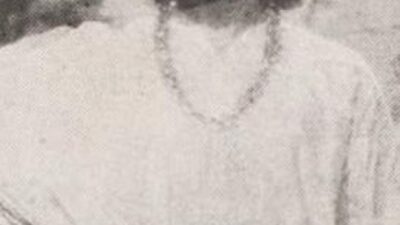
ज़ीनत बेगम का जन्म पंजाब के मलेरकोटला में हुआ था; उन्होंने 1942 में पंजाबी फ़िल्म 'मंगती' से पार्श्वगायन की शुरुआत की, जिसमें वे अभिनेत्री के रूप में भी आईं। वे 1944 में बंबई आईं और 1940 के दशक के मध्य तक लगातार रिकॉर्डिंग करती रहीं, फिर विभाजन उन्हें पाकिस्तान ले गया, जहाँ वे रेडियो की अग्रणी कलाकार बनीं और 'मलिका-ए-माज़ी' कहलाईं। वाडिया मूवीटोन की एक सामाजिक फ़िल्म में रिकॉर्ड का एक पक्ष उस करियर की छोटी-सी प्रविष्टि है — पर 1945 उसका ठीक वही दौर है जो सबसे कम प्रलेखित है, और इसी से ऐसे श्रेय का मोल अनुपात से कहीं अधिक हो जाता है।
अंग्रेज़ी में पढ़ें · Read in English
Zeenat Begum, born in Malerkotla in Punjab, had made her playback debut in the Punjabi film Mangti in 1942, in which she also appeared as an actress. She moved to Bombay in 1944 and was recording steadily through the mid-1940s before Partition took her to Pakistan, where she became a leading radio artist and was known as the Queen of Yesteryear. A single record side in a Wadia Movietone social drama is a small entry in that career, but 1945 is exactly the stretch of it that is least well documented, which gives credits like this one a disproportionate value.
विरासत The Legacy
इसके स्वागत का कोई इतिहास बताने को नहीं है। यह प्रविष्टि जो सुरक्षित रखती है वह ज़ीनत बेगम के बंबई-काल का एक श्रेय है, और वह काल इसलिए मायने रखता है क्योंकि वह छोटा था: वे 1944 में आईं और तीन साल के भीतर विभाजन ने उनके कामकाजी जीवन का यह अध्याय समाप्त कर दिया। प्रचलित संदर्भ-ग्रंथों में इस अवधि की उनकी हिंदी-फ़िल्म सूची पतली है, इसलिए एक भुला दी गई 1945 की फ़िल्म का एक प्रलेखित पक्ष उसमें सजावटी नहीं, वास्तविक जोड़ है।
अंग्रेज़ी में पढ़ें · Read in English
There is no reception history to report. What the entry conserves is a Zeenat Begum credit from her Bombay years, which matter because they were short: she arrived in 1944 and Partition ended that phase of her working life within three years. Her Hindi-film discography from this window is thin in the standard references, so a single documented side from a forgotten 1945 picture is a real addition to it rather than a decorative one.
वर्गीकरण
Classification- Tempo
- Slow
Genre
अन्य विवरण
More Details- https://www.hindigeetmala.net/movie/sharbati_aankhen.htm
- https://en.wikipedia.org/wiki/List_of_Hindi_films_of_1945
- https://indiancine.ma/EGB
References
रोचक तथ्य
Margin Notes'शरबती आँखें' में यही एकमात्र गीत है जो ज़ीनत बेगम के नाम दर्ज है।
अंग्रेज़ी में पढ़ें · Read in English
This is the only song in Sharbati Ankhen credited to Zeenat Begum.
ज़ीनत बेगम ने 1942 की पंजाबी फ़िल्म 'मंगती' से पार्श्वगायन शुरू किया, 1944 में बंबई आईं, और विभाजन के बाद पाकिस्तान में रेडियो की अग्रणी कलाकार बनीं, जहाँ वे 'मलिका-ए-माज़ी' कहलाईं।
अंग्रेज़ी में पढ़ें · Read in English
Zeenat Begum made her playback debut in the 1942 Punjabi film Mangti, moved to Bombay in 1944, and after Partition became a leading radio artist in Pakistan, known as the Queen of Yesteryear.
फ़िल्म के दस में से चार गीत तनवीर नक़वी के बोल हैं, और यह दो भागों वाला गीत अकेले उनमें से दो का हिसाब रखता है।
अंग्रेज़ी में पढ़ें · Read in English
Four of the film's ten songs are Tanveer Naqvi lyrics, and this two-part number accounts for two of them.
नमूना-पट्टी
The Specimen Table| शीर्षक | दुनिया शराबख़ाना (भाग 2) · Duniya Sharaab Khana (Part II) |
|---|---|
| फ़िल्म | शरबती आँखें · 1945 |
| वर्ष · युग | 1945 |
| गायक | Zeenat Begum |
| गीतकार | Tanveer Naqvi |
| संगीतकार | Feroze Nizami |
| स्वरूप | एकल महिला |
| गति | धीमी |
| भाषा | hindi |
| भाव | तीव्र · दार्शनिक |
| लोकप्रियता | Obscure |
| बोल-स्थिति | केवल झलक |
जुड़े हुए पन्ने
Connected Plates · The Graph Made Visibleअटलस में कोई पन्ना अकेला नहीं — इस गीत से जुड़े गीत, कलाकार, फ़िल्म, राग-ताल-विधा, सब यहाँ से खुलते हैं।
मिलते-जुलते गीत · Related Songs
कलाकार · The Artists
फ़िल्म · The Film
साझा कीजिए · Share this Plate