गीत विंग · गीत-पट्टिका · Song Plate
अच्छी नहीं ये छेड़
Acchi Nahi Ye Chhed
एक स्त्री अपने पति का नाम मुँह से नहीं लेती, और वह पूरा युगल गीत उसी नाम को उसके होंठों तक लाने की कोशिश में बिता देता है।
भावपुरानी यादें · चुलबुला · रोमांटिक
भाषाhindi गतिमध्यम स्वरूपयुगल
श्रेय
The Creditsसूत्र-वाक्य · The Hook
सूत्र-वाक्य
एक स्त्री अपने पति का नाम मुँह से नहीं लेती, और वह पूरा युगल गीत उसी नाम को उसके होंठों तक लाने की कोशिश में बिता देता है।
In EnglishA wife will not say her husband's name out loud, and he spends an entire duet trying to coax it out of her.
पट्टिका-लेख
The Monographपरिचय Overview
'घर' (1945) के उन चार गीतों में सबसे हल्का, जिनका पाठ बचा रह गया, और फ़िल्म के उन दो युगलों में से एक जो राजकुमारी और अफ़ज़ल लाहौरी के हिस्से आए। इसका पूरा विषय वही उत्तर भारतीय रीत है जिसके अनुसार पत्नी अपने पति का नाम मुँह से नहीं लेती: वह बार-बार दुहराती है कि यह छेड़ अच्छी नहीं और नाम लेना उसे गवारा नहीं, और वह बार-बार कहता है कि होंठ खोलकर, मुस्कराकर, एक बार वह नाम बोल दे। कुछ तय नहीं होता। यह गीत एक घरेलू नोकझोंक है, जो पूरी तरह क्रीड़ा की लय में चलती है।
अंग्रेज़ी में पढ़ें · Read in English
The lightest of the four songs from Ghar (1945) whose text has survived, and one of two duets in the film for Rajkumari and Afzal Lahori. Its whole subject is the North Indian convention by which a wife does not utter her husband's name aloud: she keeps repeating that his teasing is unwelcome and that saying his name is simply not something she will do, while he keeps asking her to open her lips and speak it just once, smiling as she does. Nothing is resolved. The song is a domestic negotiation conducted entirely in the register of play.
संगीत The Music
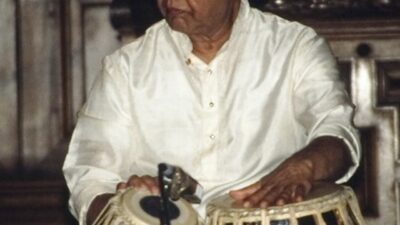
मध्यम गति का एक प्रश्नोत्तर, जो दो स्वरों के एक-दूसरे को टोकने के लिए ही बुना गया है। राजकुमारी की पंक्ति बार-बार उसी इनकार वाले टुकड़े पर लौटती है, और धुन इस तरह गढ़ी गई है कि अफ़ज़ल लाहौरी की जवाबी पंक्ति ठीक उस ख़ाली जगह में बैठ जाए जो वे छोड़ती हैं — यही इस गीत को बारी-बारी गाए गए दो एकलों की जगह बातचीत की रंगत देता है। साज़-सज्जा 1940 के दशक के मध्य की सामान्य बंबइया कक्ष-बुनावट है — आगे हारमोनियम, हल्के तार, और एक उछाल भरी ताल जो स्वरों से काफ़ी पीछे रहती है — और अल्ला रक्खा, जो प्रशिक्षण से तबला उस्ताद थे, लय को जान-बूझकर सहायक बनाए रखते हैं, प्रदर्शनकारी नहीं।
अंग्रेज़ी में पढ़ें · Read in English
A moderate-tempo call-and-response built for two voices to interrupt each other. Rajkumari's line comes back again and again on the same refusing phrase, and the melody is designed so that Afzal Lahori's answering line can slot into the gap she leaves, which is what gives the number its conversational feel rather than the feel of alternating solos. The scoring is the standard mid-1940s Bombay chamber texture — harmonium leading, light strings, a springy percussion pattern that stays well behind the voices — and Alla Rakha, a tabla master by training, keeps the rhythm deliberately supportive rather than showy.
काव्य The Poetry
रूपबानी रोज़मर्रा के एक सामाजिक शिष्टाचार को उठाकर उसी पर पूरे गीत की इमारत खड़ी कर देते हैं। स्त्री का पक्ष यह है कि वह नाम उसके बोलने का नहीं; पुरुष का जवाबी तर्क यह है कि अब वे दोनों एक ही घर हैं और उनके बीच बाक़ी सब कुछ पहले ही साझा हो चुका है, इसलिए यह रोक अब लज्जा नहीं, एक अदा भर रह गई है। वह कहता है कि यह ज़िद छोड़ दो; वह कहती है कि इस पर नादानी मत करो। इस हल्के-से विषय के मुक़ाबले लेखन को बेहतर बनाने वाली बात यह है कि रूपबानी किसी पक्ष को जीतने नहीं देते, और उस रीत का उपहास भी नहीं करते — इनकार को सच्चा माना गया है, और इसीलिए मनुहार सीख में बदलने के बजाय स्नेह में बनी रहती है।
अंग्रेज़ी में पढ़ें · Read in English
Roopbani takes a piece of everyday social etiquette and turns it into the entire architecture of a lyric. The woman's position is that the name is not hers to speak; the man's counter-argument is that the two of them are now one household and everything else between them has already been shared, so the withholding has become an affectation rather than a modesty. He asks her to drop the stubbornness; she asks him not to be foolish about it. What makes the writing better than its slight subject is that Roopbani never lets either side win, and never sneers at the custom — the refusal is treated as genuinely felt, which is why the coaxing stays affectionate instead of turning into a lesson.
कहानी The Story
'घर' सनराइज़ पिक्चर्स, बंबई में बनी एक पारिवारिक नाट्य-फ़िल्म थी, जिसका निर्देशन स्टूडियो के घरेलू निर्देशक वी. एम. व्यास ने किया, संगीत अल्ला रक्खा का था — फ़िल्मों में जिनका श्रेय ए. आर. क़ुरैशी के नाम से जाता है — और गीत रूपबानी के। फ़िल्म का कोई प्रिंट, प्रचार-पुस्तिका या समकालीन कथा-सार बचा हुआ ज्ञात नहीं है, इसलिए कहानी की जगह गीतों को ही खड़ा होना पड़ता है। यह गीत उस साउंडट्रैक के हल्के हिस्से में बैठता है जो साफ़ दो हिस्सों में बँटा है: फ़िल्म के दो विधवा-गीतों के सामने 'अच्छी नहीं ये छेड़' एक ऐसे घर का गीत है जो अभी इतना सलामत है कि नाम लेने-न-लेने पर बहस कर सके। यह किन पर फ़िल्माया गया, यह दर्ज नहीं है।
अंग्रेज़ी में पढ़ें · Read in English
Ghar was a family drama made at Sunrise Pictures, Bombay, directed by the studio's house director V. M. Vyas, with music by Alla Rakha — credited in films as A. R. Qureshi — and lyrics by Roopbani. No print, press book or contemporary synopsis of the film is known to survive, so the songs have to stand in for the story. This one sits on the light side of a soundtrack that divides sharply in two: against the film's pair of widow songs, 'Acchi Nahi Ye Chhed' belongs to a household still intact enough to argue about names. Whom it was picturised on is not recorded.
विरासत The Legacy
फ़िल्म चली गई और गीत बच गया — महत्त्व का सामान्य क्रम यहाँ उलट जाता है। जो यह सुरक्षित रखता है वह सामाजिक इतिहास का एक छोटा-सा टुकड़ा है — नाम न लेने की रीत, जो 1945 में एक जीवित और हँसी-मज़ाक़ के योग्य विषय थी, न कि कोई दौर-विशेष का ब्योरा — और राजकुमारी का वह दस्तावेज़, जब वे पूरी कार्यक्षमता पर थीं, लता मंगेशकर के आकर महिला पार्श्वगायन को नए सिरे से गढ़ने से ठीक पहले के वर्षों में। यहाँ उनके साथी अफ़ज़ल लाहौरी उस दौर के उन अनेक पुरुष गायकों में हैं जिनके करियर के पीछे लगभग कोई दस्तावेज़ नहीं बचा; 'घर' उन गिनी-चुनी फ़िल्मों में है जिनके सहारे उनका नाम आज भी विशिष्ट रिकॉर्डिंगों से जुड़ा हुआ है।
अंग्रेज़ी में पढ़ें · Read in English
The film is gone and the song survives, which reverses the usual order of importance. What it preserves is a small piece of social history — the name-taboo as a live, jokeable subject in 1945 rather than a period detail — and a record of Rajkumari at full working strength in the last years before Lata Mangeshkar reset the female playback field. Afzal Lahori, her partner here, is one of the many male singers of the period whose careers left almost no documentation behind; Ghar is among the handful of films by which his name is still attached to specific recordings.
वर्गीकरण
Classification- Tempo
- Medium
Genre
अन्य विवरण
More Details- https://www.hindigeetmala.net/movie/ghar_1945.htm
- https://myswar.co/album/ghar-1945
- https://en.wikipedia.org/wiki/List_of_Hindi_films_of_1945
- https://www.hindigeetmala.net/song/acchi_nahi_ye_chhed.htm
- https://en.wikipedia.org/wiki/Rajkumari_Dubey
- https://en.wikipedia.org/wiki/Alla_Rakha
- https://www.saregama.com/album/ghar_107503
- https://atulsongaday.me/2014/01/08/achchi-nahin-ye-chhed/
References
रोचक तथ्य
Margin Notes'घर' के आठ गीतों में से केवल चार के गीत-पाठ गीत-संग्रहों में बचे हैं, और यह उन्हीं चार में से एक है; बाक़ी चार के केवल शीर्षक और श्रेय शेष हैं।
अंग्रेज़ी में पढ़ें · Read in English
This is one of only four of Ghar's eight songs whose lyric text has survived in the song archives; for the other four, only the titles and credits remain.
'घर' में राजकुमारी और अफ़ज़ल लाहौरी दो युगल गाते हैं — यह और 'सजनिया चले आओ'। फ़िल्म में राजकुमारी का तीसरा गीत 'मेरी आँखों के आँसू' एकल है और रंगत में इन दोनों के ठीक विपरीत।
अंग्रेज़ी में पढ़ें · Read in English
Rajkumari and Afzal Lahori sing two duets in Ghar — this one and 'Sajaniya Chale Aao'. Rajkumari's third song in the film, 'Meri Aankhon Ke Aansu', is a solo and the tonal opposite of both.
नमूना-पट्टी
The Specimen Table| शीर्षक | अच्छी नहीं ये छेड़ · Acchi Nahi Ye Chhed |
|---|---|
| फ़िल्म | घर · 1945 |
| वर्ष · युग | 1945 |
| गायक | Rajkumari, Afzal Lahori |
| गीतकार | Roopbani |
| संगीतकार | Allah Rakha |
| स्वरूप | युगल |
| गति | मध्यम |
| भाषा | hindi |
| भाव | पुरानी यादें · चुलबुला · रोमांटिक |
| लोकप्रियता | Known |
| बोल-स्थिति | केवल झलक |
जुड़े हुए पन्ने
Connected Plates · The Graph Made Visibleअटलस में कोई पन्ना अकेला नहीं — इस गीत से जुड़े गीत, कलाकार, फ़िल्म, राग-ताल-विधा, सब यहाँ से खुलते हैं।
मिलते-जुलते गीत · Related Songs
कलाकार · The Artists
फ़िल्म · The Film
साझा कीजिए · Share this Plate