गीत विंग · गीत-पट्टिका · Song Plate
पिया न बोले बुलाय हारी
Piya Na Bole Bulaay Haari
अकेला से अनुत्तरित तड़प का एक गीत — पिया बोलते नहीं, और बुलाते-बुलाते मन हार गया है।
भावमीठा-कड़वा · उदास · रोमांटिक
भाषाhindi गतिधीमी स्वरूपSolo
श्रेय
The Creditsसूत्र-वाक्य · The Hook
सूत्र-वाक्य
अकेला से अनुत्तरित तड़प का एक गीत — पिया बोलते नहीं, और बुलाते-बुलाते मन हार गया है।
In EnglishA song of unanswered longing from Akela — the beloved will not speak, and the calling heart is worn out.
पट्टिका-लेख
The Monographपरिचय Overview
'पिया न बोले बुलाय हारी' अकेला (1941) के ग्यारह गीतों में गिना जाता है, जिसे ख़ान मस्ताना ने संगीतबद्ध किया और पी. एल. संतोषी ने लिखा। इसका विषय — एक प्रिय जो चुप रहता है जबकि प्रेमी व्यर्थ ही पुकारता रहता है — फ़िल्म के अधूरी तड़प और अकेलेपन के वातावरण से मेल खाता है। गीत-सूचियाँ पुष्टि करती हैं कि यह शीर्षक इसी फ़िल्म का है; उपलब्ध स्रोतों में विशिष्ट गायक प्रलेखित नहीं है।
अंग्रेज़ी में पढ़ें · Read in English
'Piya Na Bole Bulaay Haari' is listed among the eleven songs of Akela (1941), composed by Khan Mastana with lyrics by P. L. Santoshi. Its theme of a beloved who stays silent while the lover calls in vain fits the film's atmosphere of unfulfilled longing and solitude. Song indices confirm the title belongs to this film; the specific singer is not documented in the located sources.
काव्य The Poetry
'पिया न बोले बुलाय हारी' में लगातार, थका देने वाली पुकार का एक दृश्य है: 'बुलाय हारी' का अर्थ है 'बुलाते-बुलाते थक गई' — वक्ता ने केवल एक बार पुकारा और अस्वीकृत नहीं हुई बल्कि इतनी बार पुकारा कि थक कर चूर हो गई। 'हारी' (हार जाना से, पराजित होना, थककर छोड़ देना) शब्द गीत का भावनात्मक शिखर है: यह एक विशेष अवस्था को नाम देता है — वह अवस्था जब कोई ऐसी प्रतिक्रिया के लिए खुद को पूरी तरह खपा चुका हो जो कभी नहीं आती। पी.एल. संतोषी अलंकृत उर्दू-ग़ज़ल शैली के बजाय सीधे ब्रज-हिंदी काव्य-स्वर में काम करते हुए बिंब को सरल रखते हैं: प्रिय की चुप्पी (पिया न बोले, पिया नहीं बोलता) एक खाली तथ्य के रूप में कही जाती है, नाटकीय नहीं बनाई जाती। यह सरलता ही गीत की शक्ति है — रूपक के अभाव में चुप्पी पूर्ण लगती है। गीत का विषाद और मिठास-भरे कड़वेपन का वर्गीकरण इस विशेषता को ठीक-ठीक पकड़ता है: क्रोध के बिना दुख, आरोप के बिना थकान।
अंग्रेज़ी में पढ़ें · Read in English
'Piya Na Bole Bulaay Haari' constructs a scene of sustained, exhausting calling: the verb 'bulaay haari' means 'worn out from calling' — the speaker has not simply called once and been rebuffed but has called so persistently that she is spent. The word 'haari' (from haar jana, to be defeated, to give up in exhaustion) is the lyric's emotional pinnacle: it names a very specific state — that of having poured oneself into pursuit of a response that never comes. P.L. Santoshi, working in a direct Braj-Hindi lyric register rather than the ornate Urdu-ghazal mode, keeps the image spare: the beloved's silence (piya na bole, the piya does not speak) is stated as a bare fact, not dramatised. This economy is the lyric's strength — the absence of metaphor makes the silence feel total. The song's classification as melancholic and bittersweet captures exactly this quality: grief without rage, exhaustion without accusation.
कहानी The Story
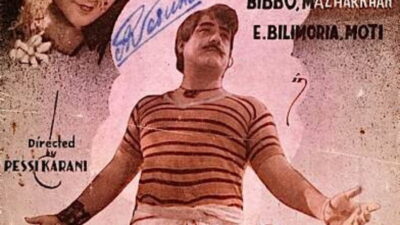
अकेला (1941) पेस्सी करानी द्वारा ग्रेट इंडिया पिक्चर्स के लिए निर्देशित थी, जो के.बी. देसाई का निर्माण-बैनर था। कलाकारों में बिब्बो थीं — एक अभिनेत्री-गायिका जो प्रारंभिक हिंदी सिनेमा की प्रमुख महिला कलाकारों में से एक थीं और फ़िल्म के संगीत-पट्टी में अपनी आवाज़ भी देती थीं — साथ ही मज़हर ख़ान, ई. बिलीमोरिया, मिस मोती, प्रतिमा देवी, बोस और मोहम्मद हादी। संगीत ख़ान मस्ताना का था और गीत पी.एल. संतोषी के। संतोषी (जन्म: प्यारेलाल श्रीवास्तव, 16 अगस्त 1916, जबलपुर) 1937 में रणजीत मूवीटोन से जुड़े और 1941 से पहले उस बैनर के तहत लगभग उन्नीस फ़िल्मों के गीत लिखे; अकेला के समय तक वे एक अनुभवी फ़िल्म-गीतकार बन चुके थे। फ़िल्म का शीर्षक 'अकेला' (एकांत, एकाकी) 'पिया न बोले बुलाय हारी' के भावनात्मक आधार से सीधे जुड़ता है: उस व्यक्ति का आत्मिक और भावनात्मक अकेलापन जिसकी पुकार का कोई उत्तर नहीं आता।
अंग्रेज़ी में पढ़ें · Read in English
Akela (1941) was directed by Pessi Karani for Great India Pictures, a production banner run by K.B. Desai. The cast starred Bibbo — an actress-singer who was among the leading female performers of early Hindi cinema and contributed her own voice to the film's soundtrack — alongside Mazhar Khan, E. Billimoria, Miss Moti, Pratima Devi, Bose and Mohammed Hadi. Khan Mastana composed the music, with P.L. Santoshi supplying the lyrics. Santoshi (born Pyarelal Srivastava, 16 August 1916, Jabalpur) had joined Ranjit Movietone in 1937 and penned songs for approximately nineteen films under that banner before 1941; by the time of Akela he was already an experienced film lyricist, comfortable across comic, romantic and melancholic registers. The film's title — 'alone, solitary' — aligns directly with the emotional premise of 'Piya Na Bole Bulaay Haari': the spiritual and emotional solitude of the person whose calling goes unanswered.
वर्गीकरण
Classification- Tempo
- Slow
Genre
अन्य विवरण
More Details- https://en.wikipedia.org/wiki/Akela_(film)
- https://apnaarchive.wordpress.com/2013/02/02/pyare-lal-santoshi-multiple-hats-varied-fortunes/
- https://en.wikipedia.org/wiki/Bibbo_(actress)
- https://www.hindigeetmala.net/singer/khan_mastana.php
References
रोचक तथ्य
Margin Notesअकेला (1941) का निर्देशन पेसी करानी ने के.बी. देसाई प्रोडक्शंस के तहत ग्रेट इंडिया पिक्चर्स के लिए किया — बंबई के 1940 के दशक की शुरुआत के फ़िल्म उद्योग के छोटे स्वतंत्र निर्माण घरानों में से एक।
अंग्रेज़ी में पढ़ें · Read in English
Akela (1941) was directed by Pessi Karani for Great India Pictures under K.B. Desai Productions — one of the smaller independent production houses of Bombay's early-1940s film industry.
पी.एल. संतोषी (जन्म 16 अगस्त 1916, जबलपुर) ने अकेला में योगदान देने से पहले 1937 से 1941 के बीच रणजीत मूवीटोन में लगभग उन्नीस फ़िल्मों के लिए गीत लिखे थे; उनके बेटे राजकुमार संतोषी आगे चलकर दामिनी (1993) और लज्जा (2001) के लिए जाने जाने वाले एक प्रमुख हिंदी फ़िल्म निर्देशक बने।
अंग्रेज़ी में पढ़ें · Read in English
P.L. Santoshi (born 16 August 1916, Jabalpur) had written lyrics for approximately nineteen films at Ranjit Movietone between 1937 and 1941 before contributing to Akela; his son Rajkumar Santoshi would later become a major Hindi film director known for Damini (1993) and Lajja (2001).
फ़िल्म की मुख्य अभिनेत्री बिब्बो स्वयं एक गायिका थीं, जिन्होंने फ़िल्म के साउंडट्रैक में अपनी आवाज़ का योगदान दिया — यह उस दौर की विशेषता थी, जब विशेषज्ञ पार्श्वगायन ने स्क्रीन अभिनेता और स्वर-कलाकार की भूमिकाओं को अभी पूरी तरह अलग नहीं किया था।
अंग्रेज़ी में पढ़ें · Read in English
Bibbo, the film's lead actress, was herself a singer who contributed her voice to the film's soundtrack — typical of the era before specialist playback singing fully separated the roles of screen actor and vocal performer.
फ़िल्म के संगीतकार ख़ान मस्ताना इस दौर में एक गायक के रूप में भी जाने जाते थे — शुरुआती टॉकी युग के संगीत निर्देशकों में संगीतकार-गायक की दोहरी भूमिका आम थी, जब प्रदर्शन-विधाओं के बीच की सीमाएं इतनी सख़्ती से नहीं खींची गई थीं।
अंग्रेज़ी में पढ़ें · Read in English
Khan Mastana, the film's composer, was also known as a singer during this period — the dual composer-singer role was common among music directors of the early talkie era, when the boundaries between performance disciplines were less strictly drawn.
नमूना-पट्टी
The Specimen Table| शीर्षक | पिया न बोले बुलाय हारी · Piya Na Bole Bulaay Haari |
|---|---|
| फ़िल्म | अकेला · 1941 |
| वर्ष · युग | 1941 |
| गायक | Bibbo |
| गीतकार | P.L. Santoshi |
| संगीतकार | Khan Mastana |
| स्वरूप | Solo |
| गति | धीमी |
| भाषा | hindi |
| भाव | मीठा-कड़वा · उदास · रोमांटिक |
| बोल-स्थिति | केवल झलक |
जुड़े हुए पन्ने
Connected Plates · The Graph Made Visibleअटलस में कोई पन्ना अकेला नहीं — इस गीत से जुड़े गीत, कलाकार, फ़िल्म, राग-ताल-विधा, सब यहाँ से खुलते हैं।
मिलते-जुलते गीत · Related Songs
कलाकार · The Artists
फ़िल्म · The Film
साझा कीजिए · Share this Plate