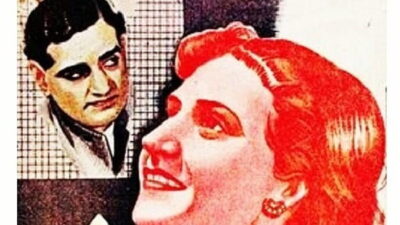
गीत विंग · गीत-पट्टिका · Song Plate
दो नैना मतवारे तिहारे
Do Naina Matware Tihare
सहगल की आवाज़, दो मतवाले नैन, और एक धुन जो तीस साल बाद 'आप के अनुरोध पे' में गूँजेगी।
भावउदास · पुरानी यादें · रोमांटिक
भाषाhindi गतिधीमी स्वरूपएकल पुरुष
श्रेय
The Creditsसूत्र-वाक्य · The Hook
सूत्र-वाक्य
सहगल की आवाज़, दो मतवाले नैन, और एक धुन जो तीस साल बाद 'आप के अनुरोध पे' में गूँजेगी।
In EnglishSaigal's voice, two intoxicating eyes, and a melody that thirty years later would echo in 'Aap Ke Anurodh Pe'.
पट्टिका-लेख
The Monographपरिचय Overview
मेरी बहन का सबसे प्रसिद्ध गीत और के. एल. सहगल के करियर की सर्वाधिक प्रिय रिकॉर्डिंग्स में से एक। पंकज मलिक द्वारा पंडित भूषण के बोलों पर रचा गया, यह दो मतवाले नैनों से एक कोमल उलाहना है जो 'हम पर ज़ुल्म करे'। धुन इतनी यादगार है कि माना जाता है कि इसके मुखड़े ने अनुरोध (1977) के लक्ष्मीकांत-प्यारेलाल के 'आप के अनुरोध पे' को प्रेरित किया।
अंग्रेज़ी में पढ़ें · Read in English
The single most celebrated song of Meri Bahen and one of the best-loved recordings of K. L. Saigal's career. Composed by Pankaj Mullick to Pandit Bhushan's words, it is a tender complaint to a pair of intoxicating eyes that 'do me wrong'. The melody is so memorable that its mukhda is widely believed to have inspired Laxmikant-Pyarelal's 'Aap Ke Anurodh Pe' from Anurodh (1977).
संगीत The Music
पंकज मलिक गीत को न्यू थिएटर्स की 'कलकत्ता शैली' के कोमल, धुन-प्रथम मुहावरे में ढालते हैं — विरल संगत, अनहड़ी लय, और हारमोनियम व तंतु-वाद्य जो सहगल की प्रसिद्ध भावपूर्ण, हल्की नासिक अदायगी को भाव संभालने की जगह देते हैं। यह संयम का आदर्श है: संगीतकार अलंकरण से अधिक आवाज़ और धुन पर भरोसा करते हैं।
अंग्रेज़ी में पढ़ें · Read in English
Pankaj Mullick frames the song in the soft, melody-first idiom of the New Theatres 'Calcutta school' — sparse accompaniment, an unhurried tempo, and harmonium and strings that leave room for Saigal's famously expressive, slightly nasal phrasing to carry the emotion. It is a model of restraint: the composer trusts voice and tune over ornament.
काव्य The Poetry
'दो नैना मतवारे तिहारे' का संबोधन प्रिय की आँखों पर दोष लगाने की क्लासिक परंपरा से है — न कि व्यक्ति पर: आँखें कर्ता हैं, दोषी हैं, वक्ता की असहाय अवस्था का कारण हैं। 'मतवारे' (नशा देने वाले, मतवाला करने वाले) एक साथ आरोप और प्रशंसा है — प्रिय की आँखें वक्ता में एक अनैच्छिक अवस्था उत्पन्न करती हैं, उसे असहाय बना देती हैं, और यह असहायता एक कोमल उलाहने के रूप में व्यक्त होती है। ब्रज-छायित सर्वनाम 'तिहारे' (हिंदुस्तानी 'तुम्हारे' की बजाय) पाठ को उप-शास्त्रीय स्तर देता है, इसे ठुमरी और मुग़ल दरबार की ग़ज़ल परंपरा की पुरानी भाषा से जोड़ता है। प्रेमी की दृष्टि — और उसके कारण श्रोता की अवस्था — संस्कृत और फ़ारसी दोनों की प्रेम-काव्य की परंपराओं की सबसे पुरानी रूढ़ियों में से एक है।
अंग्रेज़ी में पढ़ें · Read in English
The address 'do naina matware tihare' — O your two intoxicating eyes — belongs to the classical tradition of blaming the beloved's eyes rather than the beloved as a person: the eyes are the agents, the wrongdoers, the cause of the speaker's helpless state. 'Matware' (intoxicating, causing intoxication) is both accusation and compliment — the beloved's eyes create an involuntary condition in the speaker, who is rendered powerless, and this powerlessness is expressed as a kind of tender complaint. The Braj-inflected pronoun 'tihare' (rather than the Hindustani 'tumhare') gives the text a semi-classical register, linking it to the older language of the thumri and the ghazal tradition of the Mughal courts. The eye as the primary vehicle of attraction — and as the source of the lover's condition — is one of the oldest conventions of both Sanskrit and Persian love poetry, and the song draws on this double inheritance naturally and economically.
कहानी The Story
'मेरी बहन' (1944) बॉम्बे टॉकीज़ द्वारा निर्मित थी — वह स्टूडियो जिसे 1934 में हिमांशु राय और देविका रानी ने स्थापित किया था। के.एल. सहगल, जो 1940 के दशक की शुरुआत में कलकत्ता के न्यू थिएटर्स से बॉम्बे आए थे, अपने करियर के अंतिम चरण में थे — जनवरी 1947 में 43 वर्ष की आयु में उनका निधन हुआ। पंकज मलिक ने संगीत रचा, बॉम्बे में न्यू थिएटर्स की 'कलकत्ता शैली' की विशेषताएँ लाते हुए: संयमित वाद्य-व्यवस्था, व्यवस्था से अधिक धुन को प्राथमिकता, और गायक की आवाज़ पर पूरा भरोसा। गाना रेडियो और ग्रामोफ़ोन पर तत्काल सफल हुआ। यह पूर्ण सहगल-मलिक रचनात्मक साझेदारी के अंतिम उदाहरणों में से एक है — दो लोग जिन्होंने 1930 के दशक में न्यू थिएटर्स की ध्वनि को परिभाषित किया था।
अंग्रेज़ी में पढ़ें · Read in English
Meri Bahen (1944) was produced by Bombay Talkies, the studio founded by Himanshu Rai and Devika Rani in 1934. K.L. Saigal, who had moved from New Theatres in Calcutta to Bombay in the early 1940s, was in the final phase of his career — he died in January 1947 at the age of 43. Pankaj Mullick composed the music, bringing to Bombay the characteristics of the New Theatres 'Calcutta school': understated orchestration, melody given priority over arrangement, and complete trust placed in the singer's voice. The song 'Do Naina Matware Tihare' became an immediate radio and gramophone success, outlasting the film's commercial memory almost at once. It is one of the last examples of the full Saigal-Mullick creative partnership — two men who had defined the sound of New Theatres together in the 1930s, now working in a different city and a different commercial context, producing something as good as their best work.
विरासत The Legacy
गीत का सबसे व्यापक रूप से चर्चित उत्तर-जीवन उसके मुखड़े और लक्ष्मीकांत-प्यारेलाल के 'आप के अनुरोध पे' (अनुरोध, 1977, मोहम्मद रफ़ी द्वारा गाए) के बीच सुरीली समानता है। फ़िल्म-संगीत के विद्वानों और प्रेमियों ने दशकों से यह देखा है; यह जानबूझकर श्रद्धांजलि है या संयोग — यह अप्रमाणित रहता है, लेकिन सुरीली निकटता स्पष्ट है। गीत को सहगल की अंतिम अवधि के पूर्वव्यापी सर्वेक्षणों में उनकी अभिव्यक्ति क्षमता की अदम्यता के प्रमाण के रूप में भी उद्धृत किया जाता है।
अंग्रेज़ी में पढ़ें · Read in English
The song's most widely discussed afterlife is the melodic resemblance between its mukhda and Laxmikant-Pyarelal's 'Aap Ke Anurodh Pe' from Anurodh (1977, sung by Mohammed Rafi). Film music scholars and enthusiasts have observed the similarity for decades; whether it constitutes intentional homage remains undocumented but the melodic kinship is clear enough that the comparison is routinely made. The song is also cited in retrospectives of Saigal's late period as evidence that his expressive reach was undiminished even as his health failed — a measure of the voice's resilience in the face of personal decline.
वर्गीकरण
Classification- Tempo
- Slow
Genre
अन्य विवरण
More Details- Rajadhyaksha, Ashish & Willemen, Paul — Encyclopaedia of Indian Cinema (1994/1999)
- Wikipedia: Meri Bahen (1944 film); K.L. Saigal; Pankaj Mullick; Bombay Talkies
- Hindi Film Geet Kosh vol. 2 (1941-1950) — Harmandir Singh 'Hamraaz'
References
रोचक तथ्य
Margin Notes'दो नैना मतवारे तिहारे' और लक्ष्मीकांत-प्यारेलाल के 'आप के अनुरोध पे' (अनुरोध, 1977) के बीच मधुर समानता पर हिंदी फ़िल्म संगीत के प्रशंसकों और इतिहासकारों द्वारा दशकों से चर्चा होती रही है, हालांकि इसकी कोई औपचारिक स्वीकृति दर्ज नहीं की गई है।
अंग्रेज़ी में पढ़ें · Read in English
The melodic similarity between 'Do Naina Matware Tihare' and Laxmikant-Pyarelal's 'Aap Ke Anurodh Pe' (Anurodh, 1977) has been discussed by Hindi film music enthusiasts and historians for decades, though no formal acknowledgement has been documented.
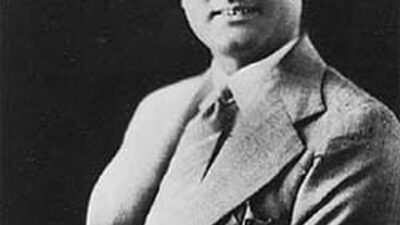
पंकज मलिक (1905-1978) प्रारंभिक भारतीय सिनेमा की उन दुर्लभ शख़्सियतों में से एक थे जो एक साथ अभिनेता, संगीत निर्देशक और गायक के रूप में उत्कृष्ट थे, और रवींद्र संगीत में गहराई से प्रशिक्षित थे।
अंग्रेज़ी में पढ़ें · Read in English
Pankaj Mullick (1905-1978) was one of the rare figures of early Indian cinema who excelled as actor, music director, and singer simultaneously, trained deeply in Rabindra Sangeet.
के.एल. सहगल का स्वास्थ्य 1940 के दशक की शुरुआत से ही दीर्घकालिक मद्यपान के कारण गंभीर रूप से बिगड़ रहा था; मेरी बहन जनवरी 1947 में 43 वर्ष की आयु में उनके निधन से पहले की उनकी अंतिम फ़िल्मों में से एक थी।
अंग्रेज़ी में पढ़ें · Read in English
K.L. Saigal's health was in serious decline from the early 1940s due to chronic alcoholism; Meri Bahen was among his final films before his death in January 1947 at age 43.
यह गीत कभी-कभी स्ट्रीट सिंगर (1938) के अलग से मौजूद गीत 'दो नैना मतवारे तिहारें' के साथ भ्रमित कर दिया जाता है — जो सहगल-मलिक का ही एक और सहयोग है — किंतु यह एक भिन्न रचना है।
अंग्रेज़ी में पढ़ें · Read in English
The song is sometimes confused with the separately existing 'Do Naina Matware Tiharein' from Street Singer (1938) — also a Saigal-Mullick collaboration — which is a distinct composition.
मेरी बहन का निर्माण करने वाली बॉम्बे टॉकीज़ की सह-स्थापना 1934 में हिमांशु राय और देविका रानी ने की थी, और यही वह स्टूडियो था जिसने अशोक कुमार, दिलीप कुमार और देव आनंद सहित अन्य कई सितारों के करियर की शुरुआत की।
अंग्रेज़ी में पढ़ें · Read in English
Bombay Talkies, which produced Meri Bahen, was co-founded in 1934 by Himanshu Rai and Devika Rani, and was the studio that launched the careers of Ashok Kumar, Dilip Kumar, and Dev Anand among others.
नमूना-पट्टी
The Specimen Table| शीर्षक | दो नैना मतवारे तिहारे · Do Naina Matware Tihare |
|---|---|
| फ़िल्म | मेरी बहन · 1944 |
| वर्ष · युग | 1944 |
| गायक | K.L. Saigal |
| गीतकार | Pandit Bhushan |
| संगीतकार | Pankaj Mullick |
| स्वरूप | एकल पुरुष |
| गति | धीमी |
| भाषा | hindi |
| भाव | उदास · पुरानी यादें · रोमांटिक |
| लोकप्रियता | Legendary |
| बोल-स्थिति | केवल झलक |
जुड़े हुए पन्ने
Connected Plates · The Graph Made Visibleअटलस में कोई पन्ना अकेला नहीं — इस गीत से जुड़े गीत, कलाकार, फ़िल्म, राग-ताल-विधा, सब यहाँ से खुलते हैं।
मिलते-जुलते गीत · Related Songs
कलाकार · The Artists
फ़िल्म · The Film
साझा कीजिए · Share this Plate