कहानियाँ विंग · कहानी · Music History · 1937
मुक्ति — बारुआ की त्रासदी और कानन देवी
Mukti — Barua's Tragedy and Kanan Devi
प्रकाशित21 June 2026
आमुख
बारुआ की त्रासद शैली, कानन देवी का सर्वश्रेष्ठ अभिनय, और असम के जंगलों में चलता कैमरा — न्यू थिएटर्स की 'मुक्ति' (1937), जिसने ग़ालिब की ग़ज़ल को परदे पर उतारा और भारतीय सिनेमा को आउटडोर शूटिंग का साहस सिखाया।
अंग्रेज़ी में पढ़ें · Read in English
Barua's tragic style, Kanan Devi's finest performance, and a camera moving through Assam's jungles — New Theatres' Mukti (1937), which brought Ghalib's ghazal to the screen and taught Indian cinema the nerve of outdoor shooting.
एक चित्रकार, एक धनी पत्नी
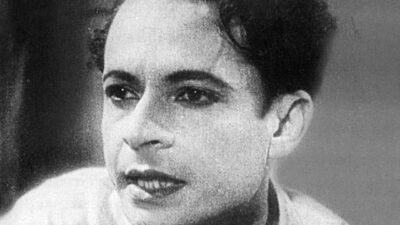
A painter, a wealthy wifeन्यू थिएटर्स की 'मुक्ति' (18 सितम्बर 1937) में प्रमथेश बारुआ ने प्रशांत को जिया — वह चित्रकार जो नारी-देह चित्रित करता है और गपशप की परवाह नहीं करता। कानन देवी की चित्रा उसकी धनी पत्नी है। दो जीवन-शैलियाँ टकराती हैं, विवाह बिखरता है, और प्रशांत असम के जंगलों की ओर निकल जाता है। बारुआ ने इसे लिखा भी, निर्देशित भी किया, और मुख्य भूमिका निभाई।
अंग्रेज़ी में पढ़ें · Read in English
In New Theatres' Mukti (18 September 1937), Pramathesh Barua played Prasanta — an artist who paints nude female forms and ignores the gossip. Kanan Devi's Chitra is his wealthy wife. Two lifestyles collide, the marriage falls apart, and Prasanta leaves for the jungles of Assam. Barua wrote it, directed it, and took the lead role himself.
जंगल में कैमरा — और बिमल रॉय
A camera in the jungle — and Bimal Roy'मुक्ति' का बड़ा हिस्सा असम के मनोरम बाहरी दृश्यों में फ़िल्माया गया — स्टूडियो की चहारदीवारी से बाहर निकलने का दुर्लभ साहस। छायांकन युवा बिमल रॉय का था, जो आगे चलकर महान निर्देशक बने। फ़िल्म व्यापक आउटडोर शूटिंग और लम्बे ट्रैकिंग शॉट्स का इस्तेमाल करने वाली आरम्भिक फ़िल्मों में गिनी जाती है।
अंग्रेज़ी में पढ़ें · Read in English
A large part of Mukti was shot in the scenic outdoors of Assam — a rare nerve for breaking out of the studio walls. The cinematography was by a young Bimal Roy, later a master director in his own right. The film is counted among the earliest to use extensive outdoor shooting and long tracking shots.
ग़ालिब परदे पर
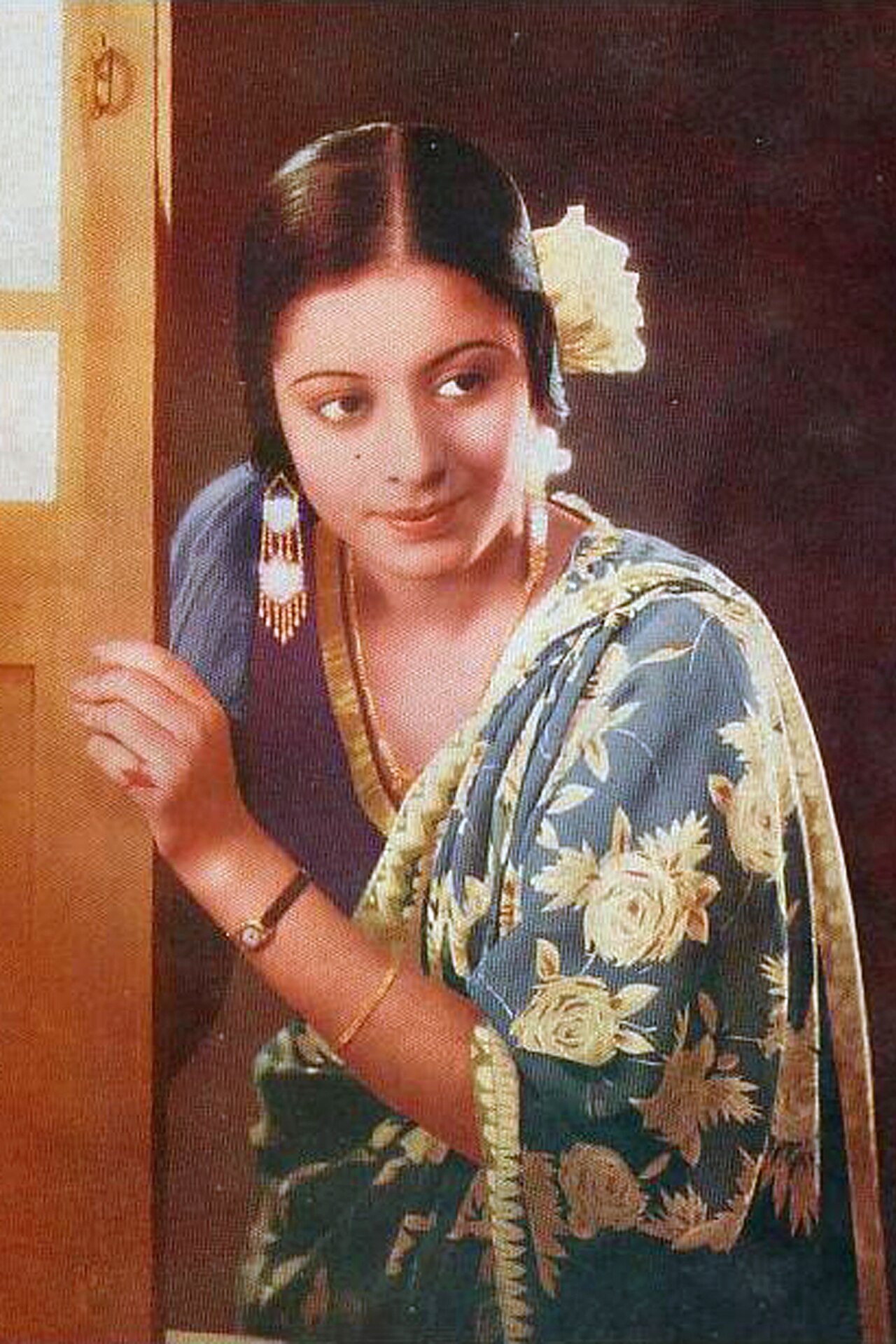
Ghalib on the screenसंगीत मुख्यतः पंकज मल्लिक का था, कुछ धुनें आर.सी. बोराल की। फ़िल्म ने मिर्ज़ा ग़ालिब की ग़ज़ल 'कोई उम्मीद बर नहीं आती' को परदे पर उतारा — हिन्दीगीतमाला के अनुसार इसे मेनका और पी.सी. बारुआ ने गाया, बोल ग़ालिब और आरज़ू लखनवी के। बंगाली संस्करण में रवीन्द्र संगीत भी शामिल था, जिसकी अनुमति पंकज मल्लिक ने स्वयं टैगोर से ली।
अंग्रेज़ी में पढ़ें · Read in English
The music was chiefly by Pankaj Mullick, with some tunes by R.C. Boral. The film brought Mirza Ghalib's ghazal 'Koi Ummeed Bar Nahi Aati' to the screen — per HindiGeetMala, sung by Menaka and P.C. Barua, to lyrics by Ghalib and Arzoo Lakhnavi. The Bengali version also carried Rabindra Sangeet, for which Pankaj Mullick took Tagore's own permission.
परिचय
IdentityEpithet
Assam's jungles, Ghalib's ghazal, and a marriage coming apart
अन्य विवरण
More DetailsKey Figures
कहानी-नमूना
The Story Specimen| शीर्षक | मुक्ति — बारुआ की त्रासदी और कानन देवी · Mukti — Barua's Tragedy and Kanan Devi |
|---|---|
| श्रेणी | Music History |
| प्रकार | विशेष लेख |
| प्रकाशित | 21 June 2026 — admin |
| वर्ष | 1937 |
और कहानियाँ
More Stories from the Atlas
साझा कीजिए · Share this Plate
यह पन्ना आगे बढ़ाइए
सवाल-जवाब
Questions & Answers'मुक्ति' (1937) का निर्देशन और निर्माण किसने किया? · Who directed and produced Mukti (1937)?
इसका निर्देशन प्रमथेश (पी.सी.) बारुआ ने किया, जो इसमें मुख्य भूमिका में भी थे; निर्माण न्यू थिएटर्स का था। छायांकन बिमल रॉय का और संगीत मुख्यतः पंकज मल्लिक का था।
It was directed by Pramathesh (P.C.) Barua, who also played the lead; it was produced by New Theatres. Cinematography was by Bimal Roy and the music chiefly by Pankaj Mullick.
'मुक्ति' को सिनेमाई इतिहास में ख़ास क्यों माना जाता है? · Why is Mukti considered notable in cinema history?
इसका बड़ा हिस्सा असम के बाहरी दृश्यों में फ़िल्माया गया, जिससे यह व्यापक आउटडोर शूटिंग की अग्रणी फ़िल्मों में गिनी जाती है; और इसने ग़ालिब की ग़ज़ल 'कोई उम्मीद बर नहीं आती' को परदे पर प्रस्तुत किया।
A large part of it was shot outdoors in Assam, making it one of the pioneering films for extensive outdoor shooting; and it brought Ghalib's ghazal 'Koi Ummeed Bar Nahi Aati' to the screen.