गीत विंग · गीत-पट्टिका · Song Plate
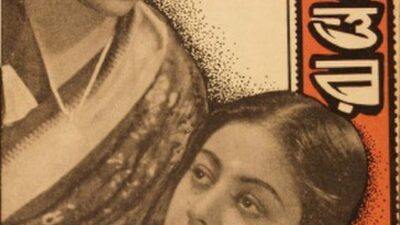
तूफ़ान मेल
Toofan Mail
भारतीय फ़िल्म संगीत के सबसे अविस्मरणीय रेल-गीतों में से एक — कानन देवी तूफ़ान मेल की लय पर सवार।
भावउत्सव · आनंदित · चुलबुला
भाषाhindi गतितेज़ स्वरूपएकल महिला
श्रेय
The Creditsसूत्र-वाक्य · The Hook
सूत्र-वाक्य
भारतीय फ़िल्म संगीत के सबसे अविस्मरणीय रेल-गीतों में से एक — कानन देवी तूफ़ान मेल की लय पर सवार।
In EnglishOne of the most unforgettable train songs in Indian film music — Kanan Devi rides the rhythm of the Toofan Mail.
पट्टिका-लेख
The Monographपरिचय Overview
'तूफ़ान मेल' जवाब की कोमल लोरी का चपल, गतिशील प्रतिरूप है — एक प्रसिद्ध 'रेल-गीत' जिसमें कानन देवी एक्सप्रेस की बढ़ती गति पर सवार होती हैं। आरंभिक हिंदी सिनेमा के सबसे विशिष्ट रेल-विषयक गीतों में से एक के रूप में लंबे समय से याद किया जाने वाला यह गीत रेल की आधुनिक, बेचैन ऊर्जा को एक भागती ज़िंदगी के रूपक के रूप में पकड़ता है।
अंग्रेज़ी में पढ़ें · Read in English
'Toofan Mail' is the sprightly, propulsive counterpart to Jawab's gentle lullaby — a celebrated 'train song' in which Kanan Devi rides the gathering momentum of the express. Long remembered as one of the most distinctive train-themed numbers in early Hindi cinema, it captures the modern, restless energy of the railway as metaphor for a hurtling life.
संगीत The Music
कमल दासगुप्ता इस गीत को एक तेज़, गतिमान लय में स्वरबद्ध करते हैं, जिसमें ताल (तबला और ढोलक) रेल की छुक-छुक और खटखट की नक़ल करता है — 'लय-को-रेल' बनाने की उस ध्वन्यात्मक युक्ति का आरंभिक उदाहरण जिसे हिंदी फ़िल्म संगीतकार बाद में फिर अपनाएँगे। यह तेज़ धड़कन फ़िल्म के धीमे गीतों के मुक़ाबले दासगुप्ता की विविधता का सोचा-समझा प्रदर्शन है।
अंग्रेज़ी में पढ़ें · Read in English
Kamal Dasgupta scores the song at a brisk, driving tempo, with percussion (tabla and dholak) mimicking the chug-and-clatter of the train — an early example of the onomatopoeic 'rhythm-as-locomotive' device that Hindi film composers would later revisit. The fast pulse is a deliberate showcase of Dasgupta's range against the film's slower numbers.
काव्य The Poetry
पूरा शीर्षक 'ये दुनिया तूफ़ान मेल' तुरंत गीत का स्वर तय कर देता है: यह कोई यात्रा-गीत नहीं, दार्शनिक गीत है, जो एक्सप्रेस ट्रेन का इस्तेमाल दुनिया की अनियंत्रित गति के रूपक के रूप में करता है। 1940 के दशक की भारतीय कल्पना में रेलें आधुनिकता की स्वयं थीं — विशाल, शक्तिशाली, यात्री की इच्छाओं के प्रति उदासीन। माधुर की कल्पना सटीक है: दुनिया दुख या आशा के लिए नहीं रुकती; तूफ़ान मेल की तरह आगे बढ़ती रहती है। यह वैदांतिक विचार का धर्मनिरपेक्ष संस्करण है कि घटनात्मक दुनिया अनवरत अनित्य गति में है। गीत 'तूफ़ान' शब्द की ध्वन्यात्मक क्षमता का उपयोग करता है — व्यंजन-समूह हवा और धातु की गति की नक़ल करता है।
अंग्रेज़ी में पढ़ें · Read in English
The full title 'Ye Duniya Toofan Mail' (This World is the Toofan Mail) immediately identifies the lyric's register: not a travel song but a philosophical one, using the express train as a metaphor for the world's uncontrollable speed. In the 1940s Indian imagination, the railways were modernity itself — vast, powerful, indifferent to the passenger's wishes. Madhur's conceit is precise: the world does not stop for grief or hope; like the Toofan Mail (Storm Express), it hurtles onward. This is a secular version of the Vedantic idea that the phenomenal world is in constant impermanent motion. The lyric deploys the onomatopoeic potential of the word 'toofan' (storm) — the consonant cluster mimics the rush of air and metal. The train song as a secular-philosophical form was new in Hindi film music in 1942, and Madhur's contribution is to use it not for romance or celebration but as an image of existential urgency.
कहानी The Story
जवाब (1942) — कानन देवी और पी.सी. बरुआ अभिनीत न्यू थिएटर्स का निर्माण — ने जानबूझकर अपनी संगीत-पट्टी को दो ध्रुवों के इर्द-गिर्द बनाया: तेज़, ताल-प्रधान 'तूफ़ान मेल' और धीमी, शांत लोरी 'ऐ चाँद छुप न जाना'। कमल दासगुप्ता ने 'तूफ़ान मेल' को एक गतिशील लय में स्वरबद्ध किया, जिसमें तबला और ढोलक इंजन की लय की नक़ल करते हैं — हिंदी फ़िल्म संगीत में ध्वन्यात्मक ताल-व्यवस्था के सबसे आरंभिक प्रलेखित उदाहरणों में से एक। कानन देवी की आवाज़, कलकत्ता की उप-शास्त्रीय और ठुमरी परंपरा में प्रशिक्षित, तेज़-गति की स्टैकेटो माँगों को उसी नियंत्रित प्रभुत्व के साथ संभालती है जो उन्होंने लोरी में दिखाई।
अंग्रेज़ी में पढ़ें · Read in English
Jawab (1942) — the New Theatres production starring Kanan Devi and P.C. Barua — deliberately constructed its soundtrack around two poles: the fast, percussive 'Toofan Mail' and the slow, hushed lullaby 'Aye Chand Chup Na Jana'. Kamal Dasgupta scored 'Toofan Mail' at a driving tempo, with tabla and dholak mimicking the locomotive's rhythm in what is one of the earliest documented examples of onomatopoeic percussion arrangement in Hindi film music. Kanan Devi's voice, trained in the Calcutta semi-classical and thumri tradition, negotiated the staccato demands of the fast-paced number with the same controlled authority she brought to the lullaby — a demonstration of vocal range that was widely noted at the time and helped consolidate her position as New Theatres' leading female star.
विरासत The Legacy
'तूफ़ान मेल' हिंदी फ़िल्म संगीत के सबसे आरंभिक और सबसे औपचारिक रूप से स्वतः-जागरूक 'रेल-गीतों' में से एक है — एक विधा जो आगामी दशकों में फैली ('चलती का नाम गाड़ी', 1958; 'गंगा जमुना', 1961; और अन्य कई)। इस मूल को जो अलग करता है वह उसका दार्शनिक बनाम केवल उत्सवपूर्ण आशय है: ट्रेन उत्तेजना या रोमांस का प्रतीक नहीं है बल्कि दुनिया की उदासीन गति की। कमल दासगुप्ता की ताल-अनुकृति व्यवस्था ने एक ध्वनि-साँचा स्थापित किया जिसे बाद के संगीतकार रेल-गीत विधा में पुनः उपयोग करेंगे।
अंग्रेज़ी में पढ़ें · Read in English
'Toofan Mail' stands as one of the earliest and most formally self-aware 'train songs' in Hindi film music — a genre that would proliferate through the following decades (Chalti Ka Naam Gaadi, 1958; Ganga Jamuna, 1961; and many others). What distinguishes this original is its philosophical rather than merely celebratory intent: the train is not a symbol of excitement or romance but of the world's indifferent speed. Kamal Dasgupta's percussion-mimicry arrangement established a sonic template that later composers working in the train-song genre would revisit. Kanan Devi's performance is also one of the earliest documented instances of a classically trained female voice taking command of fast, staccato Hindi film material — a technical challenge that her successors, from Shamshad Begum to Geeta Dutt, would meet with different vocal instruments.
वर्गीकरण
Classification- Tempo
- Fast
Genre
अन्य विवरण
More Details- https://www.hindigeetmala.net/movie/jawab.htm
- https://bharatlyrics.com/ye-duniya-toofan-mail-lyrics/
- http://cinemacorridor.blogspot.com/2009/10/music-of-kamal-dasgupta.html
References
रोचक तथ्य
Margin Notesगीत का पूरा शीर्षक 'ये दुनिया तूफ़ान मेल' है — 'यह संसार तूफ़ान मेल है' — जो इस विधा की यात्रा-गीत की सामान्य अपेक्षा को उलट देता है और रेलगाड़ी का प्रयोग रोमांस के वाहन के रूप में नहीं, बल्कि जीवन की अनवरत आगे बढ़ती गति के रूपक के रूप में करता है।
अंग्रेज़ी में पढ़ें · Read in English
The full title of the song is 'Ye Duniya Toofan Mail' — 'this world is the Storm Express' — turning the genre's travel-song expectation on its head and using the locomotive as a metaphor for life's relentless forward motion, not as a vehicle for romance.
जवाब (1942) को जानबूझकर दो विपरीत गीतों के इर्द-गिर्द रचा गया था, जो कानन देवी की आवाज़ के भावनात्मक दायरे को समेटते थे: तेज़-गति वाला 'तूफ़ान मेल' और धीमा, पालने जैसा 'ऐ चाँद छुप न जाना' — यह एक ही हिंदी फ़िल्म साउंडट्रैक के भीतर रचित स्वर-विरोधाभास के सबसे शुरुआती उदाहरणों में से एक है।
अंग्रेज़ी में पढ़ें · Read in English
Jawab (1942) was deliberately composed around two contrasting songs that bracket the emotional range of Kanan Devi's voice: the driving fast-tempo 'Toofan Mail' and the slow, cradling 'Aye Chand Chup Na Jana' — one of the earliest examples of scored tonal contrast within a single Hindi film soundtrack.
'तूफ़ान मेल' के लिए कमल दासगुप्ता की तालवाद्य-रचना — जिसमें तबला और ढोलक रेलगाड़ी की लय की नक़ल करते हैं — हिंदी फ़िल्म संगीत में विशुद्ध लयबद्ध सहायता के बजाय एक कथात्मक युक्ति के रूप में प्रयुक्त अनुकरणात्मक-ध्वनि तालवाद्य के सबसे शुरुआती दर्ज़ उदाहरणों में से एक है।
अंग्रेज़ी में पढ़ें · Read in English
Kamal Dasgupta's percussion arrangement for 'Toofan Mail' — with tabla and dholak mimicking the locomotive's rhythm — is among the earliest documented instances of onomatopoeic percussion deployed as narrative device rather than purely rhythmic support in Hindi film music.
कानन देवी के न्यू थिएटर्स अनुबंध ने उन्हें उस दौर के लिए असामान्य रचनात्मक स्वतंत्रता दी; जवाब (1942) उन कई प्रस्तुतियों में से एक थी, जिनमें उन्होंने प्रभावी रूप से संगीत-सामग्री के चयन में सह-भूमिका निभाई, और एक ही फ़िल्म में लोरी और रेल-गीत दोनों को साधने की उनकी ज़िद स्वयं में उनकी स्वर-क्षमता के बारे में एक वक्तव्य थी।
अंग्रेज़ी में पढ़ें · Read in English
Kanan Devi's New Theatres contract gave her creative latitude unusual for the era; Jawab (1942) was one of several productions in which she effectively co-curated the musical material, and her insistence on tackling both lullaby and train-song within the same film was itself a statement about her vocal range.
नमूना-पट्टी
The Specimen Table| शीर्षक | तूफ़ान मेल · Toofan Mail |
|---|---|
| फ़िल्म | जवाब · 1942 |
| वर्ष · युग | 1942 |
| गायक | Kanan Devi |
| गीतकार | Pandit Madhur |
| संगीतकार | Kamal Dasgupta |
| स्वरूप | एकल महिला |
| गति | तेज़ |
| भाषा | hindi |
| भाव | उत्सव · आनंदित · चुलबुला |
| लोकप्रियता | Very_popular |
| बोल-स्थिति | केवल झलक |
जुड़े हुए पन्ने
Connected Plates · The Graph Made Visibleअटलस में कोई पन्ना अकेला नहीं — इस गीत से जुड़े गीत, कलाकार, फ़िल्म, राग-ताल-विधा, सब यहाँ से खुलते हैं।
मिलते-जुलते गीत · Related Songs
कलाकार · The Artists
फ़िल्म · The Film
साझा कीजिए · Share this Plate