गीत विंग · गीत-पट्टिका · Song Plate
तेरी कटीली निगाहों ने मारा
Teri Kateelee Nigaahon Ne Maara
प्रिय की कातिल निगाह — ज़ुबैदा ने 1931 में भारत के पहले बोलते परदे पर यह सजीव गाया, और अब वह आवाज़ सदा के लिए ख़ामोश है।
भावमीठा-कड़वा · उदास · रोमांटिक
भाषाUrdu · Hindi
श्रेय
The Creditsबोल · The Lyrics
पूरे बोल · Full Lyrics
शब्दकोश
Word Meaningsसूत्र-वाक्य · The Hook
सूत्र-वाक्य
प्रिय की कातिल निगाह — ज़ुबैदा ने 1931 में भारत के पहले बोलते परदे पर यह सजीव गाया, और अब वह आवाज़ सदा के लिए ख़ामोश है।
In EnglishA killing glance from the beloved — sung live by Zubeida on India's first talking screen in 1931, now silent forever.
पट्टिका-लेख
The Monographपरिचय Overview
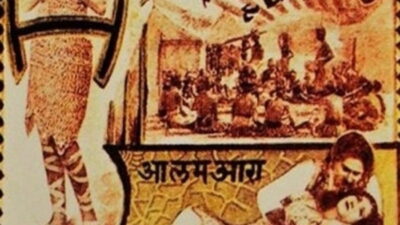
'तेरी कटीली निगाहों ने मारा' भारत की पहली सवाक् फ़िल्म आलम आरा (1931) के सात गीतों में से एक है। नायिका ज़ुबैदा को दिया गया यह गीत उस शायरी-गीत की अनंत विधा से आता है जिसमें प्रिय की आँख प्रेम का स्रोत भी होती है और आशिक़ के विनाश का माध्यम भी — हिंदी फ़िल्म-संगीत का एक मूलभूत भाव, यहाँ अपने आरंभिक परदे-रूप में।
अंग्रेज़ी में पढ़ें · Read in English
'Teri Kateelee Nigaahon Ne Maara' is one of the seven songs of Alam Ara (1931), India's first sound film. Attributed to Zubeida, the film's lead actress, it belongs to the timeless genre of the shayari-geet in which the beloved's eye is both the source of love and the agent of the lover's annihilation — one of Hindi film music's foundational tropes, appearing here in its earliest on-screen incarnation.
संगीत The Music
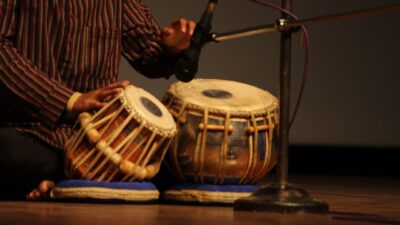
फ़िरोज़शाह मिस्त्री ने यह गीत आरंभिक टॉकी की तकनीकी सीमाओं के भीतर रचा: हारमोनियम और तबला एकमात्र कंडेन्सर माइक्रोफ़ोन की पकड़ में आने के लिए काफ़ी पास रखे जाने थे, पर फ़्रेम में न दिखें इसका भी ध्यान रखना था। पारसी-रंगमंच की गायन-और-संवाद परम्परा में तैयार ज़ुबैदा को यह गीत उस सीने की गहरी आवाज़ से गाना था जो उस युग में ज़रूरी थी — 1931 के सिनेमाघरों में कृत्रिम प्रवर्धन का कोई साधन नहीं था, और कलाकार की प्राकृतिक आवाज़ की भावनात्मक क्षमता सर्वोपरि थी। निगाह-गीत प्रकार में प्रायः चपल, अर्ध-शास्त्रीय धुन होती थी जो प्रिय की त्वरित, अनिश्चित दृष्टि के भाव को प्रतिबिम्बित करती।
अंग्रेज़ी में पढ़ें · Read in English
Ferozshah Mistri set this song for Alam Ara under the technical constraints of the early talkie: the harmonium and tabla had to be close enough for the single condenser microphone to capture them, yet positioned so they would not appear in frame. Zubeida, trained in the Parsi-theatre tradition of song-and-speech performance, would have delivered this with the chest-voice projection that the era demanded — there were no artificial amplification means in 1931 exhibition halls, and the emotional carrying power of a performer's natural voice was paramount. The nigaah (glance) songs of this type typically used a nimble, semi-classical melody to mirror the quick, elusive quality of the beloved's gaze.
काव्य The Poetry
कटीली निगाह — काँटे-सी तीखी नज़र — उर्दू काव्य की सबसे प्रिय कल्पनाओं में से एक है, जो मध्यकालीन शास्त्रीय शायरी से होते हुए पूरे पारसी-रंगमंच और फिर आरंभिक टॉकी तक चली आई। उर्दू रंगमंच-काव्य की परम्पराओं में काम करते जोसेफ़ डेविड के पास उन छवियों का तैयार भंडार था जिनमें प्रिय की आँखें एक साथ तीर, तलवार, नशा और जल्लाद होती हैं। 'ने मारा' — ने मार डाला — आशिक़ को बिल्कुल लाचार शिकार की जगह पर रखता है, ग़ज़ल और गीत परम्पराओं में आशिक़ की परम्परागत भूमिका। कि यही भाव भारतीय सिनेमा के पहले प्रेम-गीत का भाव था, यह उर्दू रंगमंच और नए माध्यम के बीच सांस्कृतिक निरन्तरता के बारे में बहुत कुछ कहता है।
अंग्रेज़ी में पढ़ें · Read in English
Kateeli nigaah — the thorn-sharp glance — is one of Urdu poetry's most beloved conceits, running from medieval classical verse through the entire Parsi-theatre repertoire into the early talkie era. Joseph David, working within the conventions of Urdu stage poetry, drew on a ready stock of imagery in which the beloved's eyes are at once arrows, swords, intoxicants, and executioners. 'Ne maara' — has slain me — positions the lover as utterly helpless victim, the conventional masochistic stance of the ashiq in the ghazal and geet traditions. That this idiom was the first love-song idiom of Indian cinema says much about the cultural continuity between the Urdu stage and the new medium.
कहानी The Story
ज़ुबैदा ने आलम आरा की भूमिका निभाई — वह राजकुमारी जो बंजारों के बीच पली और अंततः अपना सिंहासन और अपना प्रेम वापस पाती है। किसी निगाह की छेदती शक्ति का गीत सबसे स्वाभाविक रूप से आलम आरा और उसके प्रेमी के बीच किसी रोमांटिक मुलाक़ात से जुड़ा होगा — शायद उनकी पहली मुलाक़ात, जब नियति के प्रेम की आपसी पहचान कथा का केंद्रीय मोड़ था। पारसी-रंगमंच की परम्परा में ऐसे नज़रबाज़ी के गीत ठीक रोमांटिक कथानक के उस जोड़ पर रखे जाते थे: वह क्षण जब नायक-नायिका की आँखें मिलती हैं और भाग्य तय हो जाता है।
अंग्रेज़ी में पढ़ें · Read in English
Zubeida played Alam Ara, the princess raised among nomads who eventually reclaims her throne and her love. A song about the power of a glance to wound and enslave would most naturally belong to a romantic encounter between Alam Ara and her love interest — perhaps their first meeting, when the mutual recognition of destined love was the narrative pivot. In Parsi-theatre convention, such songs of the eye-meeting (nazarbaazi) were placed precisely at the hinge of romantic plots: the moment the protagonists' eyes meet and destiny seals.
विरासत The Legacy
इस गीत के पहले शब्द की कटीली-निगाह छवि हिंदी फ़िल्म गीत की पीढ़ियों को आकार देने वाली थी — 1940 के अर्ध-शास्त्रीय रचनाओं से लेकर 1960 के स्वर्णिम युग और आगे तक। इस शीर्षक-पंक्ति में कोई एक पूरी परम्परा का भ्रूण सुन सकता है: प्रिय की निगाह प्रेम-कथा की मूल घटना के रूप में, जिससे सारी हास्य, त्रासदी और निर्णय की धाराएँ बहती हैं। कि इस भाव का भारतीय सिनेमा में पहला प्रयोग 1931 में बम्बई के एक सेट पर, बिना तकनीक के, सजीव गाया गया — और अब बिल्कुल खो गया — इसे विशेष करुणा की एक कलाकृति बनाता है।
अंग्रेज़ी में पढ़ें · Read in English
The kateeli nigaah conceit that opens this song would go on to shape generations of Hindi film lyrics — from 1940s semi-classical compositions through to the 1960s golden era and beyond. In hearing this title line, one hears the embryo of an entire tradition: the beloved's glance as the primal event of the love narrative, from which all comedy, tragedy, and resolution flow. That the first use of this trope in Indian cinema was sung live, without technology, on a set in Bombay in 1931, and is now utterly lost, makes it an artefact of particular poignancy.
वर्गीकरण
ClassificationGenre
अन्य विवरण
More Details- Alam Ara — Wikipedia (soundtrack listing)
References
रोचक तथ्य
Margin Notesज़ुबैदा (1906–1990) आलम आरा से पहले भारतीय मूक सिनेमा की सबसे बड़ी सितारों में थीं। उनका करियर मूक और सवाक् दोनों युगों में फैला था, और कैमरे पर ख़ुद गाने की उनकी तत्परता आलम आरा को संभव बनाने में अनिवार्य थी।
अंग्रेज़ी में पढ़ें · Read in English
Zubeida (1906–1990) was one of the biggest stars of silent Indian cinema before Alam Ara. Her career bridged the silent and talkie eras, and her willingness to sing her own songs on camera was essential to making Alam Ara possible.
निगाह (नज़र) प्रेम की शुरुआती घटना के रूप में फ़ारसी, उर्दू और हिंदी काव्य-परम्परा की सबसे पुरानी कल्पनाओं में से एक है — 'तेरी कटीली निगाहों ने मारा' इसे भारतीय सवाक् सिनेमा के शाब्दिक आरंभ में रखता है।
अंग्रेज़ी में पढ़ें · Read in English
The nigaah (glance) as the initiating event of love is one of the oldest conceits in Persian, Urdu, and Hindi poetic tradition — 'Teri kateelee nigaahon ne maara' places it at the literal beginning of Indian sound cinema.
नमूना-पट्टी
The Specimen Table| शीर्षक | तेरी कटीली निगाहों ने मारा · Teri Kateelee Nigaahon Ne Maara |
|---|---|
| फ़िल्म | आलम आरा · 1931 |
| वर्ष · युग | 1931 — Early Talkie Era |
| गायक | Zubeida |
| गीतकार | Joseph David |
| संगीतकार | Ferozshah M. Mistri |
| भाषा | Urdu · Hindi |
| वाद्य | harmonium · tabla |
| भाव | मीठा-कड़वा · उदास · रोमांटिक |
| बोल-स्थिति | सार्वजनिक |
जुड़े हुए पन्ने
Connected Plates · The Graph Made Visibleअटलस में कोई पन्ना अकेला नहीं — इस गीत से जुड़े गीत, कलाकार, फ़िल्म, राग-ताल-विधा, सब यहाँ से खुलते हैं।
मिलते-जुलते गीत · Related Songs
कलाकार · The Artists
फ़िल्म · The Film
साझा कीजिए · Share this Plate