गीत विंग · गीत-पट्टिका · Song Plate
सो जा राजकुमारी
So Ja Rajkumari
सहगल एक बच्चे को लोरी सुनाते हैं — और एक पीढ़ी को अपनी बाँहों में ले लेते हैं।
भावउदास · पुरानी यादें · शांत
भाषाhindi-urdu गतिअति विलंबित स्वरूपएकल पुरुष
श्रेय
The Creditsबोल · The Lyrics
पूरे बोल · Full Lyrics
कोई न आएगा, कोई न जाएगा।
koi na aayega, koi na jaayega.
सूत्र-वाक्य · The Hook
सूत्र-वाक्य
सहगल एक बच्चे को लोरी सुनाते हैं — और एक पीढ़ी को अपनी बाँहों में ले लेते हैं।
In EnglishSaigal sings a child to sleep — and puts a generation in his arms.
पट्टिका-लेख
The Monographपरिचय Overview
1940 की न्यू थिएटर्स ड्रामा 'ज़िंदगी' में के.एल. सहगल की लोरी 'सो जा राजकुमारी' हिंदी सिनेमा के सबसे प्रिय गीतों में से एक बन गई — नींद के लिए एक धीमी, हृदयविदारक अर्ज़ जो सहगल की आवाज़ की सारी कोमलता और उदासी अपने भीतर समेटे है। पंकज मलिक की सादी बंदिश — बमुश्किल तार और तबले से अधिक — आवाज़ को लगभग असहनीय अंतरंगता के केंद्र में रखती है। गीत सिनेमा से पार होकर उत्तर भारत के घरों और नर्सरियों में उतर गया, इसकी सिनेमाई उत्पत्ति आधी भूली हुई जब यह लोक-भंडार में शामिल हो गई।
अंग्रेज़ी में पढ़ें · Read in English
In the 1940 New Theatres drama Zindagi, K.L. Saigal's lullaby 'So Ja Rajkumari' became one of Hindi cinema's most beloved songs — a slow, heartbreaking plea for sleep that carries beneath it all the tenderness and melancholy of Saigal's voice at its most unguarded. Pankaj Mullick's spare arrangement — barely more than strings and tabla — places the voice at the centre of an almost unbearable intimacy. The song crossed from cinema into nurseries and households across North India, its origin half-forgotten as it passed into the folk repertoire.
संगीत The Music
मलिक का संगीत-संयोजन सब कुछ हटा देता है — प्रमुख बनावट सहगल की आवाज़ के नीचे पियानिसिमो में तारों की निरंतर धारा है, तबला न्यूनतम लयात्मक संकेत प्रदान करता है। राग का नाम नहीं रखा गया, लेकिन धुन की चाल भैरवी की उतरती उदासी का संकेत देती है। सहगल अपनी विशिष्ट अर्ध-आवाज़ में गाते हैं — किसी बहुत छोटे और बहुत प्रिय के लिए बोलने वाले व्यक्ति की आवाज़।
अंग्रेज़ी में पढ़ें · Read in English
Mullick's scoring strips everything away — the dominant texture is sustained strings pianissimo beneath Saigal's voice, with tabla providing the barest rhythmic suggestion. The raga is never named but the melodic movement suggests Bhairavi's descending melancholy. Saigal sings in his characteristic half-voice, the sound of a man addressing someone very small and very dear.
काव्य The Poetry
गीत शास्त्रीय लोरी की परंपरा में रहता है — सोते बच्चे को संबोधन, शांति का आह्वान — लेकिन इसे एक मौन उदासी से रंग देता है जो सतही सांत्वना से गहरी है। 'राजकुमारी' का संबोधन व्यक्तिगत लाड़ का भार रखता है।
अंग्रेज़ी में पढ़ें · Read in English
The lyric inhabits the genre of the classical lullaby — address to a sleeping child, invocation of peace — but colours it with a quiet sorrow that runs deeper than the surface comfort. The address 'Rajkumari' (little princess) has the weight of personal endearment.
कहानी The Story
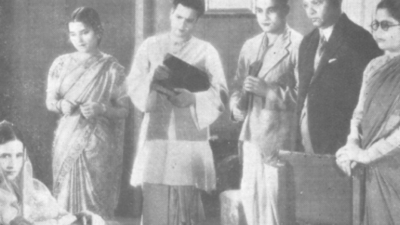
ज़िंदगी में वह दृश्य जिसमें सहगल यह लोरी गाते हैं, स्वाधीनता-पूर्व काल में भावनात्मक फ़िल्म-निर्माण के सबसे शुद्ध क्षणों में से एक है — कैमरा और गीत दोनों बिल्कुल स्थिर, मानो बच्चे को जगाने से डरते हों।
अंग्रेज़ी में पढ़ें · Read in English
The scene in Zindagi in which Saigal sings this lullaby is one of the purest moments of emotional filmmaking in the pre-independence era — the camera and the song both utterly still, as if afraid to disturb the child.
विरासत The Legacy
यह लोरी अपने फ़िल्मी संदर्भ से अलग होकर भारतीय घरेलू जीवन में प्रवेश कर गई, उन माँओं द्वारा गाई जाती रही जिन्होंने शायद कभी ज़िंदगी नहीं देखी। यह उन चंद स्वाधीनता-पूर्व फ़िल्म-गीतों में है जो सच में लोक-संपदा बने।
अंग्रेज़ी में पढ़ें · Read in English
The lullaby detached from its film context and entered Indian domestic life, sung by mothers who may never have seen Zindagi. It is among the handful of pre-independence film songs that truly became folk property.
वर्गीकरण
Classification- Tempo
- Very Slow
Genre
अन्य विवरण
More Details- Zindagi (1940) — New Theatres, directed P.C. Barua; Wikipedia EN
- K.L. Saigal — Wikipedia EN; published biography by Pran Nevile
- Lata Mangeshkar — published interviews acknowledging Saigal influence
- All India Radio programming history, 1940s
References
रोचक तथ्य
Margin Notesज़िंदगी (1940) का निर्देशन पी.सी. बरुआ ने किया था — वही निर्देशक जिन्होंने सहगल के साथ देवदास (1935) बनाई थी — और यह सहगल के 1941 में कलकत्ता से बंबई जाने से पहले सहगल-मलिक की आख़िरी बड़ी संयुक्त प्रस्तुतियों में से एक थी।
अंग्रेज़ी में पढ़ें · Read in English
Zindagi (1940) was directed by P.C. Barua — the same director who made Devdas (1935) with Saigal — and was one of the last major Saigal-Mullick collaborations before Saigal moved from Calcutta to Bombay in 1941.
यह लोरी अपने फ़िल्मी संदर्भ से इतनी पूरी तरह अलग हो गई कि इसे ऑल इंडिया रेडियो पर एक स्वतंत्र भजन-लोरी के रूप में नियमित रूप से प्रसारित किया जाने लगा — यह उन गिने-चुने स्वतंत्रता-पूर्व फ़िल्मी गीतों में से एक है जो अपनी फ़िल्मी पहचान खोकर भी रेडियो के नियमित कार्यक्रम का हिस्सा बन गए।
अंग्रेज़ी में पढ़ें · Read in English
The lullaby detached from its film context so completely that it was broadcast regularly on All India Radio as a standalone bhajan-lullaby — one of a small number of pre-independence film songs that became standard radio programming without retaining their film identity.
गीतकार पंडित मधुर, न्यू थिएटर्स के उन स्टाफ लेखकों में से थे जिन्होंने कई फ़िल्मों पर बिना किसी विशेष श्रेय के काम किया; प्रकाशित स्रोतों में उनके निधन का वर्ष अभी तक अपुष्ट है, जिस कारण पूर्ण गीत-बोल कॉपीराइट की दृष्टि से अनिश्चित श्रेणी में आते हैं।
अंग्रेज़ी में पढ़ें · Read in English
Pandit Madhur, the lyricist, was one of the New Theatres staff writers who worked without prominent credit on many productions; his death year remains unverified in published sources, which places full lyrics in copyright-uncertain territory.
सहगल की विशिष्ट 'अर्ध-स्वर' तकनीक — कम आवाज़ में और स्वर को थोड़ा हल्का करके गाना — इस लोरी में विशेष रूप से स्पष्ट है, जहाँ यह तकनीकी प्रभाव नाटकीय संदर्भ से पूरी तरह मेल खाता है: एक व्यक्ति जो सोए हुए बच्चे को जगाने से बच रहा है।
अंग्रेज़ी में पढ़ें · Read in English
Saigal's characteristic 'half-voice' technique — singing at reduced volume with a slight thinning of tone — is especially pronounced in this lullaby, where the technical effect matches the dramatic context: a man trying not to wake a sleeping child.
यह गीत उन गीतों में से एक है जिनका उल्लेख लता मंगेशकर ने साक्षात्कारों में सहगल की उन रिकॉर्डिंग्स के रूप में किया है जिन्हें उन्होंने बचपन में इंदौर में बार-बार सुना था, जहाँ द्वितीय विश्व युद्ध द्वारा व्यावसायिक संगीत वितरण बाधित होने से पहले उनके रिकॉर्ड्स व्यापक रूप से प्रचलित थे।
अंग्रेज़ी में पढ़ें · Read in English
The song is among those cited by Lata Mangeshkar in interviews as a Saigal recording she heard repeatedly in childhood in Indore, where his records circulated widely before the Second World War interrupted commercial music distribution.
नमूना-पट्टी
The Specimen Table| शीर्षक | सो जा राजकुमारी · So Ja Rajkumari |
|---|---|
| फ़िल्म | ज़िंदगी · 1940 |
| वर्ष · युग | 1940 |
| गायक | K.L. Saigal |
| गीतकार | Pandit Madhur |
| संगीतकार | Pankaj Mullick |
| स्वरूप | एकल पुरुष |
| गति | अति विलंबित |
| भाषा | hindi-urdu |
| भाव | उदास · पुरानी यादें · शांत |
| लोकप्रियता | Very_popular |
| बोल-स्थिति | सार्वजनिक |
जुड़े हुए पन्ने
Connected Plates · The Graph Made Visibleअटलस में कोई पन्ना अकेला नहीं — इस गीत से जुड़े गीत, कलाकार, फ़िल्म, राग-ताल-विधा, सब यहाँ से खुलते हैं।
मिलते-जुलते गीत · Related Songs
कलाकार · The Artists
फ़िल्म · The Film
साझा कीजिए · Share this Plate