गीत विंग · गीत-पट्टिका · Song Plate
पुंडे जातो पुंडे जातो
Punde Jaato Punde Jaato
पागनीस पंढरपुर को प्रभात के परदे पर ले आते हैं — वारकरी तीर्थयात्रा जो सिनेमा बन गई।
भावभक्ति · शांत · आध्यात्मिक
भाषाmarathi-hindi गतिधीमी स्वरूपएकल पुरुष
श्रेय
The Creditsबोल · The Lyrics
पूरे बोल · Full Lyrics
आनंदाचे डोही आनंद तरंग, आनंदची अंग आनंद रंग।
Aanandaache dohi aanand tarang, aanandachi ang aanand rang.
सूत्र-वाक्य · The Hook
सूत्र-वाक्य
पागनीस पंढरपुर को प्रभात के परदे पर ले आते हैं — वारकरी तीर्थयात्रा जो सिनेमा बन गई।
In EnglishPagnis carries Pandharpura itself onto the Prabhat screen — the Warkari pilgrimage made cinema.
पट्टिका-लेख
The Monographपरिचय Overview
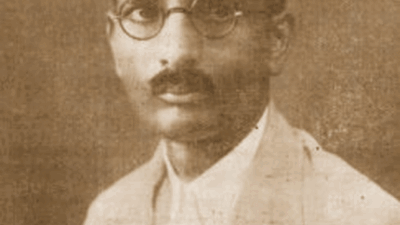
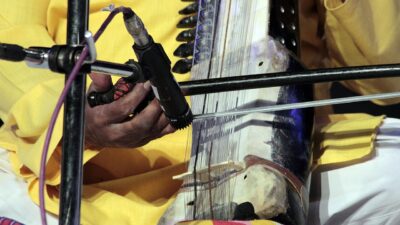
वारकरी तीर्थयात्रा गीत सर्वोत्कृष्ट — 'पुंडे जातो' (मैं पंढरपुर जाता हूँ) संत परंपरा के सर्वाधिक पहचाने जाने वाले अभंगों में से एक है, स्वयं ज्ञानेश्वर को जिम्मेदार ठहराया गया। प्रभात के 'संत ज्ञानेश्वर' (1940) में विष्णुपंत पागनीस इसे संत के किरदार में गाते हैं — लेकिन एक भक्त के रूप में भी, क्योंकि इस फ़िल्म तक पागनीस और वारकरी परंपरा के बीच की पहचान अब नाटकीय नहीं रही थी। केशवराव भोले का संयोजन न्यूनतम है: झाँझ, हारमोनियम स्वर-आधार, तबला — वास्तविक वारी तीर्थयात्रा की ध्वनि-संगत न कि स्टूडियो का उसका विचार। परिणाम भक्ति फ़िल्म की परंपराओं के भीतर काम करते हुए भी अपनी अंतरंगता में वृत्तचित्र-जैसा है।
अंग्रेज़ी में पढ़ें · Read in English
The Warkari pilgrimage song par excellence — 'Punde Jaato' (I go to Pandharpur) is one of the most recognisable abhangas of the sant tradition, attributed to Dnyaneshwar himself. In Prabhat's Sant Dnyaneshwar (1940), Vishnupant Pagnis sings it in the character of the saint — but also as himself, a devotee, since the identification between Pagnis and the Warkari tradition was no longer theatrical by this film. Keshavrao Bhole's arrangement is minimalist: cymbals, harmonium drone, tabla — the sonic accompaniment of the actual Wari pilgrimage rather than a studio's idea of it. The result is documentary in its intimacy, even as it operates within the conventions of devotional film.
संगीत The Music
भोले मूलगामी सरलता का एक संयोजन-चुनाव करते हैं: धुन मराठी अभंग मात्रा (4-4-4-2 अक्षर संरचना) की प्राकृतिक वाक्-लय का अनुसरण करती है। कोई अलंकरण नहीं — प्रत्येक अक्षर को उसका सटीक स्वर-मूल्य दिया गया है और अधिक नहीं। परिणाम अनिवार्य लगता है, जैसे धुन संगीतकार से पहले मौजूद थी।
अंग्रेज़ी में पढ़ें · Read in English
Bhole makes a compositional choice of radical simplicity: the melody follows the natural speech-rhythm of the Marathi abhanga metre (4-4-4-2 syllable structure). There is no ornamentation — each syllable is given its exact note value and no more. The result sounds inevitable, as if the melody existed before the composer.
काव्य The Poetry
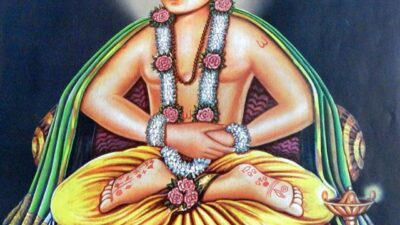
अभंग पाठ वारकरी धार्मिक-काव्य ढाँचे में काम करता है: तीर्थयात्रा भक्ति-प्रेम की भौतिक क्रिया के रूप में, विट्ठल (पंढरपुर रूप विष्णु) वह सुलभ ईश्वर के रूप में जो स्तंभ पर भक्त की प्रतीक्षा करते हैं। शब्द आनंद दो पंक्तियों में चार बार प्रकट होता है — पाठ स्वयं अपने विषय पर एक ध्यान है।
अंग्रेज़ी में पढ़ें · Read in English
The abhanga text operates in the Warkari theological-poetic frame: pilgrimage as the physical enactment of devotional love, Vitthal (the Pandharpura form of Vishnu) as the accessible God who waits for the devotee at the pillar. The word ananda (bliss) appears four times in two lines — the text is itself a meditation on its subject.
विरासत The Legacy
इस अभंग का निश्चित फ़िल्म प्रदर्शन — पागनीस की वारकरी परंपरा से पहचान इतनी पूर्ण कि इस पाठ के बाद के प्रदर्शक अक्सर इस रिकॉर्डिंग को मानक के रूप में संदर्भित करते हैं। संगीत शैली के रूप में संत-फ़िल्म अभंग अपने लोकप्रिय रूप का श्रेय इस और पूर्ववर्ती संत तुकाराम रिकॉर्डिंग को देता है।
अंग्रेज़ी में पढ़ें · Read in English
The definitive film performance of this abhanga — Pagnis's identification with the Warkari tradition so complete that later performers of this text often reference this recording as the standard. The sant-film abhanga as a musical genre owes its popular form to this and the preceding Sant Tukaram recordings.
वर्गीकरण
Classification- Tempo
- Slow
Genre
नमूना-पट्टी
The Specimen Table| शीर्षक | पुंडे जातो पुंडे जातो · Punde Jaato Punde Jaato |
|---|---|
| फ़िल्म | संत ज्ञानेश्वर · 1940 |
| वर्ष · युग | 1940 |
| गायक | Vishnupant Pagnis |
| गीतकार | संत ज्ञानेश्वर (परंपरागत अभंग) |
| संगीतकार | Keshavrao Bhole |
| स्वरूप | एकल पुरुष |
| गति | धीमी |
| भाषा | marathi-hindi |
| भाव | भक्ति · शांत · आध्यात्मिक |
| लोकप्रियता | Known |
| बोल-स्थिति | सार्वजनिक |
जुड़े हुए पन्ने
Connected Plates · The Graph Made Visibleअटलस में कोई पन्ना अकेला नहीं — इस गीत से जुड़े गीत, कलाकार, फ़िल्म, राग-ताल-विधा, सब यहाँ से खुलते हैं।
मिलते-जुलते गीत · Related Songs
कलाकार · The Artists
फ़िल्म · The Film
साझा कीजिए · Share this Plate