गीत विंग · गीत-पट्टिका · Song Plate
मोरा पीहू पीहू मन बोले
Mora Pihu Pihu Man Bole
पपीहे की पुकार — 'पीहू पीहू' — बहन में मन की लालसा का गीत बन जाती है।
भावपुरानी यादें · Yearning
भाषाhindi गतिमध्यम स्वरूपSolo
श्रेय
The Creditsसूत्र-वाक्य · The Hook
सूत्र-वाक्य
पपीहे की पुकार — 'पीहू पीहू' — बहन में मन की लालसा का गीत बन जाती है।
In EnglishThe papiha's call — 'pihu pihu' — turned into a song of the heart's longing in Bahen.
पट्टिका-लेख
The Monographपरिचय Overview
बहन (1941) का एक लालसा भरा गीत जो पपीहे की अनुकरणात्मक 'पीहू पीहू' पुकार पर आधारित है — भारतीय काव्य में विरह का एक रूढ़ बिंब। अनिल बिस्वास द्वारा सफ़दर आह के बोल पर संगीतबद्ध। गायक अनिर्धारित रखा गया है: स्रोत भिन्न हैं (विकिपीडिया हुस्न बानो को श्रेय देता है; हिंदीगीतमाला का फ़िल्म-पृष्ठ किसी गायक का उल्लेख नहीं करता) और कोई पुष्टि नहीं हो सकी।
अंग्रेज़ी में पढ़ें · Read in English
A longing number from Bahen (1941) built on the papiha's onomatopoeic 'pihu pihu' call, a stock image of viraha (separation) in Indian poetry. Set by Anil Biswas to Safdar Aah's lyric. The singer is left unattributed: sources conflict (Wikipedia credits Husn Bano; the hindigeetmala film page lists no singer) and no attribution could be confirmed.
काव्य The Poetry
'मोरा पीहू पीहू मन बोले' की कविता भारतीय काव्य के सबसे पुराने और गहरे पक्षी-बिंबों में से एक पर टिकी है: पपीहा — वह चातक (Clamator jacobinus) जिसकी 'पीहू पीहू' पुकार मानसून के आगमन के साथ सुनाई देती है। संस्कृत और ब्रजभाषा की विरह-परंपरा में — जयदेव, विद्यापति और राधा की कृष्ण-विरह की दीर्घ काव्य-शृंखला में — पपीहे की पुकार अपूर्ण कामना की अनिवार्य ध्वनि है: पक्षी वर्षा के लिए पुकारता है जैसे वियोगी प्रेमी अनुपस्थित प्रिय के लिए। 'मोरा' (मेरा) की उपस्थिति गीत को प्रथम-पुरुष स्वीकारोक्ति बनाती है: बोलने वाले का मन (मन) पपीहे जैसा बोलता है — अर्थात बार-बार, तड़पते हुए, उस ध्वनि में जो आधी शब्द है और आधी पुकार। सफ़दर आह का बोल — हृदय की वाणी के लिए 'बोले' का प्रयोग — पक्षी की पुकार को प्रेमी की उस बाध्यकारी भीतरी आवाज़ के सीधे रूपक के रूप में प्रस्तुत करता है जिसे थामा नहीं जा सकता। यह शास्त्रीय संदर्भ 1941 के उस दर्शक के लिए तुरंत पारदर्शी था जो ब्रज और उर्दू परंपराओं की कविता से परिचित था।
अंग्रेज़ी में पढ़ें · Read in English
The lyric of 'Mora Pihu Pihu Man Bole' is built on one of Indian poetry's oldest and most resonant bird images: the papiha, a species of cuckoo (Clamator jacobinus, also called the pied crested cuckoo) whose call 'pihu pihu' is heard at the arrival of the monsoon. In the viraha (separation) tradition of Sanskrit and Braj Bhasha poetry — in the verses of Jayadeva, Vidyapati, and in the long tradition of Radha's longing for Krishna — the papiha's call is the quintessential sound of unfulfilled desire: the bird calls for rain as the separated lover calls for the absent beloved. The word 'mora' (mine, or my) in the opening positions the song as a first-person confession: the speaker's heart (man) calls like the papiha, which is to say calls repeatedly, yearning, in a sound that is half-word and half-cry. Safdar Aah's lyric — using 'bole' (speaks/calls) for the heart's speech — treats the bird's call as a direct metaphor for the lover's compulsive inner voice that cannot be stilled. This classical reference would have been immediately transparent to a 1941 audience educated in the poetry of the Braj and Urdu traditions; it signals that the song, whatever its dramatic context in Bahen, participates in a poetic lineage far older than cinema.
कहानी The Story
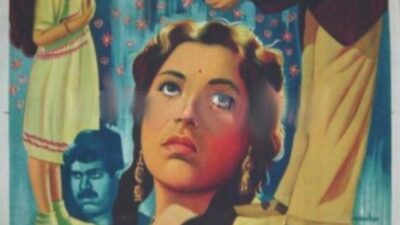
बहन (1941) — 'बहन' अर्थात बहनें — एक पारिवारिक ड्रामा थी जो भाई-बहन के सम्बंधों पर केंद्रित थी, उस काल की लोकप्रिय सामाजिक-फ़िल्म उपशैली। संगीत अनिल बिस्वास (1914–2003) ने रचा — जो एक ऐसे करियर की प्रारम्भिक अवस्था में थे जो हिंदी फ़िल्म संगीत के सबसे विशिष्ट करियरों में से एक बनेगा। 1941 तक बिस्वास ने खुद को एक ऐसे संगीतकार के रूप में स्थापित कर लिया था जो व्यावसायिक फ़िल्म-गीतों में गंभीर शास्त्रीय राग-संरचनाओं को एकीकृत करने को तैयार थे — वह विशेषता जो 1940 और 1950 के दशक में बॉम्बे टॉकीज़ और बाद में स्वतंत्र रूप से उनके काम की पहचान बनी। 'मोरा पीहू पीहू मन बोले' — अपने पपीहे के बिंब और विरह-भाव के साथ — बिस्वास की उस प्राथमिकता के अनुकूल थी जो लालसा और वर्षा-ऋतु से जुड़े रागों — जैसे देश या मेघ — पर आधारित अर्ध-शास्त्रीय ढाँचों की ओर थी। बोल सफ़दर आह ने लिखे। गायक-श्रेय विवादित रहता है: विकिपीडिया हुस्न बानो का नाम लेता है — इस काल में विभिन्न स्टूडियो में काम के लिए जानी जाने वाली गायिका — लेकिन hindigeetmala.net की सूची इस नम्बर के लिए कोई गायक नहीं देती। विरोधाभास के कारण, पुष्ट स्रोत के अभाव में गायक-प्रविष्टि रोकी गई है।
अंग्रेज़ी में पढ़ें · Read in English
Bahen (1941) — bahen means 'sister' — was a family drama centring on sibling relations, a popular social-film subgenre of the period. The music was composed by Anil Biswas (1914–2003), who was in the early stage of what would become one of the most distinguished careers in Hindi film music. By 1941 Biswas had already established himself as a composer willing to integrate serious classical raga structures into commercial film songs, a hallmark that would characterise his work through the 1940s and 1950s at Bombay Talkies and later independently. The song 'Mora Pihu Pihu Man Bole', with its papiha imagery and viraha emotion, would have been well-suited to Biswas's preference for semi-classical melodic frameworks rooted in ragas associated with longing and the monsoon season — such as Desh or Megh. The lyrics were written by Safdar Aah, one of several Urdu lyricists active in Bombay studios in the early 1940s. The film's singer attribution remains contested: Wikipedia credits Husn Bano, a singer known for her work at various studios in this period, but the hindigeetmala.net catalogue entry for Bahen does not list a singer for this number. Given the conflict, the singer entry is withheld pending authoritative source verification.
वर्गीकरण
Classification- Tempo
- Medium
Genre
अन्य विवरण
More Details- hindigeetmala.net — Bahen (1941) song listing (singer not listed)
- Wikipedia: Anil Biswas (composer) biographical entry
- Hindi Film Geet Kosh Vol. 3 — 1941 entries
- Papiha / viraha tradition: documented in scholarship on Vidyapati, Jayadeva, Braj Bhasha poetry
References
रोचक तथ्य
Margin Notesसंगीतकार अनिल बिस्वास (1914-2003) का जन्म बरिसाल (वर्तमान बांग्लादेश) में हुआ था और उन्हें हिंदी फ़िल्म संगीतकार के रूप में काम करने वाले पहले औपचारिक रूप से प्रशिक्षित शास्त्रीय संगीतकारों में से एक माना जाता है; बहन (1941) पर उनका यह काम उनकी सबसे प्रशंसित रचनाओं से करीब एक दशक पहले का है।
अंग्रेज़ी में पढ़ें · Read in English
Composer Anil Biswas (1914–2003) was born in Barisal (now Bangladesh) and is documented as one of the first formally trained classical musicians to work as a Hindi film composer; his 1941 work on Bahen predates his most celebrated compositions by a decade.
पपीहा, जिसकी 'पिहू-पिहू' पुकार इस गीत का ध्वनि-केंद्र बनती है, एक हज़ार वर्षों से भी अधिक समय से भारतीय काव्य में प्रतिष्ठित पक्षी है, जो संस्कृत काव्य और ब्रज भाषा की कविता में प्रतीक्षारत प्रेमी के प्रतीक के रूप में प्रकट होता है।
अंग्रेज़ी में पढ़ें · Read in English
The papiha (pied crested cuckoo) whose 'pihu pihu' call forms the sonic core of this song is a bird celebrated in Indian poetry for over a thousand years, appearing in Sanskrit kāvya and Braj Bhasha poetry as the symbol of the awaiting lover.
गीतकार सफ़दर 'आह' 1940 के दशक की शुरुआत में बंबई के फ़िल्म स्टूडियो में सक्रिय थे और इस दौर की कई फ़िल्मों में उनका श्रेय दर्ज है; किसी फ़िल्म-गीत के शीर्षक में शास्त्रीय प्रकृति-कल्पना (पपीहा) का प्रयोग उस युग की उस काव्य-प्रथा को दर्शाता है, जिसमें शास्त्रीय साहित्यिक बिंबों को लोकप्रिय दर्शकों के लिए सहज-सुलभ बनाया जाता था।
अंग्रेज़ी में पढ़ें · Read in English
Lyricist Safdar Aah was active in Bombay film studios in the early 1940s and is credited on several films of this period; the use of classical nature imagery (the papiha) in a film-song title reflects the era's lyrical practice of domesticating classical literary tropes for popular audiences.
'मोरा पिहू पिहू मन बोले' जिस विरह-शैली से संबंधित है, वह 1941 के हिंदी फ़िल्म गीतों का प्रमुख भावनात्मक स्वर था, जो साहित्यिक परंपरा के साथ-साथ उस सिनेमा की व्यावहारिक ज़रूरत को भी दर्शाता है जिसे मुख्यतः विस्थापन का अनुभव कर रहे युवा शहरी दर्शक देखते थे।
अंग्रेज़ी में पढ़ें · Read in English
The viraha (separation) genre that 'Mora Pihu Pihu Man Bole' belongs to was the dominant emotional register of Hindi film songs in 1941, reflecting both literary tradition and the practical needs of a cinema consumed largely by a young urban audience experiencing displacement.
नमूना-पट्टी
The Specimen Table| शीर्षक | मोरा पीहू पीहू मन बोले · Mora Pihu Pihu Man Bole |
|---|---|
| फ़िल्म | बहन · 1941 |
| वर्ष · युग | 1941 |
| गीतकार | Safdar Aah |
| संगीतकार | Anil Biswas |
| स्वरूप | Solo |
| गति | मध्यम |
| भाषा | hindi |
| भाव | पुरानी यादें · Yearning |
| लोकप्रियता | Obscure |
| बोल-स्थिति | केवल झलक |
जुड़े हुए पन्ने
Connected Plates · The Graph Made Visibleअटलस में कोई पन्ना अकेला नहीं — इस गीत से जुड़े गीत, कलाकार, फ़िल्म, राग-ताल-विधा, सब यहाँ से खुलते हैं।
कलाकार · The Artists
फ़िल्म · The Film
साझा कीजिए · Share this Plate